Field Notes on S-(Carboxymethyl)-L-cysteine for Animal Health
If you’ve worked in livestock respiratory health, you’ve probably heard murmurs about mucoregulators. Today I’m looking at s carboxymethyl l cysteine—also known as Carbocisteine. It’s not new, but the interest is definitely picking up across feed, premix, and veterinary pharma lines. To be honest, the trend makes sense: post-antibiotic-stewardship era, producers want tools that help clear airways and reduce oxidative stress without complicating residue management.
What it is (and why teams are trialing it)
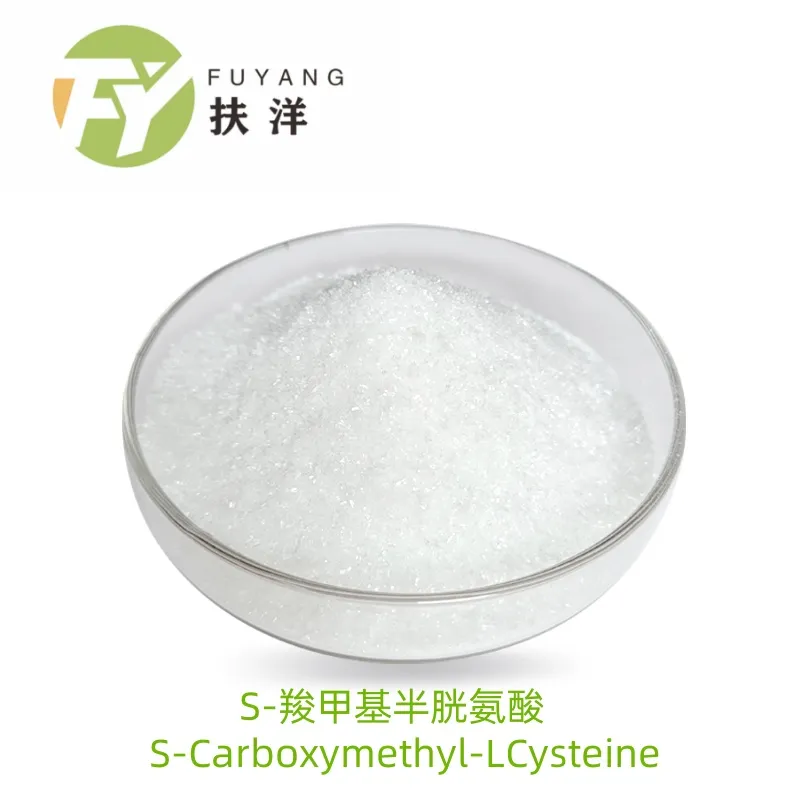
s carboxymethyl l cysteine is a cysteine derivative, a mucoregulator and antioxidant—akin to NAC, yet with a different mechanism. Where NAC is a classic mucolytic via disulfide bond breaking, carbocisteine modulates mucus composition and viscosity, influences sialomucin/neutral mucin ratios, and brings ROS-scavenging benefits. In poultry and swine programs, that translates (anecdotally, yes) to easier clearance, better feed intake during respiratory stress, and fewer sticky secretions. Surprisingly, it’s also being explored in aquaculture for waterborne stress episodes.
Industry trend snapshot
- Respiratory wellness add-ons in starter feeds and stress packs are up, especially during dusty seasons and transport windows.
- Formulators are pairing s carboxymethyl l cysteine with immune modulators (vitamin E, selenium) and sometimes with low-dose essential oils.
- Regulatory teams prefer ingredients with pharmacopeial alignment, traceability, and clean CoAs.
Typical product specifications (real-world values may vary)
| Parameter | Spec (≈ typical) | Method/Standard |
|---|---|---|
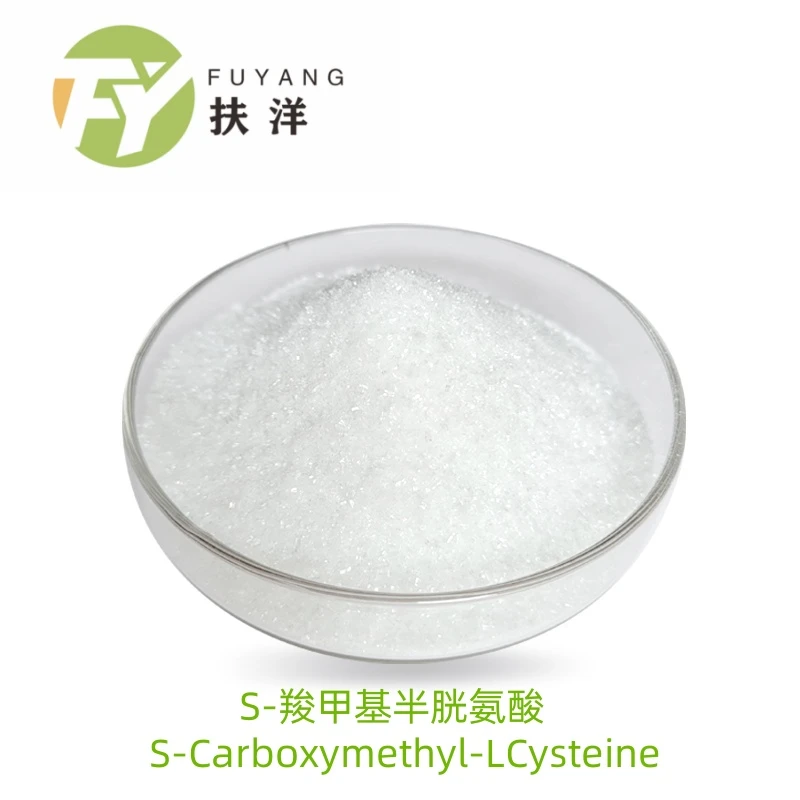
| Appearance | White to off-white crystalline powder | Visual |
| Assay (dry basis) | ≥ 98.5% | HPLC; in-house SOP aligned to ISO/IEC 17025 |
| Specific rotation | +21° to +25° | Ph. Eur./BP style |
| pH (1% soln) | 2.2–2.8 | USP general |
| Loss on drying | ≤ 0.5% | 105°C, gravimetric |
| Heavy metals (Pb) | ≤ 10 ppm | ICP-MS; ICH Q3D |
| Microbial limits | TAMC ≤ 10^3 CFU/g; Salmonella absent | Ph. Eur. 2.6.x |
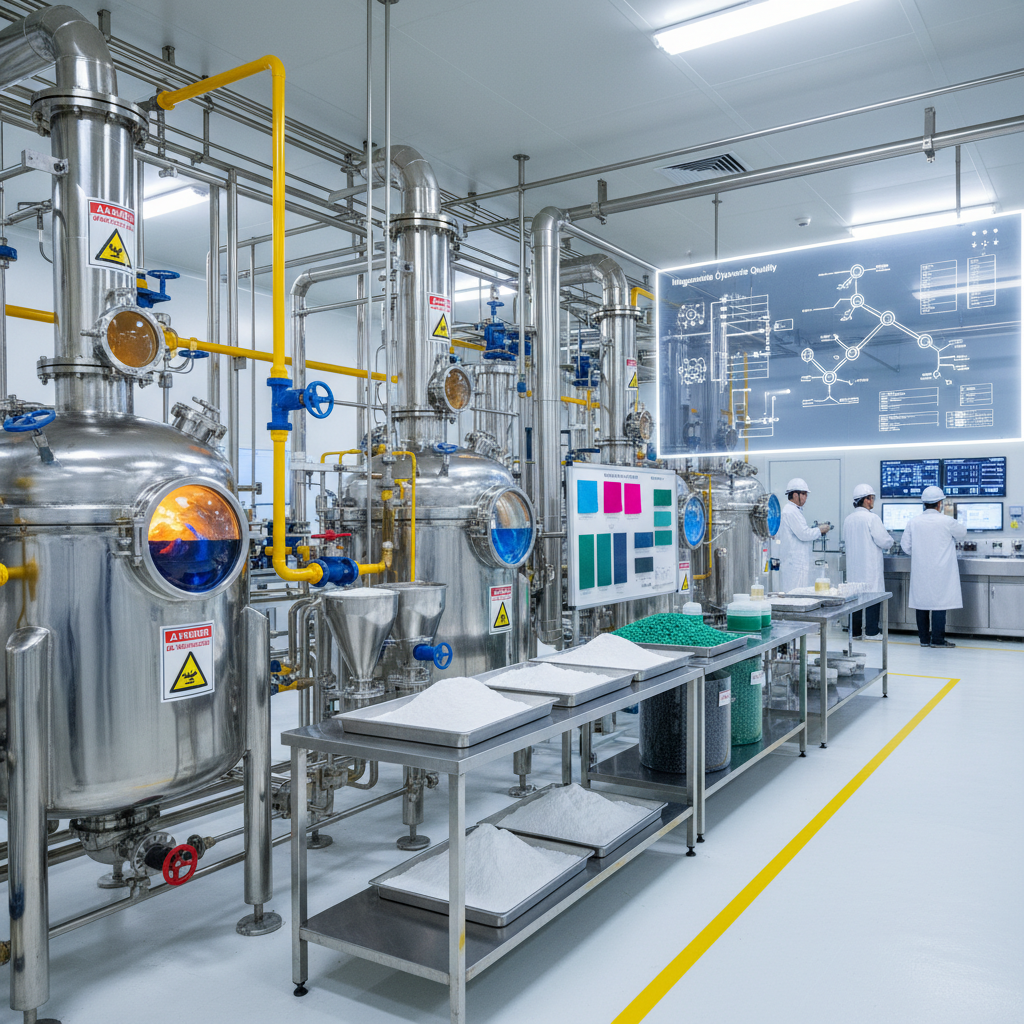
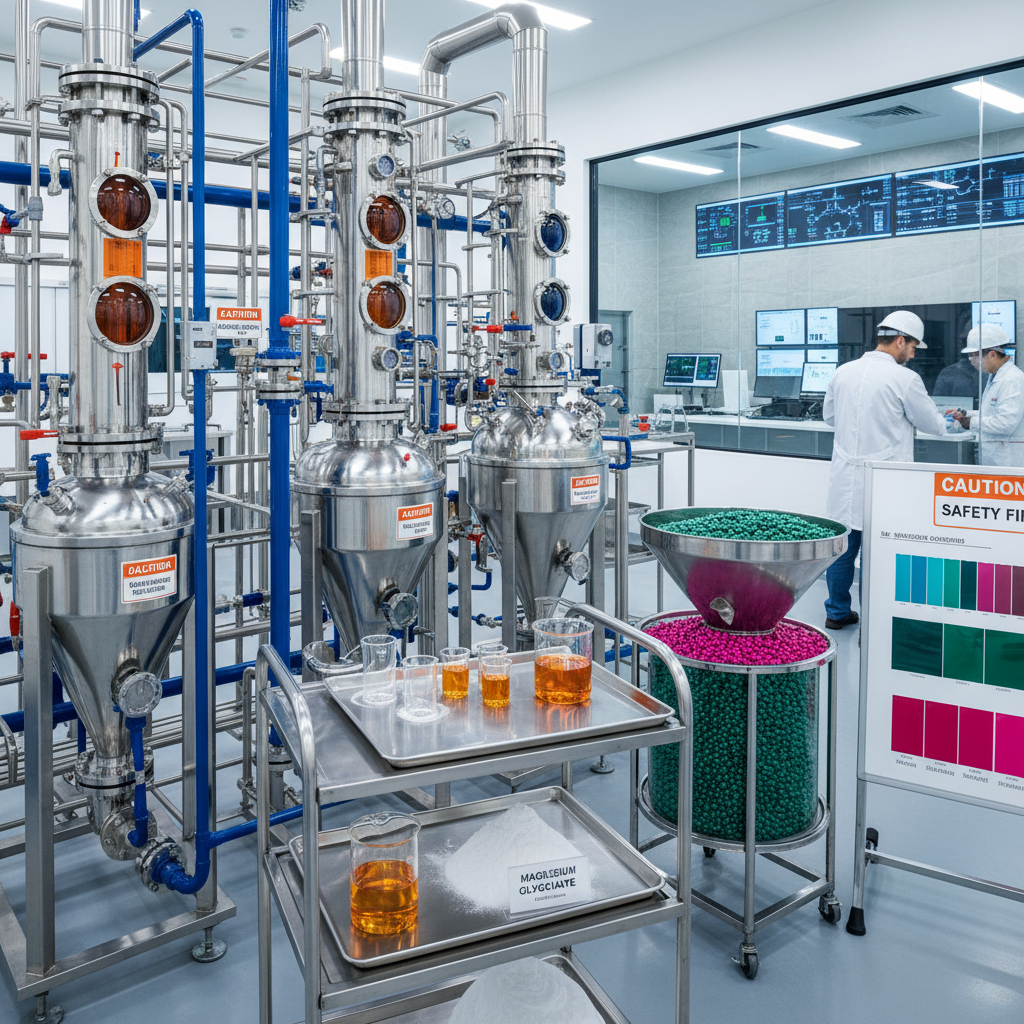
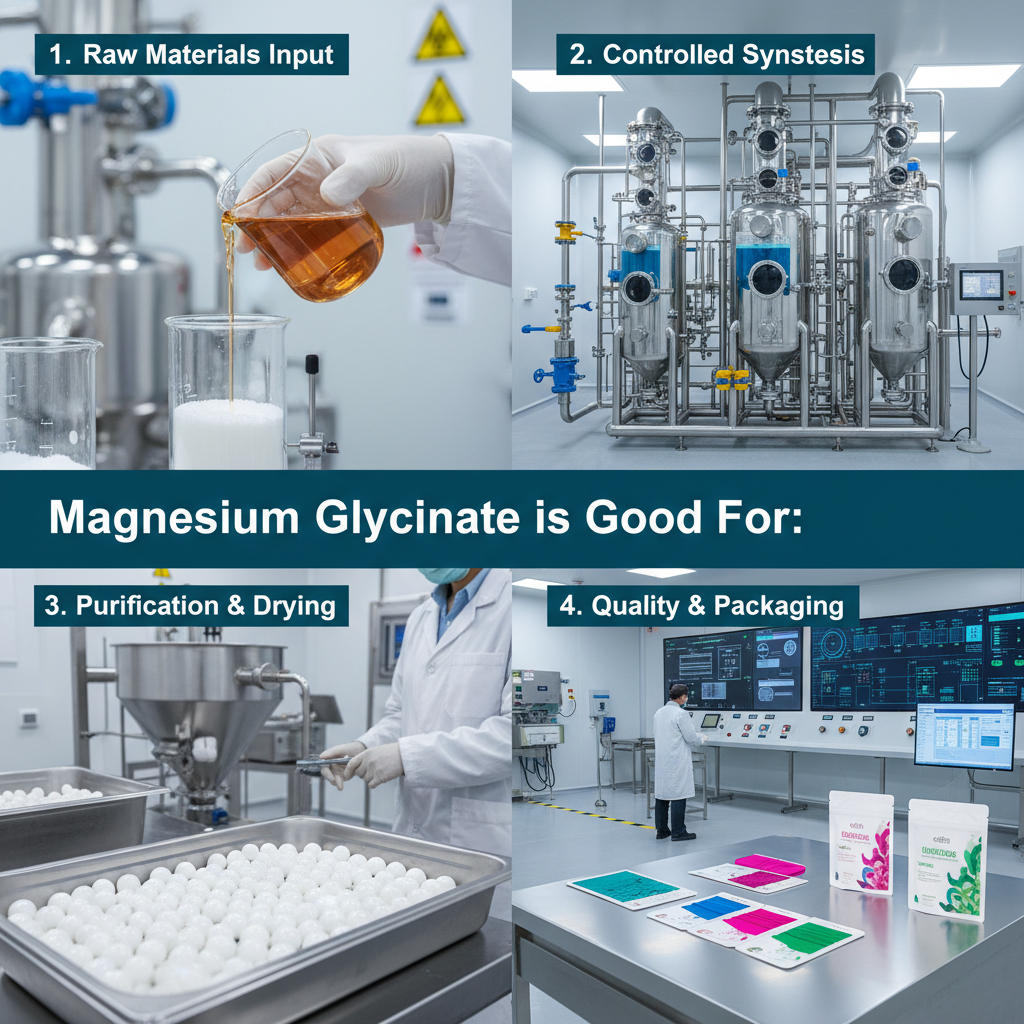
From plant to pallet: process flow (summary)
Origin: Xinle Industrial Park, Shijiazhuang, Hebei, China.
- Materials: L-cysteine, chloroacetic acid (or bromoacetic), water/ethanol, pH adjusters.
- Methods: Controlled S-alkylation, neutralization, controlled crystallization, filtration.
- Refine: Recrystallization, drying under reduced pressure, milling/sieving (e.g., D90 ≤ 250 µm).
- Testing: HPLC assay, chiral purity, residual solvents (ICH Q3C), heavy metals (ICH Q3D), microbiology.
- Pack & QA: 25 kg fiber drums with liners; full CoA; stability program (real-time/accelerated).
Shelf life: ≈24 months unopened; store 15–25°C, dry, protected from light. Service life in premix depends on matrix and water activity—validate in your formulation, honestly.
Applications and advantages
- Poultry and swine: respiratory support during dust, transport, or high-ammonia periods; water-soluble sachets are popular.
- Ruminants: adjunct in cough/stress packs; some teams combine with vitamin C.
- Aquaculture: waterborne stress mitigation trials (preliminary, handle with care).
- Pros: mucus quality modulation, antioxidant effect, compatibility with most electrolytes; pleasant handling vs NAC odors.
Customization options
Granule size, dust-controlled grades, instantized powder, premix integration (carrier choices), and tailored microbial limits for sensitive applications. Private-label packs are doable.
Vendor comparison (indicative)
| Vendor | Origin | MOQ | Lead Time | Purity | Certs | Notes |
|---|---|---|---|---|---|---|
| Hebei Fuyang Bio | Shijiazhuang, CN | 25 kg | ≈ 10–15 days | ≥ 98.5% | ISO 9001, FAMI-QS | Strong batch traceability |
| EU Distributor | EU stock | 5–25 kg | Stock/2–5 days | ≥ 98% | GDP warehouse | Convenience premium |
| Small Lab Supplier | Global | 1–5 kg | 2–4 weeks | 95–99% | Basic QA | R&D only, check specs |
Case notes and feedback
A mid-size poultry integrator reported smoother drinking-water dispersion and “less sticky litter” during a dusty period—informal, yes, but echoed by others. One swine vet told me the combo of s carboxymethyl l cysteine with electrolytes “kept pigs on feed” during a heat spike. Pilot bench data from a supplier CoA showed HPLC purity at 99.2% and low residues, which helps regulatory files. Results vary in the field; validate in your own barns.
Compliance and standards (check your jurisdiction)
- Pharmacopeial alignment: BP/Ph. Eur.-style tests for identity, assay, rotation.
- Quality framework: ISO 9001, FAMI-QS for feed chain, GMP-like controls for veterinary actives.
- Toxicology/impurities: ICH Q3D (elements), ICH Q3C (solvents); OECD TG where relevant for safety data.
- Regulatory status can differ for feed vs veterinary medicinal use—confirm labels and claims.
Final thought: s carboxymethyl l cysteine won’t replace good ventilation or biosecurity, but as part of a respiratory support stack, it’s a practical, well-characterized molecule with decent handling and spec consistency. I guess that’s why buyers keep shortlisting it.
References
- PubChem: Carbocisteine (S-(Carboxymethyl)-L-cysteine) compound summary.
- British/European Pharmacopoeia monographs for Carbocisteine (consult latest editions).
- ICH Q3D (R1) Guideline for Elemental Impurities; ICH Q3C (R8) on Residual Solvents.
- OECD Test Guidelines Programme: relevant toxicology and environmental fate methods.