Aminoacids are the fundamental building blocks of proteins, essential for life as we know it. These organic compounds play a critical role in countless biological processes, from enzyme catalysis to structural support within cells. Understanding aminoacids is therefore not just a scientific pursuit, but is central to advancements in medicine, nutrition, and biotechnology. The global market for aminoacids is substantial and growing, driven by increasing demand for animal feed, pharmaceuticals, and dietary supplements.
The significance of aminoacids extends far beyond the laboratory. They are integral to food security, as protein deficiency remains a major global health concern, particularly in developing nations. Furthermore, research into aminoacid-based therapies holds immense promise for treating a wide range of diseases, including genetic disorders and cancer. The demand for sustainable and efficient aminoacid production is also rising, impacting agricultural practices and industrial innovation.
Investments in aminoacid research and production are essential for meeting the challenges of a growing population and ensuring a healthier future for all. The precision and efficacy of aminoacids are revolutionizing several industries and presenting solutions to many challenges.
Introduction to aminoacids
aminoacids are the organic compounds containing amine (-NH2) and carboxyl (-COOH) functional groups, alongside a side chain (R group) unique to each aminoacid. This R group dictates the specific chemical properties and function of each aminoacid. There are 20 standard aminoacids used by living organisms to build proteins. aminoacids are essential for numerous biochemical pathways.
The classification of aminoacids into essential, non-essential, and conditionally essential categories reflects their dietary requirements. Essential aminoacids cannot be synthesized by the human body and must be obtained through diet. Non-essential aminoacids can be produced internally, while conditionally essential aminoacids are required during specific periods of growth or illness. Understanding these classifications is vital for optimal health and nutrition.
Global Relevance and Challenges
The global aminoacid market is estimated to reach billions of dollars in the coming years, driven by increasing demand in the animal feed, food, pharmaceutical, and cosmetics industries. Asia-Pacific currently dominates the market, due to its large population and rapidly growing economies. However, rising demand in other regions, such as North America and Europe, is contributing to global market expansion.
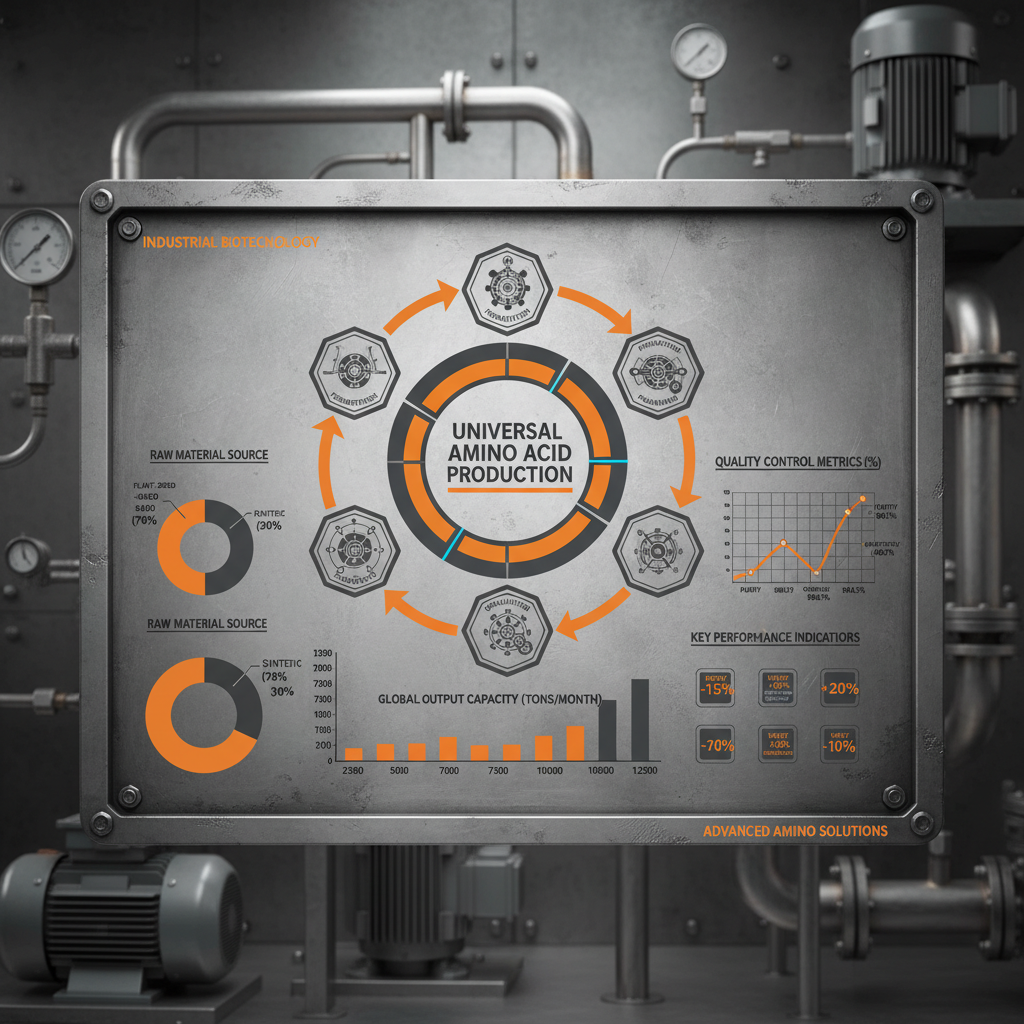
Despite the growth potential, several challenges exist. Ensuring a sustainable and environmentally friendly supply chain is critical, as traditional aminoacid production methods can be resource-intensive. Concerns about quality control and the presence of contaminants are also paramount. The increasing cost of raw materials, such as corn and soybean meal, which are used in aminoacid fermentation, pose a further challenge to manufacturers.
The United Nations Sustainable Development Goals (SDGs) also emphasize the need for sustainable agriculture and improved nutrition. Addressing these challenges through innovation and responsible production practices is essential for ensuring the long-term viability of the aminoacid industry and its contribution to global food security.
Defining aminoacids
Simply put, aminoacids are small molecules that combine to form larger chains called proteins. Imagine building with LEGO bricks – each aminoacid is a different type of brick, and proteins are the structures you build with them. These structures perform a huge variety of functions in the body, from transporting oxygen to fighting off infections.
The connection to modern industry is strong. In pharmaceuticals, aminoacids are used to create intravenous feeding solutions, treat genetic disorders, and develop targeted drug delivery systems. In agriculture, aminoacids are added to animal feed to improve growth rates and reduce reliance on antibiotics. The burgeoning field of personalized nutrition also relies on a deep understanding of individual aminoacid needs.
Furthermore, aminoacids are critical in biotechnological applications, serving as building blocks for peptides, hormones, and other biologically active compounds. The demand for high-purity aminoacids is constantly increasing as researchers explore their potential in areas like regenerative medicine and synthetic biology.
Key Characteristics of aminoacids
One key characteristic of aminoacids is their chirality, meaning they exist in two mirror-image forms, known as L- and D-aminoacids. Most proteins are composed of L-aminoacids. Another important aspect is their amphoteric nature, meaning they can act as both acids and bases, depending on the pH of their environment.
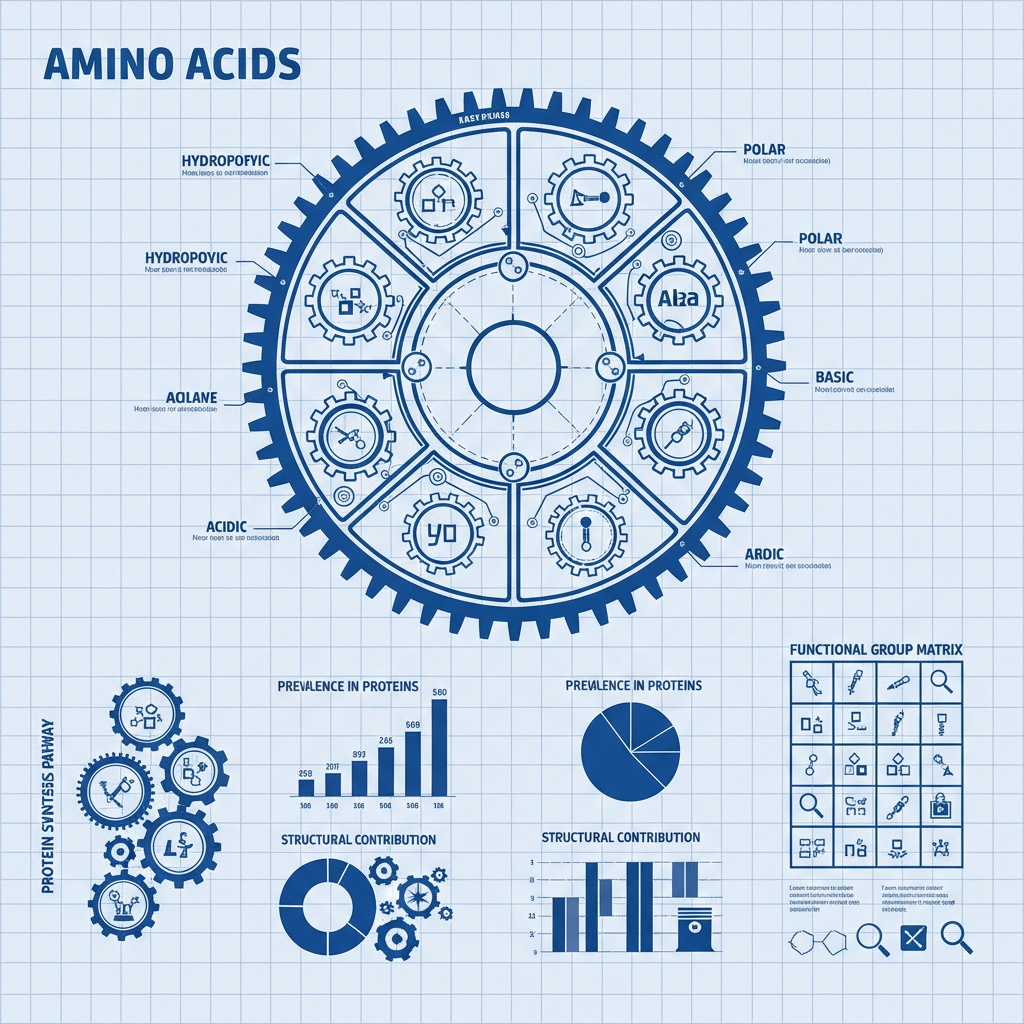
The unique properties of each aminoacid’s R-group determine its role in protein structure and function. These R-groups can be polar, nonpolar, acidic, or basic, influencing how the protein folds, interacts with other molecules, and ultimately performs its biological task.
Aminoacids Production Methods Comparison
Global Applications of aminoacids
In the pharmaceutical industry, aminoacids are used to formulate parenteral nutrition solutions for patients unable to consume food orally. They are also vital components in drugs targeting metabolic disorders, such as phenylketonuria. In post-disaster relief operations, aminoacid-fortified food supplements are crucial for combating malnutrition and supporting recovery.
Within the agricultural sector, aminoacids are employed as biostimulants to enhance crop growth and yield, improving stress tolerance and nutrient uptake. In remote industrial zones, aminoacid-based wastewater treatment systems provide sustainable and cost-effective solutions for removing pollutants. Animal nutrition is a massive consumer of aminoacids, supplementing feed to optimize livestock growth and reduce environmental impact.
Benefits and Long-Term Value
The economic benefits of utilizing aminoacids are significant. Improved animal feed efficiency reduces production costs for farmers, while the development of novel pharmaceutical therapies generates substantial revenue for the healthcare industry. The sustainable production of aminoacids minimizes environmental impact, contributing to long-term ecological well-being.
From a social impact perspective, aminoacids play a critical role in addressing global health challenges, such as malnutrition and food insecurity. The increasing demand for personalized nutrition empowers individuals to optimize their health and well-being. Beyond these tangible benefits, aminoacids foster innovation and build trust in the food and healthcare systems.
Future Trends in aminoacids
The integration of biotechnology and synthetic biology is poised to revolutionize aminoacid production, enabling more efficient and sustainable methods. The development of precision fermentation technologies allows for the targeted production of specific aminoacids, reducing waste and environmental impact. Advancements in metabolic engineering are paving the way for the creation of novel aminoacid analogs with enhanced properties.
The growing emphasis on circular economy principles is driving the exploration of aminoacid recovery from waste streams, transforming byproducts into valuable resources. Digital transformation and automation are streamlining production processes, improving quality control, and reducing labor costs. The increasing adoption of sustainable practices and technologies will be critical for ensuring the long-term viability of the aminoacid industry.
Summary of Key Aminoacids Production Challenges & Solutions
| Challenge |
Impact on Production |
Potential Solution |
Implementation Cost (1-10) |
| Raw Material Cost Fluctuations |
Increased production expenses, reduced profit margins |
Diversify raw material sources, invest in alternative feedstocks |
7 |
| Sustainability Concerns |
Negative environmental impact, regulatory scrutiny |
Implement eco-friendly production processes, reduce waste |
6 |
| Quality Control & Purity |
Product recalls, reduced consumer confidence |
Enhanced analytical techniques, strict quality standards |
8 |
| Scalability of Production |
Difficulty meeting increasing demand |
Invest in advanced bioreactors, optimize fermentation processes |
9 |
| Competition from Alternative Proteins |
Market share erosion |
Develop specialized aminoacid products, focus on niche applications |
5 |
| Supply Chain Disruptions |
Production delays, increased costs |
Diversify suppliers, build strategic reserves |
7 |
FAQS
Aminoacids are used in the food industry as flavor enhancers, nutritional supplements, and ingredients in specialized diets. They can improve the taste and aroma of food products, increase their protein content, and provide essential nutrients for individuals with specific dietary needs. Additionally, aminoacids are used in food processing to improve texture and stability. They help optimize nutritional profiles and enhance consumer appeal.
Traditional aminoacid production can have significant environmental impacts, including greenhouse gas emissions, water pollution, and land use. Fermentation processes can generate large amounts of wastewater containing organic pollutants, while the cultivation of raw materials like corn and soybean can contribute to deforestation and soil degradation. Sustainable production methods, such as utilizing renewable energy sources and implementing efficient waste management systems, are crucial for mitigating these impacts.
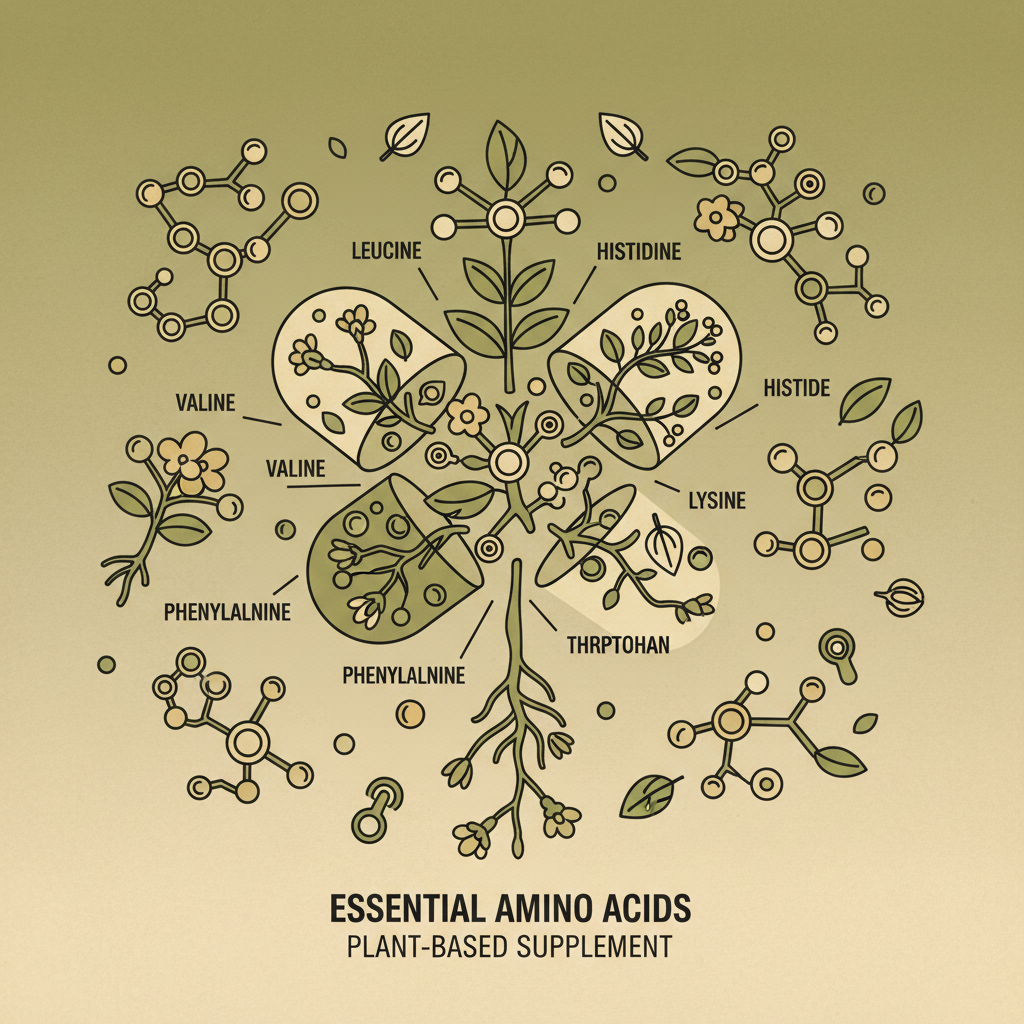
Essential aminoacids are those that the human body cannot synthesize on its own and must be obtained through diet. These include histidine, isoleucine, leucine, lysine, methionine, phenylalanine, threonine, tryptophan, and valine. Non-essential aminoacids, on the other hand, can be produced by the body, making dietary supplementation unnecessary in most cases. However, even non-essential aminoacids are vital for overall health and well-being.
aminoacids are used extensively in the pharmaceutical industry as building blocks for drug synthesis, components of intravenous nutrition solutions, and active ingredients in treatments for various diseases. They play a crucial role in developing therapies for metabolic disorders, genetic conditions, and cancer. Aminoacid-based drugs offer targeted delivery and improved efficacy, contributing to advancements in healthcare.
Recent innovations in aminoacid production include precision fermentation, metabolic engineering, and the use of alternative feedstocks. Precision fermentation utilizes genetically modified microorganisms to efficiently produce specific aminoacids. Metabolic engineering optimizes metabolic pathways to enhance aminoacid yields. Exploring alternative feedstocks, such as agricultural waste, offers a sustainable and cost-effective production approach.
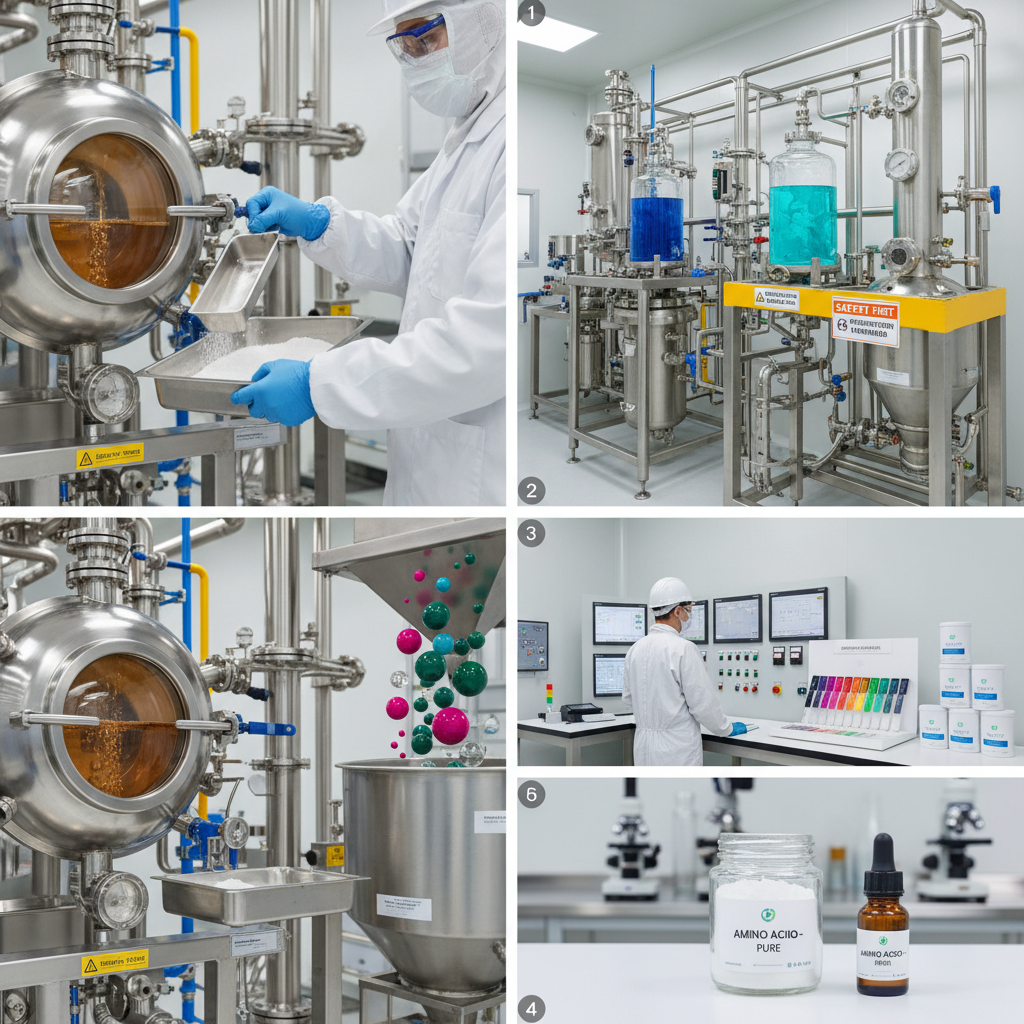
Stringent quality control measures are implemented throughout the aminoacid production process to ensure purity and safety. These include raw material testing, in-process monitoring, and final product analysis. Techniques such as high-performance liquid chromatography (HPLC) and mass spectrometry are used to identify and quantify aminoacid content and detect any contaminants. Compliance with international standards, such as ISO 9001, is essential for maintaining product quality.
Conclusion
In summary, aminoacids are fundamental building blocks of life with far-reaching implications for human health, agriculture, and industry. Their diverse applications, from pharmaceuticals and nutrition to sustainable agriculture and biotechnology, underscore their importance in addressing global challenges. The ongoing advancements in production technologies and a growing focus on sustainability promise a bright future for the aminoacid industry.
Looking ahead, continued investment in research and development is crucial for unlocking the full potential of aminoacids. Embracing innovative technologies, promoting sustainable practices, and fostering collaboration between industry, academia, and government will be key to ensuring the long-term viability and positive impact of aminoacids on our world.