0%

Table of Contents

hmb amino acid, or beta-hydroxy beta-methylbutyrate, is a naturally produced substance in the human body that plays a critical role in muscle protein synthesis and reducing muscle breakdown. Its growing recognition stems from its potential to enhance athletic performance, aid in muscle recovery, and combat age-related muscle loss, known as sarcopenia. This makes it a subject of increasing interest across various fields, from sports nutrition to geriatric healthcare.

The global market for hmb amino acid and its derivatives is experiencing significant expansion, driven by a rising awareness of preventative healthcare, an aging population, and the increasing popularity of fitness and sports supplementation. Reports indicate a steady growth rate, with projections for continued expansion in the coming years. This growth isn't limited to developed nations; emerging economies are also showing increasing demand.

Understanding the intricacies of hmb amino acid—its production, metabolism, benefits, and potential applications—is crucial for professionals in health, nutrition, and fitness, as well as for individuals seeking to optimize their physical well-being. This knowledge empowers informed decision-making regarding supplementation and lifestyle choices aimed at maximizing muscle health and overall quality of life. The increasing research surrounding hmb amino acid continues to unveil its complex mechanisms and broad range of potential benefits.
Exploring the Benefits of hmb amino acid for Muscle Health and Wellness

Introduction to hmb amino acid

Exploring the Benefits of hmb amino acid for Muscle Health and Wellness

hmb amino acid isn't simply a supplement; it’s a metabolite of leucine, one of the three branched-chain amino acids (BCAAs). While the body produces hmb amino acid naturally, the amount synthesized is often insufficient to maximize its benefits, particularly during periods of stress like intense exercise or aging. This limitation is a key driver for supplementation to support muscle health and function.

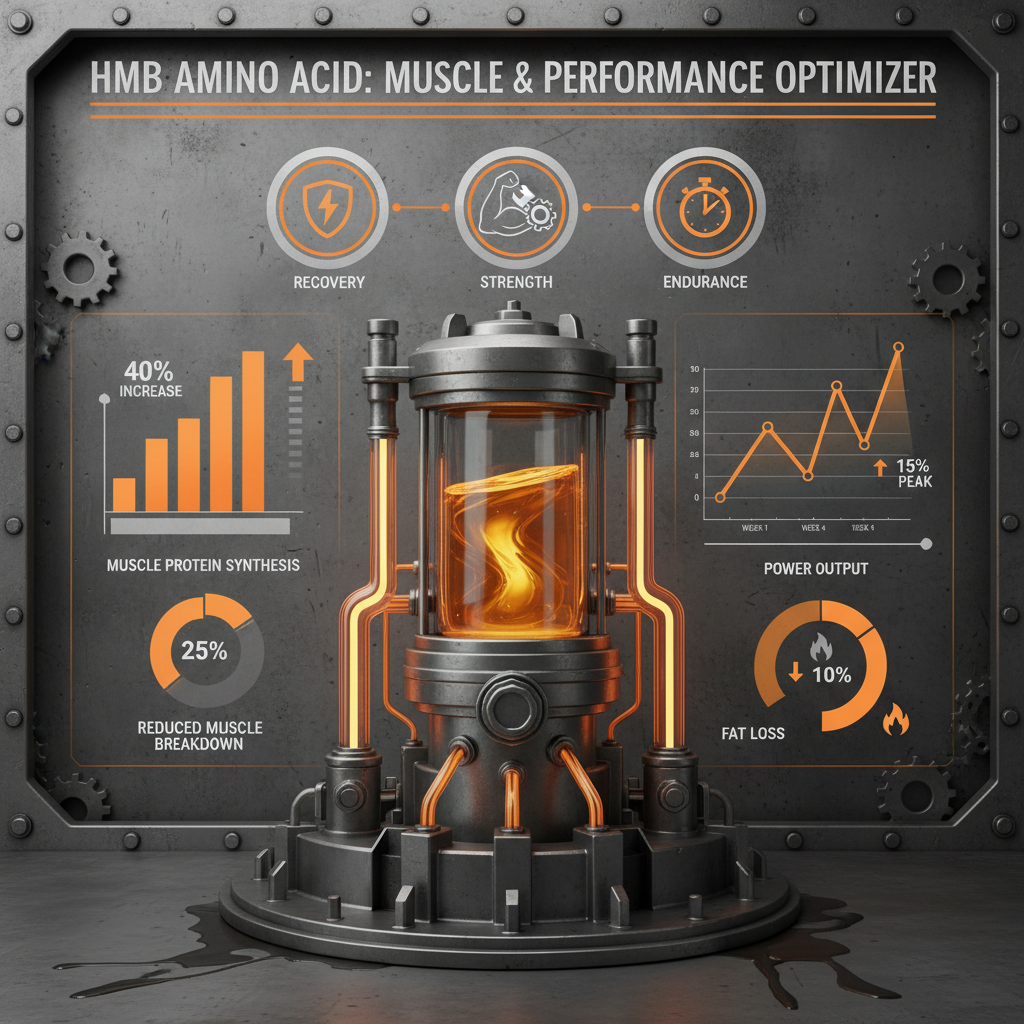
The primary function of hmb amino acid is to help reduce muscle protein breakdown and stimulate muscle protein synthesis. It achieves this by influencing several signaling pathways involved in muscle metabolism, creating a more favorable environment for muscle growth and recovery. This is why it’s become a popular choice amongst athletes and individuals aiming to preserve muscle mass.

The Biochemical Basis of hmb amino acid

The metabolic pathway of hmb amino acid begins with leucine. Approximately 5% of ingested leucine is converted into hmb amino acid within the body. This conversion rate can be affected by factors such as age, diet, and exercise intensity. Because this natural production is often limited, supplementing with hmb amino acid allows for a greater concentration of the metabolite to be available for muscle metabolism.

hmb amino acid works by influencing the mTOR pathway, a crucial signaling cascade that regulates protein synthesis. It also helps to reduce the expression of proteins involved in muscle breakdown, such as ubiquitin-proteasome pathway components. This dual action contributes to a net positive effect on muscle mass and strength.

Furthermore, hmb amino acid exhibits anti-inflammatory properties, contributing to faster recovery times after strenuous exercise. This is particularly beneficial for athletes involved in high-intensity training regimes, as it minimizes muscle damage and soreness. The role of hmb amino acid is increasingly being understood at the molecular level.

Factors Influencing hmb amino acid Effectiveness

The effectiveness of hmb amino acid supplementation isn’t uniform across all individuals. Several factors play a role in determining how well someone responds to it. Age is a significant factor, with older adults often experiencing greater benefits due to their reduced natural hmb amino acid production and increased susceptibility to muscle loss.

Training status also matters. While athletes generally benefit from hmb amino acid supplementation, untrained individuals may see less dramatic results. This is because athletes already have a higher baseline level of muscle protein synthesis. Diet, particularly protein intake, is another critical factor. hmb amino acid works synergistically with adequate protein consumption to maximize muscle growth and recovery.

Dosage and timing are also crucial. The most common dosage is 3 grams per day, divided into multiple doses. Consuming hmb amino acid around workouts—before, during, or after—can optimize its absorption and utilization by muscle tissue. Finally, the form of hmb amino acid used (free acid vs. calcium salt) can influence its bioavailability.

Quantifying the Benefits of hmb amino acid

Numerous studies have investigated the effects of hmb amino acid on muscle mass, strength, and recovery. Meta-analyses consistently demonstrate a small to moderate effect size in improving muscle strength and lean body mass, particularly when combined with resistance training. These gains are often more pronounced in untrained individuals and older adults.

Effect of Different hmb amino acid Protocols on Muscle Growth


Global Applications of hmb amino acid

The applications of hmb amino acid extend beyond athletic performance. In geriatric care, it is increasingly used to combat sarcopenia and improve muscle function in older adults, promoting independence and quality of life. Studies show promising results in preserving lean body mass and improving physical function in this population.

In clinical settings, hmb amino acid is being explored for its potential to aid in recovery from illness and injury, particularly in patients experiencing muscle wasting due to prolonged bed rest or critical illness. This is especially relevant in burn units and intensive care units where muscle loss is a significant concern.

Advantages and Long-Term Value of hmb amino acid

The long-term value of hmb amino acid lies in its preventative benefits. By preserving muscle mass, it helps maintain metabolic health, improves insulin sensitivity, and reduces the risk of chronic diseases associated with muscle loss, such as type 2 diabetes and osteoporosis.

Furthermore, hmb amino acid offers a relatively safe and well-tolerated supplementation option with minimal side effects reported in clinical trials. This makes it an attractive choice for individuals seeking a long-term strategy to support their muscle health and overall well-being. The consistent use of hmb amino acid promotes a proactive approach to healthy aging.

Future Trends in hmb amino acid Research and Application

Ongoing research is exploring the potential of hmb amino acid in addressing various health conditions, including cancer cachexia (muscle wasting associated with cancer) and chronic obstructive pulmonary disease (COPD). These studies aim to determine whether hmb amino acid can help mitigate muscle loss and improve quality of life in these challenging conditions.

The development of novel delivery systems, such as sustained-release formulations, is also an area of focus. These advancements could improve the bioavailability and efficacy of hmb amino acid, leading to more consistent and predictable results. Moreover, personalized nutrition approaches that tailor hmb amino acid dosage to individual needs and genetic predispositions are likely to become increasingly prevalent.

Summary of hmb amino acid Research and Development

Research Area Current Status Potential Impact Timeline (Years)
Cancer Cachexia Phase II Clinical Trials Improved patient quality of life, reduced mortality 3-5
COPD-related Muscle Loss Early Stage Research Enhanced respiratory function, increased exercise tolerance 5-7
Sustained-Release Formulations Development and Testing Improved bioavailability, reduced dosage frequency 2-3
Personalized hmb amino acid Dosage Genetic Research and Algorithm Development Optimized efficacy, minimized side effects 5-10
hmb amino acid and Gut Microbiome Interaction Initial Investigation Enhanced hmb amino acid absorption and utilization 4-6
hmb amino acid for Wound Healing Preclinical Studies Accelerated tissue repair, reduced scarring 7-10

FAQS

What is the optimal dosage of hmb amino acid for muscle growth?

The most commonly recommended dosage of hmb amino acid for muscle growth is 3 grams per day, typically divided into multiple doses. Some studies suggest that timing the doses around workouts (before, during, or after) may enhance its effectiveness. However, individual responses can vary, and it's advisable to consult with a healthcare professional to determine the most suitable dosage for your specific needs and goals. Consistency in dosage is also key to experiencing the benefits.

Is hmb amino acid safe for long-term use?

hmb amino acid is generally considered safe for long-term use when taken at recommended dosages. Clinical trials have consistently shown minimal side effects. However, as with any supplement, it's essential to be aware of potential individual sensitivities or interactions with existing medications. If you have any underlying health conditions, it's crucial to consult with a healthcare provider before starting long-term hmb amino acid supplementation.

Can hmb amino acid help with muscle loss due to aging?

Yes, hmb amino acid shows significant promise in combating age-related muscle loss, known as sarcopenia. Older adults often experience a decline in natural hmb amino acid production, making supplementation particularly beneficial. Studies have demonstrated that hmb amino acid can help preserve lean muscle mass, improve muscle strength, and enhance physical function in older individuals, contributing to improved quality of life and independence.

Is hmb amino acid effective for all types of athletes?

hmb amino acid can be beneficial for a wide range of athletes, but its effectiveness may vary depending on the sport and training intensity. Strength and power athletes, as well as those engaging in high-intensity interval training, tend to see the most significant benefits. Endurance athletes may also experience some advantages, such as reduced muscle damage and improved recovery. However, individual responses can differ, and combining hmb amino acid with a well-structured training program and adequate nutrition is crucial.

What is the difference between hmb amino acid free acid and hmb amino acid calcium?

hmb amino acid is available in two primary forms: free acid and calcium hmb. The free acid form generally has a higher bioavailability, meaning the body can absorb and utilize it more effectively. However, calcium hmb is often more affordable. While both forms can provide benefits, the free acid form may offer a slight advantage in terms of absorption and overall efficacy. Choosing between the two often comes down to personal preference and budget.

Can I take hmb amino acid with other supplements?

hmb amino acid can generally be taken safely with other supplements, such as creatine and protein powder. In fact, combining hmb amino acid with creatine may produce synergistic effects, enhancing muscle growth and strength gains. However, it's always advisable to consult with a healthcare professional or registered dietitian before combining multiple supplements, especially if you have any underlying health conditions or are taking medications. Ensure you are aware of potential interactions and follow recommended dosages for each supplement.

Conclusion

hmb amino acid represents a significant advancement in our understanding of muscle metabolism and its role in maintaining health throughout the lifespan. From enhancing athletic performance to combating age-related muscle loss, its diverse benefits are supported by a growing body of scientific evidence. By optimizing muscle protein synthesis and reducing muscle breakdown, hmb amino acid empowers individuals to achieve their fitness goals and preserve their physical function.

Looking ahead, continued research into novel delivery systems, personalized dosage strategies, and potential applications in various clinical settings promises to unlock even greater potential for this remarkable metabolite. Embracing hmb amino acid as part of a comprehensive approach to health and wellness can contribute to a longer, healthier, and more active life. Explore the benefits further at hmb amino acid.


Michael Brown

Michael Brown

Michael Brown is a Senior Research Scientist at Hebei Fuyang Biotechnology, focusing on the development of novel amino acid chelates. He leads a team dedicated to enhancing product bioavailability and efficacy. Michael possesses a deep understanding of chelation chemistry and its applications in improving nutrient absorption. He holds multiple patents
Previous Understanding Aminoacids Their Applications and Future Trends
Next The Crucial Role of Natural Amino Acids in Health and Industry