What’s the Deal with l carnitine heat in Industrial Supplements?
Having clocked several years in the industrial nutrition and equipment sector, I can tell you the whole story on l carnitine heat isn't as straightforward as the packaging might suggest. It’s a fascinating molecule, but the challenge often comes down to thermal stability — especially when you’re designing production lines or testing supply chain robustness.
For those not familiar, l carnitine is a key nutrient often used in pharmaceutical supplements and animal feed, known widely for its role in energy metabolism. The "heat" part? That points to how it responds when exposed to high processing temperatures, a big concern in industrial-scale manufacturing. If you get the temperature control wrong, the stuff’s potency nosedives. I’ve seen batches where careless heat exposure shredded the molecular structure, turning premium raw material into… well, not much.
In real terms, manufacturers have to consider this from formulation to packaging. The precise point where l carnitine degradation kicks in — “heat stress threshold” if you will — varies depending on purity and stabilizers. It’s why many R&D teams obsess over this in product specs and quality-control testing.
Product Specifications Matter: How Industrial-Grade L Carnitine Heat Is Tested
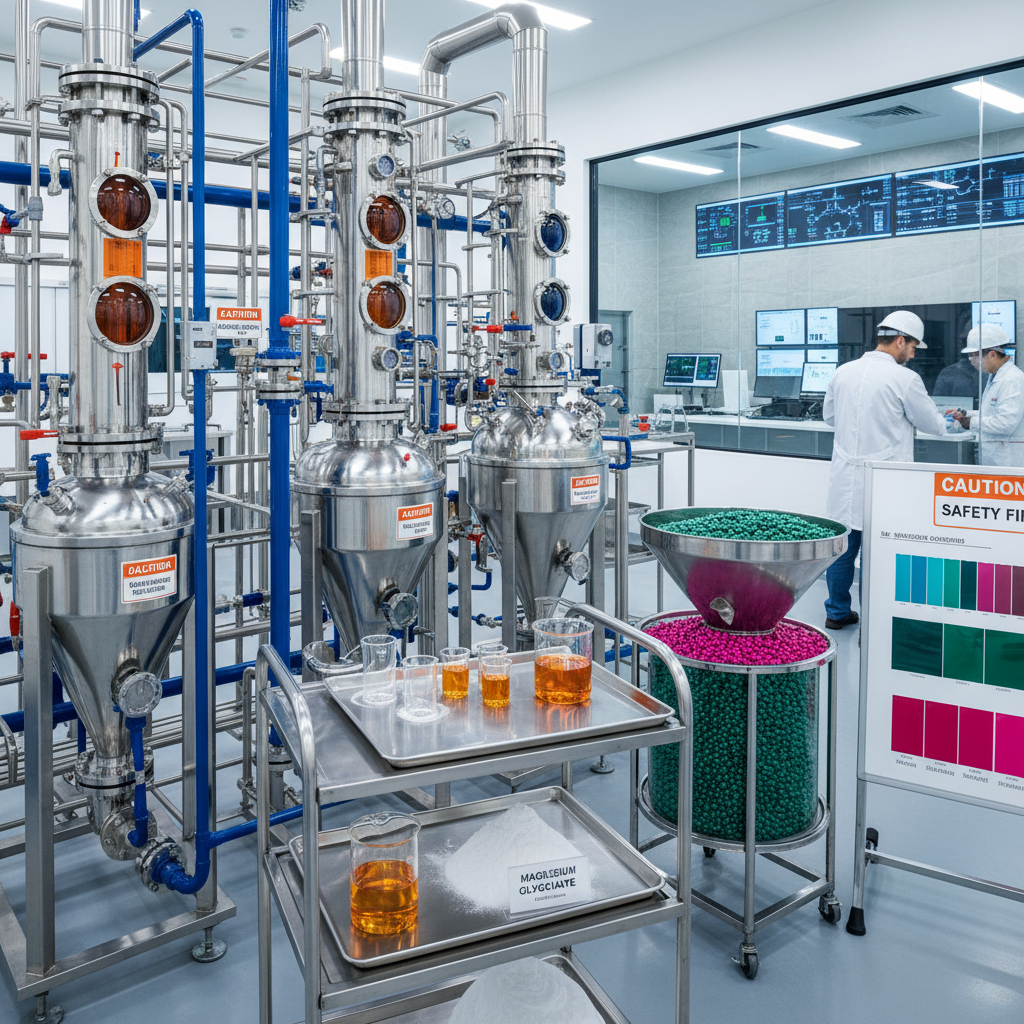
When you’re on the factory floor, testing for thermal stability isn’t just theoretical nitpicking. It impacts the choice between silica packaging or nitrogen-flushed bags, storage temperature, and even how long the product can sit before it loses functionality. Oddly enough, while many engineers swear by standard shelf life tests, it’s the accelerated heat aging tests that reveal the true story.
Here’s a rough look at typical specs you might want to check — this table shows the specs I saw from a typical industrial-grade l carnitine product used in high-throughput supplement production lines:
| Parameter | Typical Value | Unit |
|---|---|---|
| Purity (HPLC) | ≥ 98.5 | % |
| Loss on Drying | ≤ 0.5 | % |
| Heavy Metals (Pb as Pb) | ≤ 10 | mg/kg |
| Thermal Stability (at 70°C, 48h) | ≥ 95 | % |
| Appearance | White Crystalline Powder |
Vendor Comparison: Finding the Right Partner for Your L Carnitine Needs
Over the years, I’ve seen a handful of suppliers trying to corner the market on this— with widely varying results. You know the ones: low price but questionable specs; high price with solid documentation; or the sneaky middle ground where you’re not exactly sure what you’re paying for.
The table below sums up some of the features you typically compare when sourcing industrial-grade l carnitine heat for bulk production. Spoiler: certifications and after-sales support matter way more than most procurement teams give them credit for.
| Supplier | Purity (%) | Thermal Stability (%) | Certifications | MOQ (kg) | Lead Time |
|---|---|---|---|---|---|
| Fuyang Bio | ≥ 98.5 | ≥ 95 (70°C/48h) | GMP, ISO9001 | 100 | 2 weeks |
| Supplier B | ≥ 97.8 | ≥ 90 (70°C/48h) | ISO9001 | 500 | 3-4 weeks |
| Supplier C | ≥ 99.0 | ≥ 92 (65°C/72h) | GMP | 250 | 3 weeks |
It’s worth noting that one of my clients recently switched to Fuyang Bio after a persistent headache with Supplier B’s stability inconsistencies. Result? A noticeable drop in wastage and tighter control over final product efficacy. Small win, maybe — but for process engineers, it’s a big deal.
In terms of usage, the thermal aspect has influenced how some customers even design their blending lines — going slower or mixing under cooled conditions. The industry might move towards mobile temperature monitoring, or smarter logistics to keep the potency intact from raw storage all the way to formulation.
To wrap up: l carnitine heat isn’t just another product name on a spec sheet. It’s the backbone of quality in many industrial supplement formulations — a reminder that a little heat can sometimes make or break months of work. For anyone serious about stable, high-grade l carnitine supply, the devil’s in the details (and the degrees).
References & reflections:
- Internal product testing reports from various l carnitine suppliers, 2023.
- Discussions with packaging engineers about temperature control in powder supplements.
- Case study feedback from supplement manufacturers switching raw material vendors.