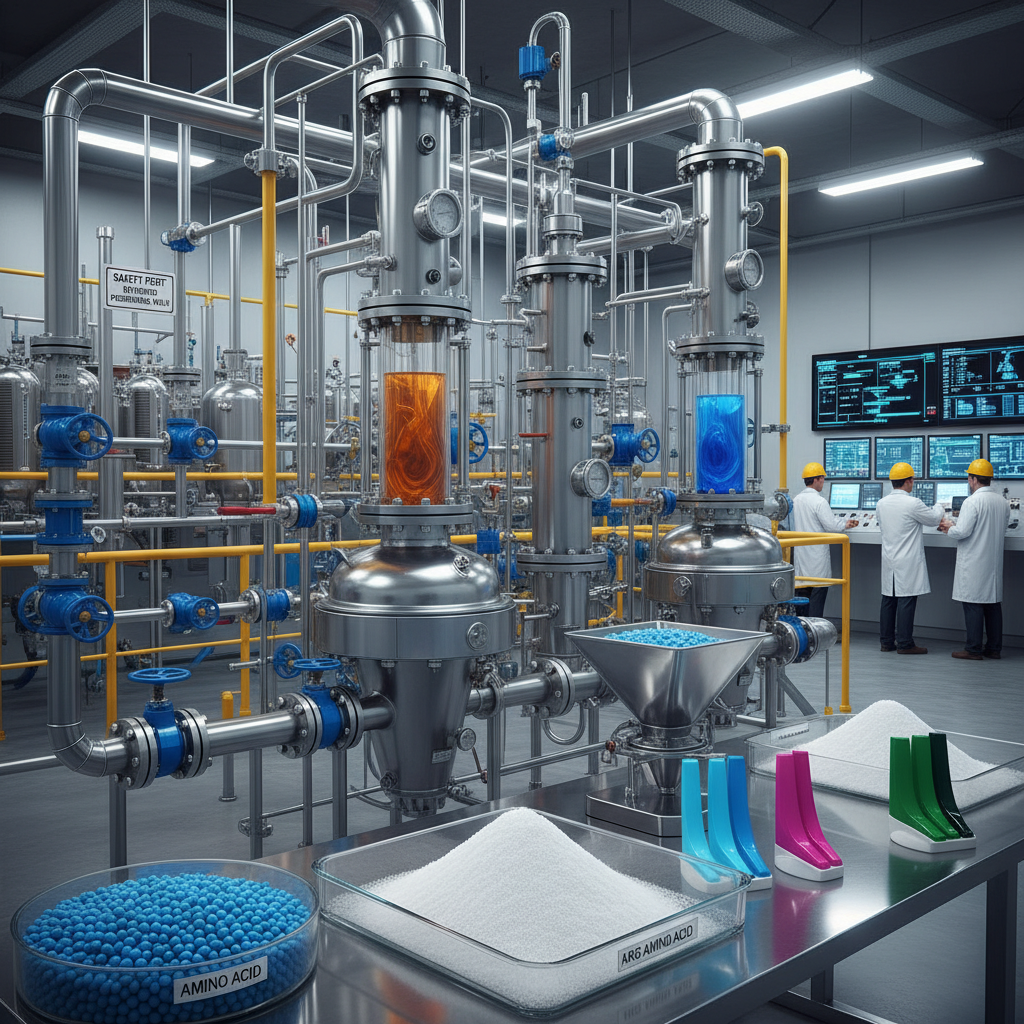
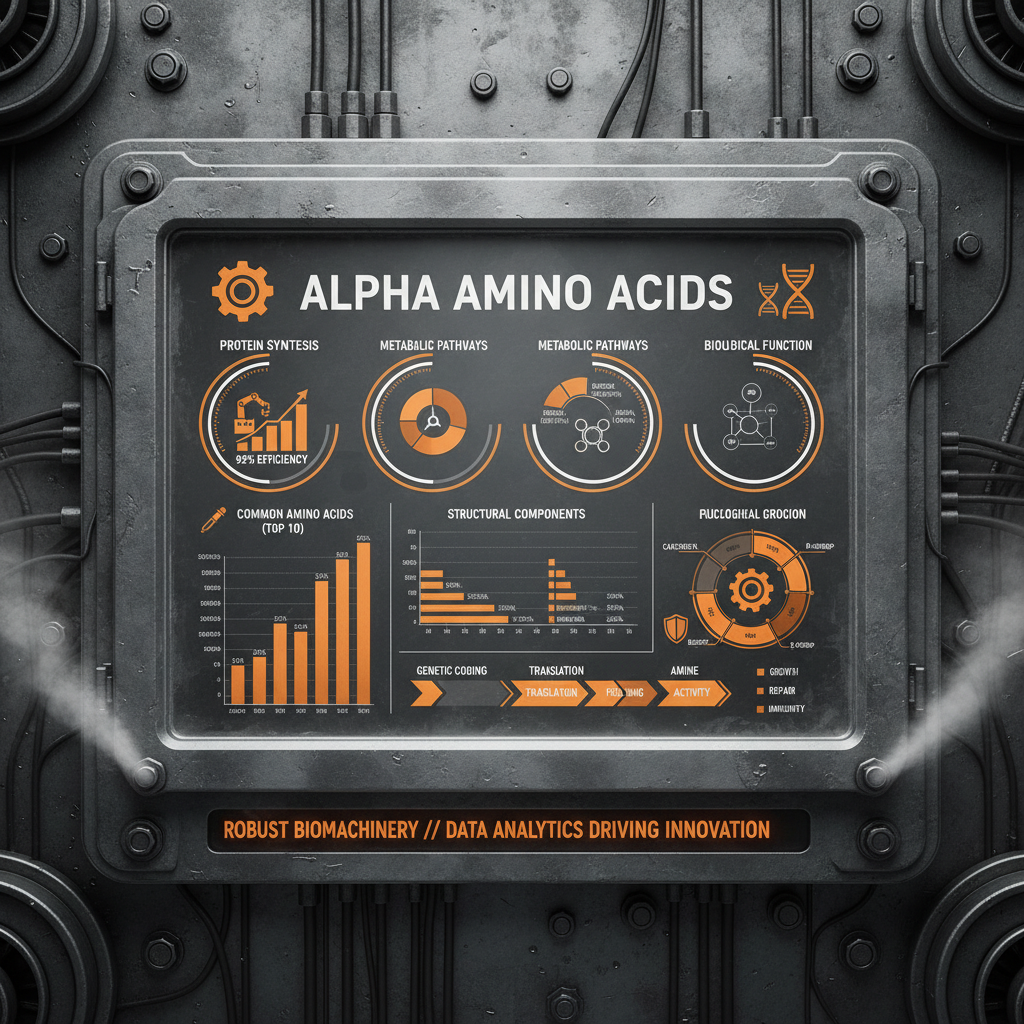
Understanding the fundamental building blocks of life is essential for advancing sports nutrition and pharmaceutical science. In the context of human health, the definition of amino acids in nutrition refers to the organic compounds that serve as the precursors to proteins, playing a critical role in everything from muscle synthesis to metabolic regulation. By grasping how these molecules function, industry professionals can develop more effective supplements that target specific physiological needs.
The global demand for specialized nutritional additives has surged as the population shifts toward proactive health management and high-performance athletics. This evolution in dietary science has led to a deeper exploration of amino acid derivatives, such as Creatine Monohydrate, which extend the basic utility of protein synthesis into the realm of rapid energy production. Addressing the gap between basic dietary intake and optimal performance requires a precise understanding of these chemical structures.
For those seeking a technical definition of amino acids in nutrition, it is clear that these substances are not merely food components but are active biochemical tools. When formulated correctly, as seen in pharmaceutical-grade Creatine Monohydrate (CAS No. 6020-87-7), they can significantly enhance ATP synthesis, support cardiovascular health, and accelerate muscle recovery in both athletes and clinical patients.
Understanding Creatine Monohydrate as a Nutritional Derivative
Creatine Monohydrate, with the chemical formula C4H11N3O3·H2O, is a specialized derivative of amino acids naturally found in the human body and sourced from diets containing meat and fish. Appearing as a white crystalline powder that is tasteless and slightly soluble in water, it serves as a cornerstone in the sports nutrition industry due to its ability to be synthesized into phosphocreatine within muscle tissues.
From a commercial perspective, this compound is highly valued for its purity and stability. By providing a concentrated source of this amino acid derivative, manufacturers enable users to reach saturation levels in the muscles more efficiently than through whole foods alone, thereby optimizing the physiological environment for strength and power.
The Biochemical Mechanism of ATP Energy Supply
The primary function of Creatine Monohydrate lies in its role as an energy reserve. Once ingested, it converts into phosphocreatine in the muscles, which promotes the rapid synthesis of adenosine triphosphate (ATP). This process is vital for high-intensity, short-duration explosive activities where immediate energy is required to sustain muscle contraction.
Beyond immediate energy, the mechanism involves regulating the water content within muscle cells. By increasing intracellular hydration, Creatine Monohydrate increases muscle volume and elasticity. This cellular swelling is not merely aesthetic; it creates an anabolic environment that indirectly improves overall strength and muscle resilience.
This dual-action mechanism—rapid ATP regeneration and osmotic regulation—distinguishes this derivative from standard proteins. It allows athletes to delay the onset of fatigue and maintain a higher power output during strenuous workouts, making it an indispensable tool for breaking through performance plateaus.
Core Benefits for Athletic Performance and Recovery
The application of this compound leads to significant boosts in short-term explosive power and speed endurance. By augmenting the energy available to the myocardium and skeletal muscles, it enhances myocardial contractility and improves overall cardiovascular function during peak exertion.
When considering the broader definition of amino acids in nutrition, the ability to reduce lactic acid buildup is a standout benefit. This reduction alleviates muscle soreness after prolonged physical activity and helps restore blood sugar levels, which mitigates the daily fatigue experienced by both athletes and the general population.
Furthermore, the recovery phase is accelerated through the promotion of muscle glycogen restoration. By reducing the risk of post-exercise injury and muscle fatigue, Creatine Monohydrate ensures that the body returns to a state of homeostasis more quickly, allowing for more frequent and intense training sessions.
Dosage Protocols and Synergistic Combinations
To maximize the efficacy of Creatine Monohydrate, a two-phase approach is typically recommended. The loading phase involves taking 5g four to six times daily for the first 5-7 days, preferably with fruit juice to enhance absorption. This is followed by a maintenance phase of 5g one to three times daily, optimally consumed before or after workouts.
For enhanced results, pairing this supplement with zinc and magnesium is highly effective, as these minerals work synergistically to improve protein synthesis and overall muscle power. This combined approach ensures that the metabolic pathways for both energy and structural growth are fully supported.
Effectiveness Rating of Creatine Monohydrate Application
Clinical Applications in Pharmaceuticals and Healthcare
While primarily known for sports, Creatine Monohydrate has a critical role in the pharmaceutical field, specifically targeting neuromuscular diseases. It is used as an auxiliary treatment for muscular dystrophy and other conditions involving muscle attenuation to help improve overall strength and function.
Additionally, it is utilized in the management of sarcopenia (age-related muscle loss). Under professional guidance, supplementing with this derivative helps elderly populations maintain muscle mass, which is essential for maintaining independence and improving quality of life.
Scientific Research and Cellular Energy Exploration
In the field of biochemical research, Creatine Monohydrate serves as a primary experimental reagent. Scientists utilize it to explore the intricate mechanisms of cellular energy supply and the specifics of muscle energy metabolism.
Research directions often focus on exercise physiology, investigating how the synthesis of ATP at the cellular level can be optimized to prevent fatigue. These studies provide the evidentiary basis for the commercial dosages and combinations used in the fitness industry today.
Furthermore, emerging research explores the neuroprotective properties of this compound, investigating its potential to delay the progression of neurodegenerative diseases such as Parkinson’s and Alzheimer’s by supporting brain energy metabolism.
Technical Specifications and Industrial Packaging
From a manufacturing standpoint, Creatine Monohydrate is produced with strict adherence to particle size and density requirements to suit various end-product forms, including powders, tablets, and capsules. We offer customizable mesh sizes including 80, 200, 360, and 500 mesh to ensure optimal solubility and mixing.
Density is also adjustable per client requirements, ensuring that the final product meets the specific volumetric needs of the packaging machinery used by the customer. This technical flexibility allows for seamless integration into compound protein powders or standalone supplements.
To ensure product stability and prevent degradation, strict storage guidelines are followed: the product must be kept sealed in a cool, dry place away from light. We provide several packaging options to accommodate different scales of production, ranging from 25kg cartons and bags to 500kg ton bags.
Technical Specifications and Logistical Standards of Creatine Monohydrate
| Specification Item |
Available Options |
Standard Requirement |
Industrial Application |
| Particle Size |
80, 200, 360, 500 Mesh |
Customizable |
Solubility Optimization |
| Density |
Adjustable |
Client-Specified |
Filling Precision |
| Packaging A |
25kg / Carton |
Sealed |
Retail Manufacturing |
| Packaging B |
25kg / Bag |
Moisture-proof |
Bulk Ingredient Supply |
| Packaging C |
500kg / Ton Bag |
Industrial Grade |
Large Scale Production |
| Storage |
Cool, Dry, Dark |
Light-protected |
Shelf-life Preservation |
FAQS
While standard amino acids are the building blocks of proteins, Creatine Monohydrate is a derivative that focuses specifically on energy metabolism. It helps in the rapid regeneration of ATP, providing an immediate energy source for high-intensity activities, whereas most amino acids are used for tissue repair and structural growth.
Individuals with pre-existing kidney dysfunction should consult a physician before use. While safe for the general population, professional medical guidance is necessary to ensure that supplementation does not put undue stress on renal function.
For optimal absorption, particularly during the loading phase, it is recommended to take the powder with fruit juice. The insulin response triggered by the sugars in the juice helps transport the creatine into the muscle cells more effectively.
For the general population, it supports metabolic regulation, helps lower cholesterol and blood sugar levels, and alleviates fatigue from daily activities. It can also be used under medical supervision to treat sarcopenia in the elderly.
It is advised to avoid long-term excessive intake (staying ≤20g/day). Overuse does not necessarily lead to better results and can lead to unnecessary strain. Maintaining adequate hydration is critical when supplementing.
Depending on the desired texture and solubility, 200 mesh or 360 mesh is typically preferred for compound protein powders to ensure a smooth consistency without grittiness. We provide customizable sizes to match your specific formulation needs.
Conclusion
Creatine Monohydrate stands as a powerful application of the broader definition of amino acids in nutrition, bridging the gap between basic dietary needs and high-performance physiological demands. By optimizing ATP synthesis and supporting cellular hydration, it provides tangible benefits for professional athletes, clinical patients with muscle loss, and health-conscious individuals. Its versatility—from its role in explosive strength to its potential in neuroprotection—makes it a cornerstone of modern nutritional science.
As the industry moves toward more personalized nutrition and precision medicine, the importance of high-purity, customizable amino acid derivatives will only grow. We encourage manufacturers and researchers to prioritize pharmaceutical-grade specifications to ensure safety and efficacy. For more information on our high-quality Creatine Monohydrate and other amino acid solutions, visit our website: www.hbfuyangbio.com.