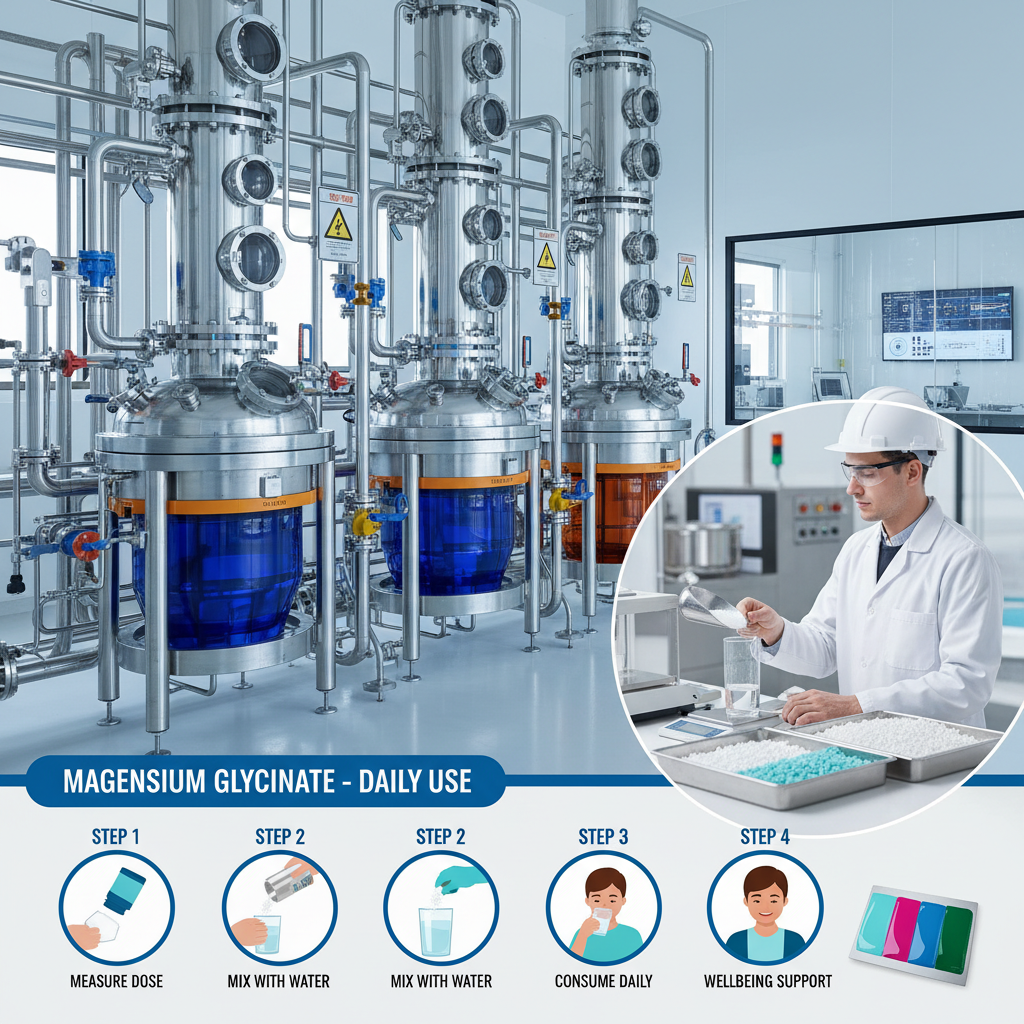
Zinc Glycinate Chelate: What Makes It Stand Out in Industrial Use?
Having spent over a decade working close to mineral supplements like zinc glycinate chelate, I can honestly say it’s one of those products that quietly yet reliably delivers. If you’re in the industrial equipment or nutrition space, you probably know zinc is everywhere — from coatings to supplements to fertilizer additives. But zinc glycinate chelate is interesting because it offers something a bit different from raw zinc salts or oxides.
Why Zinc Glycinate Chelate Matters: The Science Behind the Supplement
To put it bluntly, zinc glycinate chelate is a mineral bound — or “chelated” — to the amino acid glycine. This bond isn’t just chemistry for chemistry’s sake; it dramatically improves the mineral’s bioavailability, which means organisms absorb and use it much more efficiently compared to less advanced forms like zinc sulfate or oxide.
Many industrial formulators swear by it for that very reason. If you’ve ever fiddled with animal feed supplements or trace mineral premixes, you’ll know that minimizing mineral antagonism and maximizing uptake keeps formulations performing well. For zinc, this form seems to do the job with fewer digestive side effects and less environmental runoff — which, frankly, is a welcome bonus.
Zinc Glycinate Chelate Product Specification Table
| Specification | Typical Value | Test Method |
|---|---|---|
| Zinc Content (as Zn) | 14.0% - 16.0% | ICP-OES |
| Chelation Rate | ≥ 90% | UV-Vis Spectrophotometry |
| Appearance | White to off-white powder | Visual |
| Solubility | Slightly soluble in water | Qualitative |
| pH (1% aq. solution) | 4.5 - 6.0 | pH Meter |
Choosing the Right Zinc Supplier: What to Look For in 2024
Now, while the product itself might be consistently high quality across the board, your supplier makes all the difference. Over the years, I’ve seen how vendor reliability, batch-to-batch consistency, and even packaging choices can affect your project timelines and cost-effectiveness.
Below I compiled a quick comparison of three typical suppliers in the Asian and European markets — because honestly, that’s where a lot of these minerals come from. Pay attention to their certifications and support; sometimes it’s not about the lowest price but the peace of mind.
| Supplier | Zinc Purity (%) | Certifications | MOQ (tons) | Typical Lead Time |
|---|---|---|---|---|
| HBFuyang Bio (China) | 15 ± 1% | ISO, GMP, HACCP | 1 ton | 2-3 weeks |
| EuroChelat (Europe) | 14.5 ± 0.5% | ISO, FSSC 22000 | 0.5 ton | 3-4 weeks |
| NutriZinc Suppliers (USA) | 15 - 16% | FDA, GMP | 2 tons | 1-2 weeks |
When a longtime client of mine needed a steady run of zinc glycinate chelate for livestock feed, we ended up going with a relatively new supplier — HBFuyang Bio. Their responsiveness and certification portfolio gave a real edge over some older vendors, and the product held up well through in-house testing. It was a small win but felt pretty good when supply chain hiccups were the norm elsewhere.
Final Thoughts on Zinc Glycinate Chelate in Industry
In real terms, the difference zinc glycinate chelate makes is subtle but meaningful. Higher bioavailability, better stability, and fewer side effects create a ripple effect in industrial formulations — meaning your end product performs as promised, whether it’s for animal nutrition or other tailored applications.
Plus, working with a reliable partner always helps — and I’ve found that in vendors who understand the nuance, not just the price tag. If you’re curious, check out the options at this site. It’s odd how these mineral chelates, relatively simple molecules, can still surprise you.
1. Internal lab analyses during supplier trials
2. Industry reports on chelated minerals absorption (2022–2023)
3. Conversations with feed formulators in the Asia and EU markets