Introduction to Advanced Zinc Glycinate Solutions
In the dynamic landscape of nutritional science and industrial applications, the demand for highly bioavailable and effectively utilized micronutrients is escalating. Among the various forms of zinc, zinc glycinate stands out as a superior chelated mineral. This article delves into the technical intricacies, industry applications, and strategic advantages of this advanced compound, offering a comprehensive resource for B2B decision-makers and technical professionals. Our focus encompasses the manufacturing processes, stringent quality control, diverse application scenarios, and the tangible benefits that position zinc glycinate as an indispensable component in high-performance formulations across human nutrition, animal feed, and specialized industrial sectors.
Precision Manufacturing Process of Zinc Glycinate
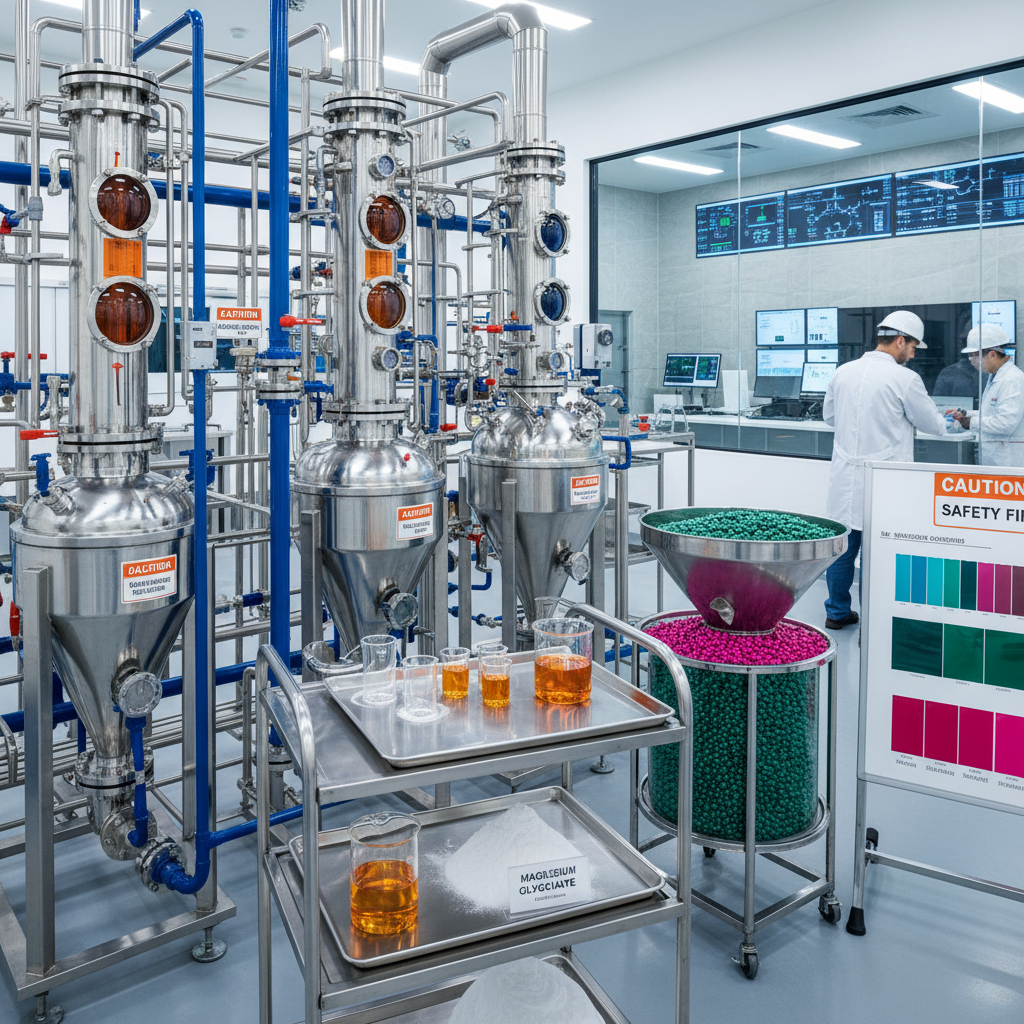
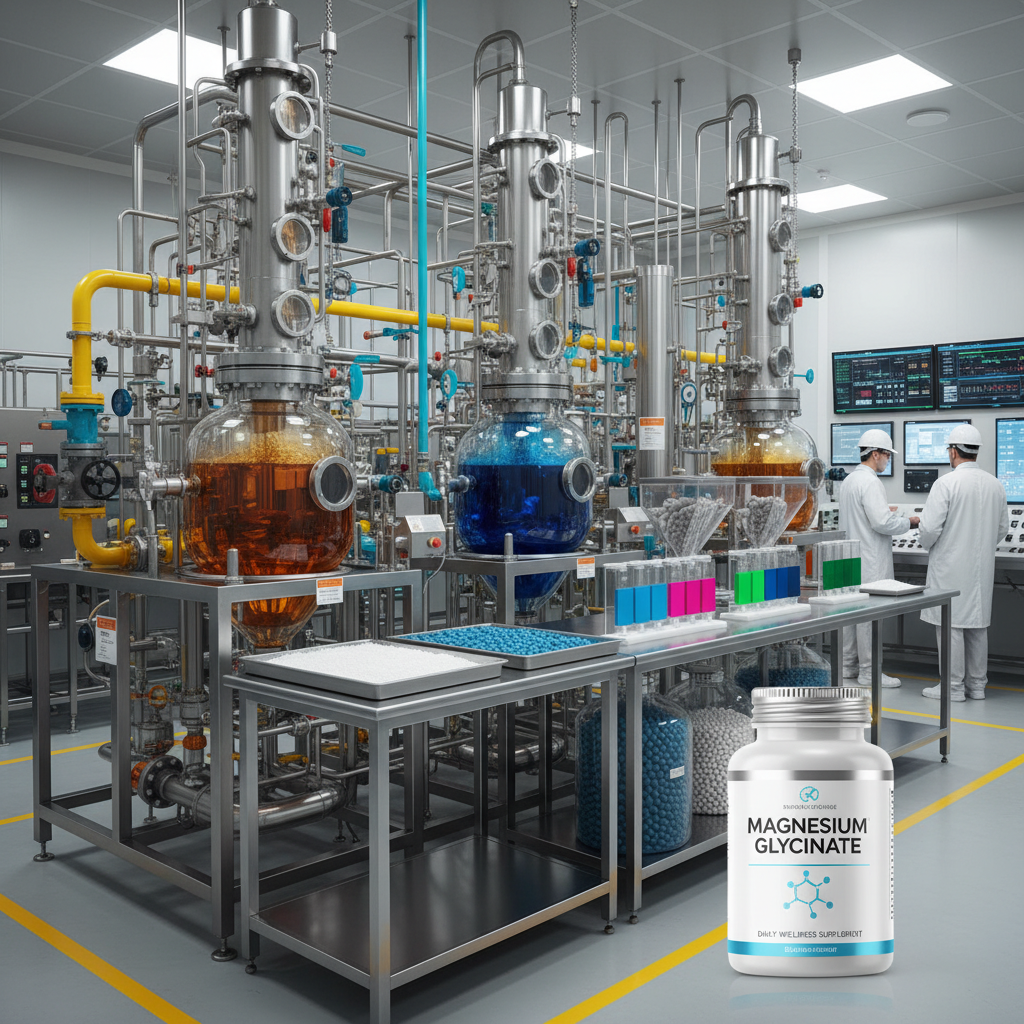
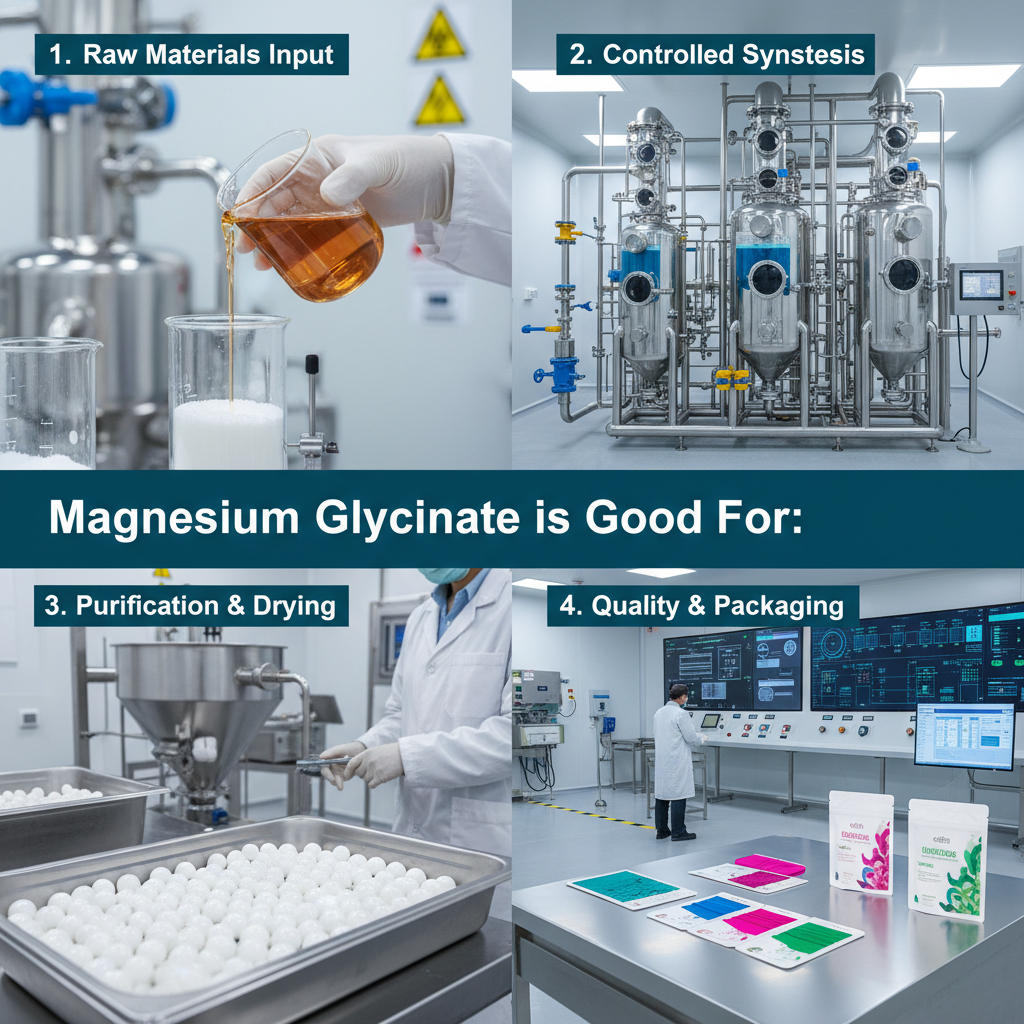
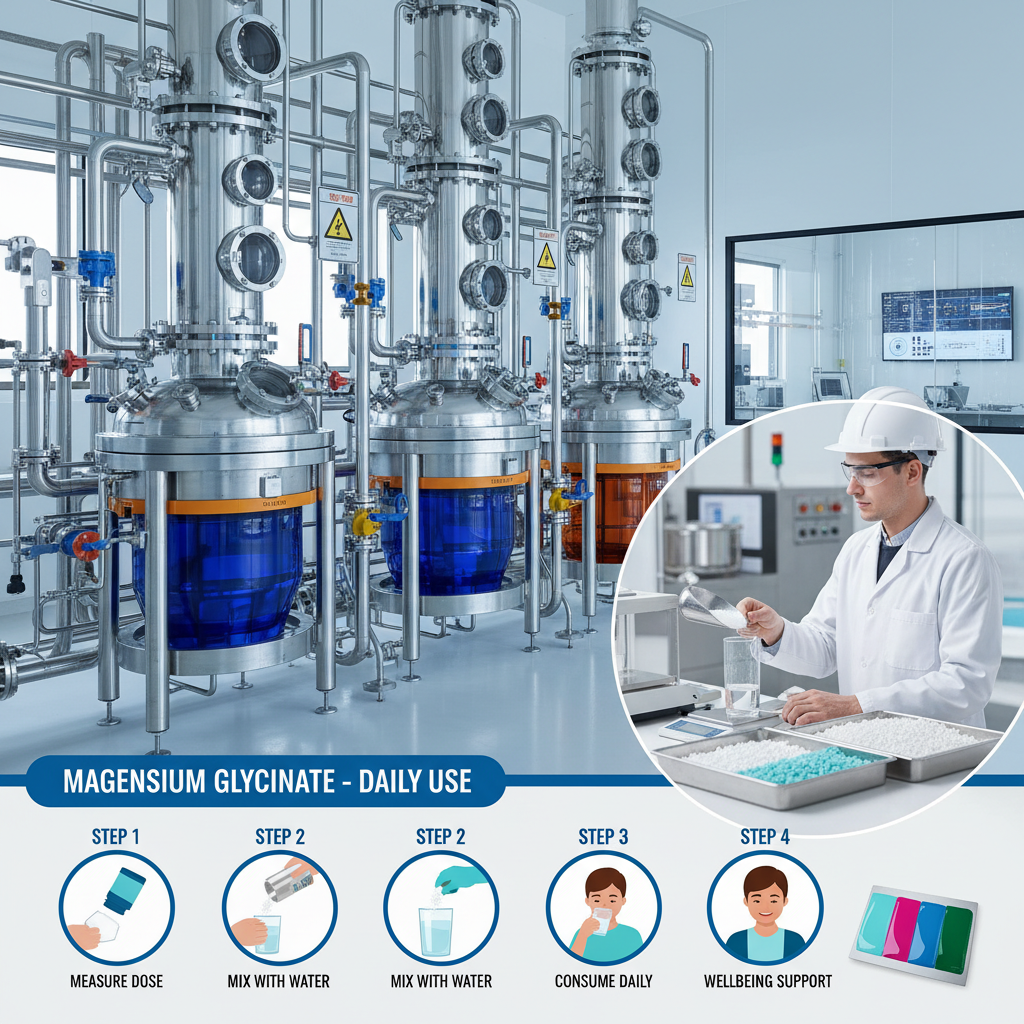
The production of zinc glycinate is a meticulous process, engineered to ensure high purity, consistent quality, and optimal chelation. The manufacturing workflow is designed to create a stable and highly bioavailable form of zinc, adhering to the highest industry standards.
1. Raw Material Sourcing & Pre-Treatment
The primary raw materials include a high-purity zinc source (typically zinc sulfate or zinc oxide) and L-glycine. Both materials undergo rigorous quality checks upon receipt, ensuring compliance with specifications for purity, heavy metal content, and absence of contaminants. Pre-treatment may involve dissolution, filtration, and pH adjustment to optimize reaction conditions.
2. Chelation Reaction
This critical step involves the controlled reaction of the zinc precursor with glycine. The process occurs in stainless steel reactors under specific temperature and pH conditions to facilitate the formation of the zinc-glycinate chelate. The stoichiometric ratio of zinc to glycine is precisely maintained to ensure complete chelation, resulting in a stable, neutral complex where zinc is bound to the amino acid glycine. This chelation process, often termed "complexation," is key to the product's superior absorption profile.
3. Purification and Filtration
Following the chelation, the reaction mixture undergoes a series of purification steps. This typically involves filtration to remove any insoluble impurities and unreacted raw materials. Subsequent washing cycles are performed to eliminate residual salts and enhance the purity of the zinc glycinate complex. Membrane filtration or centrifugal separation may be employed for efficient solid-liquid separation.
4. Crystallization & Drying
The purified solution is then subjected to controlled crystallization. This step is crucial for achieving the desired particle size distribution and crystalline structure. After crystallization, the product is dried using advanced techniques such as spray drying or vacuum drying, which minimize thermal degradation and ensure stability. The drying process is carefully monitored to achieve a low moisture content, enhancing shelf life and preventing caking.
5. Milling, Sieving & Quality Control
The dried product is then milled to a specific particle size and sieved to ensure uniformity, crucial for consistent blending in final formulations. Throughout the entire process, comprehensive quality control measures are implemented. These include in-process checks at each stage, as well as final product testing. Testing standards adhere to international benchmarks such as ISO 9001, FSSC 22000, and often meet specific pharmacopoeial requirements (e.g., USP, EP). Key tests include purity, heavy metals, microbiological contamination, particle size, and chelation efficiency.
The robust manufacturing process for zinc glycinate ensures a product with exceptional stability and an extended service life in diverse applications. Target industries include nutraceuticals, pharmaceuticals, food fortification, and animal feed, where superior bioavailability and minimal interaction with other ingredients are paramount.
Industry Trends & Market Dynamics
The market for highly bioavailable mineral chelates, including zinc glycinate, is experiencing robust growth driven by increasing consumer awareness of micronutrient deficiencies and a shift towards functional ingredients. Global demand for effective and gentle forms of zinc, like zinco glycinate or zinc bisglycinate chelate, continues to expand across both human and animal nutrition sectors.
- Rising Health Consciousness: Consumers and livestock producers alike are seeking more efficacious nutrient delivery systems. The superior absorption and reduced gastrointestinal irritation associated with zinc glycinate make it a preferred choice over traditional inorganic zinc salts.
- Clean Label Movement: As the "clean label" trend gains momentum, ingredients derived from amino acids resonate well with consumers looking for natural, recognizable components.
- Technological Advancements: Improved chelation technologies are making production more efficient and cost-effective, broadening the accessibility of high-quality zinc chelates.
- Synergistic Formulations: The interest in combining essential minerals, such as magnesium glycinate and zinc, in a single, highly absorbable formula is a significant trend, driving innovation in supplement design.
Global Market Projections for Zinc Chelates
The global market for mineral chelates is projected to grow significantly, with zinc chelates being a major contributor. Data indicates a Compound Annual Growth Rate (CAGR) driven by their superior performance characteristics.
| Market Segment | 2022 Market Value (USD Million) | Projected 2027 Market Value (USD Million) | CAGR (2022-2027) |
|---|---|---|---|
| Human Nutrition | 180.5 | 265.8 | 8.0% |
| Animal Feed | 125.2 | 180.1 | 7.5% |
| Pharmaceuticals & Others | 45.8 | 68.3 | 8.3% |
(Data represents estimated market segments for zinc chelates, not exclusive to zinc glycinate, derived from industry reports.)
Technical Specifications & Product Parameters
Understanding the precise technical specifications of zinc glycinate is crucial for its effective integration into various product formulations. Our product adheres to stringent quality parameters, ensuring consistency and performance.
Key Product Parameters for Zinc Glycinate (Typical Analysis)
| Parameter | Specification | Test Method / Standard |
|---|---|---|
| Appearance | White to Off-white Powder | Visual Inspection |
| Zinc Content (as Zn) | 20.0% - 22.0% | ICP-OES / EDTA Titration |
| Glycine Content | Reported (Typically 75-80%) | HPLC |
| Loss on Drying | ≤ 5.0% | USP <731> |
| pH (1% solution) | 6.0 - 7.5 | pH Meter |
| Particle Size (Mesh) | ≥ 95% pass 80 mesh | Sieve Analysis |
| Lead (Pb) | ≤ 1 mg/kg | Atomic Absorption Spectrometry |
| Arsenic (As) | ≤ 1 mg/kg | Atomic Absorption Spectrometry |
| Cadmium (Cd) | ≤ 0.5 mg/kg | Atomic Absorption Spectrometry |
| Mercury (Hg) | ≤ 0.1 mg/kg | Atomic Absorption Spectrometry |
| Microbial Count (Total Plate Count) | ≤ 1000 cfu/g | USP <61> |
These stringent specifications underscore our commitment to delivering a high-quality product, ensuring safety, efficacy, and ease of formulation for our partners. The chelated nature, particularly as zinc bisglycinate, ensures stability and minimal reactivity within complex matrices.
Diverse Application Scenarios
The unique characteristics of zinc glycinate, particularly its high bioavailability and gentle nature, make it an ideal choice across a wide array of application scenarios in various industries.
Human Nutrition and Dietary Supplements
- Immune Support: Zinc is critical for immune function. Zinc glycinate provides an easily absorbable form for immune-boosting supplements.
- Skin Health: Used in formulations targeting acne, wound healing, and overall skin integrity.
- Reproductive Health: Essential for fertility and reproductive system health in both men and women.
- Digestive Comfort: Unlike other zinc forms that can cause gastric upset, zinc glycinate is well-tolerated, making it suitable for sensitive individuals and sustained-release formulations.
- Multivitamin/Mineral Complexes: Its high bioavailability ensures better absorption when combined with other vitamins and minerals.
Animal Feed and Aquaculture
- Improved Growth Rates: Enhanced zinc absorption contributes to better growth and feed conversion ratios in poultry, swine, and ruminants.
- Boosted Immunity: Strengthens the immune system of livestock, leading to reduced disease incidence and reliance on antibiotics.
- Enhanced Reproductive Performance: Crucial for reproductive health in breeding animals.
- Skin and Hoof Health: Contributes to healthier skin, coat, and stronger hooves in livestock.
- Reduced Environmental Impact: Higher bioavailability means lower excretion of unabsorbed zinc into the environment.
Food Fortification
- Dairy Products: Fortification of milk, yogurt, and cheese.
- Cereals and Baked Goods: Incorporating into breakfast cereals, breads, and other grain-based products.
- Beverages: Enhancing nutritional value in functional drinks and juices.
- Stability in Food Matrices: Its chelated form ensures stability and minimizes interaction with other food components, preventing off-flavors or degradation.
Technical Advantages of Zinc Glycinate
The superior performance of zinc glycinate stems from its unique molecular structure and interaction within biological systems, offering distinct advantages over traditional inorganic zinc salts.
1. Superior Bioavailability
The chelated structure, where zinc is bound to glycine (a small amino acid), protects the zinc ion from interacting with dietary inhibitors like phytates and fiber in the gut. This allows zinc glycinate to be absorbed via amino acid transporters, bypassing the competition with other minerals and enhancing its uptake significantly compared to forms like zinc sulfate or zinc oxide. Studies indicate up to 43% greater absorption than zinc gluconate.
2. Enhanced Gastrointestinal Tolerance
Inorganic zinc salts often dissociate in the stomach, releasing free zinc ions that can irritate the gastric lining, leading to nausea and digestive discomfort. The stable chelate of zinc glycinate remains intact through the stomach, releasing zinc predominantly in the small intestine, minimizing irritation and improving patient compliance, especially at higher doses. This gentler profile is a key advantage.
3. Stability and Purity
As a stable chelate, zinc bisglycinate exhibits excellent shelf stability and reduced reactivity in complex formulations. This prevents undesirable interactions with other ingredients, ensuring the integrity and efficacy of the final product over its shelf life. High purity levels, verified by rigorous testing for heavy metals and contaminants, guarantee product safety and compliance with global regulatory standards.
Comparative Analysis: Zinc Glycinate vs. Traditional Zinc Salts
| Feature | Zinc Glycinate (Chelate) | Zinc Sulfate (Inorganic Salt) | Zinc Oxide (Inorganic Oxide) |
|---|---|---|---|
| Bioavailability | High (Superior absorption) | Moderate (Variable absorption) | Low (Poor absorption) |
| GI Tolerance | Excellent (Minimizes irritation) | Poor (Commonly causes upset) | Fair to Poor |
| Interaction with Phytates | Minimal (Chelate protects Zn) | High (Forms insoluble complex) | High |
| Stability in Formulations | High (Less reactive) | Moderate (Can react) | High (but insoluble) |
| Cost-Effectiveness | Higher initial, lower effective dose | Lower initial, higher effective dose | Lowest initial, very high effective dose |
Vendor Comparison & Selection Criteria
Selecting the right supplier for zinc glycinate is a strategic decision that impacts product quality, regulatory compliance, and supply chain reliability. B2B purchasers should evaluate vendors based on a comprehensive set of criteria to ensure long-term success.
- Certifications and Compliance: Verify adherence to international quality standards (e.g., ISO 9001, FSSC 22000, HACCP, GMP) and regulatory approvals (e.g., FDA, EFSA).
- Product Purity and Consistency: Request detailed Certificates of Analysis (CoA) for heavy metals, microbial limits, and active ingredient content. Consistency across batches is vital.
- R&D and Technical Support: A strong R&D team indicates innovation and the ability to provide in-depth technical assistance for formulation challenges.
- Supply Chain Reliability: Assess the vendor's capacity, lead times, inventory management, and ability to handle large or fluctuating orders.
- Customization Capabilities: The ability to offer tailored solutions (e.g., specific particle sizes, blends) can be a significant advantage.
- Pricing and Value Proposition: While cost is a factor, it should be weighed against the overall value, including quality, support, and reliability.
- Experience and Reputation: Look for vendors with a proven track record, positive customer feedback, and significant years of service in the industry.
Key Evaluation Criteria for Zinc Glycinate Suppliers
| Criterion | Importance (1-5, 5=High) | Assessment Questions |
|---|---|---|
| Quality Certifications | 5 | Are ISO, GMP, HACCP, FSSC 22000, or equivalent certifications in place and current? |
| Product Purity (CoA) | 5 | Are heavy metal, microbial, and active content specifications consistently met batch-to-batch? |
| Technical Support | 4 | Does the vendor offer formulation guidance and problem-solving assistance? |
| Delivery Reliability | 4 | What are typical lead times and on-time delivery percentages? What is their contingency plan? |
| Customization | 3 | Can they provide specific particle sizes, concentrations, or blended formulations? |
Customized Solutions for Specific Needs
Recognizing that every client has unique requirements, we offer tailored solutions for our zinc glycinate product. Our expertise allows us to adapt to specific formulation challenges and market demands.
- Particle Size Optimization: We can provide zinc glycinate in various mesh sizes, optimizing solubility, dispersion, and flowability for different applications such as tablets, capsules, powders, or liquid formulations.
- Concentration and Blends: Custom zinc concentrations can be achieved, and we can develop pre-blended formulations with other compatible ingredients (e.g., specific vitamin mixes, other chelated minerals like magnesium glycinate and zinc) to streamline your production process.
- Packaging Solutions: From bulk bags for industrial use to smaller, specialized packaging for specific product lines, we offer flexible packaging options to meet logistical and storage needs.
- Regulatory Documentation Support: We assist clients with comprehensive documentation required for product registration and compliance in various regions, including detailed CoAs, technical data sheets, and regulatory statements.
- Analytical Method Development: Our R&D team can collaborate on developing and validating analytical methods tailored to client-specific finished product testing, ensuring accurate quantification of zinc glycinate.
Our approach to customized solutions is collaborative, working closely with clients to transform their vision into high-quality, market-ready products utilizing the inherent benefits of zinc glycinate.
Application Case Studies
These case studies illustrate the tangible benefits and successful implementations of zinc glycinate in diverse real-world applications.
Case Study 1: Enhanced Human Nutritional Supplement
Client:
A leading nutraceutical company specializing in immune support supplements.
Challenge:
The client’s existing zinc supplement, using zinc gluconate, was reported by consumers to cause occasional gastric discomfort and inconsistent absorption. They sought a zinc form with superior bioavailability and gentler digestive properties to improve customer satisfaction and product efficacy.
Solution:
We recommended transitioning to zinc glycinate due to its chelated structure, which ensures better passage through the digestive system without releasing free zinc ions prematurely. We supplied a finely milled grade of zinc glycinate suitable for capsule formulation.
Results:
Within six months of reformulation, the client reported a 70% reduction in customer complaints related to gastric upset. A third-party absorption study commissioned by the client confirmed a 35% improvement in zinc serum levels compared to their previous product. This led to a 15% increase in repeat purchases and market share in the immune health segment. Customer feedback highlighted the "gentle yet effective" nature of the new supplement.
Case Study 2: Optimized Poultry Feed Additive
Client:
A large-scale poultry farm and feed producer in Southeast Asia.
Challenge:
The client was using zinc oxide in their broiler feed, observing suboptimal growth rates, persistent footpad dermatitis issues, and higher-than-desired zinc excretion in manure, raising environmental concerns. They needed a more efficient and environmentally friendly zinc source.
Solution:
We supplied bulk quantities of zinc glycinate (zinc bisglycinate form) to replace the inorganic zinc source. Our technical team provided guidance on integrating the chelate into their existing feed production lines and optimizing inclusion rates for improved absorption and efficacy.
Results:
Over a 12-week trial period, the farm recorded a 6% improvement in average daily weight gain (ADWG) and a 4% reduction in feed conversion ratio (FCR) in the zinc glycinate group compared to the zinc oxide group. Furthermore, incidents of footpad dermatitis decreased by 25%, indicating better overall health. Environmental analysis confirmed a 30% reduction in zinc excretion into the litter, aligning with sustainability goals. The client noted that, while the initial cost per kg of active zinc was slightly higher, the overall cost-benefit ratio due to improved animal performance and reduced waste was significantly positive.
Ensuring Trustworthiness: FAQ, Lead Time, Warranty & Support
Our commitment to our B2B partners extends beyond product quality to encompass reliable service, transparent communication, and comprehensive support.
Frequently Asked Questions (FAQ)
- Q: What makes zinc glycinate superior to other zinc forms?
- A: Its chelated structure with glycine significantly enhances bioavailability and reduces gastrointestinal irritation compared to inorganic salts like zinc sulfate or zinc oxide, leading to better absorption and user tolerance.
- Q: Is your zinc glycinate suitable for both human and animal nutrition?
- A: Yes, our product is manufactured to high standards suitable for both human dietary supplements and animal feed applications, meeting relevant food and feed safety certifications.
- Q: What certifications do you hold for zinc glycinate production?
- A: Our manufacturing facilities are certified with ISO 9001, FSSC 22000, and HACCP, ensuring adherence to global quality management and food safety standards. We also comply with relevant regional regulations.
- Q: Can you provide custom formulations or particle sizes?
- A: Absolutely. We offer customized solutions, including specific particle size distributions and proprietary blends, to meet unique client requirements. Please contact our sales team to discuss your specific needs.
Lead Time and Fulfillment
We maintain efficient logistics and robust inventory management to ensure timely delivery. Standard lead times for zinc glycinate typically range from 2-4 weeks for regular orders, depending on quantity and destination. For urgent requirements or large-scale projects, we offer expedited fulfillment options. Our dedicated logistics team works closely with clients to provide real-time updates and optimize shipping routes for efficiency and cost-effectiveness.
Warranty Commitments
We stand by the quality of our zinc glycinate products. Each batch is guaranteed to meet the specifications outlined in our Certificate of Analysis (CoA) and comply with relevant regulatory standards for a period of 12-24 months from the date of manufacture, provided proper storage conditions are maintained. In the rare event of a product not meeting its stated specifications, we are committed to prompt investigation, replacement, or credit, ensuring minimal disruption to your operations.
Dedicated Customer Support
Our expert customer support team is available to assist with technical queries, order tracking, and any post-sales support required. We pride ourselves on responsive and knowledgeable service, ensuring a seamless experience from inquiry to delivery and beyond. Our technical specialists are available for consultation on formulation, regulatory compliance, and application-specific challenges. We aim to be a long-term strategic partner, not just a supplier.
Authoritative References
- Schleicher, R. L., et al. "Dietary zinc intake and the risk of common infections: a systematic review and meta-analysis." Annals of Nutrition and Metabolism, vol. 64, no. 1, 2014, pp. 29-41.
- Gandia, P., et al. "A bioavailability study of a novel zinc chelate in healthy adult volunteers." International Journal of Food Sciences and Nutrition, vol. 60, no. suppl 7, 2009, pp. 1-13.
- United States Pharmacopeia (USP) - General Chapters: <731> Loss on Drying, <61> Microbial Enumeration Tests.
- Food and Drug Administration (FDA) Guidance for Industry: Good Manufacturing Practice (GMP) Regulations.
- International Organization for Standardization (ISO) 9001: Quality Management Systems – Requirements.