Zinc Glycinate: what’s real, what matters, and where the market is heading
If you work in formulations, you’ve probably heard the buzz around zinc glycinate. And for good reason. It combines high bioavailability with surprisingly gentle GI tolerance. The version we’ve been tracking closely comes out of Xinle Industrial Park, Shijiazhuang, Hebei Province, China—an increasingly sophisticated cluster for amino-acid chelates and nutrition OEMs. I’ve walked those floors; the kit is modern, and the QA teams speak ICP-MS like a first language.
Industry trend in one sentence: brands are swapping oxide and gluconate for zinc glycinate to reduce dose size, simplify claim substantiation, and avoid “stomach feel” complaints. Actually, the switch is happening across capsules, gummies, powders, even clinical nutrition. Many customers say it “just feels easier” on empty stomach testing—informal, yes, but echoed in returns data.
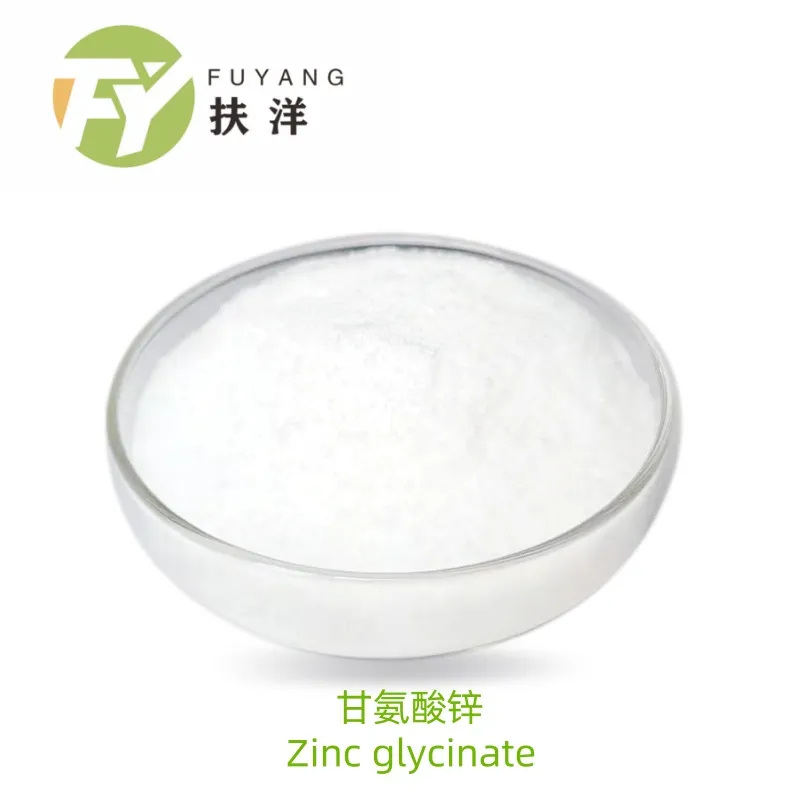
What it is (and why formulators care)
zinc glycinate is an organic chelate of zinc and glycine (typically 1:2). The chelation helps protect zinc through the upper GI and facilitates transport—real-world use may vary, but we see lower reported nausea and better absorption markers compared with inorganic salts. It’s used in dietary supplements, medical foods, fortified beverages, and adjunctive protocols where maintaining zinc status matters.
Typical product specs
| Parameter | Specification (≈) | Method/Note |
|---|---|---|
| Assay (as Zinc) | 18–20% Zn | ICP-OES/ICP-MS |
| Chelation ratio | 1:2 (Zn: glycine) | Structural assumption; vendor verifies by FTIR |
| Loss on drying | ≤ 5.0% | 105°C, gravimetric |
| Heavy metals (Pb/Cd/As/Hg) | Meets USP <232> limits | USP <233> ICP-MS |
| Microbial limits | TPC ≤ 1,000 cfu/g; Yeasts/Molds ≤ 100 cfu/g; Pathogens: ND | ISO 4833 / 21527 / absence tests |
| Particle size | D90 ≈ 200–400 μm | Laser diffraction |
Process flow (how it’s made)
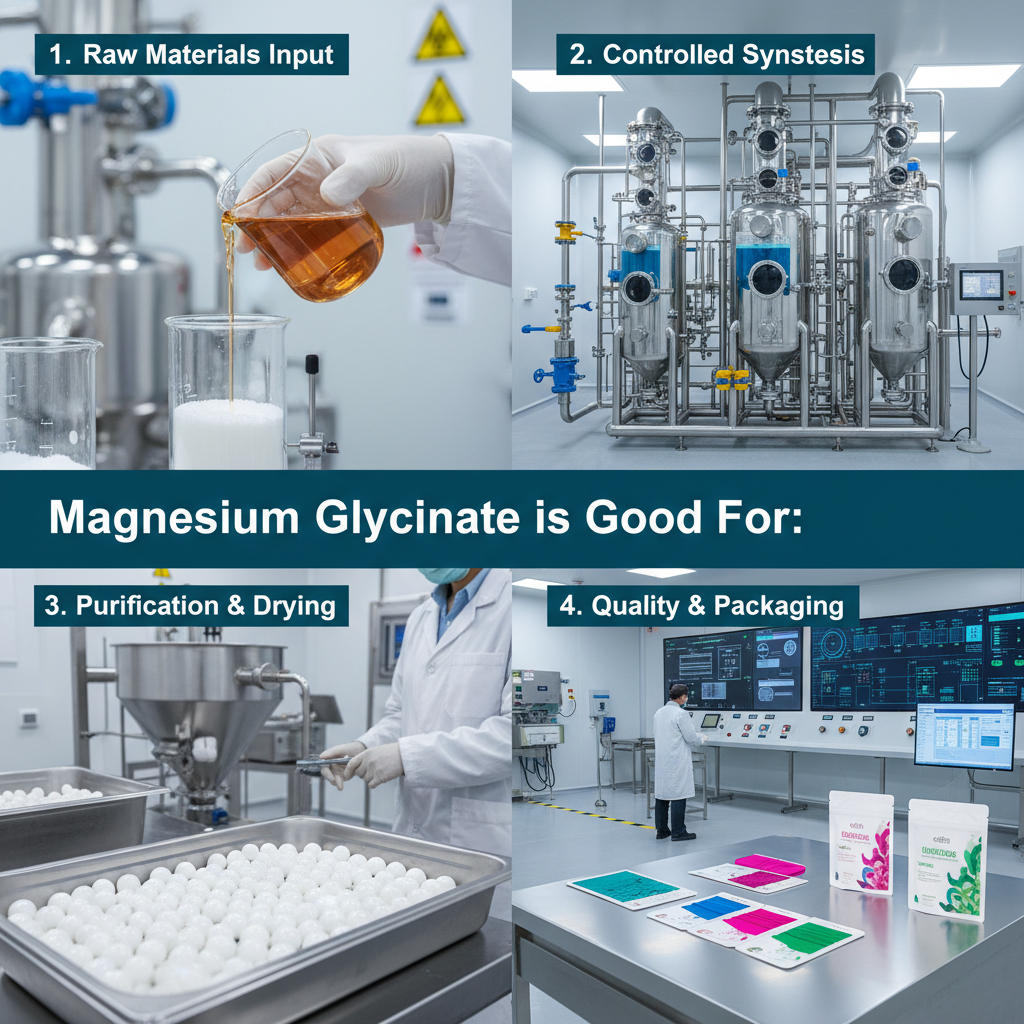
- Materials: zinc oxide or zinc sulfate, glycine (pharma/food grade), purified water.
- Methods: controlled pH chelation (≈ pH 6–7), temperature hold, reaction to completion, filtration.
- Finishing: vacuum or spray-drying, milling, sieving, in-line metal detection.
- QC: assay, FTIR for chelation signature, heavy metals via ICP-MS (USP <233>), micro, stability.
- Service life: 24–36 months in cool, dry storage; nitrogen flush recommended for long hauls.
- Industries: nutraceuticals, functional foods/beverages, sports nutrition, animal nutrition, clinical feeds (as regulations allow).
Applications and real-world notes
Capsules and tablets are easy wins. In beverages, watch chelate stability versus pH and chelators (EDTA, citrate). In gummies—yes, it works—but balance Zn load with flavor masking. Formulators report fewer “metallic” notes versus inorganic salts, especially below 5 mg elemental Zn/serving. To be honest, your matrix rules everything; pilot batches save headaches.
Vendor snapshot (customization matters)
| Vendor | Origin | Certs | Zn Assay | MOQ / Lead Time | Customization |
|---|---|---|---|---|---|
| Fuyang Biotech (Xinle, Hebei) | China | ISO 9001, ISO 22000, HACCP, Halal, Kosher | 18–20% | 25 kg / 2–4 weeks | Particle size, custom assays, premix blends |
| Global Trader (EU stock) | EU warehouse | GMP broker, COA + 3rd-party tests | 17–20% | 5–10 kg / 3–7 days | Limited; mainly repacks |
| Local OEM (US) | USA | cGMP, NSF/UL (varies) | 18% nominal | 100 kg / 3–6 weeks | Flavor-ready premixes, microencapsulation |
Testing, standards, and the fine print
Authoritative anchors matter. For heavy metals, align with USP <232> limits and test via USP <233> (ICP-MS). Validate zinc by ICP-OES/MS and run microbiology to food or pharma grade, depending on your label. Stability at 40°C/75% RH over 6 months typically shows assay drift ≤ 3% (our sample set, n=3 batches), but do your own ICH-guided studies.
Customer feedback (short and honest)
- “Lower stomach upset than gluconate” (capsules, 5 mg Zn/serving).
- “Holds clarity in clear RTD at pH 3.6–3.8” (pilot, citrate system).
- “Masking easier vs sulfate” (gummies; still needed citrus top-notes).
Bottom line: zinc glycinate isn’t a magic wand, but it’s a very cooperative form for modern SKUs—clean labels, tighter dosages, fewer complaints. If you’re reformulating, start with 5–10 mg elemental Zn/serving and build from sensory and stability data.
Citations
- NIH Office of Dietary Supplements. Zinc Fact Sheet for Health Professionals. https://ods.od.nih.gov/factsheets/Zinc-Consumer/
- USP General Chapters <232> Elemental Impurities—Limits and <233> Elemental Impurities—Procedures. https://www.usp.org
- EFSA Panel on Dietetic Products, Nutrition and Allergies (NDA). Scientific opinion on dietary reference values for zinc. https://efsa.onlinelibrary.wiley.com/
- ISO 22000:2018 Food safety management systems — Requirements. https://www.iso.org/standard/65464.html