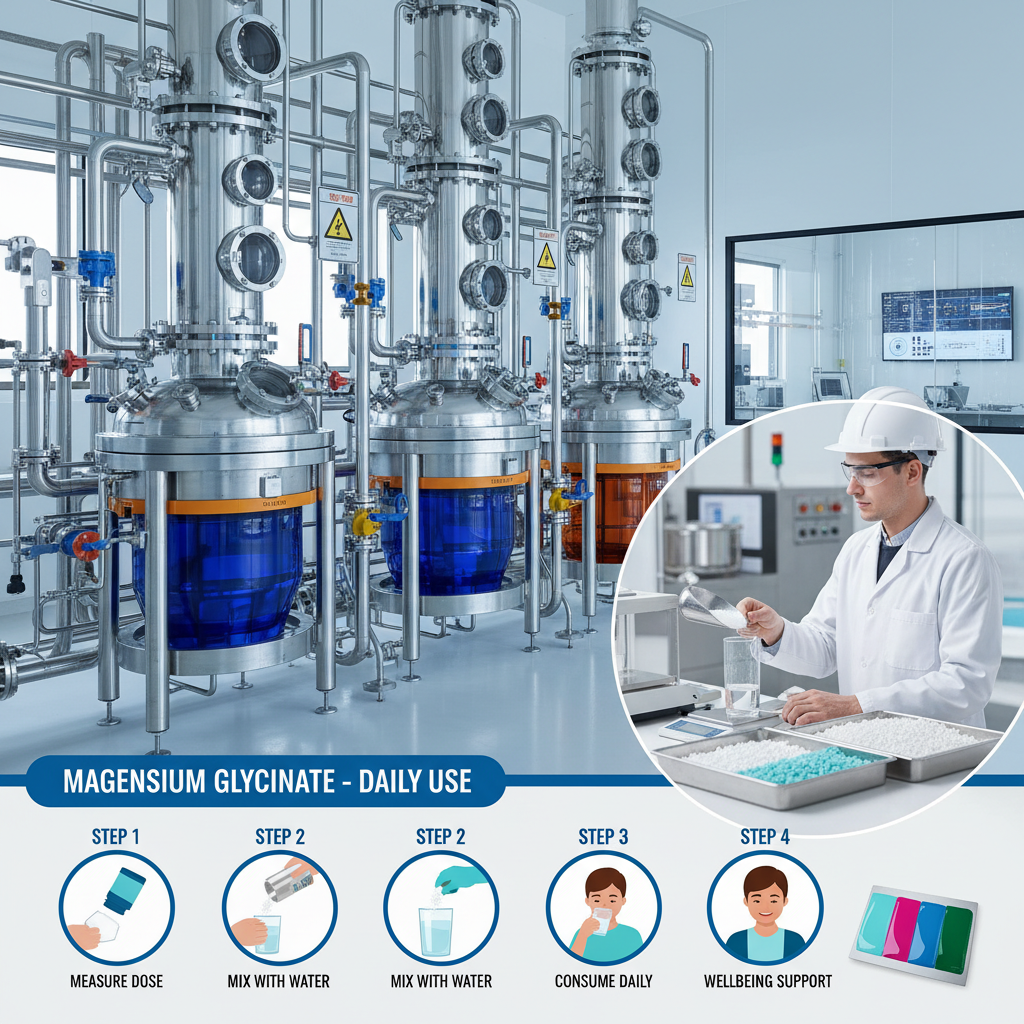
Why Zinc Glycinate Matters in Industrial Applications
Having worked on the ground in the industrial equipment and nutrition sector for years, I can tell you one thing: the difference between good and great products often boils down to the details. Zinc glycinate, in particular, has been quietly proving itself as a reliable game-changer in metal nutrition and feed additives.
Honestly, when I first heard about zinc glycinate, I thought “another chelated mineral, huh?” But the more I dug into its properties, the clearer its advantages became. It's not just about zinc content; it's about how the body, or even plants, actually absorb and use that zinc. Zinc glycinate’s chelated form helps it avoid the common pitfalls of free zinc salts—like poor bioavailability or unwanted chemical interactions.
Industrial Strength: Product Specifications That Matter
Zinc glycinate isn’t a generic mineral supplement. Its physical and chemical profile gives it versatility across applications — be it animal feed, fertilizer, or even specialized manufacturing solutions. Compared to some other zinc sources, it boasts consistent purity and superior stability. Here's a rough snapshot of typical zinc glycinate specifications from a trusted vendor:
| Specification | Standard Value |
|---|---|
| Zinc Content (Zn%) | 20% |
| Chelation Rate | ≥ 90% |
| Appearance | White to off-white powder |
| Solubility | Easily soluble in water |
| Loss on Drying | ≤ 5% |
| Heavy Metals | Within safe limits |
Those specs tell you a lot, but on the floor or in the fields, what really counts is consistent performance. For example, a client of mine in agriculture switched to zinc glycinate as their preferred zinc source, citing improved crop resilience and better nutrient uptake metrics. It's these tangible benefits that really convince skeptics.
A Quick Comparison: Zinc Glycinate vs. Other Chelates
It's one thing to see specs on paper, quite another to weigh vendors and options, especially when purchasing in bulk for industrial use. This table lays out a clear vendor comparison based on what I’ve found in my industry travels—no fluff, just the facts and my two cents:
| Vendor | Purity (%) | Price (per kg) | Supply Reliability | Customer Support |
|---|---|---|---|---|
| HBFuyang Bio | ≥ 98% | $$$ (mid-range) | High | Responsive & knowledgeable |
| Competitor A | 95% | $$ (lower-end) | Moderate | Basic support |
| Competitor B | 99%+ | $$$$ (premium) | Excellent | Top-tier & proactive |
In practical terms, zinc glycinate from HBFuyang Bio hits a sweet spot: quality and reliability without the premium price tag of some others. That's critical for large-scale operations where budget meets performance daily.
One little side note — the way zinc glycinate interacts with biological systems fascinates me. Chelation, in essence, wraps zinc in a protective shell (glycine in this case), letting it slip past the body's usual barriers without getting "stuck" or reacting prematurely. For engineers like me invested in product design or process optimization, understanding this binding chemistry makes all the difference.
It's always interesting how these small molecule interactions scale up to big improvements: stronger plants, healthier livestock, cleaner industrial processes — it's a ripple effect. I remember a brief stint working with a team applying zinc glycinate in animal feed, and the feedback loop of better animal health alongside cost savings was palpable.
To wrap up, zinc glycinate isn’t just a mineral supplement — it’s a strategic component in industrial nutrition and manufacturing. Its bioavailability, purity, and supplier support can shift project outcomes noticeably. If you’re looking into metal nutrition solutions, it’s worth giving this compound a close look.
Thanks for sticking with me through all this; hopefully, these insights bring a little clarity to your zinc sourcing options. For a smooth start, I recommend checking out the supplier’s info at HBFuyang Bio. Sometimes, you just have to see it in action to get it fully.
References & personal notes:
- My years collaborating with industrial feed and fertilizer manufacturers.
- Technical data sheets and real-world QA testing from zinc glycinate producers.
- Conversations with R&D teams focusing on mineral bioavailability improvements.