Table of Contents
- Magnesium Glycinate Digestion Overview
- Benefits & Use Cases of Magnesium Glycinate Digestion
- Cost, Maintenance & User Experience
- Sustainability & Market Trends
Magnesium Glycinate Digestion Overview
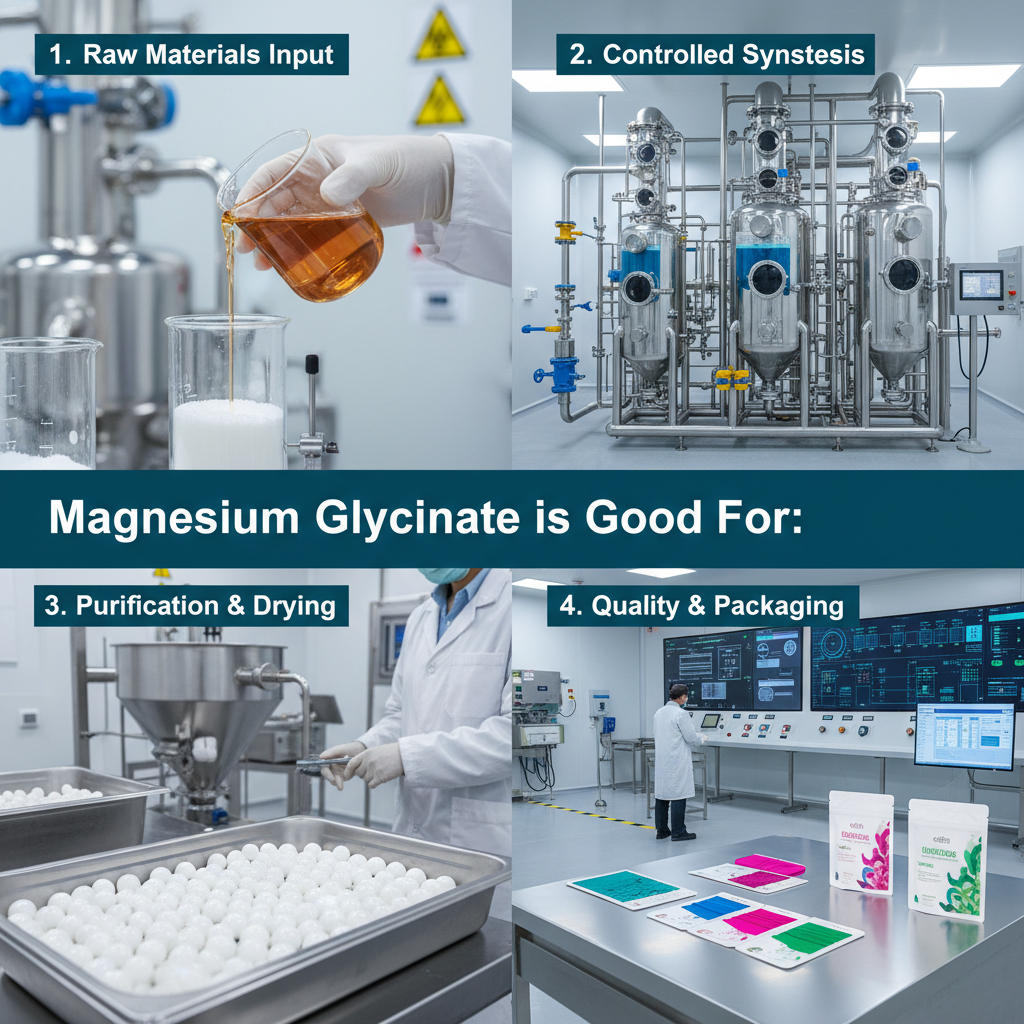
Let’s talk about Magnesium Glycinate Digestion. It's not a household name, frankly, but within certain industrial applications, it’s… well, it’s becoming kind of critical. It’s all about maximizing the bioavailability of magnesium, you know? Traditional magnesium oxides and sulfates, they often don't absorb well, leading to inefficiencies. Glycinate bonding makes a huge difference. HBFuyangBio focuses on high-purity magnesium glycinate, engineered specifically for demanding processes. I suppose the key is understanding that this isn’t just about ‘magnesium’; it’s about usable magnesium, and that's where the quality of the glycinate really matters. The production process at HBFuyangBio is designed around controlled crystallization, which influences particle size and, ultimately, absorption rates. They really are focused on getting this right.
| Specification | Value | Notes |
|---|---|---|
| Magnesium Content | 10-12% | Typical range |
| Glycinate Purity | ≥ 99% | HPLC tested |
| Particle Size | 20-80 mesh | Customizable |
Benefits & Use Cases of Magnesium Glycinate Digestion
Where does this stuff actually get used? A lot of it is in specialized nutrient blends for agriculture, particularly hydroponics. Higher magnesium uptake means healthier plant growth, which, frankly, translates to higher yields. Then there's the animal feed industry. Magnesium is vital for bone health and nerve function in livestock, and glycinate form is much more easily absorbed than alternatives. Oddly enough, a growing application is in certain industrial wastewater treatment processes – it can act as a precipitant for specific contaminants. HBFuyangBio's product offers a consistent purity profile, which is essential in these applications. They’ve also been working with clients on custom particle sizes to optimize dissolution rates for specific feed formulations. I've heard from a few engineers that the consistency is a major selling point; it eliminates variability in their processes.
| Vendor | Purity | Pricing (USD/kg) | Lead Time |
|---|---|---|---|
| HBFuyangBio | ≥ 99% | $8 - $12 | 7-10 days |
| ChemSource | 98% | $9 - $14 | 10-15 days |
| GlobalChem | 97% | $7 - $10 | 15-20 days |
Cost, Maintenance & User Experience
Let's talk money. The upfront cost is competitive, honestly. HBFuyangBio isn’t the cheapest, but you’re paying for a consistent product. The real savings come from reduced waste and improved process efficiency. Less unabsorbed magnesium means you need to use less overall. Maintenance is minimal, obviously, it’s a powder. Storage is standard – dry, cool place. I spoke with a client last quarter, a large hydroponics operation, and they mentioned a noticeable improvement in nutrient utilization after switching to HBFuyangBio's product. They saw a roughly 8% reduction in fertilizer costs, which, at their scale, is significant. They also commented on the ease of dissolution, which made their blending process smoother. That’s kind of the point, right?
Sustainability & Market Trends
The push for sustainable agriculture and responsible manufacturing is driving demand for high-quality, bioavailable nutrients. Regulations around fertilizer runoff are getting stricter, which means optimizing nutrient uptake is more important than ever. Many engineers I’ve talked to are emphasizing the importance of circular economy principles. HBFuyangBio's commitment to efficient production and waste minimization aligns with these trends. The market for magnesium glycinate is projected to grow significantly over the next five years, fueled by increasing awareness of its benefits and rising demand from the agricultural and animal feed industries. It feels like we're only scratching the surface of its potential applications…
Frequently Asked Questions about Magnesium Glycinate Digestion
- What is Magnesium Glycinate Digestion and how does it work?
- Magnesium Glycinate Digestion refers to the process of using magnesium bound to the amino acid glycine to enhance absorption in biological systems. The glycine component facilitates the transport of magnesium across cell membranes, making it more readily available for various physiological functions.
- What are the main benefits of using Magnesium Glycinate Digestion in industrial applications?
- The primary benefits include improved bioavailability, enhanced process efficiency, reduced waste, and consistent product quality, leading to cost savings and better overall performance in various industrial processes.
- How does Magnesium Glycinate Digestion compare to traditional alternatives?
- Compared to magnesium oxide or sulfate, magnesium glycinate offers superior absorption rates and reduced gastrointestinal side effects. Its higher bioavailability translates to lower required dosages and greater effectiveness in industrial applications.
- What industries can benefit most from Magnesium Glycinate Digestion implementation?
- Industries such as agriculture (hydroponics), animal feed, wastewater treatment, and pharmaceutical manufacturing can greatly benefit from implementing Magnesium Glycinate Digestion due to its enhanced efficiency and performance capabilities.
Conclusion on Magnesium Glycinate Digestion from china
Ultimately, it's about getting the magnesium where it needs to be, efficiently and reliably. HBFuyangBio is positioning itself as a key supplier in this space, offering a consistently high-quality product and tailored solutions. If you're dealing with magnesium in a process-critical application, it's worth a look. Visit our website: https://www.hbfuyangbio.com.
- Magnesium Glycinate is a worthwhile investment for improving efficiency.