Magnesium Glycinate and Migraines: A Comprehensive Guide
Migraines can be debilitating, impacting daily life for millions. While various treatments exist, increasing attention is being paid to the potential benefits of nutritional supplements, particularly magnesium glycinate. This article delves into the connection between magnesium, migraines, and the unique advantages of glycinate form, offering insights into how it might provide relief. Understanding the role of magnesium in neurological health is a vital step towards managing migraine frequency and intensity.
Understanding the Link Between Magnesium and Migraines
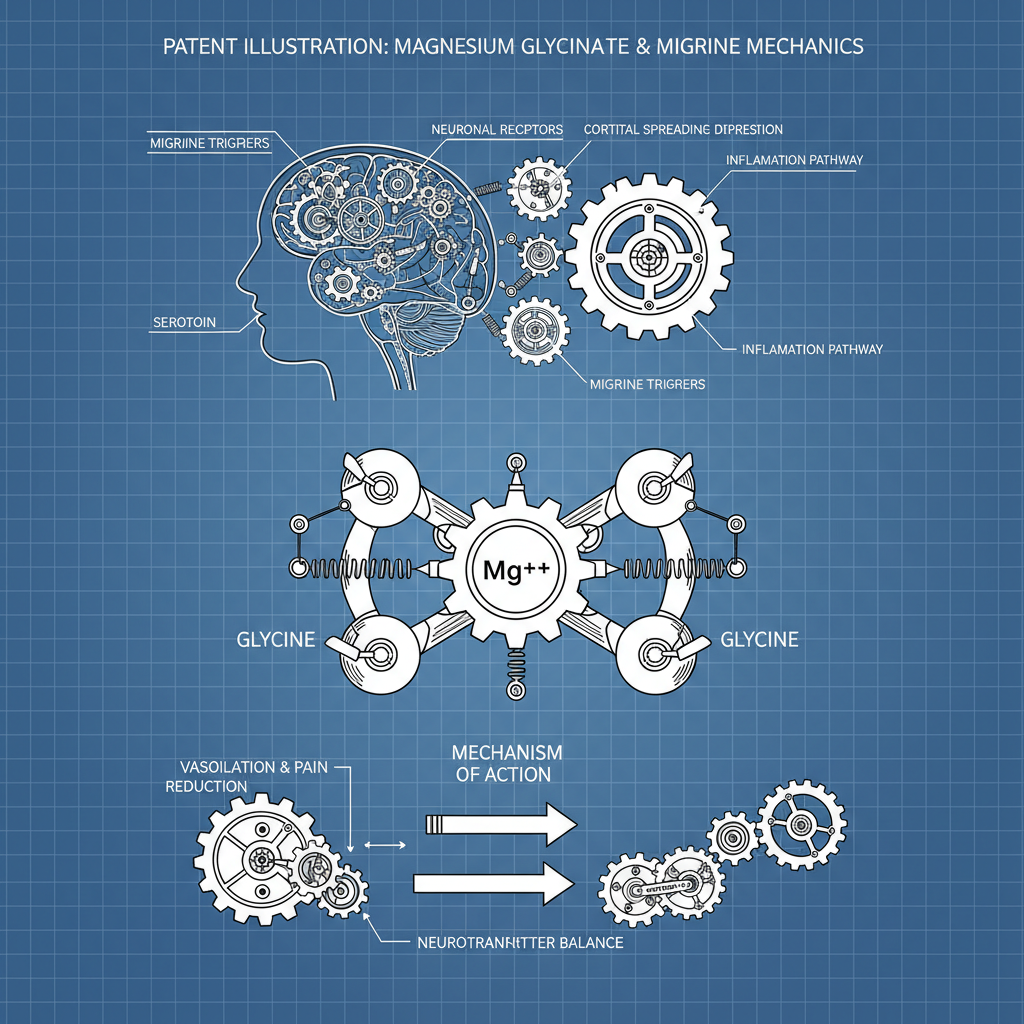
Magnesium plays a crucial role in numerous bodily functions, including nerve transmission, muscle contraction, and blood sugar control. Research suggests that individuals prone to migraines often have lower magnesium levels than those who don't. Several theories explain this connection. Magnesium helps regulate neurotransmitters involved in pain pathways, stabilizes neuronal excitability, and enhances blood vessel function – all factors implicated in migraine development. Furthermore, magnesium deficiency can exacerbate inflammation, another contributor to migraine episodes. Replenishing magnesium levels may therefore help reduce both the frequency and severity of migraines. The benefits of magnesium glycinate extend beyond basic supplementation.
Key Takeaway: Magnesium is involved in nerve function, blood sugar regulation, and inflammation control – all processes linked to migraine mechanisms.
Why Magnesium Glycinate is Preferred for Migraine Relief
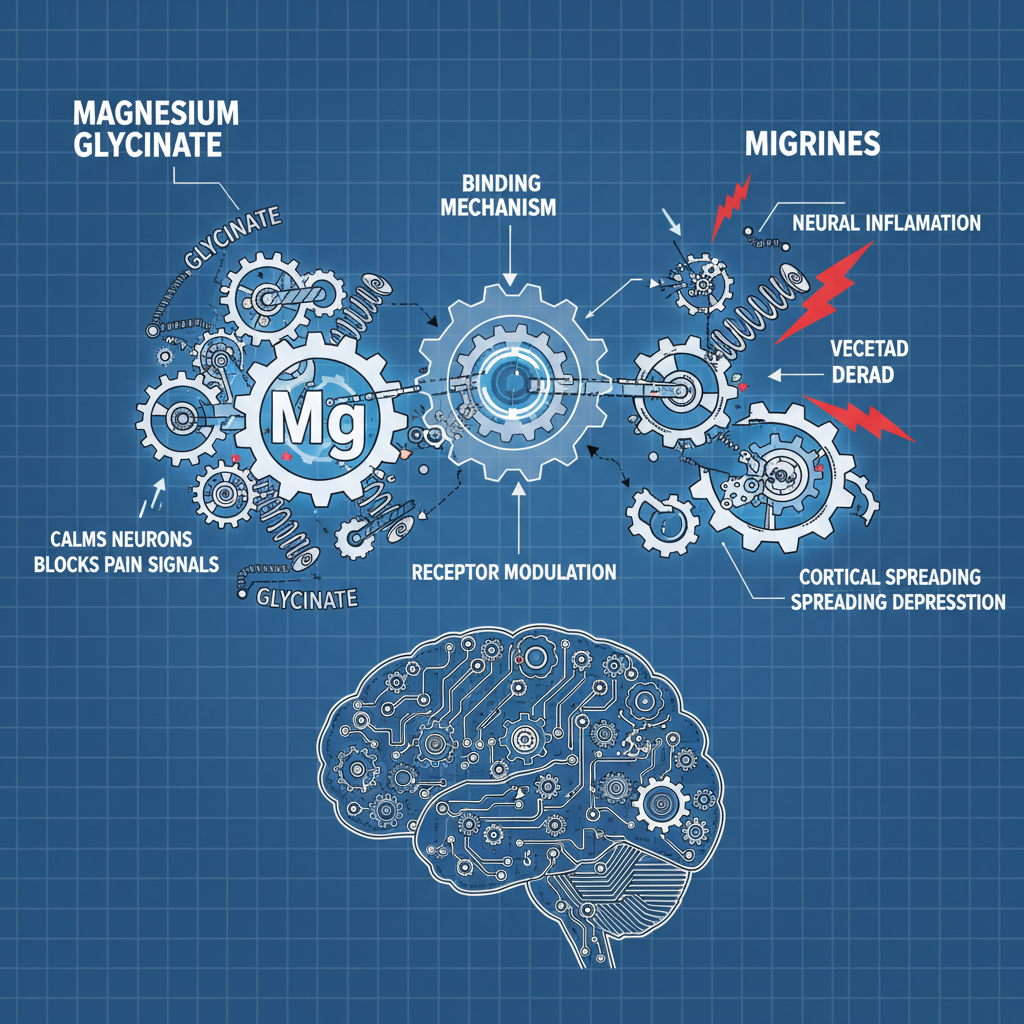
Not all forms of magnesium are created equal. While magnesium oxide is common and inexpensive, it has poor bioavailability, meaning the body doesn't absorb it efficiently. Magnesium glycinate, on the other hand, is a chelated form of magnesium, bound to the amino acid glycine. This chelation significantly enhances absorption, making it more effective in raising magnesium levels. Glycine itself also possesses calming properties that can help reduce stress and improve sleep – factors that often trigger migraines. The superior bioavailability and added benefit of glycine make magnesium glycinate a standout choice for migraine management.
Benefits of Magnesium Glycinate:
• Higher bioavailability than other forms of magnesium
• Glycine promotes relaxation and sleep
• Gentle on the stomach, minimizing digestive upset
• Well-tolerated by most individuals
Magnesium Glycinate vs. Other Magnesium Forms: A Comparative Look
Choosing the right magnesium supplement can be confusing. Here's a comparison of common forms and their suitability for migraine sufferers:
Dosage and Considerations for Using Magnesium Glycinate
The optimal dosage of magnesium glycinate for migraine prevention varies depending on individual needs and severity. A typical starting dose is 200-400mg per day, taken in divided doses. It’s always best to start with a lower dose and gradually increase it to assess tolerance. It's crucial to discuss magnesium supplementation with your healthcare provider, especially if you have kidney problems or are taking other medications. While generally safe, excessive magnesium intake can cause digestive issues.
Product Specifications – HBFuyang Bio Magnesium Glycinate
At HBFuyang Bio, we offer high-quality magnesium glycinate manufactured to stringent quality standards. Here are the key specifications:
Conclusion: Empowering Migraine Management with Magnesium Glycinate
Magnesium glycinate offers a promising approach to migraine prevention and management. Its superior bioavailability and calming properties make it a preferred choice for individuals seeking natural relief. At HBFuyang Bio, we are dedicated to providing high-quality magnesium glycinate to support your health and well-being. Remember to consult with your healthcare provider to determine if magnesium glycinate is right for you.
Frequently Asked Questions (FAQs)
How long does it take to see results with magnesium glycinate for migraines?
It can take several weeks to months of consistent magnesium glycinate supplementation to notice a significant reduction in migraine frequency and intensity. Many individuals report improvements within 4-8 weeks, but individual responses vary. It's important to maintain consistent dosage and lifestyle changes, such as stress management and adequate hydration, to maximize the benefits. Keep a migraine diary to track your progress and identify any patterns or triggers.
Are there any side effects associated with magnesium glycinate?
Magnesium glycinate is generally well-tolerated, but some individuals may experience mild side effects such as diarrhea, nausea, or stomach cramps, especially when starting with a higher dose. These side effects can usually be minimized by starting with a low dose and gradually increasing it. If you experience persistent or severe side effects, discontinue use and consult your healthcare provider. Individuals with kidney problems should use magnesium supplements with caution.
Can I take magnesium glycinate with other migraine medications?
It's essential to inform your healthcare provider about all medications and supplements you are taking, including magnesium glycinate. Magnesium can interact with certain medications, such as diuretics, antibiotics, and proton pump inhibitors. Your doctor can assess potential interactions and advise you on whether magnesium glycinate is safe to use alongside your existing medications. Do not self-treat migraines without professional medical guidance.
Is magnesium glycinate suitable for all types of headaches?
While magnesium glycinate is primarily known for its potential benefits in migraine prevention, it may also be helpful for other types of headaches, such as tension headaches. However, the effectiveness can vary depending on the underlying cause of the headache. Migraines are often associated with neurological and vascular changes, while tension headaches are more often related to muscle tension and stress. If you experience frequent or severe headaches, it’s important to consult a healthcare professional for a proper diagnosis and treatment plan.