Magnesium Glycinate Daily Use: A Comprehensive Guide
Magnesium is an essential mineral involved in hundreds of bodily functions, and magnesium glycinate is a highly bioavailable form often recommended to address deficiencies. Understanding magnesium glycinate daily use is crucial for optimizing health and wellbeing. This article will delve into the benefits, dosage, potential side effects, and factors to consider when incorporating this supplement into your routine. We'll explore how magnesium glycinate differs from other forms, and help you determine if it's the right choice for your needs.

Why Choose Magnesium Glycinate?
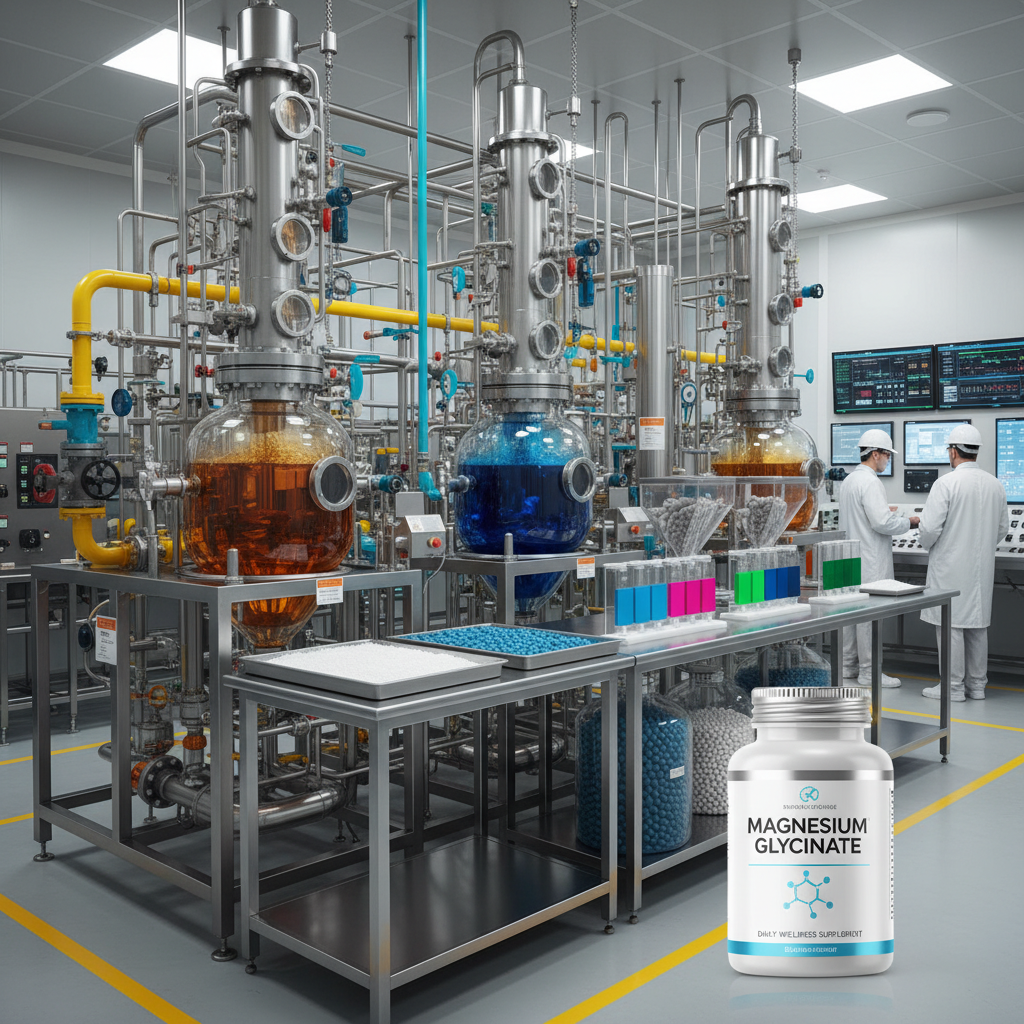
Magnesium glycinate is formed by binding magnesium to the amino acid glycine. This combination offers several advantages over other magnesium supplements. Glycine itself has calming properties and can promote sleep, making magnesium glycinate an excellent choice for those struggling with anxiety or insomnia. Moreover, the glycinate form is gentler on the stomach, minimizing the risk of diarrhea, a common side effect with magnesium oxide or citrate. The high bioavailability means your body can readily absorb and utilize the magnesium, maximizing its benefits. HBFuyang Bio offers high-quality magnesium glycinate ensuring purity and potency.
Key Highlights: Highly bioavailable, gentle on the stomach, promotes relaxation and sleep, minimizes digestive discomfort.
Optimal Daily Dosage of Magnesium Glycinate
Determining the appropriate magnesium glycinate daily use dosage depends on several factors, including age, sex, overall health, and the reason for supplementation. The Recommended Dietary Allowance (RDA) for magnesium is 400-420mg for men and 310-320mg for women. However, many individuals may benefit from higher doses, especially if they have a deficiency or specific health concerns. It's best to start with a lower dose (e.g., 100-200mg) and gradually increase it over several weeks, monitoring for any side effects. Consulting with a healthcare professional is always recommended to determine the optimal dosage for your individual needs.
Dosage Guidelines:
• Preventative: 100-200mg daily
• Mild Deficiency: 200-400mg daily
• Moderate to Severe Deficiency (under medical supervision): 400-600mg daily
• Sleep/Anxiety: 200-400mg before bedtime
Magnesium Glycinate vs. Other Magnesium Forms
Different magnesium supplements have varying levels of bioavailability and potential side effects. Here's a comparison of common forms:
Potential Side Effects and Precautions
Magnesium glycinate is generally well-tolerated, but some individuals may experience mild side effects, such as nausea, diarrhea, or stomach cramps, particularly at higher doses. These effects can often be mitigated by starting with a lower dose and gradually increasing it. Individuals with kidney problems should consult a doctor before taking magnesium supplements, as impaired kidney function can lead to magnesium accumulation. Magnesium can also interact with certain medications, so it's important to inform your healthcare provider of all supplements you're taking.
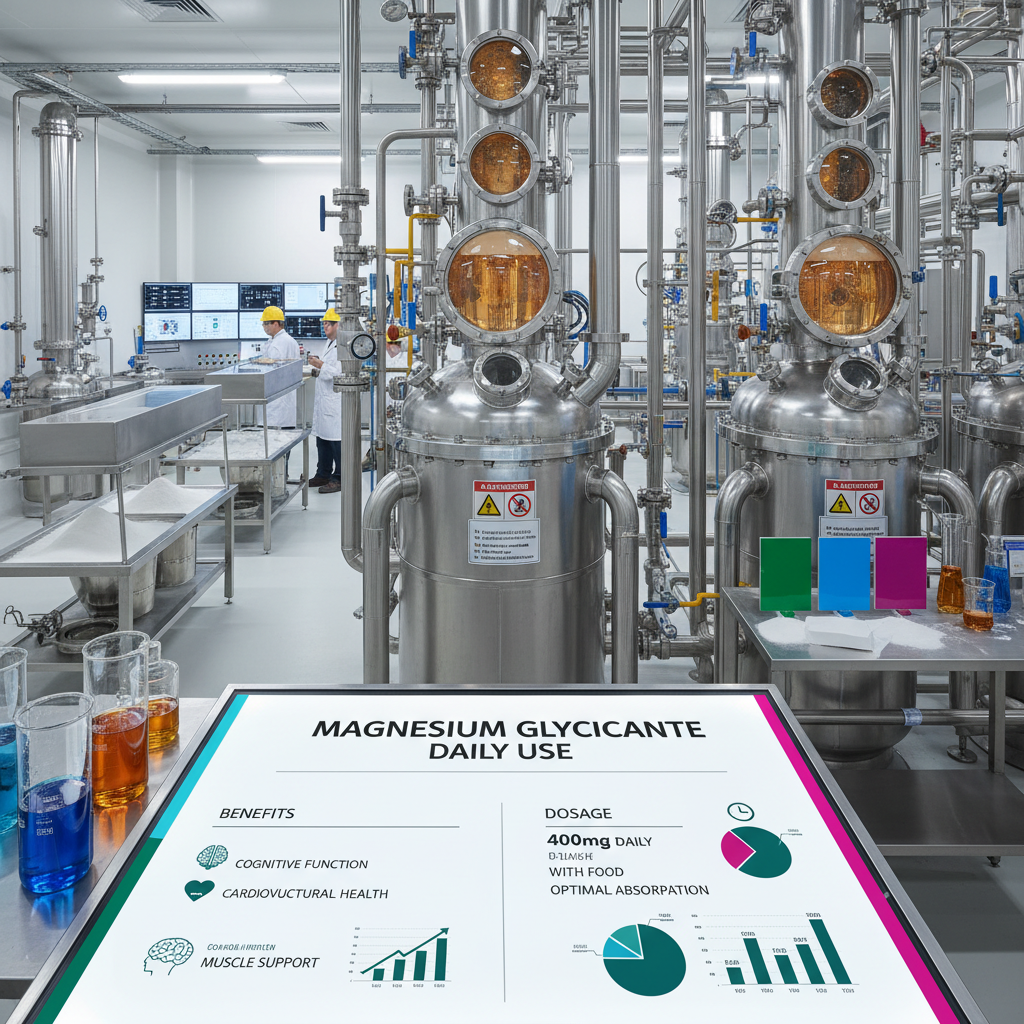
Maximizing Absorption and Benefits
To maximize the absorption and benefits of magnesium glycinate daily use, consider taking it with food, as this can improve tolerance. Avoid taking it with calcium-rich foods or supplements, as calcium can interfere with magnesium absorption. Staying well-hydrated is also important. Consider pairing magnesium supplementation with a diet rich in magnesium-containing foods, such as leafy green vegetables, nuts, seeds, and whole grains. Consistent use, combined with a healthy lifestyle, will yield the best results.
Conclusion
Magnesium glycinate is a superior choice for supplementation due to its high bioavailability, gentle nature, and additional benefits from glycine. Understanding the appropriate dosage, potential side effects, and how to maximize absorption will allow you to reap the full rewards of this essential mineral. For high-quality magnesium glycinate, explore the offerings at HBFuyang Bio.
Frequently Asked Questions (FAQs)
Can I take magnesium glycinate with other supplements?
While magnesium glycinate is generally safe, it's best to avoid taking it concurrently with calcium supplements, as they compete for absorption. Also, be cautious when combining it with certain medications, such as antibiotics, diuretics, and proton pump inhibitors, as it may affect their absorption or efficacy. It’s always recommended to consult with a healthcare professional or pharmacist before combining magnesium glycinate with other supplements or medications.
What are the signs of magnesium deficiency?
Symptoms of magnesium deficiency can be subtle and often overlooked. Common signs include muscle cramps, fatigue, weakness, irregular heartbeat, anxiety, irritability, and difficulty sleeping. More severe deficiencies can lead to numbness, tingling, seizures, and even personality changes. If you suspect you may be deficient, it's crucial to consult with a healthcare professional for accurate diagnosis and appropriate treatment.
Is magnesium glycinate safe for long-term use?
Magnesium glycinate is considered safe for long-term use when taken at appropriate doses. However, it's essential to monitor for any potential side effects and adjust the dosage accordingly. Individuals with kidney problems should be particularly cautious and consult with their doctor. Regular check-ups and blood tests can help ensure that magnesium levels remain within a healthy range.
Can magnesium glycinate help with headaches?
Yes, magnesium deficiency is often linked to headaches, including migraines. Magnesium glycinate can help alleviate headache symptoms by relaxing blood vessels and reducing nerve excitability. Supplementation may be particularly beneficial for individuals who experience migraines triggered by stress or hormonal changes. However, it's important to note that magnesium is not a cure-all for headaches and should be used as part of a comprehensive management plan.