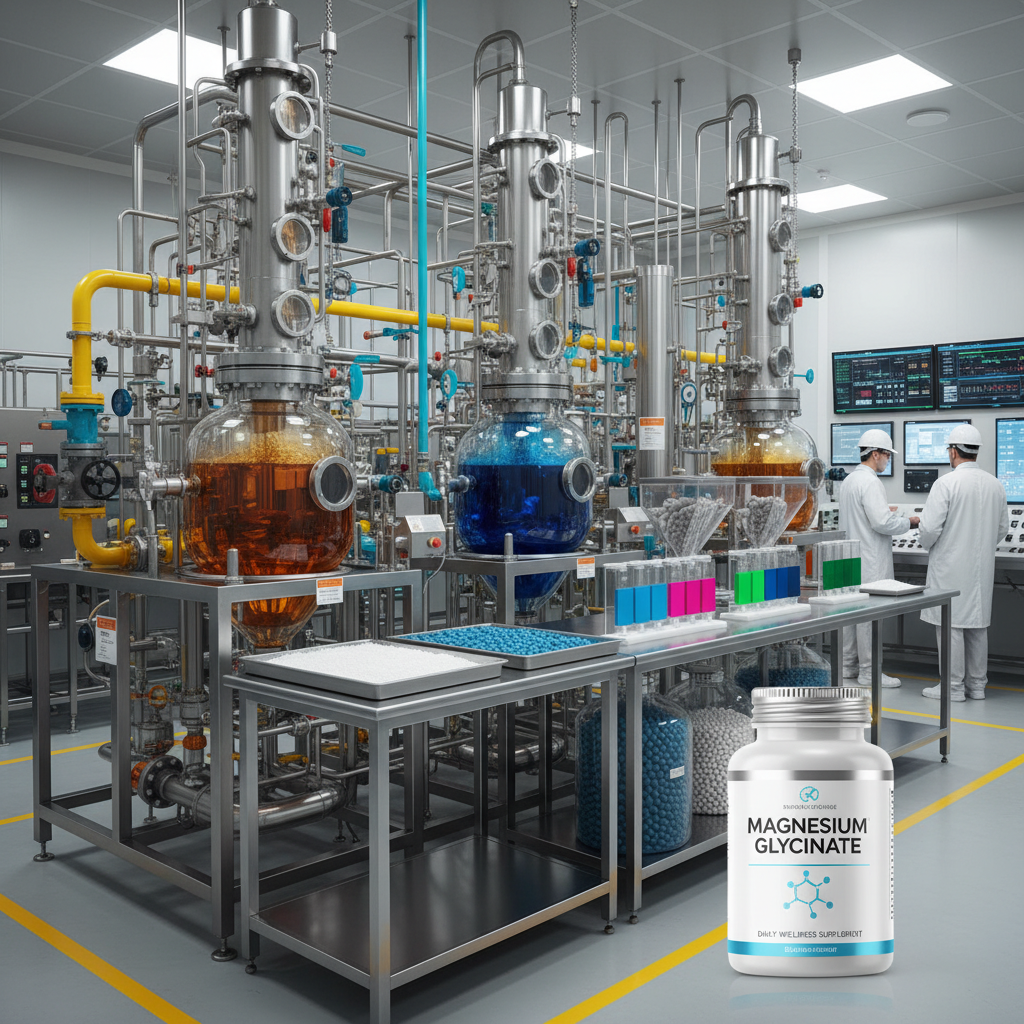
Magnesium Glycinate Benefits: A Comprehensive Guide
Magnesium glycinate is a highly bioavailable form of magnesium, increasingly popular for its ability to support various bodily functions without the digestive upset often associated with other magnesium supplements. This article will explore the many magnesium glycinate benefits, covering its role in sleep, anxiety, muscle recovery, and more. We'll also discuss dosage, potential side effects, and how to choose a quality supplement. Understanding these benefits can help you determine if magnesium glycinate is right for you.

What is Magnesium Glycinate?
Magnesium glycinate is created by binding magnesium with the amino acid glycine. This chelation process significantly enhances absorption compared to other forms like magnesium oxide, citrate, or chloride. Glycine itself has calming properties, contributing to the relaxing effects often experienced with magnesium glycinate. Because it's gentle on the stomach, it's well-tolerated even by individuals prone to digestive issues. This makes it a preferred choice for those seeking to increase their magnesium intake without unwanted side effects. The benefits of magnesium glycinate stem from both the magnesium and the glycine components.
Key Highlights: High bioavailability, gentle on the stomach, promotes relaxation due to glycine content, supports numerous bodily functions.
Magnesium Glycinate Benefits for Sleep and Anxiety
One of the most well-known magnesium glycinate benefits is its ability to promote restful sleep. Magnesium helps regulate neurotransmitters that are crucial for sleep, such as GABA. Glycine also plays a role in improving sleep quality. Furthermore, magnesium helps to regulate cortisol, the stress hormone, which can interfere with sleep when levels are too high. By reducing cortisol and promoting relaxation, magnesium glycinate can be a valuable aid for those struggling with insomnia or poor sleep. It also has a calming effect on the nervous system, helping to alleviate anxiety and promote a sense of well-being.
Sleep & Anxiety Benefits:
• Regulates neurotransmitters for sleep (GABA)
• Reduces cortisol levels
• Promotes relaxation and calmness
• Alleviates anxiety symptoms
Magnesium Glycinate for Muscle Recovery and Physical Performance
Magnesium plays a vital role in muscle function and recovery. It helps regulate muscle contractions and prevents cramping. During exercise, magnesium is lost through sweat, and deficiency can contribute to muscle fatigue and soreness. Supplementing with magnesium glycinate can help replenish these lost levels, supporting optimal muscle function and reducing recovery time. It’s particularly beneficial for athletes or individuals engaging in intense physical activity. Furthermore, magnesium is involved in energy production, contributing to improved stamina and performance. This can make it a useful supplement for anyone seeking to enhance their physical capabilities.
Other Potential Magnesium Glycinate Benefits
Beyond sleep, anxiety, and muscle recovery, magnesium glycinate may offer a range of other health benefits. It's involved in hundreds of enzymatic reactions in the body, impacting everything from bone health to blood sugar control. Some research suggests it may help regulate blood pressure and reduce the risk of heart disease. It also plays a role in nerve function and may help alleviate symptoms of migraines. Ongoing studies continue to explore the full potential of magnesium glycinate for various health conditions. Consulting with a healthcare professional can help determine if magnesium glycinate is appropriate for your specific needs.

Dosage and Potential Side Effects
The recommended daily allowance (RDA) for magnesium varies depending on age and gender, but generally falls between 310-420mg. Typical dosages of magnesium glycinate range from 200-800mg per day. It's best to start with a lower dose and gradually increase it to assess your tolerance. While magnesium glycinate is generally well-tolerated, some individuals may experience mild side effects such as diarrhea or stomach upset, especially at higher doses. These side effects can usually be avoided by taking the supplement with food or dividing the dose throughout the day. It's important to note that magnesium can interact with certain medications, so it's crucial to inform your doctor before starting supplementation.
Conclusion: Harnessing the Power of Magnesium Glycinate
Magnesium glycinate offers a multitude of health benefits, from improved sleep and reduced anxiety to enhanced muscle recovery and overall well-being. Its superior bioavailability and gentle nature make it an excellent choice for those seeking to increase their magnesium intake. By understanding its potential benefits and following appropriate dosage guidelines, you can harness the power of magnesium glycinate to support a healthier and more vibrant life.
Frequently Asked Questions (FAQs)
What is the best time of day to take magnesium glycinate?
Many people find it most beneficial to take magnesium glycinate before bed, as it promotes relaxation and can improve sleep quality. However, you can also take it at any time of day with food to minimize potential stomach upset. Consistency is key, so choose a time that works best for your routine and stick with it. If you're taking it for muscle recovery, consuming it shortly after exercise may be advantageous. Ultimately, the best time depends on your individual needs and preferences.
Can I take magnesium glycinate with other supplements?
Generally, magnesium glycinate can be taken with many other supplements. However, it’s best to avoid taking it at the same time as calcium, iron, or zinc supplements, as these minerals can compete for absorption. If you are taking antibiotics, separate your magnesium glycinate dose by at least two hours. Always consult with your doctor or pharmacist to ensure there are no potential interactions with any medications or supplements you are currently taking.
Are there any contraindications for taking magnesium glycinate?
While magnesium glycinate is generally safe, it’s not suitable for everyone. Individuals with kidney problems should avoid taking magnesium supplements without consulting their doctor, as the kidneys are responsible for regulating magnesium levels. Those with certain heart conditions should also seek medical advice before supplementation. It's crucial to inform your doctor if you have any underlying health conditions or are taking any medications before starting magnesium glycinate.