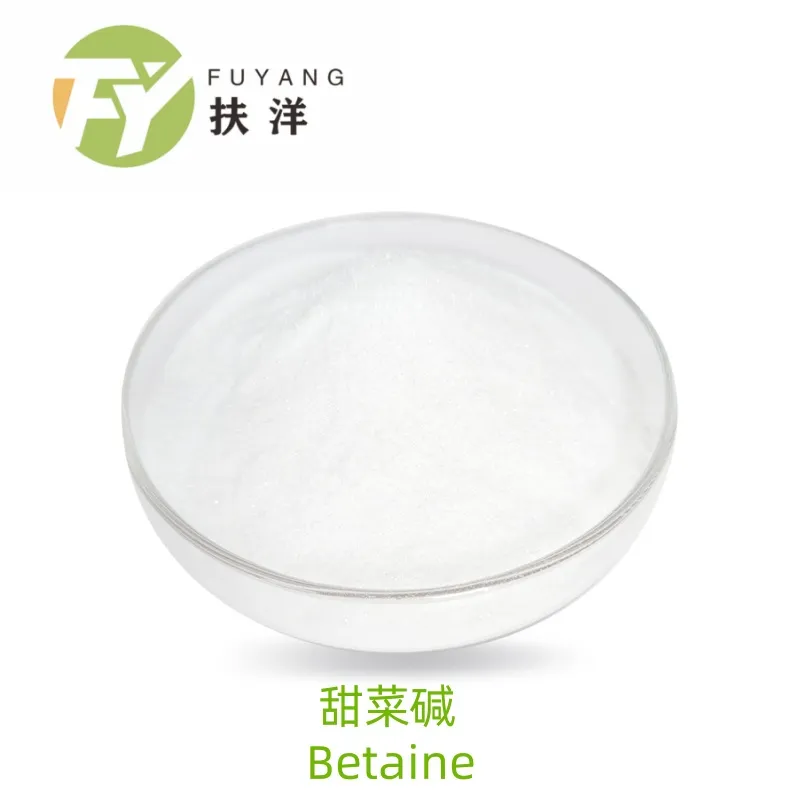
Betaine Hydrochloride (Trimethylglycine) is a high-efficiency methyl donor and osmotic regulator essential for modern animal nutrition and aquaculture. Available in 96% and 98% purity grades, this white crystalline powder is engineered to optimize lipid metabolism and enhance cellular stability without disrupting the electrolyte balance or vitamin efficacy in feed formulations.
By replacing costly methionine and choline, Betaine Hydrochloride streamlines the synthesis of critical biomolecules, significantly reducing the incidence of fatty liver while improving lean meat percentage and overall growth performance. Its versatility makes it an indispensable additive for swine, poultry, ruminants, and aquatic species seeking improved stress resilience and gut health.
Detailed Parameters
| Chemical Formula | C₅H₁₁NO₂ | Chemical Name | Trimethylglycine |
|---|---|---|---|
| Appearance | White crystalline powder or granules | Betaine Content | ≥96% or ≥98% |
| Loss on Drying | ≤2.0% (96%) / ≤1.3% (98%) | Residue on Ignition | ≤2.5% (96%) / ≤1.5% (98%) |
| Arsenic (As) | ≤2 mg/kg | Chloride (Cl⁻) | ≤0.3% |
| Trimethylamine Residue | ≤100 mg/kg | Shelf Life | 12 Months |
Key Advantages
Efficient Methyl Donor
Provides essential methyl groups for protein and nucleic acid synthesis, effectively replacing methionine and choline.
Lipid Metabolism Boost
Enhances carnitine efficiency to reduce fatty liver and improve lean meat percentage and meat color.
Gut Health Optimization
Increases duodenal villi length and digestive enzyme activity to promote nutrient absorption and feed intake.
Aquaculture Support
Stimulates appetite and supports crustaceans during molting or extreme environmental shifts.
Rumen Function
Provides osmotic regulation for rumen microbes, increasing acetate production and energy utilization.
Electrolyte Stability
Low trimethylamine and chloride levels ensure no negative impact on vitamin efficacy or feed balance.
Product Gallery
Management Platforms
Standard Packaging
Secure 25 kg/bag or carton options with PE liner for maximum moisture protection.
Quality Control
Strict adherence to purity standards (96%/98%) with detailed dry basis calculations.
Storage Protocol
Optimized for cool, dry, and well-ventilated environments in original sealed packaging.
Dosage Precision
Tailored inclusion rates for diverse species from swine (0.2-1.75kg/T) to fish (0.5-2.5kg/T).
Supply Chain
Consistent availability of high-purity Betaine HCl for industrial-scale feed production.
Compliance
Heavy metal and arsenic levels strictly controlled to meet safety requirements (≤2 mg/kg).
Recommended Dosage Comparison
| Animal Species | Recommended Dosage (kg/T Feed) | Target Benefit |
|---|---|---|
| Swine | 0.2 – 1.75 | Lean Meat % & Growth |
| Poultry (Laying/Broilers) | 0.2 – 0.8 | Egg Yield & Weight Gain |
| Shrimp/Crabs | 1.0 – 3.0 | Molting Support & Survival |
| Fish | 0.5 – 2.5 | Appetite & Growth Rate |
| Cattle/Sheep | 20-50g/day (Cattle) | Energy & Protein Utilization |
Frequently Asked Questions
The primary difference is the purity level and the concentration of residues. The 98% grade offers lower loss on drying (≤1.3%) and lower residue on ignition (≤1.5%), providing a more concentrated methyl donor source for precision nutrition.
In aquaculture, it stimulates appetite and improves survival rates. Specifically for crustaceans, it provides critical osmotic regulation that supports the animal during molting and protects against environmental stress.
Yes, Betaine acts as an efficient methyl donor, which can replace a portion of methionine and choline. This helps in synthesizing critical biomolecules while potentially reducing feed costs.
No. Our Betaine Hydrochloride is produced to ensure low levels of trimethylamine and chloride ions, meaning it does not negatively impact the electrolyte balance constant or the efficacy of vitamins in the feed.
For ruminants, it supports rumen microbes by providing methyl groups and osmotic regulation. This leads to increased acetate production and improved overall energy and protein utilization.
It should be stored in its original sealed packaging in a cool, dry, and well-ventilated area. Under these conditions, the product maintains its stability and efficacy for up to 12 months.