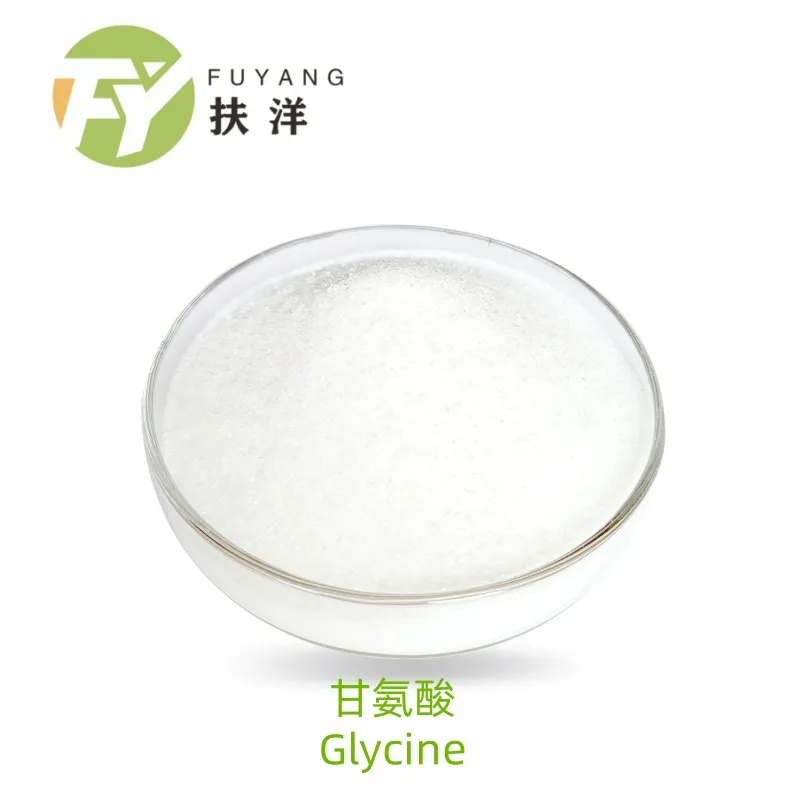
Glycine is a versatile, non-toxic amino acid appearing as a white to off-white crystalline powder. As a fundamental building block for proteins, it is highly soluble in water and characterized by a sweet taste, making it an indispensable raw material across the pharmaceutical, food processing, animal nutrition, and agricultural sectors.
From enhancing the nutritional profile of animal feed and promoting crop resilience to serving as a critical precursor for herbicides like glyphosate, our high-purity Glycine provides the essential biochemical support needed to optimize growth, improve stability, and increase overall productivity in diverse industrial applications.
Detailed Parameters
| CAS No. | 56-40-6 | Molecular Formula | C2H5NO2 |
|---|---|---|---|
| Molecular Weight | 75.07 | EINECS NO. | 200-272-2 |
| Appearance | White to off-white crystalline powder | Relative Density | 1.16 g/cm³ |
| Melting Point | 232 - 236°C | Solubility | Soluble in water, slightly in ethanol/ether |
| Odor/Taste | Odorless / Sweet taste | Packaging | 25 kg/bag or drum, 500 kg/ton bag |
Key Advantages
Immune & Health Boost
Enhances immunoglobulin synthesis and glutathione production to strengthen disease resistance in animals and humans.
Extended Shelf Life
Acts as a preservative and antioxidant, inhibiting microorganisms and delaying lipid oxidation in food products.
Flavor Optimization
Provides natural sweetness (~80% of sucrose) and masks bitterness to enhance the umami profile of food and feed.
Crop Stress Resilience
Reduces electrolyte leakage and maintains chlorophyll levels, helping plants survive drought and salinity.
Precision Growth Support
Promotes protein synthesis for muscle growth in livestock and increases root length and dry weight in crops.
Superior Chelation
Binds metal ions to improve mineral absorption in soil and prevent nutrient loss in animal feed.
Product Gallery
Management Platforms
Feed Nutrition
Optimizing the feed-to-meat ratio and enhancing weight gain efficiency in young livestock.
Industrial Synthesis
Providing high-grade raw materials for the production of Glyphosate and other pesticides.
Food Stabilization
Maintaining pH balance and preventing oil separation in instant noodles and processed fats.
Agro-Chemicals
Boosting photosynthetic efficiency and improving the sensory traits of high-value crops.
Medical Grade
Supporting neuroregulation, liver detoxification, and rapid tissue repair via collagen synthesis.
Aquaculture
Improving disease resistance in fish and shrimp while reducing harmful ammonia excretion.
Investment Return Comparison
| Application Area | Standard Grade | Premium Glycine | |
|---|---|---|---|
| Livestock Growth | Basic Protein Supply | Higher Growth Rate | Reduced Feed Ratio |
| Crop Yield | Conventional Growth | Enhanced Photosynthesis | Better Stress Resistance |
| Food Quality | Basic Taste | Enhanced Umami | Extended Freshness |
| Industrial Use | Standard Purity | High Conversion Rate | Lower Impurity Risk |
| Health Support | General Supplement | Targeted Recovery | Faster Tissue Repair |
Frequently Asked Questions
Glycine serves as a vital raw material for protein synthesis, enhancing muscle growth and tissue repair. It also improves the palatability of feed due to its sweet taste, increasing animal intake and nutrient absorption efficiency.
In agriculture, Glycine acts as a precursor for growth hormones, increasing plant height and root length. It also helps crops resist abiotic stresses like drought and salinity by maintaining cellular stability and chlorophyll levels.
Yes, Glycine has a sweetness level approximately 80% that of sucrose. This makes it an excellent choice for low-sugar or sugar-free beverages and biscuits, as it avoids rapid blood sugar spikes.
Glycine is the primary raw material for Glyphosate, one of the most effective herbicides globally. It accounts for about 80% of all pesticide-related glycine usage worldwide.
Glycine participates in bilirubin metabolism and glutathione synthesis, which accelerates the metabolism of alcohol and drug toxins, thereby reducing the overall burden on the liver.
Absolutely. In aquaculture, Glycine supplementation improves disease resistance in fish and shrimp and helps reduce ammonia excretion, leading to better overall water quality.