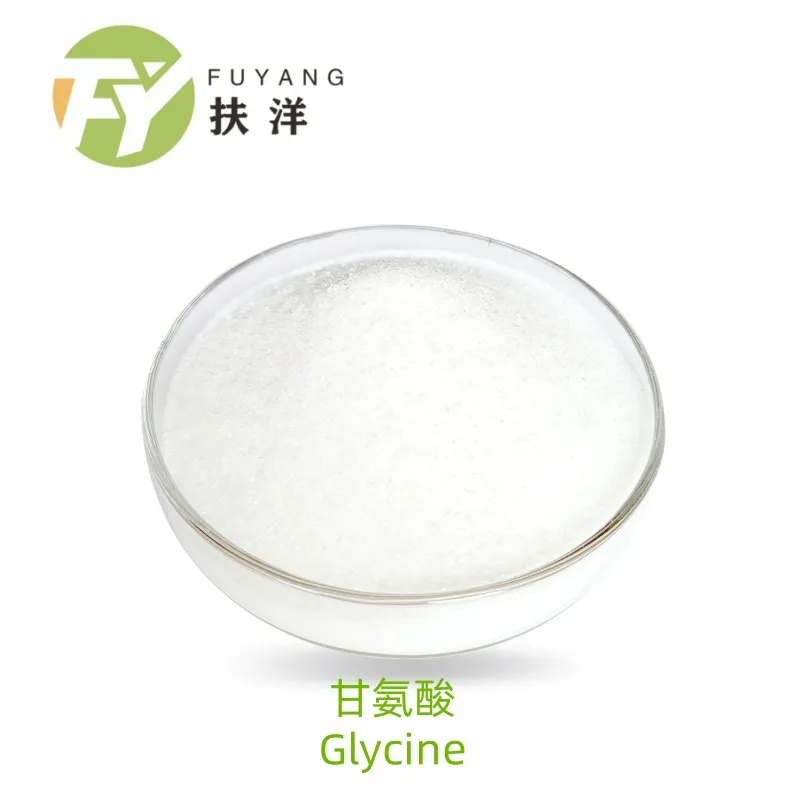
Glycine is a high-purity, versatile amino acid appearing as a white to off-white crystalline powder, renowned for its non-toxic nature and unique sweet taste. As a fundamental building block for proteins, it serves as a critical raw material across the pharmaceutical, food processing, animal nutrition, and agricultural sectors, providing essential metabolic support and functional enhancements.
Engineered for high solubility and stability, our Glycine is optimized for diverse applications—from enhancing the umami flavor in food products and boosting livestock immunity in feed to acting as a vital precursor for high-efficiency herbicides and plant growth regulators. Its amphoteric structure and chelating properties make it an indispensable additive for improving product quality and operational efficiency.
Detailed Parameters
| Product Name | Glycine | CAS No. | 56-40-6 |
|---|---|---|---|
| Molecular Formula | C2H5NO2 | Molecular Weight | 75.07 |
| EINECS NO. | 200-272-2 | Physical State | Crystalline Powder |
| Melting Point | 232 - 236°C | Relative Density | 1.16 g/cm³ |
| Solubility | Water soluble / Slightly ethanol soluble | Packaging | 25kg/bag, 500kg/ton bag |
Key Advantages
Immune Boosting
Enhances immunoglobulin synthesis and glutathione production to strengthen disease resistance in animals and plants.
Extended Shelf Life
Inhibits microorganisms like E. coli and delays lipid oxidation, significantly prolonging food freshness.
Flavor Optimization
Adds a natural sweetness (~80% of sucrose) and enhances umami, while masking bitterness in processed foods.
Growth Acceleration
Promotes protein synthesis and photosynthetic efficiency, increasing dry weight and root length in crops.
Stress Resilience
Reduces electrolyte leakage in plants under drought or salt stress, maintaining physiological homeostasis.
Mineral Chelation
Binds metal ions like Zn and Fe to prevent nutrient loss and improve absorption in soil and animal feed.
Product Gallery
Management Platforms
Feed Integration
Optimizes nutrient utilization and reduces feed-to-meat ratios in livestock farming.
Industrial Synthesis
Acts as the primary raw material for glyphosate and pyrethroid insecticides.
Medical Grade Control
Supports neuroregulation, liver detoxification, and heavy metal chelation therapy.
Food Grade Stability
Regulates pH balance and stabilizes Vitamin C in beverages and baked goods.
Agricultural Yield
Improves pollen viability and fruit development through precise metabolic regulation.
Quality Assurance
Strict adherence to purity standards for consistent performance in sensitive applications.
Investment Return Comparison
| Application Area | Traditional Method | Glycine Enhanced |
|---|---|---|
| Crop Growth | Standard Fertilizer | Increased Root Length & Dry Weight |
| Animal Feed | Basic Protein Mix | Lower Feed-to-Meat Ratio |
| Food Shelf Life | Chemical Preservatives | Natural Microbial Inhibition |
| Plant Stress | Watering Only | Reduced Electrolyte Leakage |
| Flavor Profile | High Sugar Addition | Balanced Low-Sugar Sweetness |
Frequently Asked Questions
Glycine acts as a raw material for protein synthesis and regulates intestinal microbiota, which boosts nutrient absorption and reduces the overall feed-to-meat ratio.
Yes, Glycine has a sweetness level of approximately 80% of sucrose, making it an ideal choice for low-sugar or sugar-free products to avoid rapid blood sugar spikes.
Glycine is the primary raw material for the synthesis of glyphosate, one of the most effective and widely used herbicides globally.
It reduces leaf electrolyte leakage and MDA content while increasing chlorophyll levels, allowing crops to maintain photosynthetic activity under high-salinity conditions.
Yes, supplementation in aquaculture improves disease resistance in fish and shrimp and helps reduce ammonia excretion, which improves overall water quality.
Our Glycine is available in standard 25 kg bags or drums, as well as larger 500 kg ton bags for industrial-scale requirements.