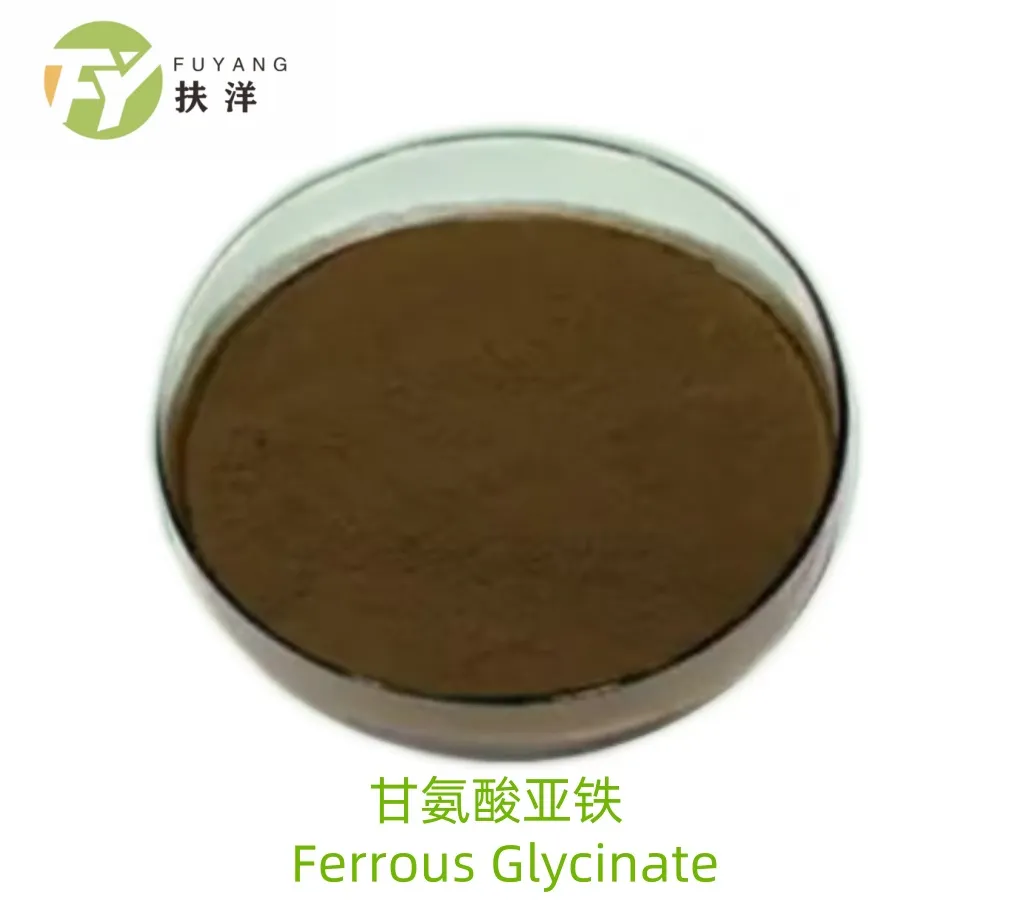
Iron Bisglycinate is a premium chelated mineral supplement specifically engineered for high bioavailability and optimal absorption in animal nutrition. By bonding iron with glycine, this advanced compound prevents the typical interference caused by other dietary minerals, ensuring that critical hemoglobin synthesis is supported across a wide range of livestock and pet species.
Designed for precision feeding, Iron Bisglycinate is essential for preventing iron-deficiency anemia in young animals and supporting the physiological demands of pregnant or lactating livestock. Its stable chemical structure minimizes gastrointestinal irritation and maximizes the efficiency of iron reserves, promoting overall growth, immunity, and productivity in professional breeding operations.
Detailed Parameters
| Chemical Name | Iron Bisglycinate / Ferrous Glycinate | Product Category | Amino Acid Chelated Minerals |
|---|---|---|---|
| Primary Function | Hemoglobin Synthesis & Anemia Prevention | Target Species | Mammals, Poultry, Pets, Aquatic Animals |
| Bioavailability | High (Chelated Form) | Application Area | Feed & Breeding Supplements |
| Key Benefit | Enhanced Iron Reserves | Stability | High stability in feed premixes |
| Physiological Role | Oxygen Transport & Metabolic Support | Recommended Use | Piglets, Laying Hens, Lactating Animals |
Key Advantages
Anemia Prevention
Effectively prevents iron-deficiency anemia in piglets (3-7 days old) and young animals to ensure early-stage survival.
Rapid Absorption
Chelated structure allows for faster and more efficient absorption compared to inorganic iron salts.
Shell Quality Boost
Improves eggshell quality and structural integrity in laying hens for reduced breakage rates.
Maternal Support
Optimizes iron reserves in pregnant and lactating animals to support fetal development and milk quality.
Crustacean Molting
Provides critical iron support for molting processes in shrimp and other aquatic crustaceans.
Low Toxicity Risk
Reduced oxidative stress and lower risk of toxicity when compared to high-dose inorganic iron.
Product Gallery
Management Platforms
Dosage Optimization
Precision dosing strategies for piglets and poultry to avoid yolk discoloration.
Ruminant Strategy
Combining chelated iron with coated sources to bypass rumen degradation.
Aquatic Control
Strict supplementation limits to prevent algae proliferation in water systems.
Veterinary Guidance
Professional dosage alignment for anemic pets (dogs/cats) under vet supervision.
Lifecycle Tracking
Monitoring iron levels from weaning to adulthood for optimal livestock health.
Quality Compliance
Ensuring yolk color standards are met by controlling iron levels in layers.
Investment Return Comparison
| Performance Metric | Inorganic Iron Salts | Iron Bisglycinate |
|---|---|---|
| Absorption Rate | Low to Moderate | Very High |
| Digestive Irritation | Significant | Minimal |
| Anemia Recovery Speed | Slow | Rapid |
| Interaction with Zinc/Ca | High Interference | Low Interference |
| Overall Feed Efficiency | Standard | Enhanced |
Frequently Asked Questions
Iron Bisglycinate is a chelated form, meaning it is protected from antagonistic dietary components, resulting in significantly higher bioavailability and lower gastrointestinal stress.
Yes, excessive iron supplementation in laying hens may darken the yolk color, which might not comply with some market standards. Dosage should be carefully managed.
It is suitable, but because rumen microorganisms may partially degrade the chelate, we recommend combining it with coated iron sources to maximize bioavailability.
Iron is essential for the molting process in crustaceans. However, supplementation must be strictly limited to prevent algae proliferation in the water.
No. Iron Bisglycinate treats iron-deficiency anemia. Conditions caused by parasites or systemic infections require primary medical treatment before iron supplementation can be effective.
Adult herbivores with iron-sufficient diets (e.g., horses on rich forage) or animals with severe hepatorenal impairment should avoid excessive supplementation to prevent toxicity.