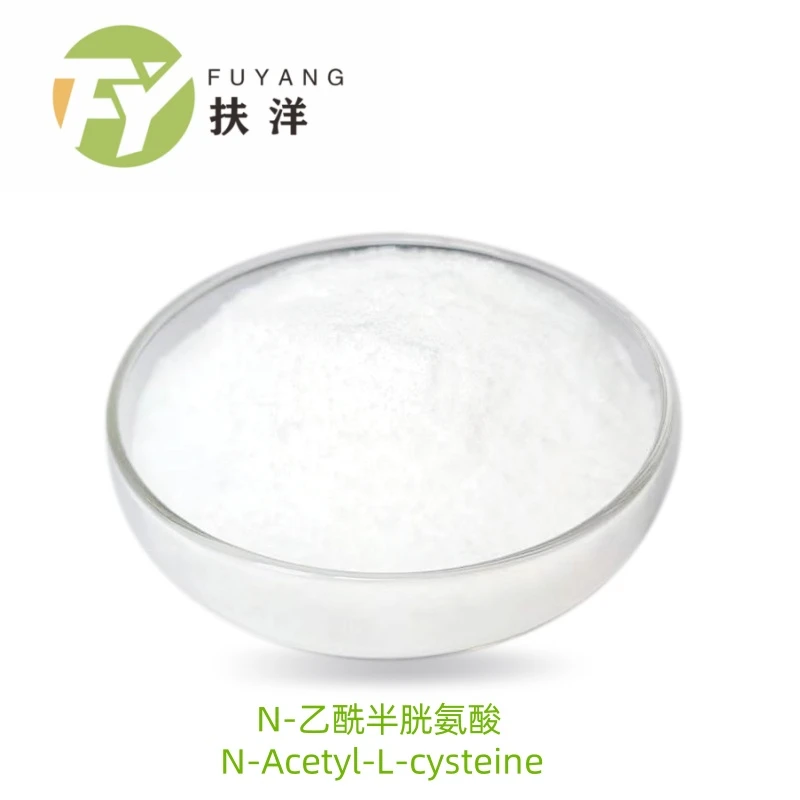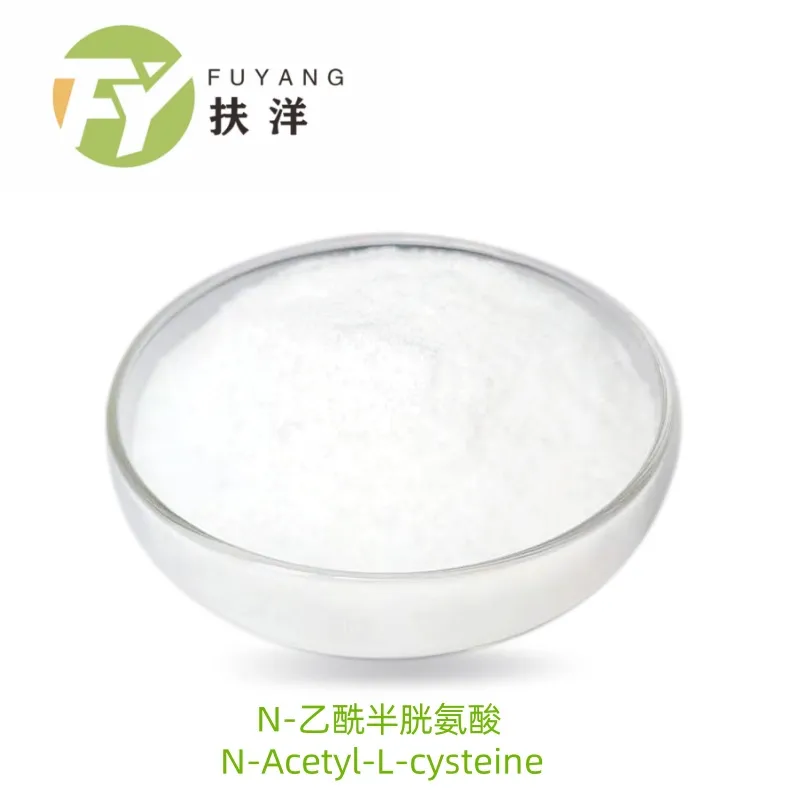
N-Acetylcysteine (NAC) is a high-performance derivative of the amino acid L-cysteine, serving as a critical pharmacological agent and feed additive in modern veterinary medicine. By functioning as a potent precursor to glutathione (GSH), NAC provides an essential defense mechanism against oxidative stress, neutralizing free radicals and protecting vital organ systems in a wide range of animal species.
Our pharmaceutical-grade N-Acetylcysteine is engineered to address complex challenges in animal health, from emergency detoxification of acetaminophen poisoning to the management of chronic respiratory infections. Whether utilized as a mucolytic agent to improve airflow or as an antioxidant to mitigate heat stress in poultry, NAC ensures optimal physiological recovery and enhanced productivity across livestock and companion animal sectors.
Detailed Parameters
| CAS Number | 616-91-1 | Molecular Formula | C₅H₉NO₃S |
|---|---|---|---|
| Molecular Weight | 163.20 | EINECS NO. | 211-806-2 |
| Chemical Nature | Amino Acid Derivative | Core Function | Mucolytic & Antioxidant |
| Primary Application | Veterinary Feed & Medicine | Active Group | Sulfhydryl (-SH) |
| Solubility | Water Soluble | Regulatory Status | EU/China Compliant |
Key Advantages
Hepatic Protection
Rapidly replenishes glutathione to neutralize NAPQI metabolites, preventing hepatic necrosis in poisoning cases.
Respiratory Relief
Efficiently breaks disulfide bonds in mucus, reducing viscosity and improving oxygenation in pneumonia cases.
Stress Mitigation
Reduces oxidative damage during heat stress in poultry, improving overall egg production by 5-8%.
Toxin Chelation
Binds heavy metals like lead and mercury via sulfhydryl groups, enhancing cellular detoxification.
Immune Boosting
Stimulates lymphocyte proliferation, increasing the efficacy of vaccinations in swine and cattle.
Multi-Species Use
Versatile application across pets, poultry, ruminants, and aquaculture with species-specific dosing.
Product Gallery
Management Platforms
Quality Control
Strict adherence to purity standards to ensure maximum bioavailability and safety.
Dosage Optimization
Tailored administration guidelines for IV, oral, and nebulization routes.
Regulatory Guidance
Full compliance with EU residue limits and China's Veterinary Drug Administration.
Interaction Monitoring
Strategic scheduling to avoid interactions with oxidizers and certain antibiotics.
Supply Chain Stability
Global distribution network ensuring timely delivery of critical feed additives.
Research Integration
Incorporating new data on antiviral adjuncts and reproductive health improvements.
Investment Return Comparison
| Application Area | Standard Treatment | NAC-Enhanced Result |
|---|---|---|
| Poultry Heat Stress | Basic Hydration | 5-8% Higher Egg Production |
| Acetaminophen Toxicity | Supportive Care | >60% Survival Rate Improvement |
| Mycotoxin Exposure | Standard Binding | 50% Reduction in ALT Levels |
| Respiratory Disease | Antibiotics Only | Faster Mucus Clearance & Recovery |
| Reproductive Health | Basic Nutrition | 15% Increase in Sperm Motility |
Frequently Asked Questions
NAC acts as a precursor to glutathione (GSH). In cases of poisoning, such as acetaminophen ingestion, it replenishes GSH levels to neutralize toxic metabolites like NAPQI, preventing permanent liver damage.
Yes, NAC is a potent mucolytic. It breaks the disulfide bonds in mucus, reducing viscosity and making it easier for animals with pneumonia or bronchitis to clear their airways.
For mitigating heat stress in poultry, administering 100 mg/kg of NAC in feed is recommended to protect cellular integrity and maintain egg production levels.
NAC should not be used concurrently with strong oxidizers (e.g., potassium permanganate) or certain antibiotics like penicillin. It is advised to administer these treatments at least 2 hours apart.
In aquaculture, NAC is typically used as a feed additive at dosages of 200–500 mg/kg to reduce oxidative damage during transport or in high-density farming environments.
Yes, our NAC follows EU approved indications for detoxification with specific residue limits, as well as China's Regulations on the Administration of Veterinary Drugs.