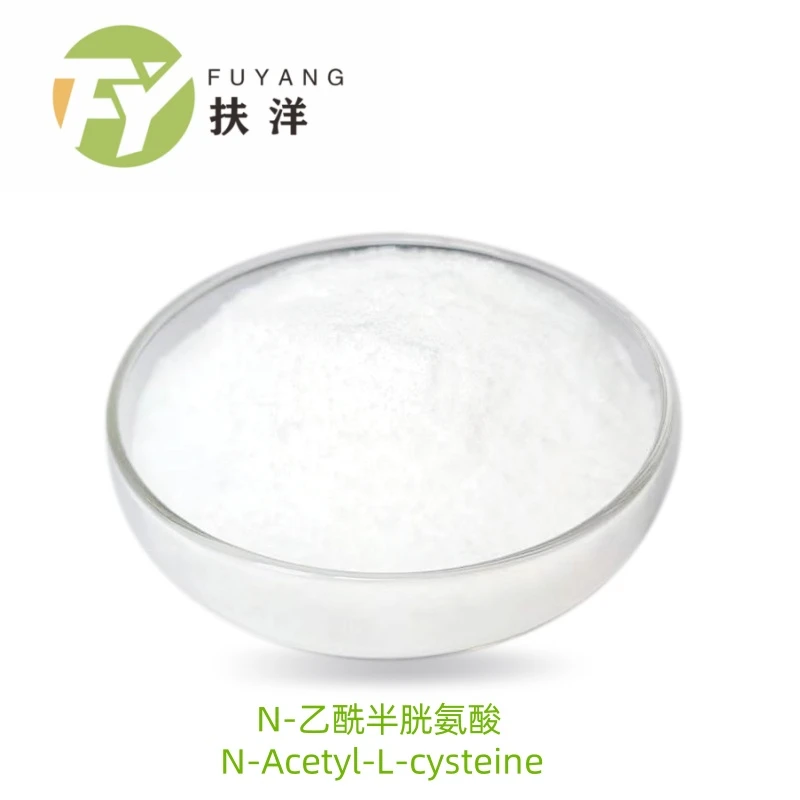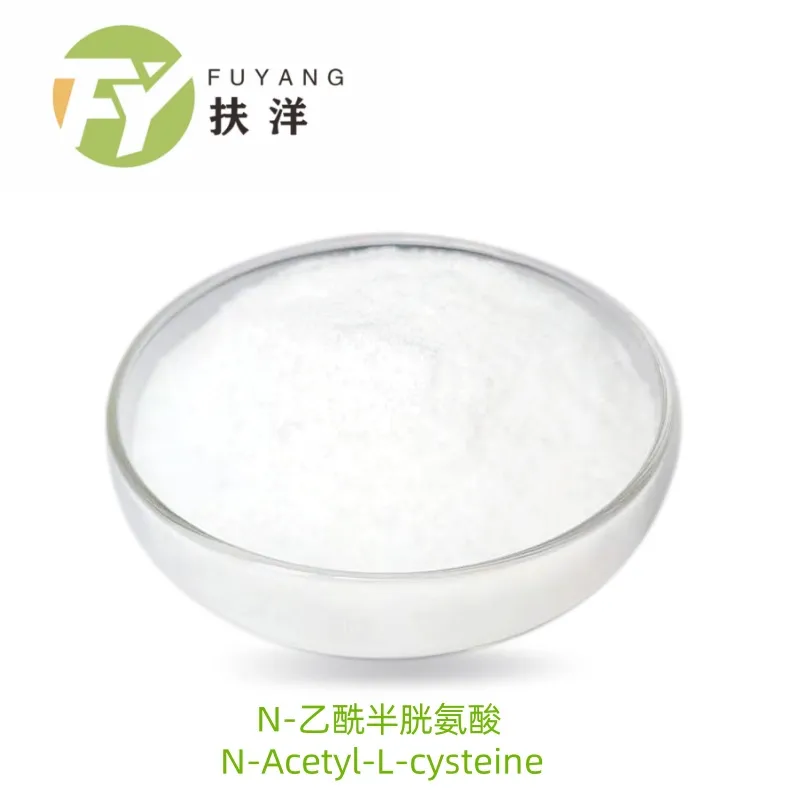
N-Acetylcysteine (NAC) is a high-performance pharmaceutical-grade derivative of the amino acid L-cysteine, serving as a critical additive in veterinary medicine and animal nutrition. Engineered to replenish intracellular glutathione (GSH) levels, NAC acts as a powerful antioxidant and mucolytic agent, providing comprehensive protection against oxidative stress, heavy metal toxicity, and acute respiratory distress across various livestock and companion animal species.
By leveraging its unique sulfhydryl (-SH) groups, NAC effectively neutralizes toxic metabolites and breaks disulfide bonds in pulmonary mucus, making it an indispensable tool for enhancing livestock productivity, improving vaccine efficacy, and managing emergency poisoning cases. From poultry heat stress mitigation to equine respiratory care, our N-Acetylcysteine ensures optimal physiological resilience and superior health outcomes in professional breeding and farming environments.
Detailed Parameters
| CAS No. | 616-91-1 | Molecular Formula | C₅H₉NO₃S |
|---|---|---|---|
| Molecular Weight | 163.20 | EINECS NO. | 211-806-2 |
| Chemical Name | N-Acetyl-L-cysteine | Primary Function | Antioxidant/Mucolytic |
| Active Group | Sulfhydryl (-SH) | Application Area | Veterinary Medicine & Feed |
| Target Species | Poultry, Swine, Ruminants, Pets | Compliance | EU & China Regulatory Standards |
Key Advantages
Hepatoprotective Power
Rapidly replenishes glutathione to neutralize toxic metabolites and prevent hepatic necrosis during poisoning.
Respiratory Relief
Efficiently breaks mucus disulfide bonds to reduce viscosity and improve airflow in pneumonia and bronchitis.
Stress Mitigation
Protects poultry against heat stress, significantly improving egg production and overall flock vitality.
Toxin Clearance
Chelates heavy metals like lead and mercury while reducing aflatoxin-induced liver damage in livestock.
Immune Boosting
Stimulates lymphocyte proliferation and enhances the efficacy of critical livestock vaccinations.
Broad Versatility
Applicable across aquaculture, avian, porcine, and canine sectors with tailored dosage protocols.
Product Gallery
Management Platforms
Dosage Precision
Species-specific dosing guides for IV, oral, and feed additive administration.
Oxidation Control
Specialized guidelines for fresh solution preparation to prevent rapid oxidation in water.
Interaction Alerts
Critical monitoring to avoid concurrent use with oxidizers or certain antibiotics.
Regulatory Tracking
Full compliance with EU residue limits and China Veterinary Drug Administration rules.
Delivery Systems
Flexible application via nebulization, drinking water, or direct feed mixing.
Quality Assurance
Strict adherence to purity standards ensuring maximum bioavailability in animal tissues.
Investment Return Comparison
| Metric | Without NAC Supplement | With NAC Supplement |
|---|---|---|
| Poultry Egg Yield | Baseline Production | 5%–8% Increase |
| Liver Recovery Rate | Standard Natural Healing | Up to 60% Faster Recovery |
| Respiratory Recovery | Prolonged Mucus Stasis | Rapid Airflow Improvement |
| Vaccine Response | Standard Antibody Level | Enhanced Immune Proliferation |
| Transport Stress | High Mortality/Loss | Reduced Oxidative Damage |
Frequently Asked Questions
NAC replenishes glutathione (GSH) stores, which are depleted during acetaminophen metabolism. This allows the body to neutralize toxic NAPQI metabolites, preventing severe hepatic necrosis and significantly increasing survival rates.
For mycotoxin detoxification and heat stress, NAC is typically administered via drinking water at 100–200 mg/L for 3–5 days, or as a feed additive (100 mg/kg) to boost egg production.
While NAC is a powerful mucolytic that improves airflow, it is most effective as an adjunct therapy. It should be used alongside appropriate antibiotics or antivirals, maintaining a 2-hour interval to avoid drug interactions.
Yes, excessive dosage may lead to gastrointestinal distress, including vomiting or diarrhea. Additionally, rapid IV infusion can lead to hypotension; therefore, slow administration is recommended.
NAC reduces oxidative stress caused by high-density farming and transport conditions by scavenging free radicals, thereby protecting cellular integrity and reducing mortality in fish and shrimp.
Recent research indicates that NAC can improve semen quality in bulls, with observed increases in sperm motility by up to 15%, supporting better breeding outcomes.