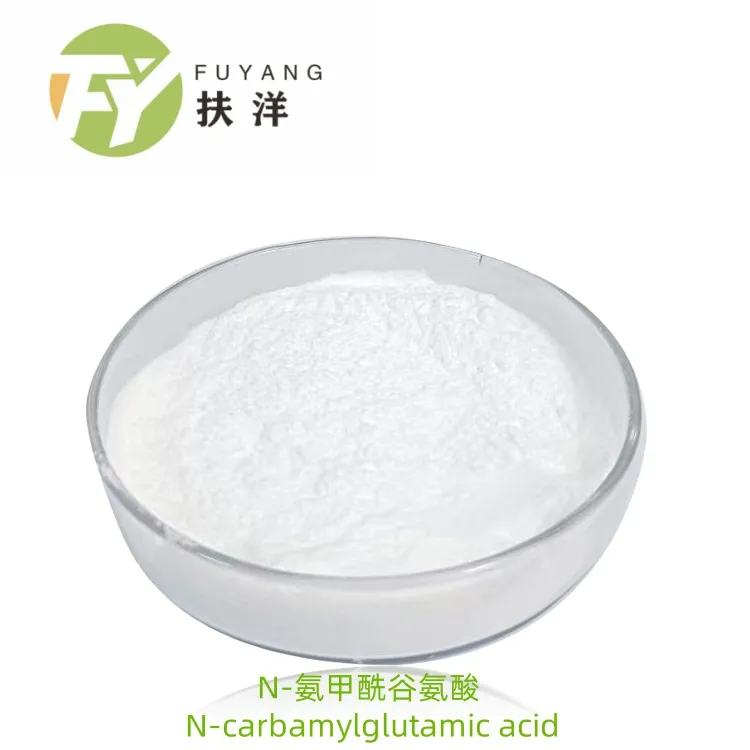
N-Carbamylglutamic Acid (NCG) is a high-efficiency biochemical additive and a structural analog of N-acetylglutamic acid. It serves as a critical catalyst in the urea cycle by activating carbamoyl phosphate synthetase I (CPS I), which significantly accelerates the endogenous synthesis of arginine. This makes it an indispensable tool for improving growth performance and metabolic health across livestock, pets, and specialized medical applications.
By providing a chemically stable alternative to direct arginine supplementation, NCG overcomes the challenges of gut microbial degradation and high raw material costs. Whether used to reduce weaning diarrhea in piglets, enhance milk yield in sows, or treat urea cycle disorders in humans, NCG delivers superior bioavailability and precise metabolic regulation to ensure optimal biological outcomes.
Detailed Parameters
| Product Name | N-Carbamylglutamic Acid | CAS No. | 1188-38-1 |
|---|---|---|---|
| Molecular Formula | C6H10N2O5 | Molecular Weight | 190.15 |
| EINECS NO. | 601-569-3 | Appearance | White crystalline powder |
| Shelf Life | 24 Months | Packing | 25kg/drum |
| Storage | Cool and dry place | Purity | Industry Standard Grade |
Key Advantages
Intestinal Health
Strengthens mucosal barrier function and significantly reduces diarrhea rates in weaned piglets and young animals.
Rapid Growth
Increases daily weight gain by 5%–15% and optimizes the feed-to-gain ratio by 3%–8%.
Chemical Stability
Unlike direct arginine, NCG is highly stable and resists degradation by gut microbes, ensuring maximum efficiency.
Reproductive Boost
Enhances sow milk yield and quality, leading to higher survival rates for suckling piglets.
Metabolic Support
Aids ammonia metabolism in urea cycle disorders and improves protein metabolism in critical care patients.
Cost Efficiency
Reduces overall feed costs by replacing expensive direct arginine with an efficient synthetic precursor.
Product Gallery
Management Platforms
Feed Integration
Seamless mixing into standard feed formulations for weaned piglets and calves.
Dosage Control
Precise concentration management from 0.01% to 0.10% based on animal species.
Stress Mitigation
Targeted application for animals facing heat stress or disease recovery periods.
Synergy Optimization
Combining NCG with Vitamin B6 and Zinc to maximize metabolic output.
Pet Nutrition
Specialized protocols for puppies and kittens to boost early-stage immunity.
Quality Assurance
Strict adherence to purity standards for both veterinary and research-grade use.
Investment Return Comparison
| Target Species | Direct Arginine | N-Carbamylglutamic Acid |
|---|---|---|
| Weaned Piglets | High degradation risk | Reduced diarrhea & faster growth |
| Sows | Standard milk yield | Increased milk yield & piglet survival |
| Calves/Lambs | Slow stress recovery | Rapid weaning stress alleviation |
| Aquatic Species | Variable efficiency | Improved disease resistance |
| Feed Costs | Higher raw material cost | Lower cost via endogenous synthesis |
Frequently Asked Questions
Direct arginine is expensive and easily degraded by gut microbes. NCG is a stable precursor that activates CPS I to promote the animal's own endogenous arginine synthesis, resulting in better bioavailability and lower costs.
For weaned piglets, the recommended dosage is 0.03% to 0.10% in the feed to effectively reduce diarrhea and promote overall growth performance.
Yes, NCG is used as a structural analog of NAG to treat urea cycle disorders, specifically NAGS deficiency, and to support protein metabolism in critically ill patients under medical supervision.
Absolutely. It enhances intestinal health in dogs and cats, alleviates protein metabolism issues due to weak digestion, and boosts immunity in puppies and kittens.
NCG should be stored in a cool, dry place. When stored correctly, it has a shelf life of 24 months.
Yes, NCG works synergistically with minerals like zinc and vitamins such as B6 to further enhance metabolic effects and animal growth.