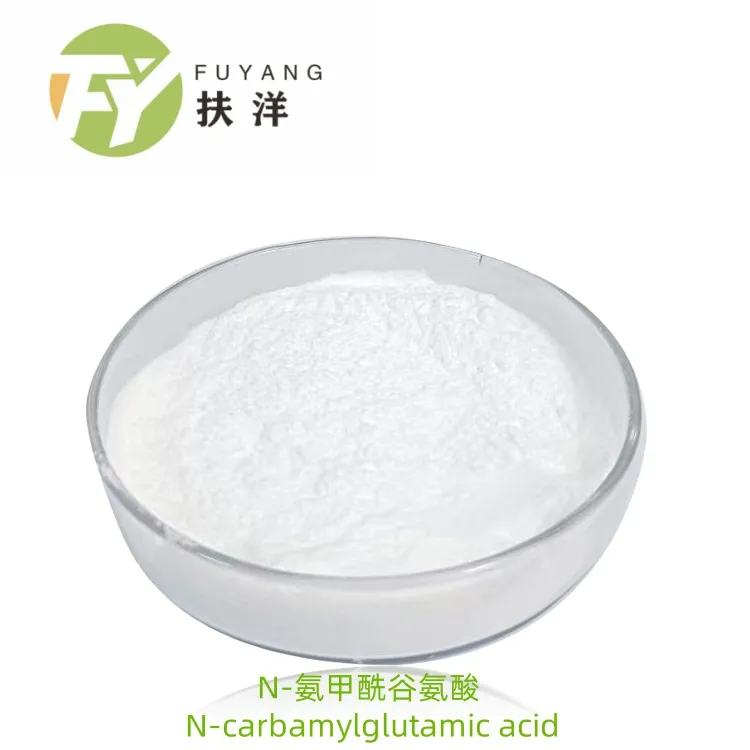
N-Carbamylglutamic Acid (NCG) is a high-efficiency metabolic activator and structural analog of N-acetylglutamic acid (NAG). Specifically engineered for animal nutrition and human medical applications, NCG functions as a critical intermediate in the arginine synthesis pathway by activating carbamoyl phosphate synthetase I (CPS I). This process enhances the urea cycle and significantly boosts endogenous arginine levels, making it an indispensable additive for livestock, pets, and clinical metabolic support.
By optimizing protein metabolism and ammonia detoxification, NCG offers a stable and cost-effective alternative to direct arginine supplementation. It is particularly effective for young animals with underdeveloped synthesis capacities and individuals suffering from urea cycle disorders. From improving weaning performance in piglets to enhancing immune response in aquatic species, NCG provides a scientifically proven approach to maximizing growth efficiency and overall biological health.
Detailed Parameters
| Product Name | N-Carbamylglutamic Acid | CAS No. | 1188-38-1 |
|---|---|---|---|
| Molecular Formula | C6H10N2O5 | Molecular Weight | 190.15 |
| EINECS NO. | 601-569-3 | Appearance | White Crystalline Powder |
| Shelf Life | 24 Months | Packing | 25kg/drum |
| Storage | Cool, dry place | Application | Feed, Pharma, Research |
Key Advantages
Enhanced Immunity
Strengthens intestinal mucosal barriers and lowers diarrhea rates, particularly in weaned piglets.
Growth Acceleration
Increases daily weight gain by 5%–15% and reduces feed-to-gain ratios by 3%–8%.
High Stability
Unlike direct arginine, NCG is chemically stable and resistant to gut microbe degradation.
Cost Efficiency
Reduces total feed costs by replacing expensive arginine with high-conversion NCG.
Reproductive Boost
Improves sow milk yield and quality, directly increasing the survival rates of suckling piglets.
Metabolic Support
Activates CPS I to aid ammonia metabolism in both veterinary and human medical contexts.
Product Gallery
Management Platforms
Animal Nutrition
Optimizing endogenous arginine synthesis for piglets, calves, and lambs.
Human Medicine
Treatment of NAGS deficiency and urea cycle disorders to reduce blood ammonia.
Pet Care
Alleviating protein metabolism issues and boosting immunity in puppies and kittens.
Aquatic Health
Improving disease resistance and feed efficiency in aquatic species.
Scientific Research
Serving as a tool compound for modeling urea cycle-related diseases.
Metabolic Support
Supporting protein metabolism in postoperative and critically ill patients.
Investment Return Comparison
| Animal Category | Recommended Dosage | Primary Objective |
|---|---|---|
| Weaned Piglets | 0.03% ~ 0.10% | Reduce diarrhea, promote growth |
| Sows | 0.05% ~ 0.08% | Increase milk yield & survival |
| Calves/Lambs | 0.02% ~ 0.06% | Alleviate stress, enhance weight |
| Aquatic Species | 0.01% ~ 0.05% | Improve disease resistance |
| Pet Food | Customized Blend | Immunity & digestion boost |
Frequently Asked Questions
NCG acts as an alternative substrate that activates carbamoyl phosphate synthetase I (CPS I), which enhances the urea cycle and stimulates the synthesis of endogenous arginine.
Direct arginine is costly and easily degraded by gut microbes. NCG is chemically stable and more efficiently converted to arginine within the body, reducing feed costs.
As a structural analog of N-acetylglutamic acid (NAG), NCG activates CPS I to facilitate ammonia metabolism, effectively reducing toxic blood ammonia levels.
NCG works synergistically with vitamins (such as B6) and minerals (such as zinc) to further enhance overall metabolic effects and growth performance.
Yes, it is safe when used according to recommended dosages. Excessive doses should be avoided to prevent unnecessary ammonia metabolic burden.
It should be stored in a cool, dry place to maintain its stability and efficacy for its 24-month shelf life.