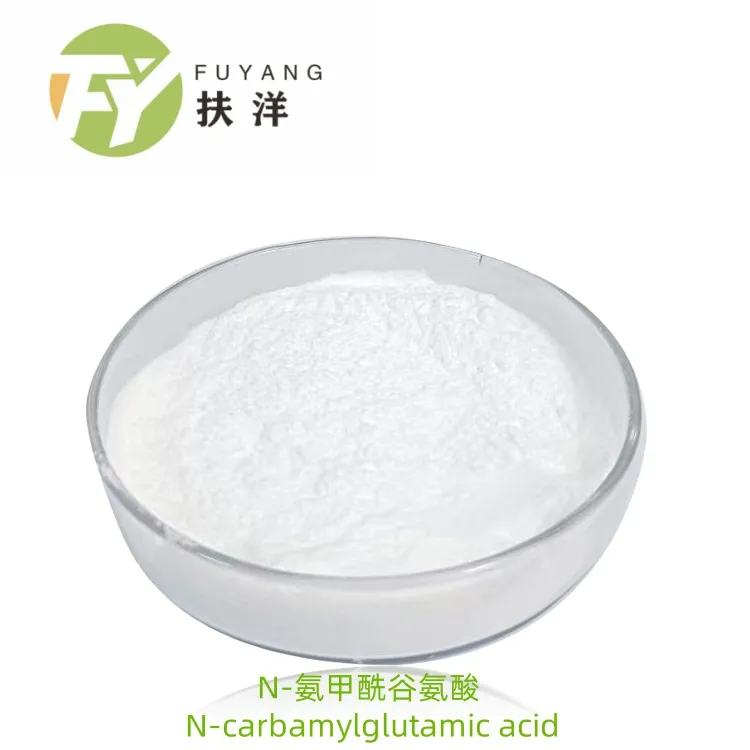
N-Carbamylglutamic Acid (NCG) is a high-efficiency synthetic analog of N-acetylglutamic acid (NAG), serving as a critical catalyst in the urea cycle. By specifically activating carbamoyl phosphate synthetase I (CPS I), NCG promotes the endogenous synthesis of arginine, making it an indispensable additive for optimizing protein metabolism and growth performance in livestock, pets, and specialized medical applications.
Designed as a stable and cost-effective alternative to direct arginine supplementation, NCG bypasses the degradation issues typically caused by gut microbes. Whether used to reduce weaning diarrhea in piglets, improve sow milk yield, or treat urea cycle disorders in humans, NCG delivers superior metabolic support, enhancing overall immunity and physiological resilience across multiple species.
Detailed Parameters
| Product Name | N-Carbamylglutamic Acid | CAS No. | 1188-38-1 |
|---|---|---|---|
| Molecular Formula | C6H10N2O5 | Molecular Weight | 190.15 |
| EINECS NO. | 601-569-3 | Appearance | White crystalline powder |
| Shelf Life | 24 Months | Packaging | 25kg/drum |
| Storage Condition | Cool, dry place | Main Function | CPS I Activation / Arginine Synthesis |
Key Advantages
Immune Support
Strengthens the intestinal mucosal barrier and boosts immunity, significantly reducing diarrhea rates in weaned piglets.
Growth Acceleration
Increases daily weight gain by 5%–15% and optimizes the feed-to-gain ratio by 3%–8% in young animals.
High Stability
Chemically more stable than pure arginine, resisting degradation by gut microbes for maximum bioavailability.
Reproductive Boost
Improves sow milk yield and quality, directly increasing the survival rates of suckling piglets.
Medical Precision
Effective treatment for urea cycle disorders (NAGS deficiency) by reducing blood ammonia levels.
Cost Efficiency
Reduces feed costs by substituting expensive direct arginine with highly efficient NCG synthesis activation.
Product Gallery
Management Platforms
Quality Control
Rigorous purity testing ensuring strict compliance with international chemical and feed standards.
Production Scale
Advanced industrial synthesis capabilities providing stable bulk supply for global manufacturers.
Technical Support
Professional guidance on dosage and formulation for livestock, pets, and research applications.
Logistics Network
Optimized global shipping solutions to ensure prompt delivery of moisture-sensitive chemicals.
R&D Innovation
Continuous research into arginine metabolism to expand the application of NCG in aquaculture.
Compliance Hub
Complete documentation including CAS, EINECS, and MSDS for seamless customs clearance.
Investment Return Comparison
| Animal Category | Recommended Dosage | Primary Objectives |
|---|---|---|
| Weaned Piglets | 0.03% ~ 0.10% | Reduce diarrhea, promote growth |
| Sows | 0.05% ~ 0.08% | Increase milk yield, piglet survival |
| Calves/Lambs | 0.02% ~ 0.06% | Alleviate weaning stress, weight gain |
| Aquatic Species | 0.01% ~ 0.05% | Disease resistance, feed efficiency |
| Pet Food | Custom Dosage | Intestinal health, immune boost |
Frequently Asked Questions
Unlike direct arginine, which is costly and easily degraded by gut microbes, NCG is chemically stable and acts as a catalyst to trigger the animal's own endogenous arginine synthesis, leading to better absorption and lower feed costs.
Yes, NCG is used as a structural analog of N-acetylglutamic acid (NAG) to treat urea cycle disorders, such as NAGS deficiency, by helping to reduce toxic blood ammonia levels under medical supervision.
NCG works synergistically with vitamins (especially B6) and minerals like zinc to further enhance protein metabolism and maximize the metabolic effects in animals.
Newborn piglets, calves, and lambs benefit most because they have underdeveloped arginine synthesis capacity. NCG helps them overcome this limitation during the critical weaning period.
It is important to strictly follow the recommended dosages. Excessive doses may place an unnecessary metabolic burden on ammonia processing within the liver.
NCG should be stored in a cool, dry place. When kept in its original 25kg drum under these conditions, it maintains a shelf life of 24 months.