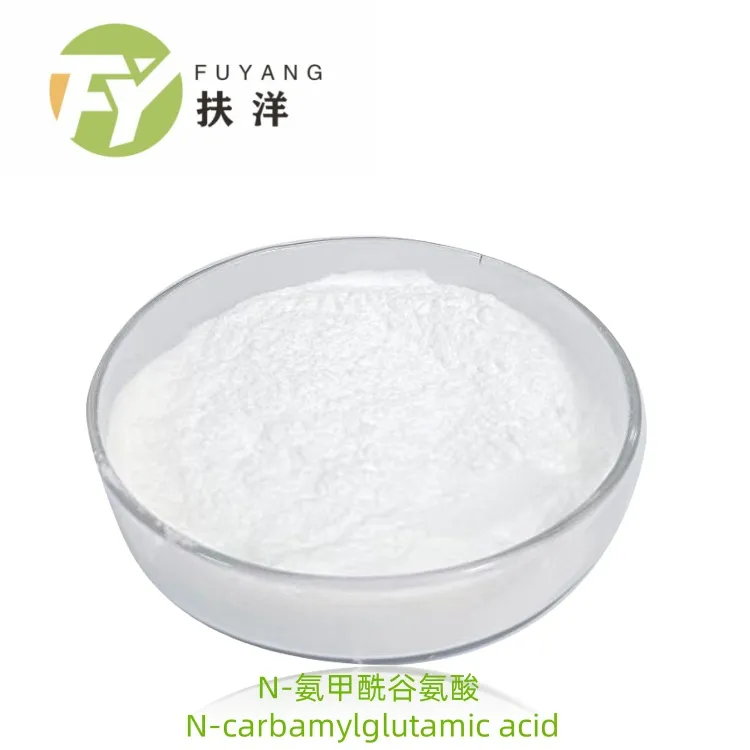
Product Overview
N-Carbamylglutamic Acid (NCG) is a high-efficiency metabolic activator and a critical structural analog of N-acetylglutamic acid (NAG). By activating carbamoyl phosphate synthetase I (CPS I), NCG serves as a powerful catalyst for the urea cycle, significantly enhancing the endogenous synthesis of Arginine. This makes it an indispensable additive for optimizing growth and health in young animals and livestock with underdeveloped metabolic capacities.
Beyond animal nutrition, NCG provides vital clinical support in human medicine for treating urea cycle disorders and ammonia metabolism dysfunction. Its exceptional chemical stability and superior bioavailability compared to direct arginine supplementation make it a cost-effective and high-performance solution for the agriculture, veterinary, and pharmaceutical sectors.
Detailed Parameters
| Product Name | N-Carbamylglutamic Acid | Molecular Formula | C6H10N2O5 |
|---|---|---|---|
| CAS No. | 1188-38-1 | Molecular Weight | 190.15 |
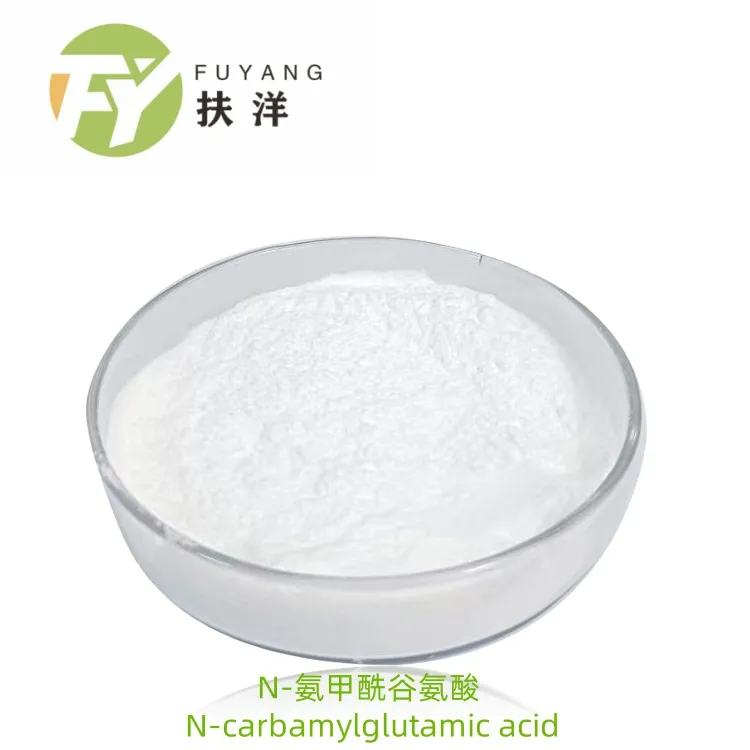
| EINECS NO. | 601-569-3 | Appearance | White Powder / Crystalline |
| Main Function | CPS I Activation / Arginine Synthesis | Purity Grade | Industrial/Feed/Pharmaceutical Grade |
| Storage Condition | Cool, dry, well-ventilated place | Compatibility | Synergizes with Vitamin B6 & Zinc |
Key Advantages
Enhanced Immunity
Strengthens intestinal mucosal barriers, significantly lowering diarrhea rates in weaned piglets and young animals.
Rapid Growth
Boosts daily weight gain by 5%–15% and optimizes feed-to-gain ratios by 3%–8% for faster turnover.
Cost Efficiency
More stable than direct arginine; prevents degradation by gut microbes, reducing overall feed costs.
Reproductive Boost
Improves sow milk yield and quality, leading to higher survival rates for suckling piglets.
Metabolic Support
Activates the urea cycle to reduce blood ammonia levels, essential for liver dysfunction and critical care.
Broad Application
Versatile use across swine, calves, lambs, aquatic species, pet food, and pharmaceutical research.
Product Gallery
Management Platforms
Dosage Precision
Strict adherence to species-specific ratios to prevent ammonia metabolic burden.
Synthesis Control
Advanced activation of CPS I for stable endogenous arginine production.
Stress Mitigation
Ideal for animals under heat stress or recovering from disease to maintain growth.
Intestinal Health
Optimizes mucosal barriers in piglets and puppies for superior digestion.
Quality Assurance
High-purity synthesis ensuring consistency across feed and medical batches.
Synergistic Mixing
Optimized for blending with Zinc and B-complex vitamins for maximum effect.
Investment Return Comparison
| Target Category | Direct Arginine Supplement | N-Carbamylglutamic Acid (NCG) |
|---|---|---|
| Weaned Piglets | High degradation in gut | Reduced diarrhea, faster growth |
| Sows/Mothers | Moderate milk increase | Significant increase in milk yield |
| Calves/Lambs | High cost per unit gain | Alleviates weaning stress efficiently |
| Aquatic Species | Variable absorption | Improved disease resistance |
| Cost-Effectiveness | Low (High waste/price) | High (Stable conversion) |
Frequently Asked Questions
Direct Arginine is expensive and often degraded by gut microbes before absorption. NCG is chemically stable and acts as a catalyst to trigger the animal's own body to produce arginine, reducing costs and improving efficiency.
NCG improves the milk yield and nutritional quality of the sow and strengthens the intestinal mucosal barrier of the piglets, reducing the incidence of weaning diarrhea.
Yes, NCG is used to treat urea cycle disorders (such as NAGS deficiency) and supports protein metabolism in critically ill or postoperative patients, but it must be used under strict medical supervision.
For aquatic species, the recommended dosage is generally between 0.01% and 0.05% in feed to improve disease resistance and overall feed efficiency.
Users should strictly follow the recommended dosage. Excessive doses may lead to an increased ammonia metabolic burden on the animal.
NCG works most effectively when combined with minerals such as Zinc and vitamins like Vitamin B6, which together enhance the metabolic pathway for arginine synthesis.