The Crucial Role of Amino Acids in Modern Poultry Nutrition
In the rapidly evolving landscape of animal agriculture, optimizing feed efficiency and animal health is paramount. For poultry, achieving superior growth rates, robust immune systems, and high-quality product outputs hinges significantly on precise nutritional strategies. Among the most critical components of modern poultry diets are amino acids. Specifically, the strategic inclusion of amino acids for poultry feed is no longer merely supplementary; it is foundational to sustainable and profitable poultry production.
Amino acids, the building blocks of proteins, are indispensable for various physiological functions in poultry, including muscle development, feather formation, egg production, and antibody synthesis. Deficiencies in even one essential amino acid can significantly impair growth and overall performance, leading to economic losses for producers. This article delves into the intricate world of amino acid nutrition for poultry, exploring industry trends, technical specifications, application advantages, and the manufacturing processes that bring these vital ingredients to market.
Industry Trends in Amino Acid Feed Additives
The poultry industry is continuously seeking innovative solutions to enhance productivity while addressing consumer demands for sustainable and welfare-friendly practices. Several key trends are shaping the development and application of amino acid feed additives:
- Precision Nutrition: Moving beyond crude protein, the focus is now on supplying specific amino acids in precise ratios to meet the birds' exact requirements at different growth stages. This reduces nitrogen excretion, minimizes environmental impact, and improves feed conversion ratios (FCR).
- Antibiotic Reduction Strategies: With increasing regulations and consumer pressure to reduce antibiotic use, functional amino acids for animal feed are playing a crucial role. They support gut health, enhance immune function, and help mitigate the impact of disease challenges, acting as a natural defense mechanism.
- Sustainable Sourcing: There's a growing emphasis on amino acids produced through environmentally friendly methods, often involving fermentation processes that utilize renewable raw materials. This aligns with broader sustainability goals in agriculture.
- Chelated Minerals and Functional Amino Acids: The integration of amino acids with essential trace minerals, such as in Zinc Cysteine Chelate, is a significant trend. This chelation enhances the bioavailability of minerals, improving their absorption and utilization, which in turn boosts immunity, bone development, and overall performance.
- Digitalization and Data Analytics: Advanced feed formulation software, coupled with real-time performance monitoring, allows for dynamic adjustment of feed amino acids levels, maximizing efficiency and minimizing waste.
These trends underscore the importance of high-quality, scientifically backed amino acid solutions in achieving optimal poultry health and productivity while adhering to modern ethical and environmental standards.
Detailed Manufacturing Process for Amino Acids
The production of high-quality amino acids for poultry feed typically involves advanced biotechnological processes, primarily microbial fermentation. This ensures purity, consistency, and scalability.
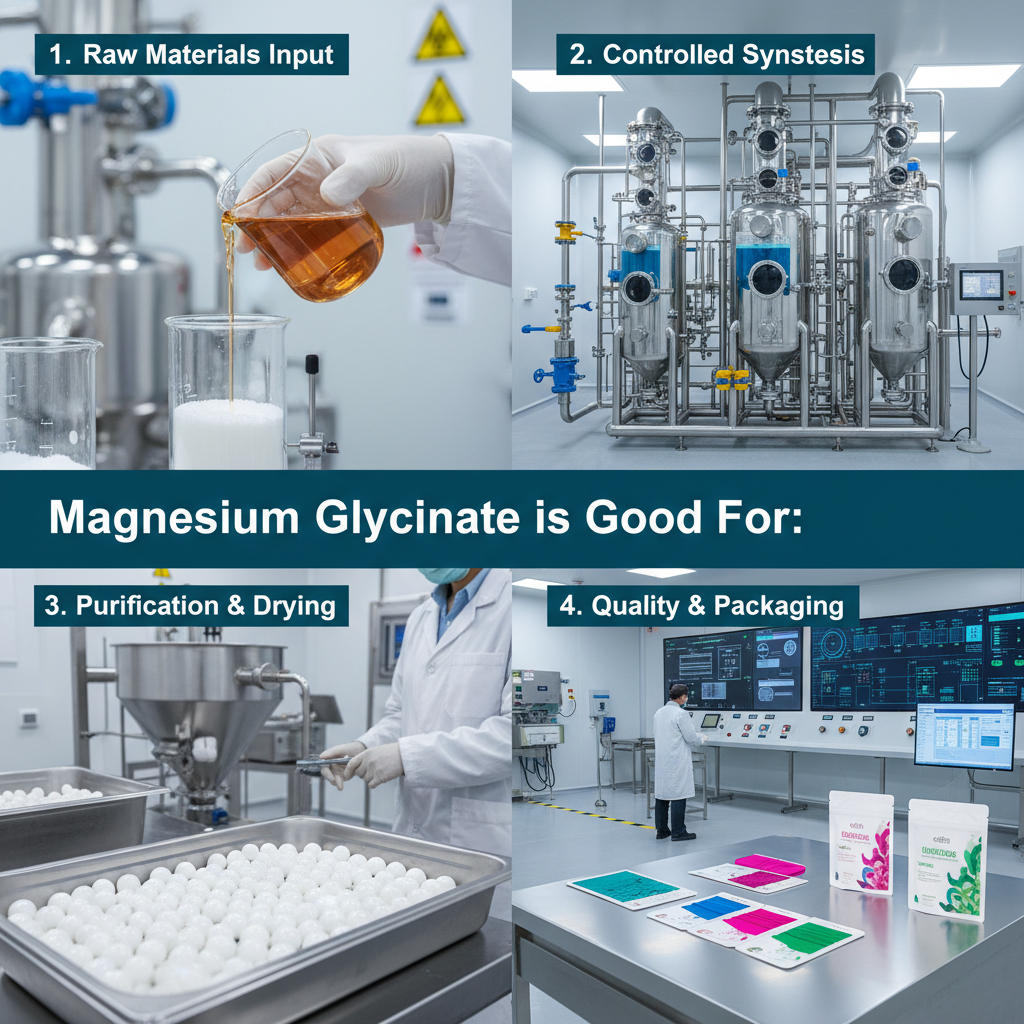
Process Flow: From Raw Material to Finished Product
-
Raw Material Preparation:
Product Materials: The primary raw materials are typically glucose or other carbohydrate sources (e.g., molasses, starch hydrolysates) that serve as carbon sources for microbial growth. Nitrogen sources (e.g., ammonia), phosphorus, and trace elements are also essential. For specific products like Zinc Cysteine Chelate, high-purity zinc salts and L-Cysteine are additional key inputs.
-
Fermentation:
This is the core of amino acid production. Specialized bacterial strains (e.g., Corynebacterium glutamicum or Escherichia coli), genetically engineered for efficient amino acid synthesis, are cultured in large bioreactors under carefully controlled conditions (temperature, pH, aeration, nutrient supply). The microbes metabolize the carbon source to produce the desired amino acid.
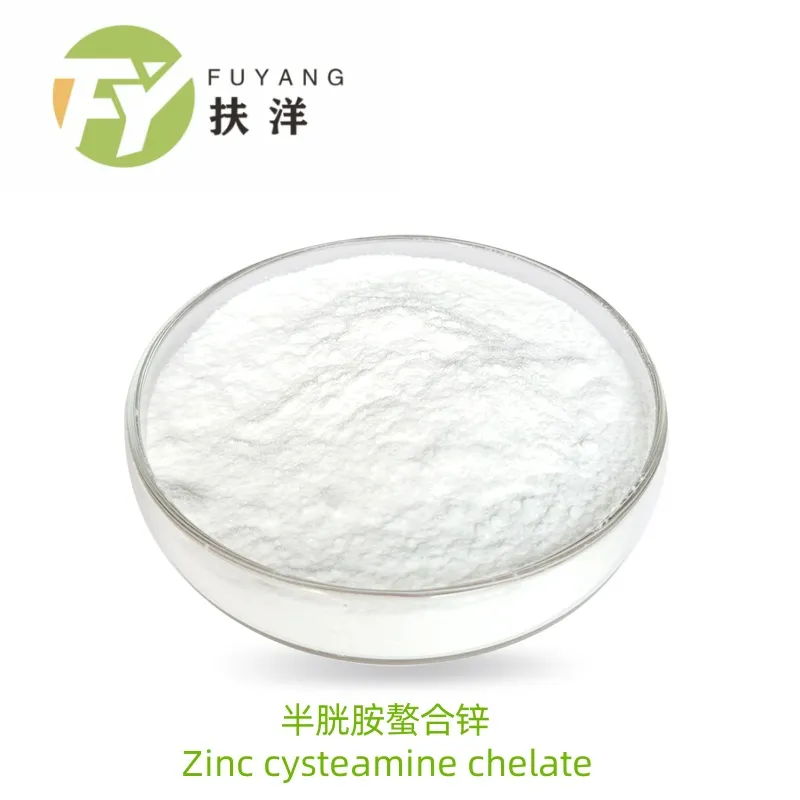
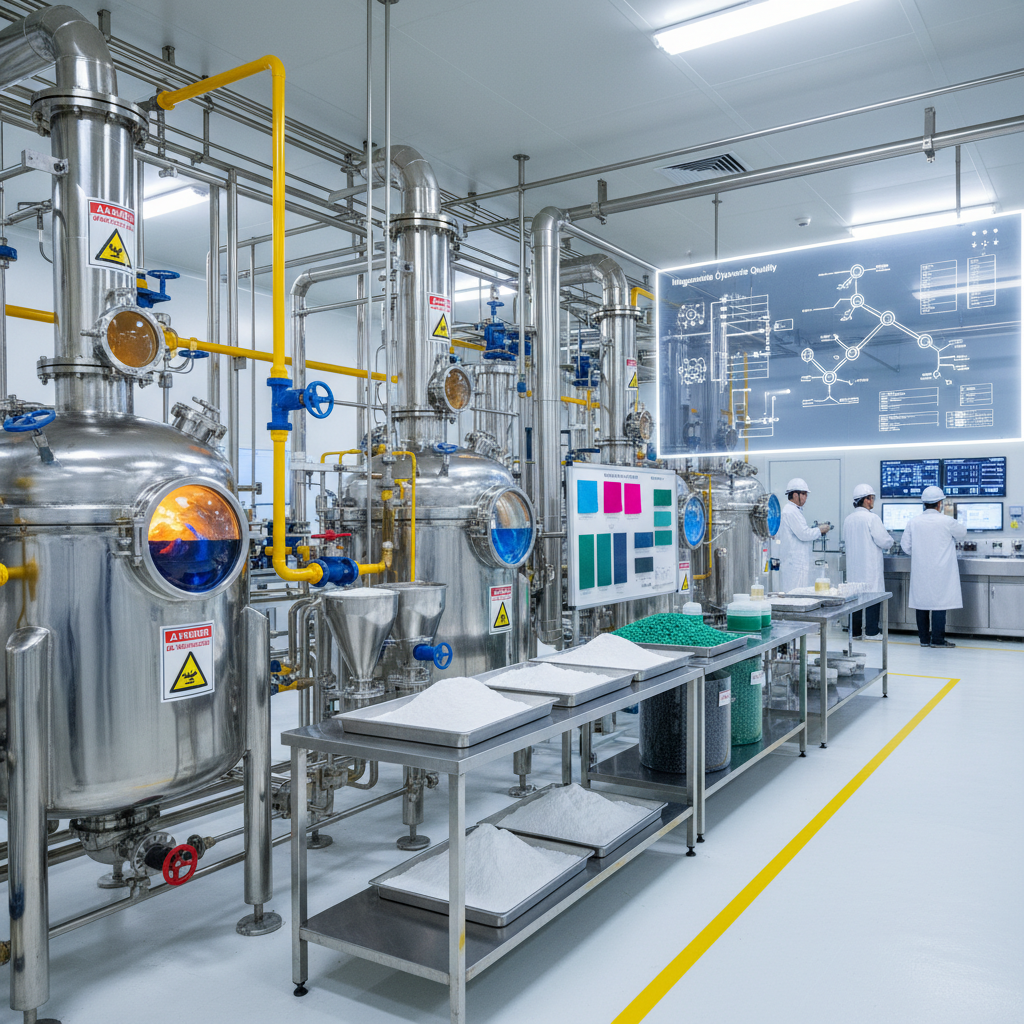
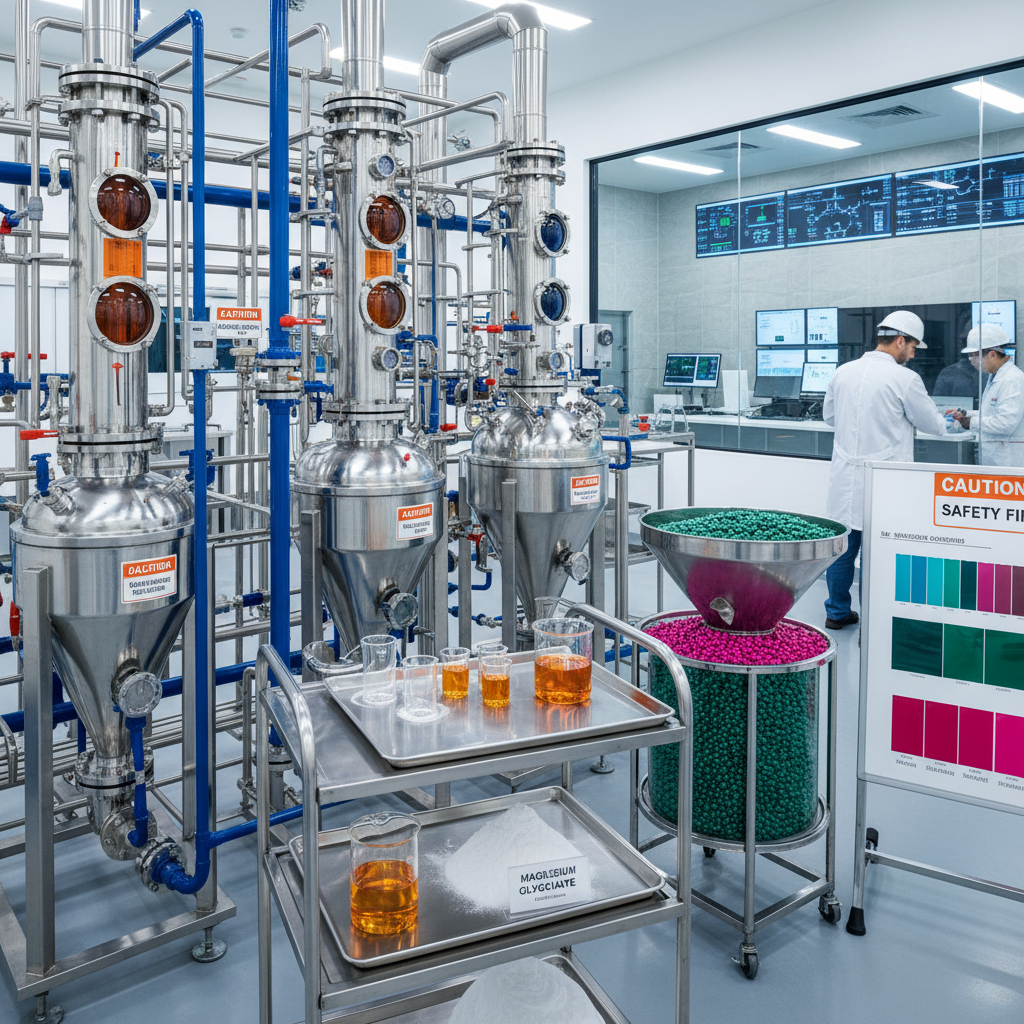
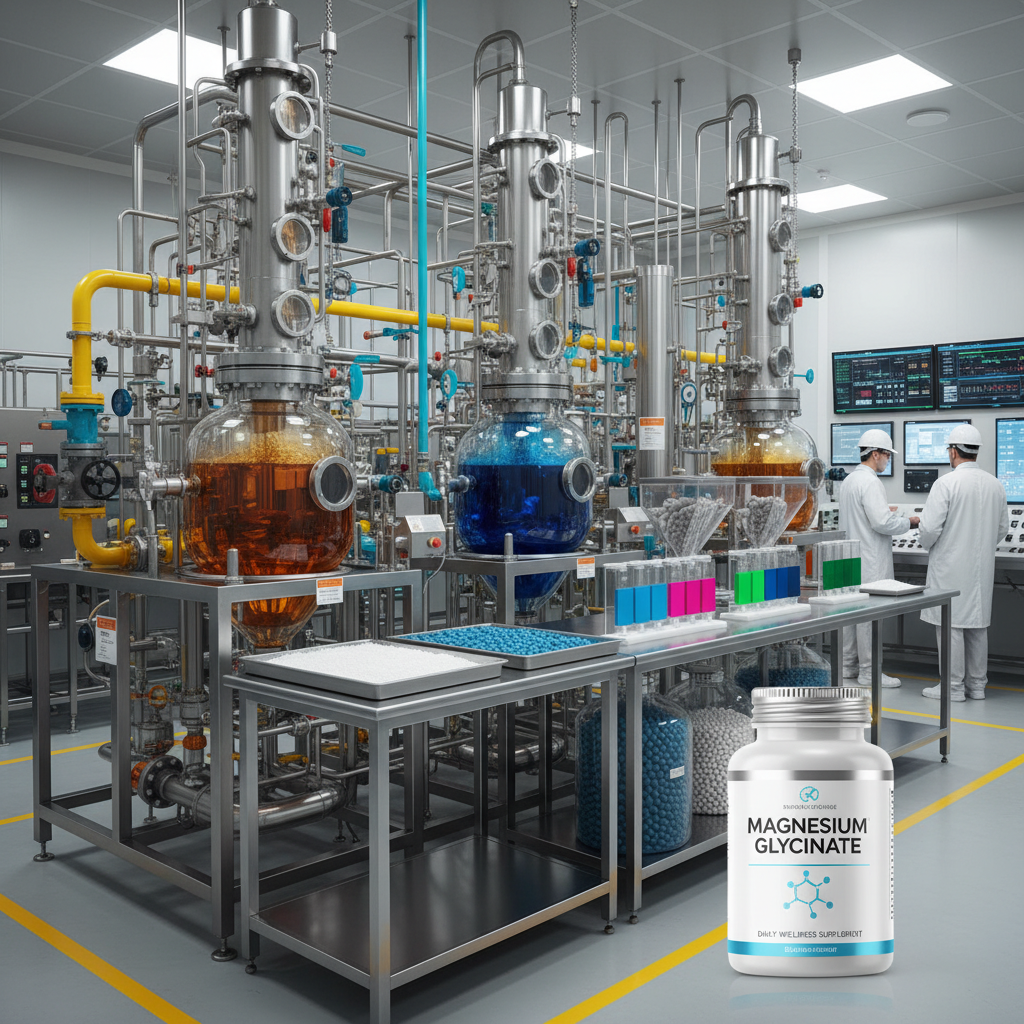
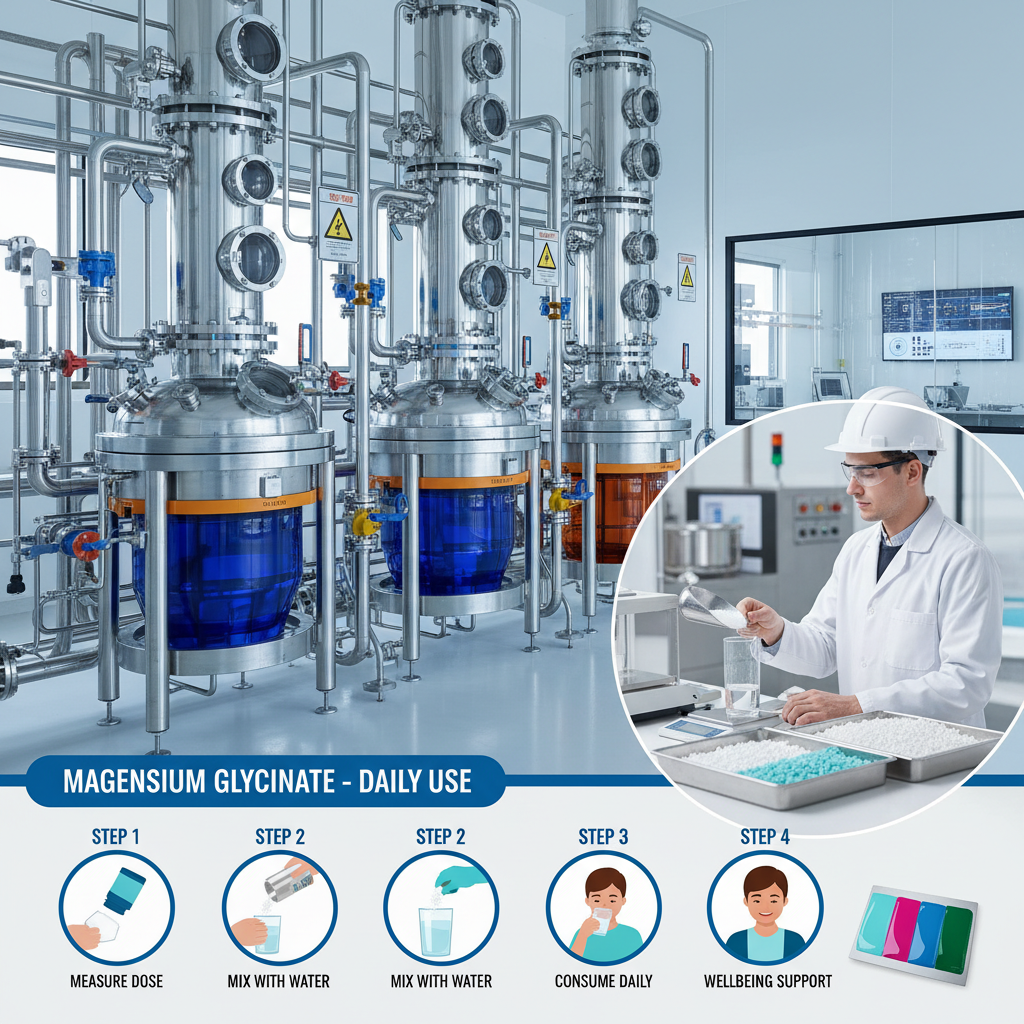
Illustration: Fermentation bioreactors in a modern production facility.
-
Separation and Purification:
Once fermentation is complete, the amino acid is recovered from the fermentation broth. This typically involves several steps:
- Cell Separation: Centrifugation or filtration to remove microbial cells.
- Ion Exchange Chromatography: A common method to selectively adsorb and desorb the amino acid, separating it from other components.
- Crystallization: The purified amino acid solution is concentrated and cooled, allowing the amino acid to crystallize out of solution in its pure form.
-
Drying and Grinding:
The crystals are then dried to a low moisture content using methods like spray drying or rotary drying, ensuring stability and shelf life. For specific applications, the dried product may be ground to a fine powder or granulated to achieve desired particle size and flowability.
-
Quality Control and Packaging:
Before packaging, extensive quality control checks are performed.
- Testing Standards: Products are rigorously tested against international standards such as ISO 9001 for quality management, FAMI-QS for feed safety, and often specific assay methods (e.g., HPLC) to confirm purity and concentration. ANSI standards might apply for equipment and operational safety.
- Service Life: Typical amino acid products, when stored correctly in cool, dry conditions, have a shelf life of 12-24 months.
Target Industries: While primarily focused on animal nutrition, the underlying biomanufacturing techniques can find parallels in sectors requiring high-purity biochemicals, such as pharmaceuticals or specialty chemicals, emphasizing precision engineering and rigorous quality control.
Advantages in Typical Application Scenarios (e.g., Energy Saving, Corrosion Resistance): The manufacturing of amino acids through fermentation is often more energy-efficient and environmentally friendly compared to traditional chemical synthesis, reducing fossil fuel dependence. For specific chelated products like Zinc Cysteine Chelate, the chelation process itself is designed to enhance stability and bioavailability, reducing degradation and interaction with other feed components (which could be seen as an internal 'corrosion resistance' for the nutrient). The precision of these processes ensures optimal nutrient delivery, minimizing waste and maximizing the 'energy saving' in terms of feed conversion by the animal.
Technical Specifications and Parameters
Understanding the technical specifications of amino acid feed additives is crucial for precise feed formulation. Below, we present key parameters for essential amino acids and a specific example, Zinc Cysteine Chelate.
Typical Amino Acid Requirements for Broiler Chickens (NRC, as-fed basis)
| Amino Acid | Starter (0-10 days) | Grower (11-24 days) | Finisher (25-42 days) |
|---|---|---|---|
| Lysine (total, %) | 1.35 | 1.25 | 1.10 |
| Methionine + Cysteine (total, %) | 1.00 | 0.90 | 0.80 |
| Threonine (total, %) | 0.90 | 0.82 | 0.75 |
| Tryptophan (total, %) | 0.25 | 0.23 | 0.20 |
Data represents general guidelines and may vary based on genetic strain, environmental conditions, and specific production goals.
Product Specification: Zinc Cysteine Chelate
Zinc Cysteine Chelate is an advanced organic trace mineral, offering superior bioavailability compared to inorganic zinc sources. It is an excellent example of a functional feed amino acid product designed for enhanced performance.
| Parameter | Specification |
|---|---|
| Product Name | Zinc Cysteine Chelate |
| Appearance | Light yellow to white powder |
| Zinc Content (min) | 15% |
| Cysteine Content (min) | 30% |
| Moisture (max) | 6% |
| Particle Size | ≥98% through 80 mesh |
| Heavy Metals (as Pb, max) | <10 ppm |
| Storage | Store in a cool, dry place, sealed against moisture and light. |
| Shelf Life | 24 months when stored properly |
Application Scenarios and Technical Advantages
The targeted application of amino acids for animal feed delivers significant performance improvements across various poultry production systems.
Key Application Scenarios:
- Broiler Production: Supplementation with essential amino acids like Lysine, Methionine, and Threonine optimizes muscle growth, improves FCR, and reduces time to market.
- Layer Hens: Balanced amino acid profiles are crucial for consistent egg production, shell quality, and egg mass, especially during peak laying periods.
- Breeder Flocks: Adequate feed amino acids support reproductive performance, hatchability rates, and the health of day-old chicks.
- Stress Conditions: During periods of heat stress, disease challenge, or vaccination, increased levels of specific amino acids can bolster immune response and aid recovery. For instance, Cysteine (a component of Zinc Cysteine Chelate) is a precursor to glutathione, a key antioxidant.
- Low-Protein Diets: By precisely supplementing synthetic amino acids, producers can formulate lower crude protein diets without compromising performance, thereby reducing feed costs and nitrogen excretion.
Technical Advantages:
- Improved Feed Conversion Ratio (FCR): By providing precisely the required amino acids, the bird's body can more efficiently convert feed into muscle and eggs, reducing the amount of feed needed per unit of product.
- Enhanced Growth and Body Weight: Optimally balanced amino acid levels directly translate to faster growth rates and heavier market weights for broilers.
- Superior Carcass Quality: Specific amino acids influence muscle development and fat deposition, leading to better meat yield and quality.
- Stronger Immunity and Disease Resistance: Amino acids are vital for immune cell function and antibody production. For example, the zinc from Zinc Cysteine Chelate is highly bioavailable and crucial for over 300 enzyme functions, including those in the immune system, enhancing the bird's ability to resist pathogens.
- Reduced Environmental Impact: Lowering dietary crude protein through amino acid supplementation leads to decreased nitrogen excretion, mitigating ammonia emissions and water pollution.
- Cost-Effectiveness: While synthetic amino acids represent an initial investment, the improvements in FCR and reduced reliance on expensive protein sources (like soy meal) often result in significant overall feed cost savings.
The strategic use of amino feed additives, particularly advanced formulations like chelated minerals, exemplifies a commitment to both animal welfare and economic efficiency.
Vendor Comparison: Choosing the Right Partner
Selecting a reliable supplier for amino acid feed additives is critical for ensuring consistent product quality, technical support, and supply chain stability. When evaluating vendors, consider factors beyond just price, focusing on product quality, certifications, research capabilities, and customer service.
Key Vendor Comparison Criteria:
| Criterion | Leading Vendor A (e.g., HB Fuyang Bio) | Alternative Vendor B (e.g., General Supplier) |
|---|---|---|
| Product Purity & Consistency | >98.5% guaranteed, rigorous internal QA/QC, batch-to-batch consistency reports. | Typically >97%, standard testing, some batch variation observed. |
| Certifications | ISO 9001, FAMI-QS, Halal, Kosher. Adherence to EU/FDA standards. | May have ISO 9001, FAMI-QS sometimes, less international specific certifications. |
| Technical Support & R&D | Dedicated technical specialists, nutritionist support, ongoing R&D in bioavailability and novel solutions. | Basic product support, limited R&D investment. |
| Supply Chain Reliability | Multiple production sites, global distribution network, robust inventory management, strategic partnerships. | Often single production site, regional focus, potential for supply disruptions. |
| Product Range | Comprehensive portfolio including essential amino acids, chelated minerals (e.g., Zinc Cysteine Chelate), and custom blends. | Limited to basic essential amino acids, fewer specialized products. |
| Traceability | Full backward and forward traceability of raw materials and finished products. | Basic traceability, potentially less granular. |
Reputable suppliers, such as HB Fuyang Bio, demonstrate authoritativeness through years of service, adherence to international quality standards (e.g., ISO, FAMI-QS), and a robust R&D pipeline that contributes to industry advancements in amino acids for animal feed.
Customized Solutions and Application Case Studies
Recognizing that each poultry operation has unique challenges and goals, leading manufacturers of amino feed offer tailored solutions. This can range from custom blend formulations to specialized technical support for complex nutritional strategies.
Customized Solution Offerings:
- Feed Formulation Optimization: Expert nutritionists work with clients to optimize existing feed matrices, ensuring precise amino acid balancing for specific genetics, environmental conditions, and production targets (e.g., slow-growing broilers vs. high-yield strains).
- Proprietary Blend Development: For operations with unique requirements, specialized blends of amino acids and other feed additives can be developed to address specific health or performance issues.
- Technical Training and Workshops: Providing ongoing education to farm managers and nutritionists on the latest advancements in amino acid nutrition and best practices.
- Analytical Services: Offering feed ingredient analysis to accurately determine inherent amino acid levels and guide supplementation.
Application Case Study: Enhanced Broiler Performance with Zinc Cysteine Chelate
Client: A large integrated poultry producer in Southeast Asia, managing 5 million broilers across multiple farms.
Challenge: The client faced issues with suboptimal broiler immunity, leading to higher susceptibility to common gut infections and poor feathering quality, despite using standard inorganic zinc supplementation. This resulted in increased mortality and downgraded carcasses.
Solution: In collaboration with our technical team, the client transitioned from inorganic zinc sulfate to Zinc Cysteine Chelate as their primary zinc source in broiler finisher diets. The dosage was optimized based on trial data and targeted zinc delivery.
Results (6-month observation period):
- Improved FCR: A 2-point improvement in FCR (from 1.62 to 1.60) was observed, translating to significant feed cost savings.
- Reduced Mortality: Overall mortality decreased by 0.5%, primarily due to enhanced immune response and gut integrity.
- Enhanced Feather Quality: A noticeable improvement in feather development and integrity was reported by farm managers, leading to fewer downgrades at processing.
- Better Footpad Health: Incidence of footpad dermatitis decreased by 15%, indicating better overall health and welfare.
Conclusion: The adoption of Zinc Cysteine Chelate, a bioavailable source of zinc delivered via amino acids for poultry feed, demonstrably improved key performance indicators for the client, validating the benefits of advanced organic trace minerals. This case exemplifies how expert experience and specific product solutions can drive tangible economic and welfare improvements.
Ensuring Trustworthiness: FAQ, Lead Time, Warranty, and Support
Frequently Asked Questions (FAQ)
A: Synthetic amino acid feed additives allow for precise balancing of the amino acid profile, reducing reliance on expensive, variable protein meals, lowering crude protein levels, improving FCR, and decreasing nitrogen excretion, thus enhancing both economic and environmental sustainability.
A: Chelated minerals offer significantly higher bioavailability compared to inorganic forms. The amino acid ligand (Cysteine in this case) protects the mineral from antagonism in the gut, ensuring more efficient absorption. This leads to improved immune function, bone development, feather quality, and stress resistance.
A: Yes, our manufacturing facilities adhere to stringent international quality and safety standards, including ISO 9001 and FAMI-QS certification, ensuring product purity, consistency, and compliance with global regulatory requirements for amino acids for animal feed.
Lead Time and Fulfillment
We maintain a robust supply chain to ensure timely delivery of our feed amino acids. Standard lead times for most common products range from 7-14 business days for domestic orders and 21-45 days for international shipments, depending on destination and shipping method. For customized solutions or large-volume orders, specific lead times will be communicated upon inquiry. We offer flexible packaging options, including 25kg bags, bulk bags, and custom packaging, to meet diverse client needs.
Warranty Commitments
All our products are backed by a comprehensive quality warranty, guaranteeing that they meet or exceed the specified technical parameters and industry standards at the time of delivery. This includes purity, concentration, and absence of harmful contaminants. Any product found not to conform to our specifications will be replaced or refunded in accordance with our terms and conditions. Our commitment to quality control minimizes the risk of non-conforming products.
Customer Support and After-Sales Service
Our dedication to client success extends beyond product delivery. We provide comprehensive after-sales support, including:
- Technical Assistance: Access to a team of experienced nutritionists and technical specialists for feed formulation advice, troubleshooting, and optimization strategies.
- Logistics Support: Assistance with customs clearance, shipping documentation, and tracking to ensure smooth delivery.
- Product Information: Detailed product data sheets, safety data sheets (SDS), and certificates of analysis (CoA) provided for every batch.
- Feedback Mechanism: A responsive customer service team is available via phone and email to address any queries or concerns promptly.
Our goal is to build long-term partnerships based on mutual trust and shared success in leveraging the power of amino acids for poultry feed.
Conclusion
The role of amino acids for poultry feed is indispensable in modern, efficient, and sustainable poultry production. From traditional essential amino acids to advanced organic chelates like Zinc Cysteine Chelate, these additives enable precision nutrition, enhance animal health and performance, and contribute to environmental stewardship. By partnering with authoritative and experienced suppliers who prioritize quality, research, and customer support, poultry producers can confidently implement cutting-edge nutritional strategies, ensuring optimal outcomes for their flocks and their businesses.
References
- National Research Council. Nutrient Requirements of Poultry. 9th rev. ed. National Academy Press, Washington, D.C., 1994.
- Lemme, A., et al. Amino acid recommendations for poultry. World's Poultry Science Journal, 60(3), 324-343, 2004.
- Kidd, M.T. The amino acid requirements of broiler chickens. Poultry Science, 79(9), 1334-1339, 2000.
- Swain, B.K., et al. Effect of chelated minerals on performance, immune response and mineral retention in broiler chickens. Journal of Applied Animal Research, 43(1), 1-8, 2013.
- Liu, P., et al. Effects of dietary amino acid levels on growth performance, carcass characteristics and gut health in broilers. Animal Science Journal, 86(3), 299-307, 2015.