Why Betaine HCl Hydrochloric Acid Matters in Industrial Settings
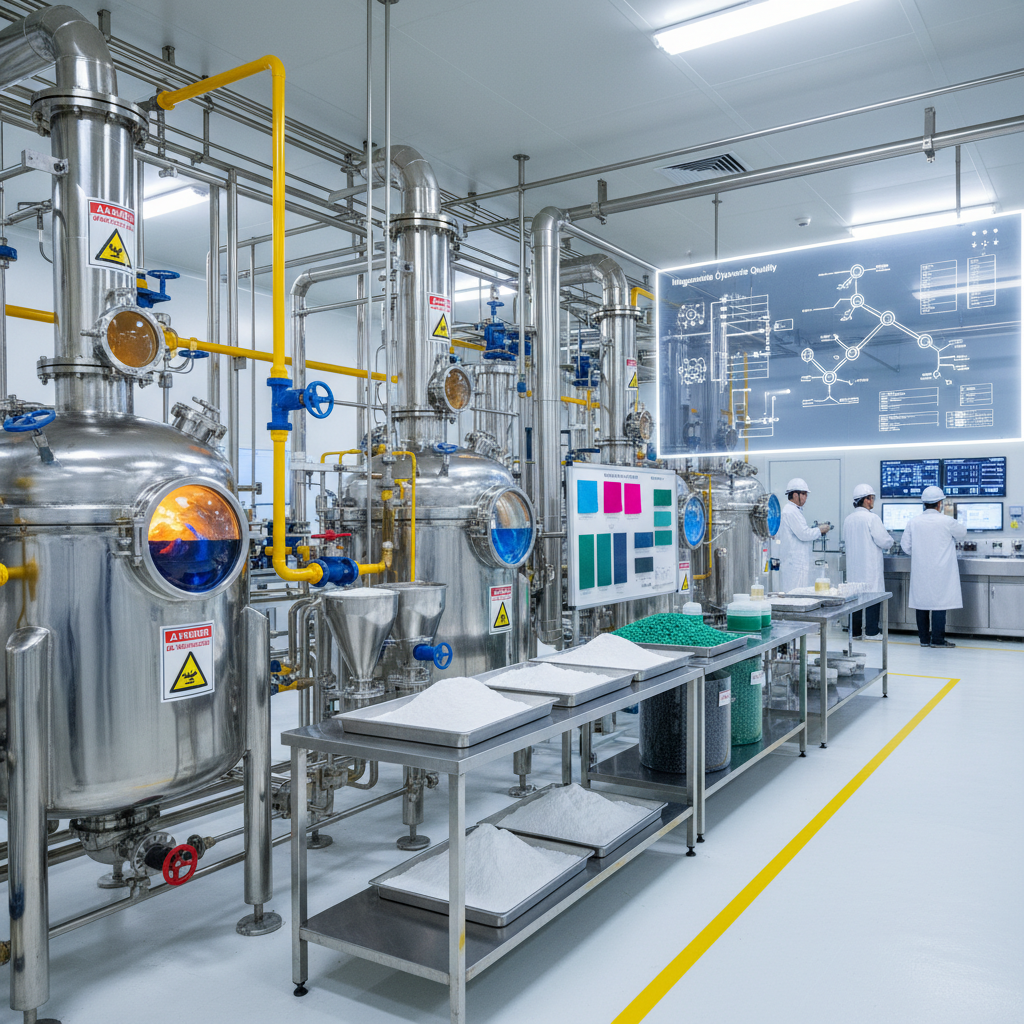
Having worked with industrial chemicals for more than a decade, I can tell you that few compounds are as widely appreciated — and cautiously handled — as Betaine HCl hydrochloric acid. Oddly enough, it feels like a humble player on the chemical scene, but its versatility makes it indispensable in certain manufacturing and processing lines.
Frankly, the first time I saw Betaine HCl at work was in a mid-sized facility specializing in supplemental ingredients. What struck me was how it neatly balanced potency with relative safety compared to other acids. Hydrochloric acid on its own can be brutal — corrosive, reactive, almost demanding respect at every step. But when bonded as Betaine HCl, many engineers say it’s a game changer for formulations that require acidifying agents without excessive hazards.
Understanding Betaine HCl Hydrochloric Acid: Key Specifications
In real terms, you’re looking at a chemical that delivers highly efficient acid content while maintaining stability and solubility in water-based solutions. It's typically used in industries ranging from animal feed additives to pharmaceuticals, all depending on how fine-tuned the beta ester and hydrochloride balance is.
| Specification | Typical Value | Unit |
|---|---|---|
| Purity | 98% | % |
| Appearance | White Crystalline Powder | - |
| Moisture Content | ≤ 1.5 | % |
| Solubility | Highly Soluble in Water | - |
| pH (1% solution) | ~1.0 - 2.0 | pH units |
Not all suppliers deliver on these specs consistently, though. It's that variation which can make a big difference downstream. One plant’s 98% might be another's 95%, and that subtle shift can cause bigger ripples if you’re batch-scaling a fine-tuned recipe.
Vendor Comparison: Choosing Reliable Betaine HCl Suppliers
Picking the right supplier can be a bit of a minefield. I’ve seen procurement teams waste weeks chasing the lowest price, only to find out that shipment quality varied wildly or lead times were unrealistic. Here’s a rough comparison of three vendors I’ve worked with or studied closely. I wish it were more straightforward — but hey, it’s industry.
| Vendor | Purity Range | Lead Time | Price (per kg) | Certification |
|---|---|---|---|---|
| HBFuyang Bio | 97-99% | 1-2 weeks | $15 - $17 | ISO 9001, GMP |
| ChemGlobal Inc. | 95-97% | 2-3 weeks | $13 - $16 | ISO 14001 |
| PureChem Solutions | 98-99% | 3-4 weeks | $18 - $20 | ISO 9001, REACH |
What really stood out for me with Betaine HCl hydrochloric acid from HBFuyang Bio was their mix of quality, responsiveness, and professional documentation. We’re talking about a product that’s not just numbers on a datasheet but something that folks on the line can handle without second-guessing. That peace of mind is priceless.
For companies scaling from pilot projects to full production runs, paying attention to lead times is vital. Oddly enough, faster delivery at a decent purity often outweighs chasing the last penny in cost savings.
Final Thoughts: Betaine HCl’s Place in Modern Industry
At the end of the day, Betaine HCl hydrochloric acid is a neat little piece of the puzzle in chemical manufacturing and formulation. Its balance of acid strength and handling safety can make workflows smoother, especially in sensitive applications like animal nutrition or pharmaceutical intermediates.
I suppose the takeaway is this: sourcing matters just as much as specs. Check the docs, trust your vendor relationships, and don’t rush the testing phase. A bit of patience and a reliable supply chain will save you headaches down the line — promise.
Till next time, keep your gloves handy and your QA sharp.
References:
- Industry Whitepaper on Betaine Hydrochloride, ChemTech Journal, 2022.
- Supplier Datasheets from HBFuyang Bio, PureChem Solutions, and ChemGlobal Inc., 2023.
- Interview with senior chemists and QA managers from manufacturing facilities, 2023.