Betaine Hydrochloride in Modern Feed Formulation: What’s Real, What’s Hype
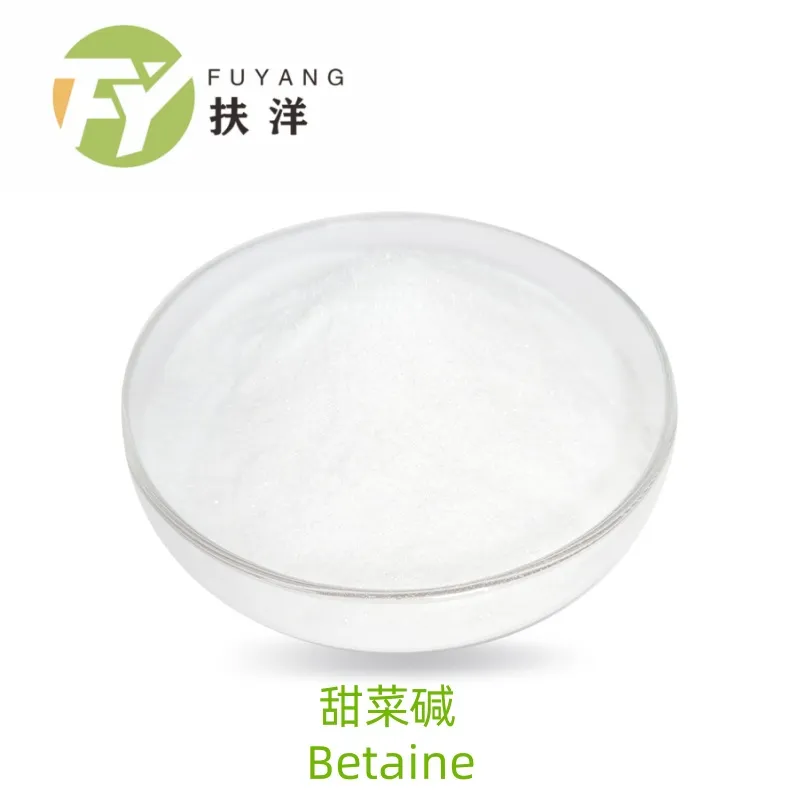
I’ve toured a lot of feed mills in my time, and one thing that keeps popping up in premix rooms is a neat, free-flowing white crystal that the nutritionists swear by. I’m talking about betaine hydrochloride. From Xinle Industrial Park, Shijiazhuang (Hebei Province, China), suppliers have quietly refined it to the point where trimethylamine (TMA) levels are low and chloride ions stay in check—so electrolyte balance constants and vitamin stability in feed aren’t thrown off. Sounds small, but in high-throughput plants those details keep complaints off the hotline.
Industry Trends (Quick Take)
The global feed additive market is pushing hard toward precision osmoregulation and heat-stress mitigation. betaine hydrochloride remains a go-to for poultry and aquaculture, partly because it rides the line between performance and cost. Many customers say they’re replacing a slice of choline with betaine to tidy up feed cost and moisture management. And yes, clean-label and audited supply chains (FAMI-QS, GMP+) are now table stakes rather than nice-to-haves.
Typical Specifications
| Parameter | Typical Value | Method / Standard |
|---|---|---|
| Assay (dry basis) | ≥ 98.0% | HPLC, ISO 17025-validated lab |
| Trimethylamine (TMA) | ≤ 10 ppm (typical) | GC/GC-MS |
| Moisture | ≤ 1.0% | Karl Fischer or LOD |
| Heavy metals (as Pb) | ≤ 10 ppm | ICP-MS |
| Particle size | ≈ 20–80 mesh | Sieve analysis |
| Appearance | White crystalline powder | Visual/organoleptic |
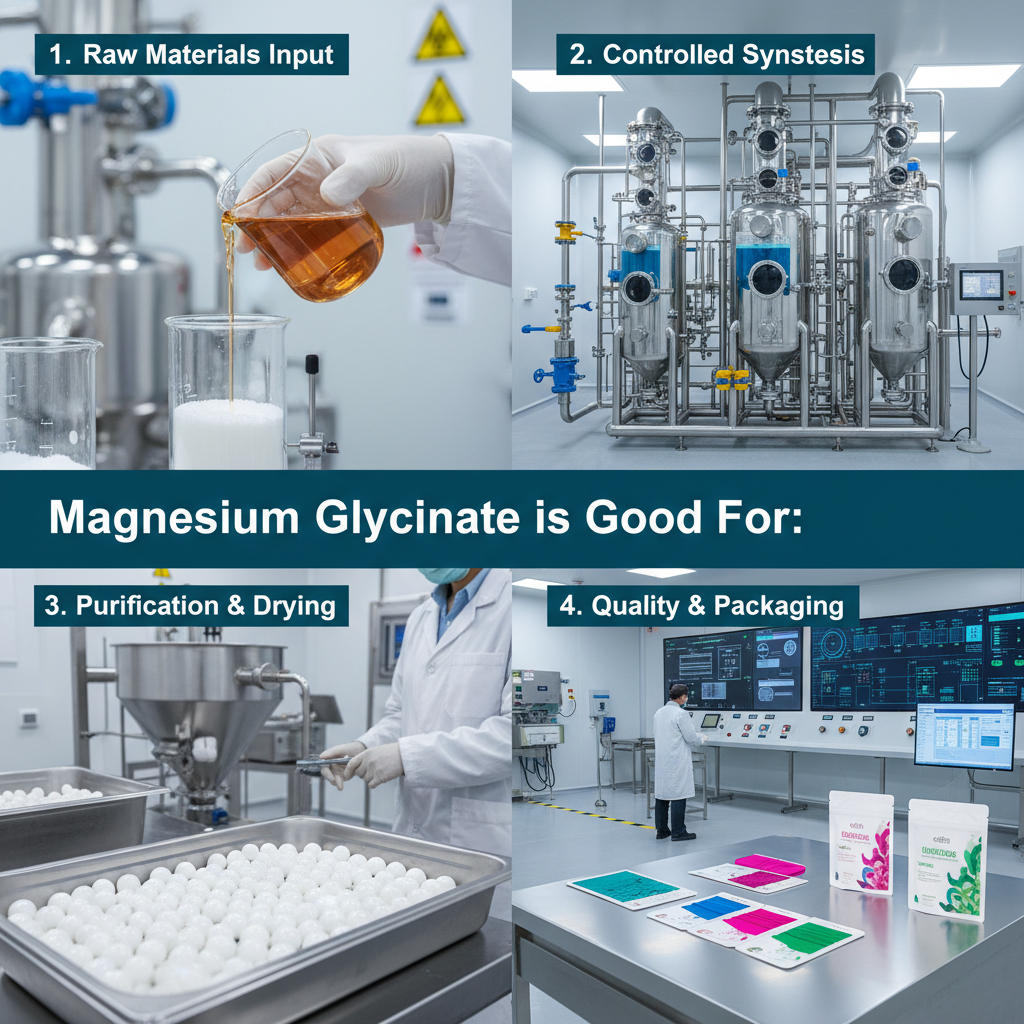
How It’s Made (Process Flow)
Materials: refined betaine (often from sugar-beet molasses), food/pharma-grade hydrochloric acid, process water, anti-caking agents if specified.
- Neutralization: betaine is protonated with HCl under controlled temperature.
- Crystallization: slow cooling for uniform crystal habit (helps flowability).
- Solid–liquid separation and washing: reduces residual TMA and by-products.
- Drying and milling: target moisture and mesh size; metal-detect before pack.
- QC: assay by HPLC; TMA by GC; moisture KF; heavy metals by ICP-MS; micro per AOAC.
Service life: around 24 months unopened in a cool, dry environment; after opening, aim to use within 12 months and keep bags tightly sealed.
Applications and Advantages
- Poultry and swine: supports methyl donation and osmoregulation; many customers report steadier performance under heat stress.
- Aquaculture: betaine hydrochloride acts as a palatant and osmolyte; surprisingly useful in low-salinity transitions.
- Pet nutrition and premixes: stable in standard pelleting; low TMA keeps odor in check.
Advantages in practice: low TMA (less fishy taint), consistent particle size for premixing, and chloride levels that don’t upset electrolyte balance in typical inclusion ranges.
Vendor Snapshot (Real-World, ≈ values)
| Vendor | Origin | Certifications | TMA (ppm) | Lead Time | Customization |
|---|---|---|---|---|---|
| Hebei Fuyang (Xinle Industrial Park) | China | FAMI-QS, ISO 9001/22000, GMP+ | ≤ 10 (typical) | ≈ 2–4 weeks | Mesh size, anti-caking, packaging |
| Generic Importer B | APAC | ISO 9001 | 10–30 | ≈ 4–6 weeks | Limited |
| European Supplier C | EU | FAMI-QS, GMP+ | ≤ 15 | ≈ 1–3 weeks | Broad options |
Customization & Packaging
Options include 20–80 mesh (or tighter), anti-caking agent on request, and packaging in 25 kg multi-layer bags or 500–1,000 kg big bags. Labels can show assay, batch/QR, manufacturing date, and compliance marks to match your HACCP file.
Field Notes (Case-Style)
- Broilers (summer, ME-tight diet): customer-reported 1–2% improvement in FCR at modest inclusion; water intake normalized under heat spikes.
- Shrimp grow-out: better feed take during salinity shifts; managers liked the cleaner odor profile (low TMA) in stored feed.
- Weanling pigs: slightly higher early intake; premixers appreciated stable flow through micro-dosing screws.
Of course, real-world use may vary—diet matrix, processing conditions, water quality, and farm management all matter. Test locally and record everything.
Compliance, Testing, and Standards
Routine testing aligns with AOAC methods where applicable, performed in ISO 17025-accredited labs. Suppliers targeting international markets typically operate under FAMI-QS and/or GMP+ feed safety systems with ISO 9001/22000 backing. EFSA FEEDAP opinions outline safety/efficacy considerations for betaine hydrochloride across species, which is handy when you’re compiling a dossier or a customer QA pack.