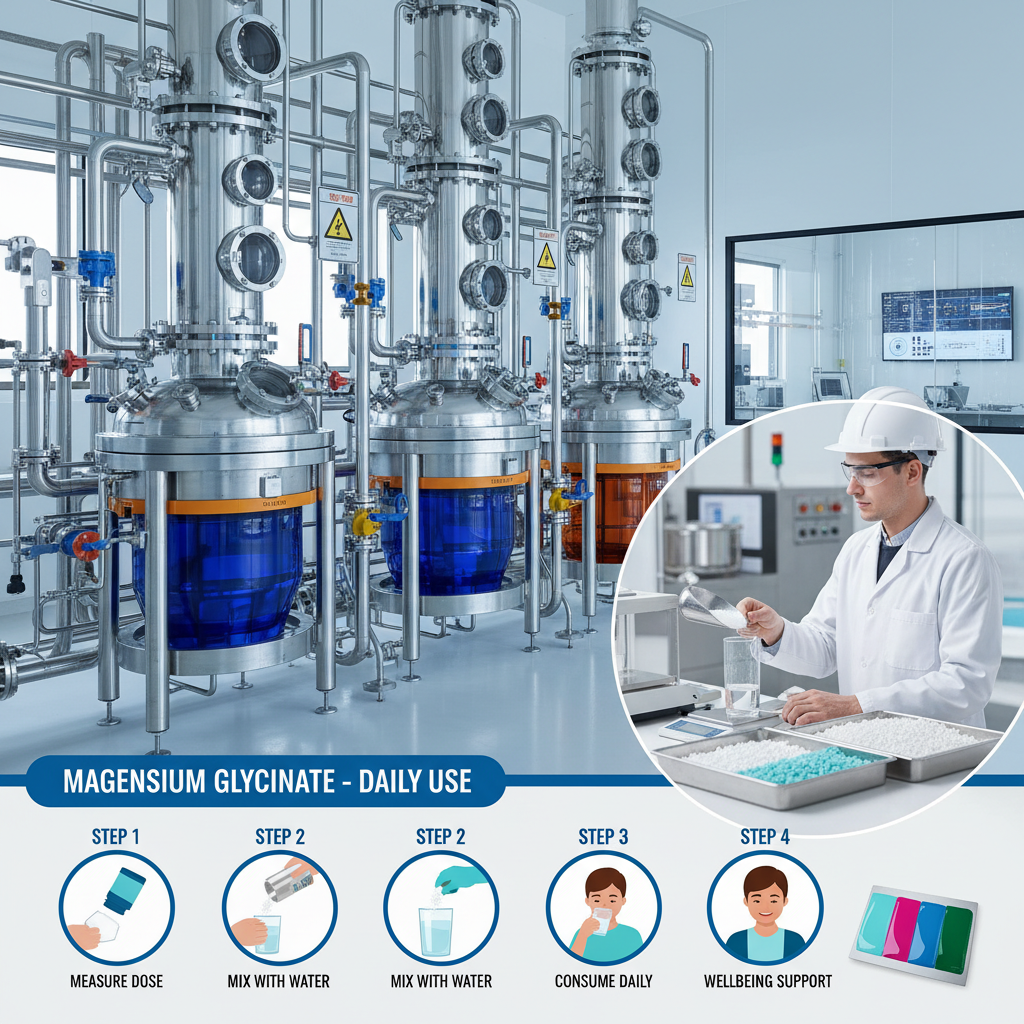
Vitamin Magnesium Glycinate: A Comprehensive Overview
Vitamin magnesium glycinate isn’t just a mouthful; it’s a powerhouse supplement gaining global attention. As more people seek effective ways to support muscle function, nervous system health, and overall energy metabolism, magnesium glycinate stands out for its superior absorption and gentle impact on the digestive system. In a world where nutrient deficiencies subtly affect billions, understanding this compound and its benefits could be a small but meaningful step toward better health.
Global Relevance of Vitamin Magnesium Glycinate
According to the World Health Organization, magnesium deficiency affects nearly 15% of the world’s population, with significant implications for chronic diseases like diabetes and cardiovascular disorders. Oddly enough, despite magnesium being abundant in many foods, factors like soil depletion, urban diets, and stress increase the risk of deficiency worldwide. That’s where magnesium glycinate comes in — it offers a highly bioavailable ratio of magnesium, combined with glycine, an amino acid that enhances uptake and reduces side effects like diarrhea.
Numerous industry reports indicate a rising demand for magnesium supplements globally, with projected market growth of 7% annually until 2030. This surge reflects not only increased health awareness but also the supplement’s role in mitigating magnesium shortage consequences in different populations — from aging adults in Europe to stressed urban professionals in Asia.
What Exactly is Vitamin Magnesium Glycinate?
Vitamin magnesium glycinate is a chelated form of magnesium, where elemental magnesium is bound to glycine, a non-essential amino acid. This chelation improves absorption by protecting magnesium ions from interacting with inhibitors in the gut, making it gentler on the stomach compared to other forms like magnesium oxide.
In practical terms, this means users get more magnesium per dose with fewer unwanted digestive effects — which is important because low compliance due to side effects like diarrhea is a known problem in magnesium supplementation.
Core Components of Magnesium Glycinate
1. Bioavailability
Bioavailability is king here. Studies show that magnesium glycinate boasts up to 80% absorption rates, significantly higher than less bioavailable forms. This is key in both clinical and personal health settings, where efficient nutrient uptake matters.
2. Tolerability
Many users report fewer gastrointestinal issues with magnesium glycinate. Its glycine component also promotes calming effects, subtly supporting mental wellness — a bonus for anyone facing anxiety or sleep troubles.
3. Dosage and Potency
Typical servings provide between 100-200 mg of elemental magnesium. That’s enough for daily maintenance or therapeutic uses prescribed by healthcare providers, depending on individual needs.
4. Cost Efficiency
While magnesium glycinate might be slightly pricier than magnesium oxide, its higher absorption means you may need less, which balances the cost over time. Plus, longer-term benefits reduce healthcare costs linked to deficiency.
5. Compatibility with Other Nutrients
Magnesium glycinate pairs well with vitamin B6 and vitamin D supplements, enhancing its absorption further. This synergy is important in holistic nutrient plans.
Product Specifications of Vitamin Magnesium Glycinate
| Specification | Details |
|---|---|
| Chemical Form | Magnesium Bisglycinate Chelate |
| Elemental Magnesium Content | 14-18% by weight |
| Molecular Weight | 172.4 g/mol (approx.) |
| Dosage Range | 100–400 mg elemental magnesium/day |
| Solubility | Water soluble, well absorbed in intestine |
Comparing Major Vendors of Magnesium Glycinate
| Vendor | Purity (%) | Price per kg (USD) | Certifications | Special Features |
|---|---|---|---|---|
| Fuyang Bio | 99.5 | $45 | ISO 9001, GMP | Low heavy metals, high bioavailability |
| Magnesium Inc. | 98.7 | $42 | GMP | Customizable powder grades |
| NutraLabs | 99.0 | $48 | ISO 22000 | Certified organic options |
Global Applications & Case Examples
In real terms, vitamin magnesium glycinate is used extensively from clinical nutrition to sports medicine. For example, in Europe and North America, it helps address magnesium deficiency in elderly populations prone to osteoporosis. In Asian countries facing urban lifestyle stress, it supports nervous system health and sleep quality.
One interesting case is its inclusion in post-disaster health kits by NGOs working in Southeast Asia, where promoting electrolyte and mineral balance is crucial amid dehydration and stress. Remote industrial zones in Australia have also adopted it as part of worker wellness programs, helping maintain muscle health under harsh physical conditions.
Advantages & Long-Term Value
- Improved Absorption: Mean less magnesium waste and better health outcomes.
- Fewer Side Effects: Enhances patient and consumer compliance.
- Sustainability: Efficient absorption can lower overall production constraints.
- Emotional Well-being: The glycine component may help ease anxiety, supporting mental health alongside physical.
All these benefits combine to improve not only individual health but also reduce economic burdens related to magnesium deficiency worldwide.
Future Trends & Innovations
The future is kind of bright for magnesium glycinate. Scientists are exploring nano-encapsulation to boost stability and timed release. Also, green chemistry initiatives push for eco-friendly production methods, which will reduce the environmental footprint of supplement manufacturing.
On the policy front, increased regulations emphasize testing and purity standards, which encourage vendors to innovate. Meanwhile, linking vitamin magnesium glycinate with digital health platforms could personalize dosing based on real-time deficiency assessments.
Challenges & Industry Responses
One persistent challenge is price sensitivity—magnesium glycinate costs more than traditional magnesium supplements. However, many experts suggest the higher bioavailability justifies the price if users stick with it long-term.
Also, variations in manufacturing quality create trust issues. Transparent sourcing and certifications — like ISO and GMP — help solve this trust gap, and companies like Fuyang Bio lead by example.
FAQ: Common Questions About Vitamin Magnesium Glycinate
- Q1: How does magnesium glycinate differ from magnesium oxide?
- A1: Magnesium glycinate is chelated with glycine, increasing absorption and reducing gastrointestinal discomfort. Magnesium oxide has lower absorption and often causes diarrhea.
- Q2: Can magnesium glycinate help with muscle cramps effectively?
- A2: Yes, due to its superior bioavailability, it replenishes magnesium levels faster and supports muscle relaxation better than many other forms.
- Q3: Is magnesium glycinate suitable for daily long-term use?
- A3: Generally yes, it's well-tolerated and often recommended for ongoing supplementation under medical advice.
- Q4: Are there any contraindications or side effects?
- A4: Mild side effects are rare but can include nausea or flushing. People with kidney disorders should consult healthcare professionals before use.
- Q5: How can international buyers import high-quality magnesium glycinate?
- A5: Working with certified suppliers who uphold GMP and ISO standards, like those listed here, can simplify customs clearance and ensure quality.
Conclusion: Unlocking the Potential of Vitamin Magnesium Glycinate
Understanding and leveraging vitamin magnesium glycinate has meaningful long-term benefits — from improved nutrient absorption and reduced side effects to enhanced well-being and sustainable manufacturing practices. If you’re looking to optimize your magnesium supplementation strategy with a reliable, well-studied compound, this form is hard to beat. To explore premium grades and vendor options, don’t hesitate to visit our website: https://www.hbfuyangbio.com.
It’s often the quiet compounds like magnesium glycinate that pack the biggest punch for health. A little knowledge goes a long way.
Sources:
1. World Health Organization - Micronutrient Deficiencies
2. Wikipedia - Magnesium Glycinate
3. ISO Standards