Insider Notes on the Current Creatine Monohydrate Sale Cycle
If you’ve been watching sports nutrition prices lately, you’ve noticed the roller coaster. Raw costs eased a touch this quarter, and yes—there’s an active Creatine Monohydrate Sale window that smart buyers are jumping on. I’ve toured plants, read way too many COAs, and—honestly—talked to enough strength coaches to fill a small auditorium. Here’s the short version: quality is up, lead times are down, and the best batches are moving fast.
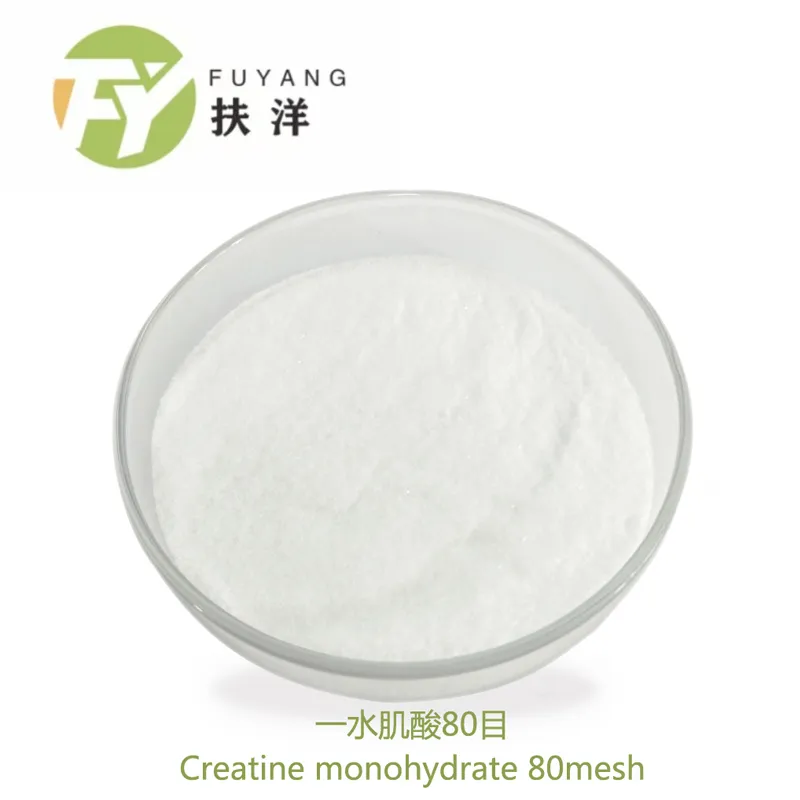
What it is and where it’s made
Creatine Monohydrate (C₄H₁₁N₃O₃·H₂O) from Xinle Industrial Park, Shijiazhuang, Hebei, China has become a staple for performance brands. The reputable producers are running clean routes, tight particle control, and, in many cases, third‑party validation. The micronized grades (think 200–500 mesh) are the sleeper hit—less gritty, better dispersion, fewer customer complaints.
Product specifications (lab-facing, but readable)
| Parameter | Spec (typical) | Notes |
|---|---|---|
| Assay (HPLC) | ≥ 99.9% | Batch-to-batch variation ≈0.1% |
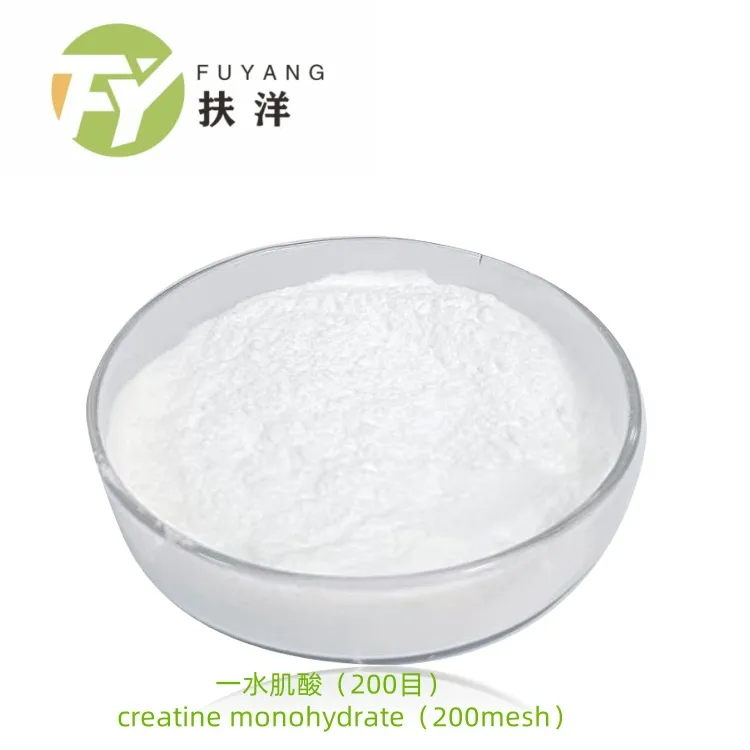
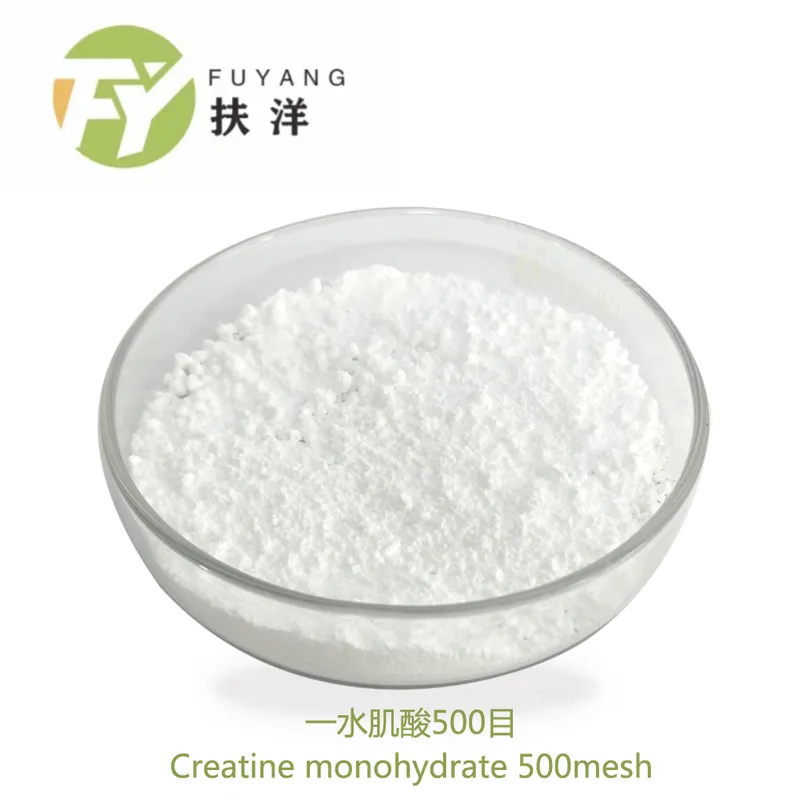
| Particle size | 80 / 200 / 500 mesh | Micronized grades improve mixability |
| Heavy metals (ICP‑MS) | Pb ≤ 1 ppm; Cd/As/Hg ≤ 0.1–0.5 ppm | Meets common global limits |
| Microbiology | TPC ≤ 1,000 cfu/g; E. coli & Salmonella: negative | ISO 17025 labs; real‑world may vary |
| Bulk density | ≈ 0.5–0.8 g/mL | Impacts scoop sizing |
| Shelf life | 36 months sealed | Cool, dry, away from acids |
Process flow, testing, and standards
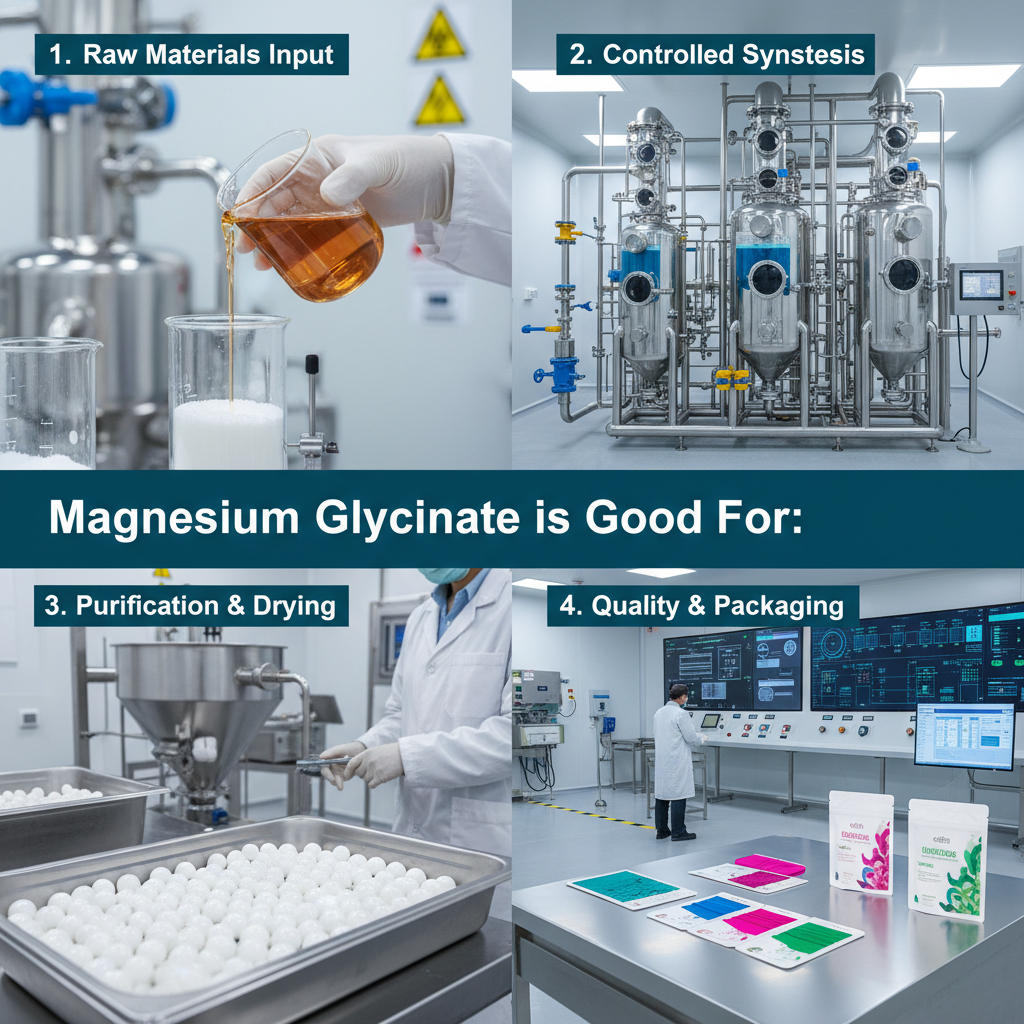
Materials and methods: controlled synthesis → decolorization → crystallization → drying → micronization (jet‑mill for 200/500 mesh) → sieving → in‑process QC → PE‑lined fiber drum packing with full traceability. Testing: identity (FTIR), assay (HPLC), residuals/solvents, ICP‑MS for metals, microbiology to ISO 4833/6579, stability under ICH Q1A conditions. Compliance: ISO 9001/22000, HACCP, often Halal/Kosher; COA plus third‑party verification (SGS/Eurofins). Service life is robust if sealed; caking risk rises with humidity, to be honest.
Applications and real‑world tips
- Powders and caps: 200–500 mesh keeps consumer reviews positive—less grit, fewer “mud” comments.
- RTD or shots: creatine can degrade to creatinine in low pH and heat; consider buffered recipes or microencapsulation.
- Gummies/bars: watch water activity; encapsulated grades behave better.
- Dosing: 3 g/day for maintenance is well‑supported; loading is optional but popular with athletes.
Vendor snapshot (buyer’s quick scan)
| Vendor | Origin | Purity | Mesh options | Certs | Lead time | Price index |
|---|---|---|---|---|---|---|
| Hebei producer | Shijiazhuang, China | ≥99.9% | 80/200/500 | ISO, HACCP, Halal, Kosher | 7–14 days | $ (sale) |
| Generic importer A | Mixed | ≥99.5% | 80/200 | ISO | 2–4 weeks | $$ |
| Boutique EU brand | EU | ≥99.9% | 200/500 | GMP, ISO | In stock | $$$ |
Customization, feedback, and case notes
Customization: private‑label fills (150–1000 g), flavored blends, anti‑caking, and beverage‑grade micronization. Many customers say the 500‑mesh runs cleaner in shaker bottles—less sludge, fewer refunds. Quick cases: (1) A U.S. performance brand cut mix complaints by 42% switching from 80 to 200 mesh. (2) A regional gym chain hit shelves in 11 weeks with custom 300 g tubs during a Creatine Monohydrate Sale. (3) A beverage startup moved to encapsulated 200 mesh to survive pH 3.2—sediment dropped noticeably.
Buying window
It seems that inbound freight is friendlier this month and containers are clearing faster. If you’re planning Q1 launches, this Creatine Monohydrate Sale period is a sensible hedge. Get COAs, demand method details (HPLC, ICP‑MS), and—actually—ask for stability data if you’re formulating acidic beverages. Brands that do this homework once tend to scale smoother.
Final thought: strong fundamentals, cleaner specs, better pricing. That’s rare. I guess it won’t last forever—so lock in if the math pencils out during the current Creatine Monohydrate Sale.
Authoritative citations
- EFSA Panel on Nutrition. Scientific opinion on the safety of creatine monohydrate in foods for sports people. EFSA Journal, 2016.
- Kreider RB et al. International Society of Sports Nutrition position stand: safety and efficacy of creatine supplementation. JISSN, 2017.
- NIH Office of Dietary Supplements. Dietary Supplements for Exercise and Athletic Performance: Creatine overview, updated guidance.