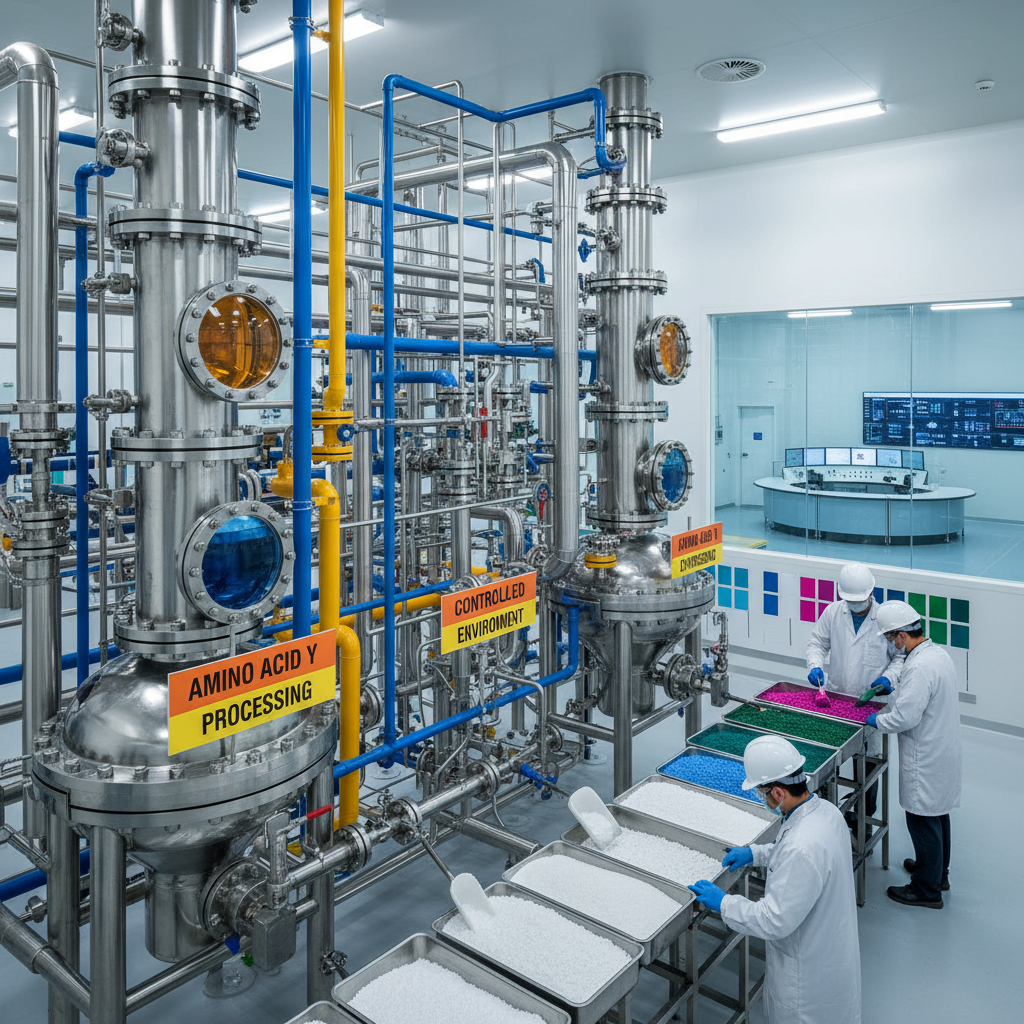
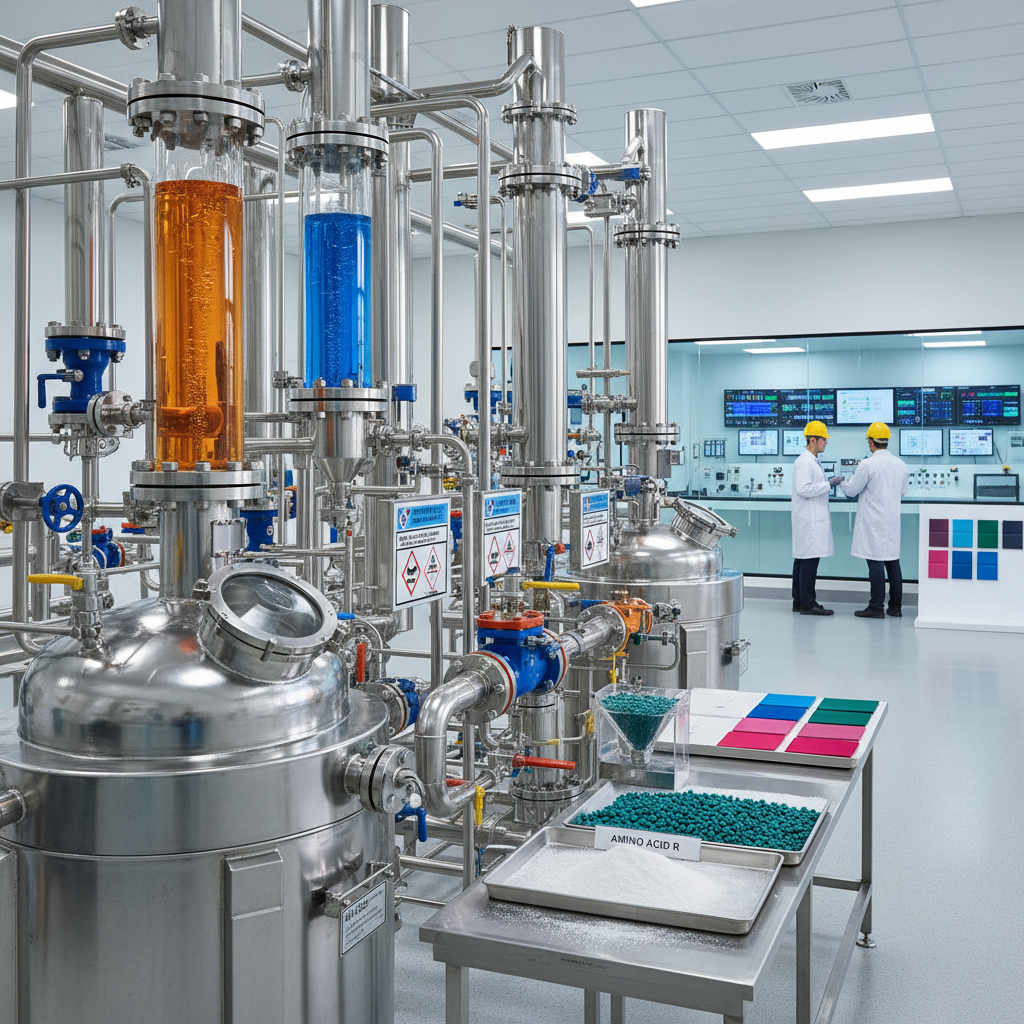
Natural amino acids are the building blocks of proteins, essential for all living organisms. Their importance extends beyond biological functions, playing a crucial role in industries like pharmaceuticals, food production, and even biodegradable plastics. Understanding these compounds isn’t merely an academic exercise; it’s fundamental to addressing global challenges in nutrition, health, and sustainability.
The global market for amino acids is experiencing significant growth, driven by increasing demand for animal nutrition, infant formulas, and dietary supplements. According to recent reports, the industry is projected to reach billions of dollars in the coming years. This expansion is fueled by a growing awareness of the health benefits associated with adequate amino acid intake and a rising global population. natural amino acids are thus becoming ever more vital.
The complexity surrounding natural amino acids, from their diverse functionalities to their sourcing and ethical production, presents ongoing challenges. However, advancements in biotechnology and sustainable manufacturing practices offer promising solutions, paving the way for a more efficient and responsible utilization of these vital compounds.
Introduction to Natural Amino Acids
Natural amino acids are organic compounds containing both amino and carboxyl functional groups, along with a side chain specific to each amino acid. These molecules are incredibly versatile, serving as the fundamental components of proteins, which perform a vast array of functions within living systems. natural amino acids play a critical role in these processes.
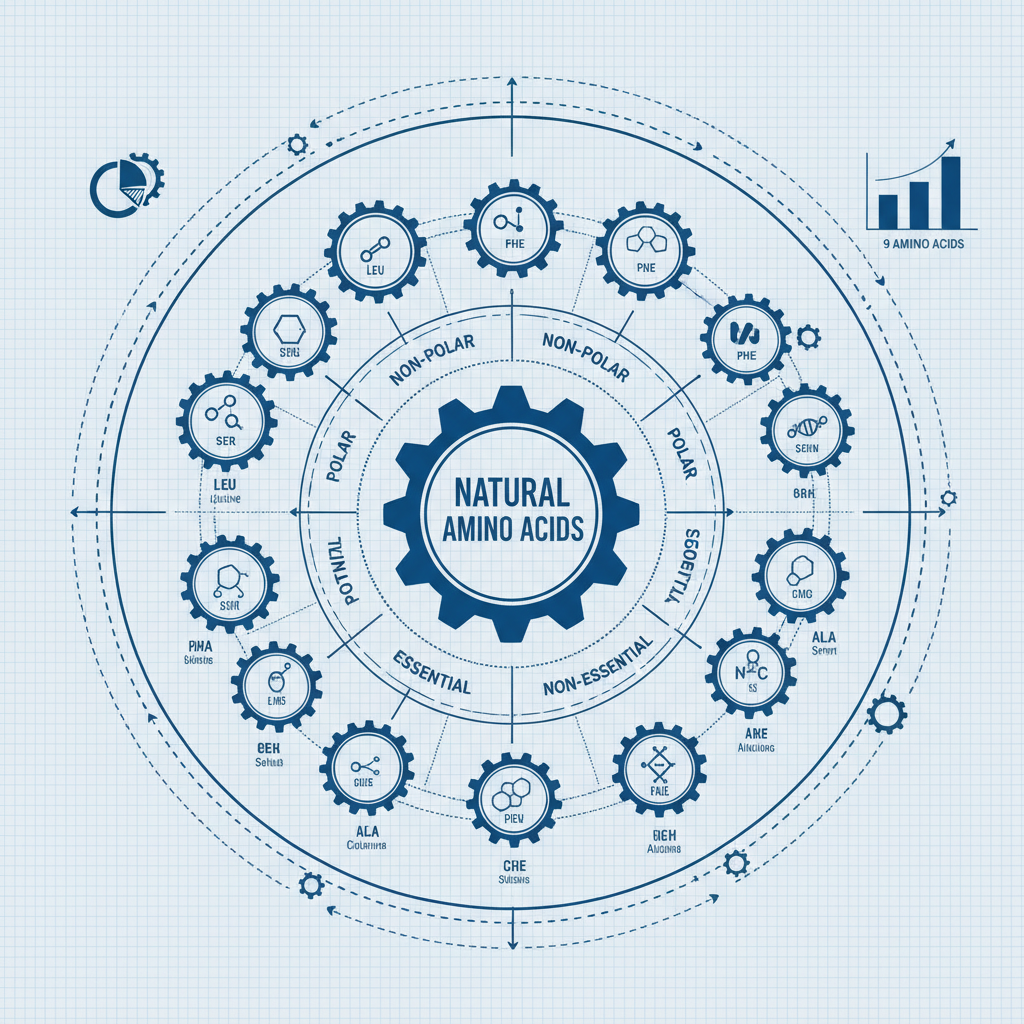
There are twenty standard amino acids that are commonly found in proteins. Nine of these are considered essential amino acids, meaning the human body cannot synthesize them and must obtain them through dietary sources. The correct balance and availability of these amino acids are vital for maintaining overall health and well-being.
Global Relevance and Industry Context
The demand for natural amino acids is escalating globally, driven by several factors. A significant contributor is the burgeoning animal feed industry, where amino acids are added to optimize livestock nutrition and improve feed efficiency. This is particularly important in regions with limited access to high-quality protein sources. Global organizations such as the Food and Agriculture Organization (FAO) emphasize the importance of proper animal nutrition for food security.
Furthermore, the pharmaceutical industry relies heavily on amino acids for producing intravenous solutions, nutritional supplements, and active pharmaceutical ingredients (APIs). The increasing prevalence of chronic diseases and the growing aging population contribute to the demand for these products. The World Health Organization (WHO) recognizes the importance of amino acid supplementation in specific health conditions.
The impact of climate change and the need for sustainable agricultural practices are also increasing the importance of efficient amino acid production. Exploring alternative sources and developing innovative manufacturing techniques are critical to meeting future demands while minimizing environmental impact. natural amino acids sourcing and manufacture is becoming a crucial global issue.
Defining Natural Amino Acids
Natural amino acids are fundamentally organic molecules that combine an amino group (-NH2), a carboxyl group (-COOH), and a distinctive side chain (R-group) all bonded to a central carbon atom. The specific R-group is what differentiates each of the twenty standard amino acids and determines its unique chemical properties.
These amino acids are naturally occurring, meaning they are synthesized by living organisms through metabolic pathways or obtained directly from natural sources like protein-rich foods. Unlike synthetic amino acids produced through chemical processes, natural amino acids often exhibit higher bioavailability and may contain essential cofactors beneficial for human health.
Their significance in modern industry extends beyond nutrition and healthcare. Natural amino acids are now utilized in the production of biodegradable polymers, environmentally friendly solvents, and even bio-based cosmetics. The versatility of these compounds makes them a cornerstone of sustainable manufacturing practices.
Key Characteristics of Natural Amino Acids
One crucial characteristic is their chirality – meaning they exist in two mirror-image forms (L- and D- amino acids). Living organisms primarily utilize L-amino acids in protein synthesis. This stereospecificity is vital for correct protein folding and function.
Another important aspect is their amphoteric nature, possessing both acidic and basic properties. This allows them to act as buffers, maintaining pH stability within biological systems. Additionally, amino acids exhibit varying degrees of hydrophobicity and hydrophilicity, influencing protein structure and interactions.
Amino Acid Solubility Ratings
Applications Across Industries
In the pharmaceutical industry, natural amino acids are vital for creating life-saving medications, specifically in parenteral nutrition for patients unable to consume food orally. They are also fundamental to synthesizing peptides and proteins used in therapeutic treatments.
The agricultural sector benefits significantly from amino acid supplementation in animal feed, leading to improved growth rates, enhanced immune function, and reduced reliance on antibiotics. Furthermore, amino acids are increasingly used in biostimulants to promote plant growth and resilience.
Advantages and Long-Term Value
Utilizing natural amino acids offers significant cost advantages compared to synthetic alternatives, especially with advancements in fermentation and bio-based production technologies. Their biodegradability contributes to environmental sustainability, reducing reliance on petroleum-based materials. The inherent biocompatibility of these compounds enhances safety in various applications.
The long-term value lies in their contribution to improved human and animal health, fostering a more resilient and sustainable food system. Investing in research and development of amino acid-based technologies promotes innovation and strengthens the bioeconomy.
Future Trends and Innovations
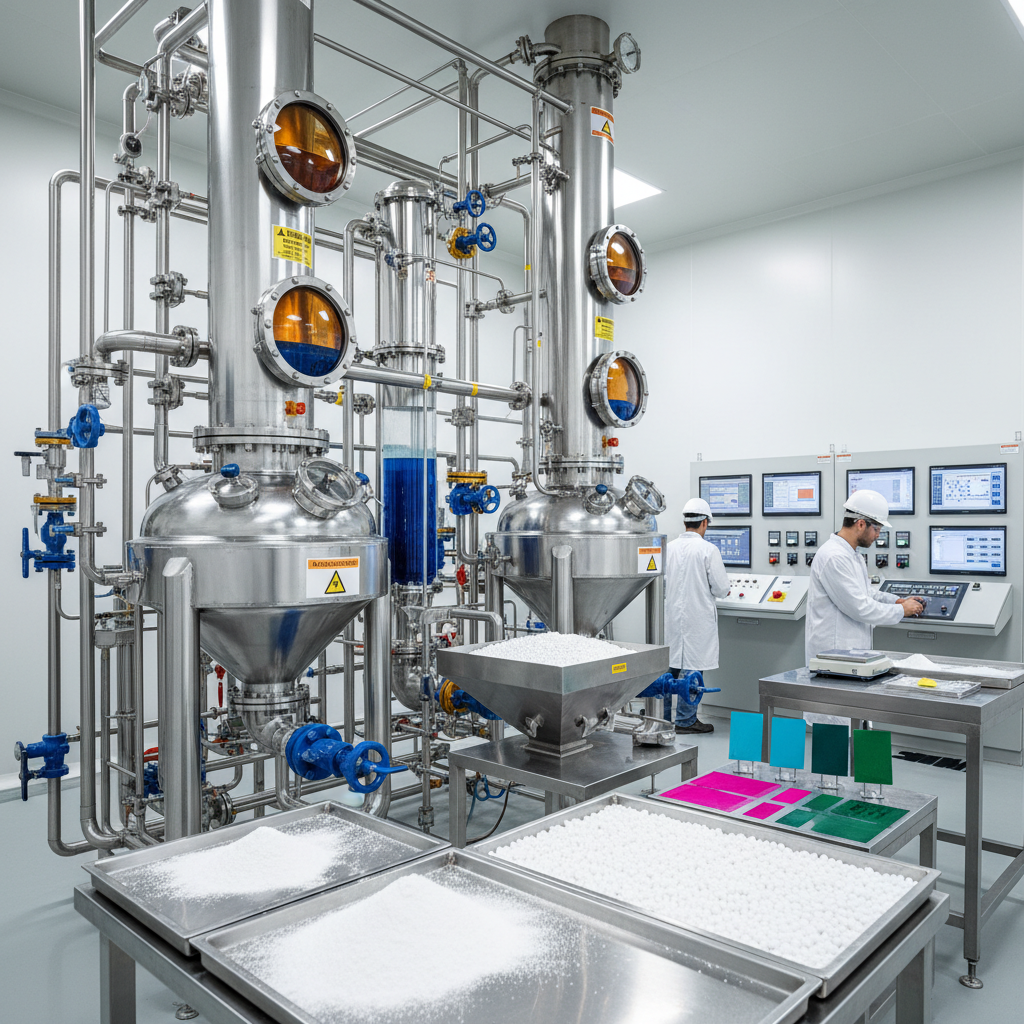
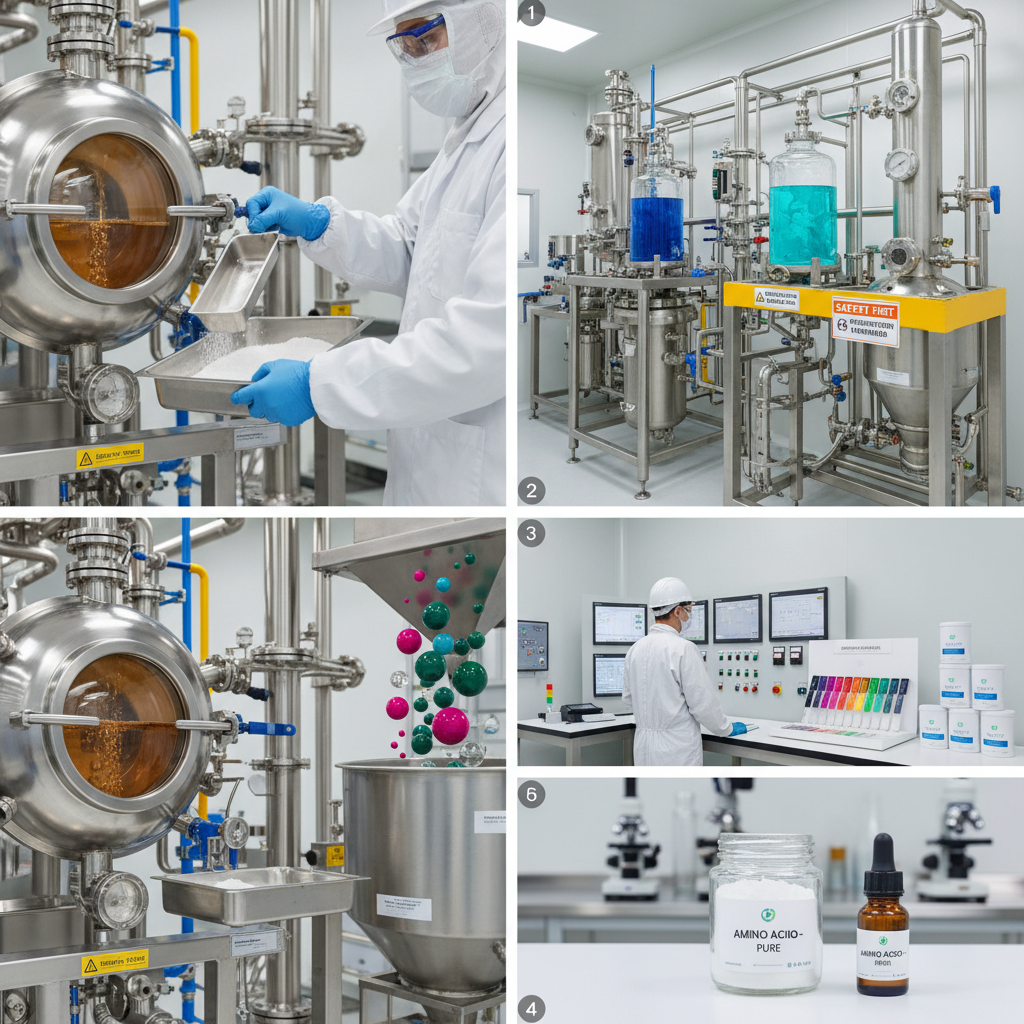
Ongoing research focuses on developing novel fermentation processes to increase the efficiency and yield of amino acid production. Precision fermentation, utilizing genetically engineered microorganisms, is poised to revolutionize the industry. Furthermore, exploring alternative sources like algae and insect protein offers exciting possibilities for sustainable amino acid sourcing.
The integration of digital technologies, such as artificial intelligence and machine learning, is streamlining amino acid discovery and optimization. These tools can accelerate the identification of new applications and improve process control. The development of personalized nutrition based on individual amino acid profiles is also gaining momentum.
The increasing emphasis on circular economy principles will drive the development of amino acid recovery and reuse systems, minimizing waste and maximizing resource utilization. natural amino acids have a bright future.
Summary of Key Challenges and Potential Solutions Regarding Natural Amino Acid Production
| Challenge |
Impact Area |
Potential Solution |
Implementation Timeline |
| High Production Costs |
Economic Viability |
Optimized Fermentation Processes |
Short-Term (1-3 years) |
| Environmental Concerns |
Sustainability |
Bio-Based Feedstock Utilization |
Medium-Term (3-5 years) |
| Limited Source Diversity |
Supply Chain Resilience |
Exploring Alternative Sources (Algae, Insects) |
Medium-Term (3-5 years) |
| Process Optimization Challenges |
Production Efficiency |
AI-Driven Process Control |
Long-Term (5+ years) |
| Regulatory Hurdles |
Market Access |
Harmonized Global Standards |
Long-Term (5+ years) |
| Scalability Issues |
Meeting Growing Demand |
Modular Production Facilities |
Medium-Term (3-5 years) |
FAQS
Natural amino acids are crucial for protein synthesis, tissue repair, enzyme production, and hormone regulation. Essential amino acids, which the body cannot produce, are vital for optimal growth and development. Deficiencies can lead to various health problems, ranging from muscle loss to weakened immunity. Adequate intake supports overall health, enhances athletic performance, and improves cognitive function. They are foundational to wellbeing.
Traditional amino acid production methods can be energy-intensive and generate significant waste. However, advancements in fermentation technologies and the utilization of renewable feedstocks are reducing the environmental footprint. Sustainable practices, such as waste valorization and closed-loop systems, are gaining traction. The use of genetically engineered microorganisms can also improve efficiency, but requires careful monitoring and regulation to prevent unintended consequences.
Natural amino acids are derived from natural sources like protein-rich foods or produced through fermentation using microorganisms. Synthetic amino acids, on the other hand, are chemically synthesized. Natural amino acids often possess higher bioavailability and may contain beneficial cofactors absent in synthetic forms. While synthetic amino acids can be cost-effective, concerns regarding purity and potential side effects exist.
Natural amino acids, particularly lysine, methionine, threonine, and tryptophan, are commonly added to animal feed to improve nutrient balance and optimize growth. This supplementation allows animals to efficiently utilize protein sources, reducing feed costs and minimizing nitrogen excretion, which contributes to environmental pollution. It promotes healthier animals and supports sustainable livestock production.
Precision fermentation utilizes genetically engineered microorganisms to produce specific compounds, including amino acids, with high efficiency and purity. By optimizing metabolic pathways, this technology can significantly increase yield and reduce production costs. It offers a sustainable alternative to traditional methods and allows for the production of rare or complex amino acids that are difficult to obtain through other means.
The use of natural amino acids in food and pharmaceuticals is subject to strict regulations by governing bodies like the FDA and EFSA. These regulations address issues of purity, safety, and labeling. Compliance with these standards is crucial for ensuring product quality and protecting consumer health. The regulatory landscape varies across different regions, requiring manufacturers to navigate complex requirements.
Conclusion
In conclusion, natural amino acids are indispensable components of life, driving countless biological processes and impacting a diverse range of industries. From bolstering human health and animal nutrition to enabling sustainable manufacturing practices, their significance continues to grow. Understanding their properties, applications, and the challenges associated with their production is paramount for addressing global needs.
Investing in research and development, embracing innovative technologies, and prioritizing sustainability are crucial steps toward unlocking the full potential of natural amino acids. By fostering collaboration between researchers, industry leaders, and policymakers, we can pave the way for a future where these essential building blocks contribute to a healthier, more resilient, and more sustainable world. Visit our website: www.hbfuyangbio.com to learn more.