Understanding Different Types of Magnesium Glycinate
Having worked in the industrial equipment and supplement supply niche for some good measure of years, I can tell you, magnesium glycinate isn’t just another chemical name tossed around. It’s a staple compound, known often in the realm of magnesium chelates. But even within this single category, there are varieties that stand out—each with slightly different traits, applications, and honestly, pricing quirks too.
Magnesium glycinate is appreciated for its bioavailability. Frankly, many engineers and product developers favor it because it's gentler on the system, which, oddly enough, translates well even in manufacturing formulations where stability and absorption rates matter.
But, what kinds of magnesium glycinate are commercially relevant today? Generally, you’ll see:
- Magnesium Bisglycinate – The classic chelated form, combining magnesium with two glycine molecules to improve absorption.
- Magnesium Diglycinate – Sometimes just another term for bisglycinate, but in some cases refers to a slightly different salt composition, often depending on the vendor’s approach.
- Magnesium Glycinate Chelate – This is a catch-all phrase that often promises enhanced bioavailability through stable chelation bonds.
Sometimes, there’s confusion between "bisglycinate" and "diglycinate" — it feels like marketing jargon, but in technical documents, these terms are often interchangeable.
What Makes Magnesium Glycinate Special in Industrial Settings?
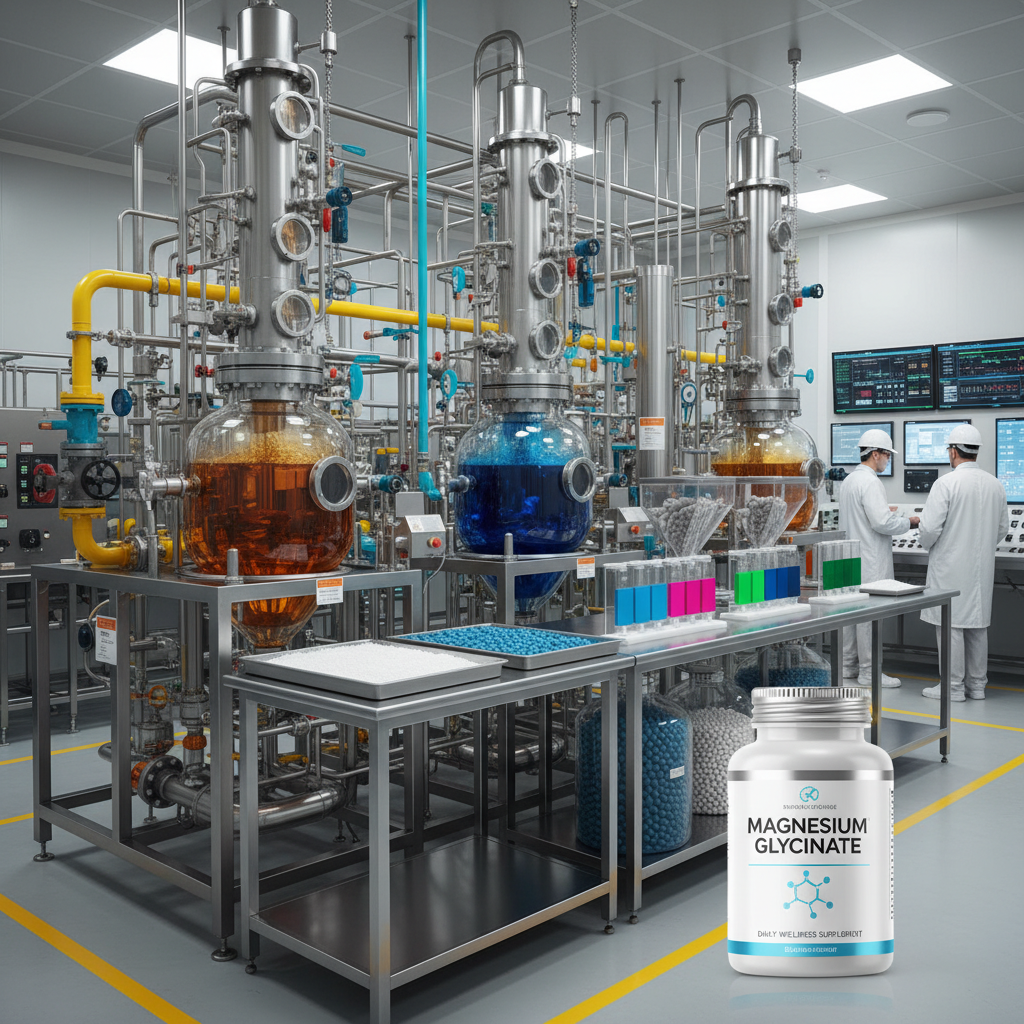
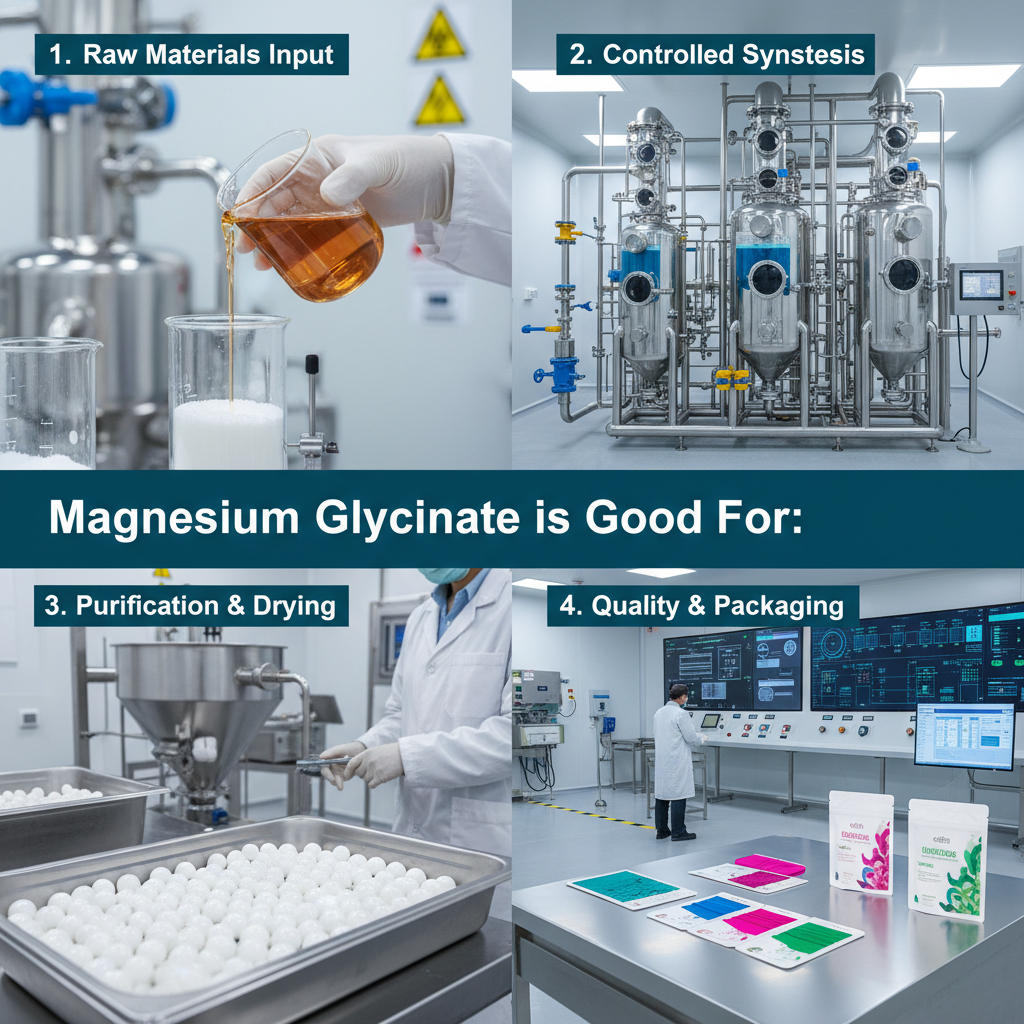
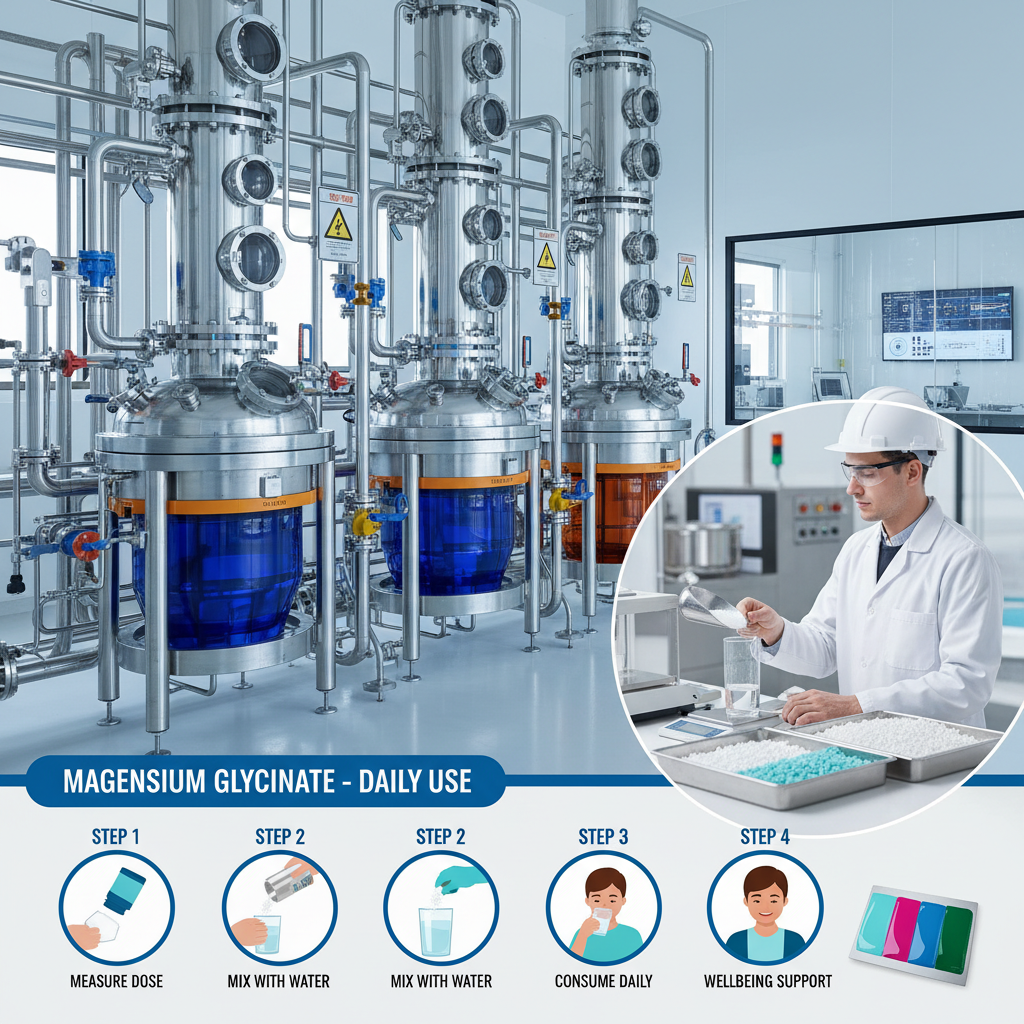
Quick story: A while back, a client wanted to switch from magnesium oxide to a form that wouldn’t cause too much dust or unwanted reactions during processing. Magnesium glycinate, with its chelated nature, proved to be more stable and easier to handle — less dust, fewer complaints from operators. The switch wasn’t just about the chemical properties; it was about work safety and process reliability, which are just as crucial.
The thing is, magnesium glycinate often comes with a finely powdered texture and moderate moisture content. Those physical specs play a big role when you’re blending it into industrial supplements or health product lines. It’s a balancing act — too dry, and it’s dusty; too moist, and clumping happens. Many suppliers, including magnesium glycinate producers, carefully control these traits.
Typical Product Specifications
| Specification | Typical Range | Notes |
|---|---|---|
| Magnesium Content (%) | 14 - 16% | Depends on purity and hydration level |
| Glycine Content (%) | 18 - 22% | Linked to chelation efficiency |
| Bulk Density (g/cm³) | 0.4 - 0.6 | Impacts handling & packaging |
| Moisture Content (%) | 0.5 - 2% | Higher moisture risks clumping |
| Appearance | White to off-white powder | Visual quality check |
Vendor Snapshot: Choosing the Right Magnesium Glycinate Supplier
| Vendor | Purity (%) | Price ($/kg) | MOQ (kg) | Typical Lead Time |
|---|---|---|---|---|
| HBFuyang Bio | ≥98% | 18 - 22 | 100 kg | 2-3 weeks |
| Vendor B | 95-97% | 15 - 19 | 50 kg | 3-4 weeks |
| Vendor C | ≥99% | 25 - 30 | 200 kg | 4-5 weeks |
In my experience, the best magnesium glycinate vendors combine quality with reasonable lead times. You don’t want surprises in purity, and frankly, lengthy delays can throw your supply chain off balance.
Out of curiosity, I checked several suppliers, and magnesium glycinate from HBFuyang strikes a good balance of purity, price, and delivery. It’s rare to find all three in harmony, and that’s why they pop up a lot in industrial conversations.
So, summing it up: types of magnesium glycinate might sound a tad technical or niche, but they really matter depending on your project’s needs—handling, absorption, or cost-efficiency. It's the subtle differences that save headaches later on.
Do keep in mind the moisture and physical form specs, because those directly impact manufacturing consistency. I’ve seen patchy batches cause more issues than you'd guess.
Anyway, if you’re looking to source high-grade magnesium glycinate, it pays off to do a little homework—and a little chat with trusted vendors too. Because, at the end of the day, magnesium glycinate is more than just a mineral; it’s a small cog in a bigger industrial machine.
References & Personal Takeaways
- Industry feedback often suggests magnesium bisglycinate as the gold standard in chelated magnesium supplements.
- Physical specs such as moisture and bulk density are frequently overlooked but critical for consistency.
- Sourcing from reputed vendors with transparent specs and lead times saves workflow headaches.