Why Fermented Iron Bisglycinate Matters in Industrial Mineral Supplements
Having spent more than a decade around factories and research labs specializing in industrial minerals, I can say there’s something about fermented iron bisglycinate that caught my attention early on. It’s not just another iron supplement; it’s a product born from smart bioengineering and old-school fermentation, which oddly enough improves bioavailability and reduces the usual gastrointestinal issues notoriously linked to iron intake.
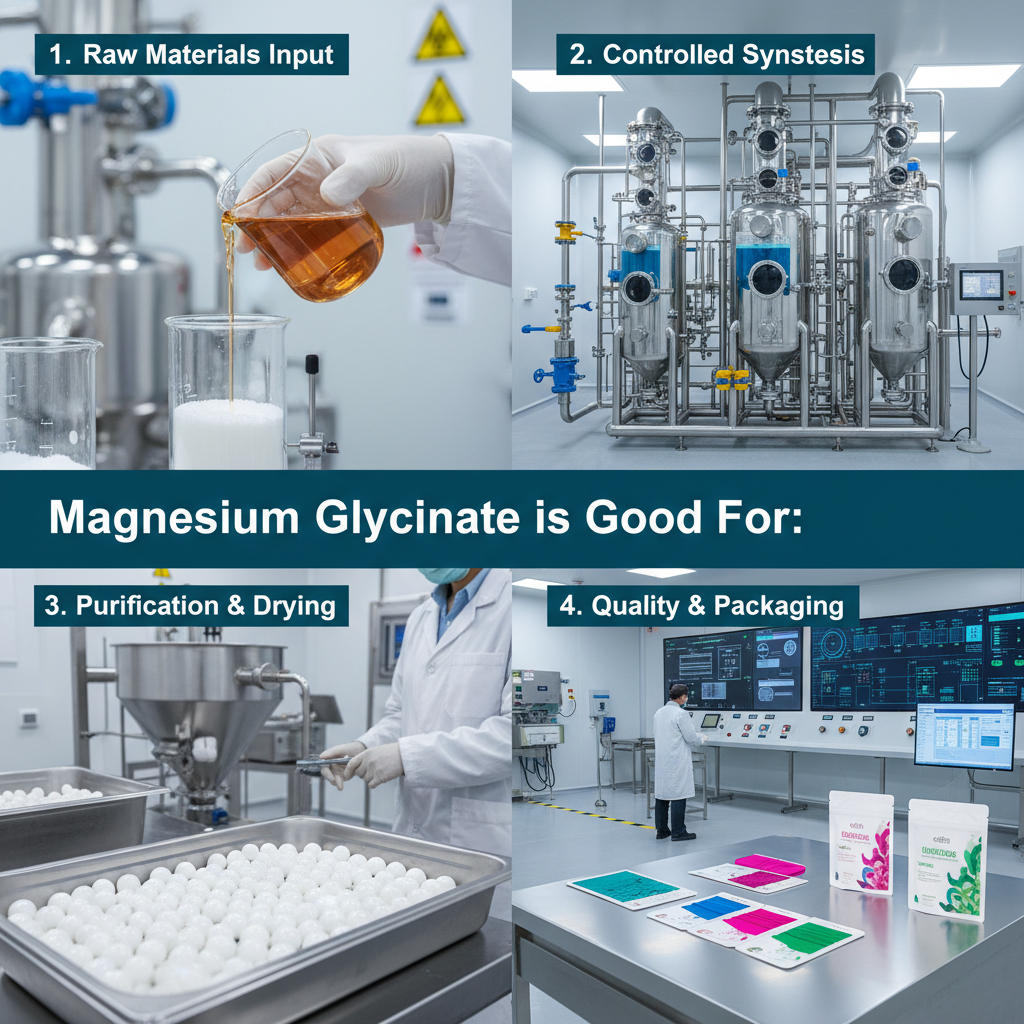
In real terms, this isn’t your common iron oxide or sulfate powder line on raw ingredient sheets. What makes fermented iron bisglycinate a little special is the chemo-biological process it undergoes – basically, iron is bonded to glycine molecules during a fermentation stage. This means you get better absorption, and that’s a game-changer when you need supplements that perform under high-stress manufacturing conditions or even in nutritional formulas aimed at sensitive systems.
Key Product Specifications: What You Should Know
If you’ve dealt with iron chelates or mined bulk minerals, you’ll appreciate the fine balance here: purity, solubility, and consistent particle size all play a crucial role. Based on the specs I reviewed, fermented iron bisglycinate fits neatly into a few niches, boosting iron content without stubborn side effects.
| Specification | Value | Notes |
|---|---|---|
| Iron content (Fe %) | 20–23% | Higher than basic iron salts |
| Form | Powder / Microgranules | Easier mixing in formulations |
| Solubility | Water-soluble | Enhances bioavailability |
| Moisture Content | ≤5% | Improves shelf stability |
| pH | 4.5 – 7.0 | Neutral to mildly acidic |
Comparing Top Vendors: What Stands Out in Fermented Iron Bisglycinate Supply
One thing impressed me after years of dealing with suppliers is how company differences go beyond price. You get variations in quality control, fermentation method, and responsiveness. Here’s a rough comparison of three vendors I’ve interacted with, including the folks from fermented iron bisglycinate suppliers.
| Vendor | Purity (%) | Certifications | Order Flexibility | Lead Time |
|---|---|---|---|---|
| HBFuyangBio | ≥99% | ISO 9001, GMP | Small to Bulk | 2–3 weeks |
| Vendor B | ≥95% | ISO 9001 | Bulk only | 4 weeks |
| Vendor C | 90–93% | None | Small orders only | 1 week |
In Use: A Quick Anecdote
Years back, a client involved in a nutritional supplement product line approached me with a tricky request: high iron bioavailability, but a powder that wouldn’t clump or interfere with other nutrients. The usual iron forms were causing issues – taste problems, browning, even consumer complaints. Switching to a fermented iron bisglycinate source made a real difference. The manufacturing process was smoother, and feedback from users was noticeably better. It made me realize how sometimes refining raw inputs pays off in leaps beyond the expected.
That’s just one example of why these “fancier” mineral supplements deserve a spot in your industrial spec sheet. They might cost a bit more upfront, but the downstream benefits can’t be ignored.
Oddly enough, it feels like the iron supplement market is finally catching up to what a handful of industry veterans have known all along: fermentation and chelation are not just words—they’re keys to efficiency and quality.
Final Thoughts
So, if you’re facing issues with basic iron additives or simply want to upgrade formula performance, consider fermented iron bisglycinate as a go-to option. It’s a neat intersection of biotech and old-school chemistry, and frankly, observing its benefits up close is one of those moments where industrial meets innovation.
Thanks for stopping by—got any stories or questions about iron chelates? I’m all ears.
References & Reflection
- Industry data sheets from leading iron supplement producers, 2023.
- Discussions with supplement manufacturers specializing in mineral bioavailability, 2022.
- Personal notes from multi-year projects on iron supplement formulation.