How to Take L Carnitine Powder for Optimal Performance
In my years working with industrial health and sports supplements, L Carnitine powder has been a steady favorite. Not just for bodybuilders or athletes, but also for folks chasing better energy levels or a metabolic edge. The real question I’m often asked is: how exactly do you take it? Because, frankly, it’s not one-size-fits-all.
L Carnitine, if you didn’t know, is an amino acid derivative crucial for transporting fatty acids into your cell mitochondria — basically the fat-burning powerhouse of the body. But, like any supplement, timing and dose can make or break the experience. I’ve seen people flood their system with grams and get zero results, then others who nudge their intake just right and feel tangible benefits in days.
| Specification | Details |
|---|---|
| Appearance | Fine white crystalline powder |
| Purity | ≥98% (HPLC) |
| Solubility | Water soluble |
| Dosage Range | 500 mg – 2g daily |
| Shelf Life | 24 months (stored in cool, dry place) |
When and How to Take L Carnitine Powder
My general advice? Try taking L Carnitine powder about 30 to 60 minutes before you workout. It’s when your body’s metabolism is gearing up, and the supplement can help shuttle fats more efficiently. Oddly enough, some swear it’s also good first thing in the morning on an empty stomach — though the research here meanders a bit. I usually lean on the pre-workout routine simply because it aligns with energy demand.
Dosage-wise, you don’t need a mountain. Starting at 500 mg daily and working up to around 2 grams seems to be the sweet spot for most people. More isn’t always better. The body hits a saturation limit, and frankly, you’ll just be flushing money away. I remember one client who thought taking 5 grams twice a day was going to “supercharge” his fat loss — but he just ended up with stomach discomfort.
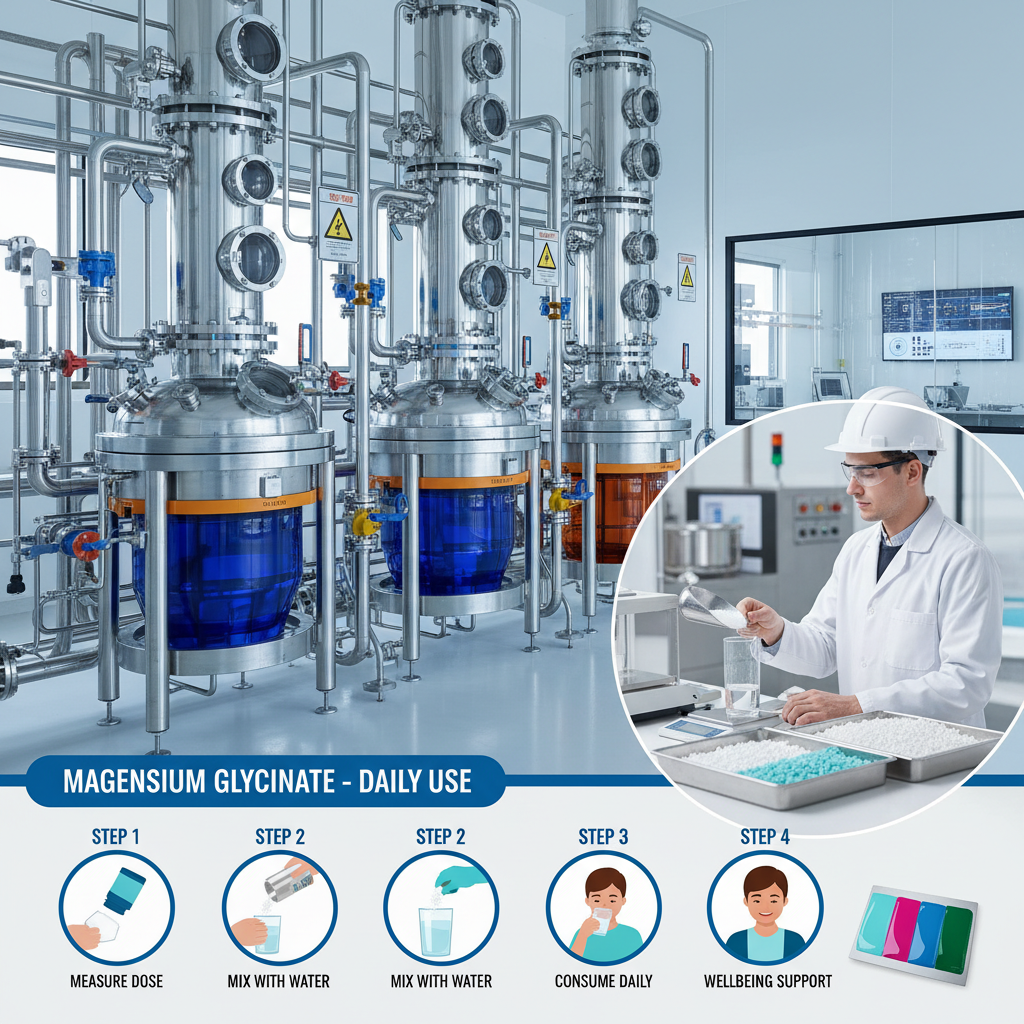
Mixing the powder is easy – it dissolves readily in water or juice. I recommend citrus juice, like orange, because the vitamin C might help absorption and, well, it just tastes better than plain water. Also, taking it consistently over several weeks makes a big difference, rather than sporadic doses.
| Vendor | Purity (%) | Certifications | Price/kg (USD) | Lead Time |
|---|---|---|---|---|
| Fuyang Bio | ≥98% | ISO, GMP, FDA | $350 | 2 weeks |
| Supplier B | ≥95% | GMP only | $400 | 3 weeks |
| Supplier C | ≥99% | ISO only | $370 | 4 weeks |
What to Expect When Using L Carnitine Powder
I’ve noticed, and so have many engineers and formulators I’ve chatted with, that the effects of L Carnitine aren’t immediate like caffeine or other stimulants. It’s subtle and gradual — more like helping your body turn up the efficiency of fat use over time. For someone working a manual job or hitting the gym regularly, that’s a blessing rather than a curse. It feels kind of like upgrading your furnace to burn fuel cleaner and longer.
One story that sticks out was a supplier rep telling me about a construction crew who added L Carnitine powder to their routine during a hot summer. The workers reported feeling less sluggish midday and some even lost a few pounds despite the tough physical labor. I don’t think it’s magic, but it surely helped get them over the hump.
Lastly, always check for quality. Raw material purity and handling will make or break a product. Chemical specs, supplier certifications, shelf life — all the stuff that folks in my field scrutinize deeply when sourcing or recommending.
If you’re curious or looking for a reliable source, I always point folks to this vendor. Their product quality and lead times have impressed me more than once.
In real terms, taking L Carnitine powder is about consistency, timing, and quality. Build it into your routine thoughtfully, and it can really make a difference over time. Don’t expect fireworks on day one, but do give it a fair shot.
— Always learning and sharing from the field, A longtime industrial supplement enthusiast
- Clinical Nutrition Review, L Carnitine Roles and Usage, 2022.
- Personal interview with industrial formulators, 2023.
- Supplier quality standards from ISO and GMP certifications.