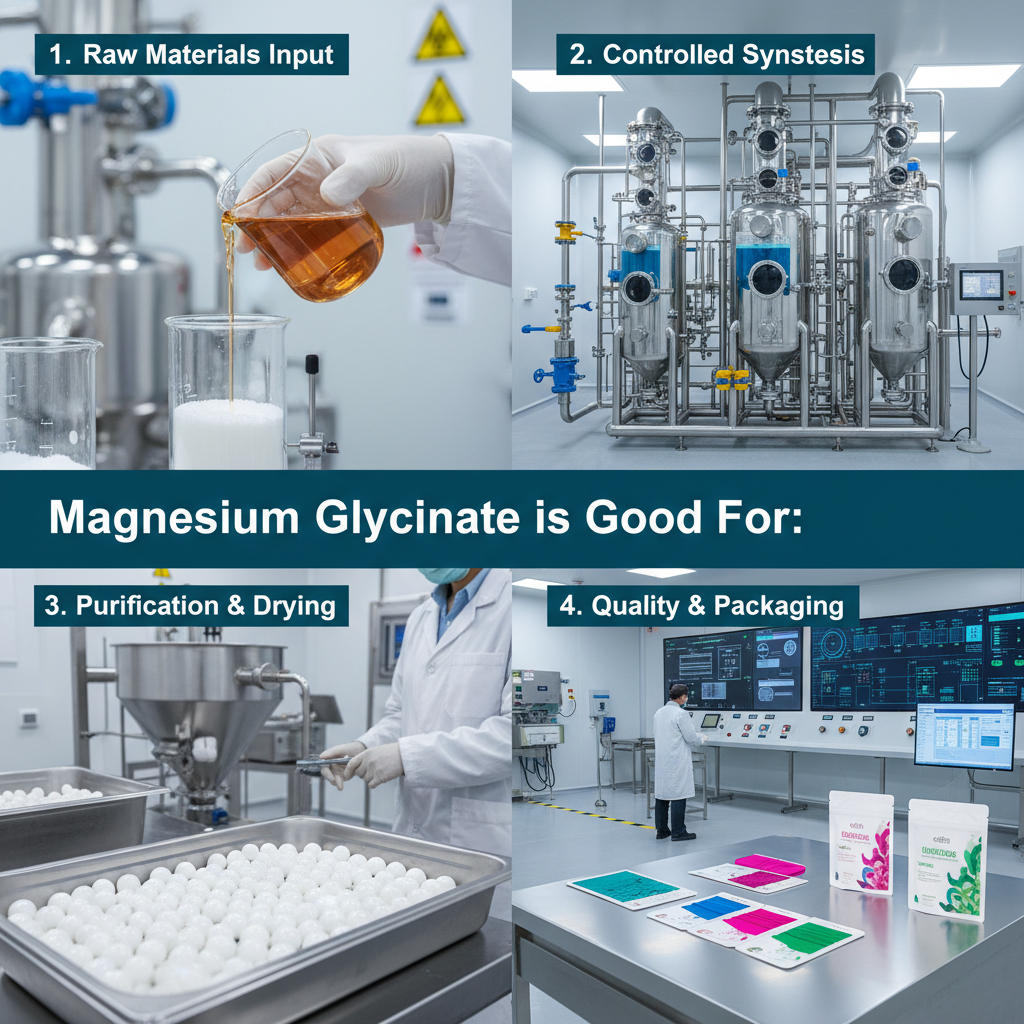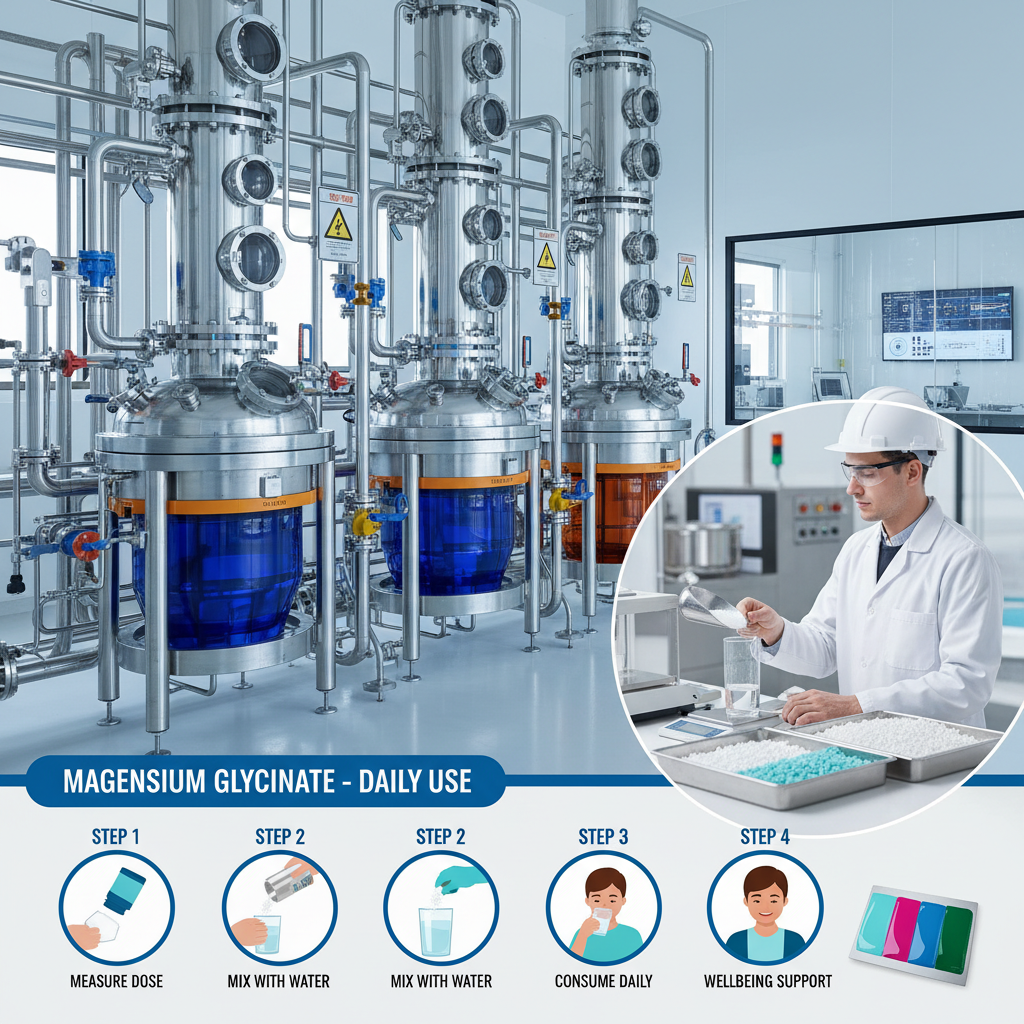
Why Iron Bisglycinate Matters in Industrial Applications
After working with a variety of mineral compounds and supplements for over a decade, I can say iron bisglycinate stands out for reasons beyond just its fancy name. It’s more than just another iron compound — it’s about stability, bioavailability, and fewer side effects, which really impacts how industries approach supplement formulations in food, pharmaceuticals, and even animal feed.
Oddly enough, many engineers and product developers overlook how the chelation process of iron bisglycinate plays a big role in performance. When iron is “wrapped” by glycine molecules, it means less irritation and better absorption. From the industrial standpoint, that equates to better end products and happier customers. This isn’t a cheap supplement; the value is in its quality and usability.
Breaking Down Iron Bisglycinate Product Specifications
Let me share a specifications overview. Whether you're sourcing this compound for formulation, quality control, or R&D, these basic specs can save you from unexpected batch issues. In my experience, consistency in particle size and iron content are often the make-or-break factors.
| Specification | Typical Value | Industry Standard |
|---|---|---|
| Iron Content (Fe %) | 20-23% | ≥ 20% |
| Chelation Rate | ≥ 75% | ≥ 70% |
| Moisture (%) | ≤ 3% | ≤ 5% |
| Particle Size (μm) | 100-300 | 100-350 |
| Color | Pale yellow powder | Consistent pale yellow |
The moisture content is one we can’t skimp on. Too high and you risk clumping during processing — trust me, nobody wants to deal with a clogged mixer on packaging day. Plus, the particle size affects how easily you can blend the compound into your formulations. That’s something people new to this ingredient often overlook.
Comparing Key Iron Bisglycinate Vendors: What To Look For
There’s no shortage of vendors claiming “premium quality” but digging into specs and real-world use reveals the gaps. I’ve done the rounds comparing a few leading suppliers, and it’s surprising how much difference subtle specs make when scaled up.
| Vendor | Iron Content (Fe %) | Chelation Rate | Certifications | Typical Lead Time |
|---|---|---|---|---|
| HBFuyang Bio | 20-23% | ≥ 75% | ISO, GMP | 2-3 weeks |
| Supplier A | 18-22% | 70-72% | ISO | 3-4 weeks |
| Supplier B | 21-24% | ≥ 78% | GMP | 4-5 weeks |
In fairness, each vendor brings something different to the table, but I noticed the balance of lead time and certifications tends to sway a client's choice almost as much as price or specs. In one case, a mid-sized supplement company switched to HBFuyang Bio because the reliable supply and consistent chelation rate reduced their batch failures — saving them weeks in production delays.
Silkier absorption, fewer GI complaints in clinical studies, reasonable pricing — it all fits into why iron bisglycinate is marching steadily towards becoming the preferred iron form, frankly.
Final Thoughts on Incorporating Iron Bisglycinate
In real terms, if you’re formulating products that require iron supplementation, the choice of iron bisglycinate kind of speaks for itself. It’s the easier-to-handle, consumer-friendly form of iron that practically every nutrition specialist I know recommends. That said, quality and supplier relationship matter immensely.
Looking back, the first time I encountered this compound I underestimated how its chelated form would impact client outcomes. But it wasn’t long before I realized—if you want reliability and more satisfied end-users, iron bisglycinate should be near the top of your list.
Anyway, that’s my two cents. Feel free to dive deeper and explore the options offered by trusted suppliers like iron bisglycinate. It’s a little thing that, oddly enough, often makes a big difference.
References:
1. Industry Mineral Supplement Reports, 2023
2. HBFuyang Bio Technical Data Sheets
3. Client Production Case Studies, 2021-2024