Why L Carnitine Good? A Veteran’s Take From Industrial Use
Having spent years in the industrial equipment sector, I’ve come across many compounds touted as “miracle” additives or supplements — some that hold up, others that don’t. L Carnitine is one of those ingredients that, frankly, has earned its stripes in more areas than you might expect, including certain industrial and nutritional applications. It’s not just hype; there’s subtle science and solid use cases behind it.
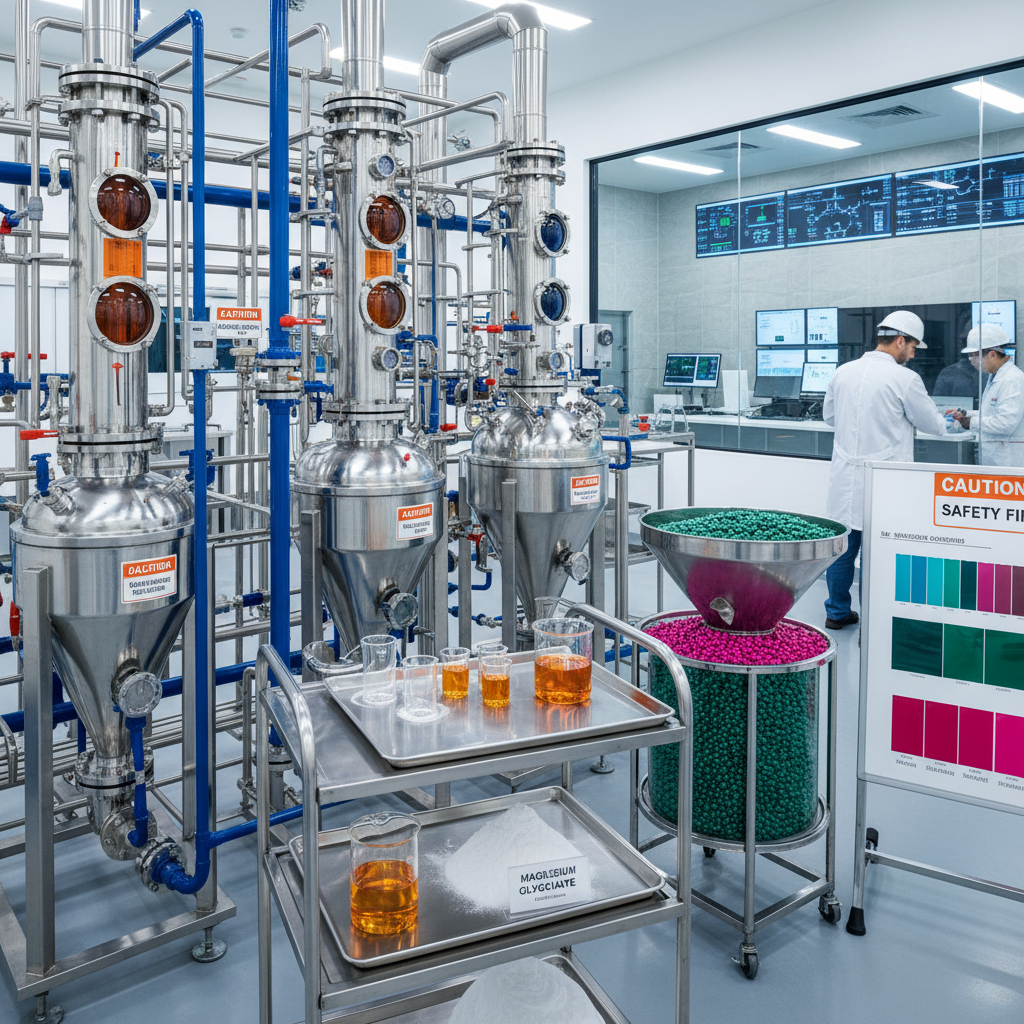
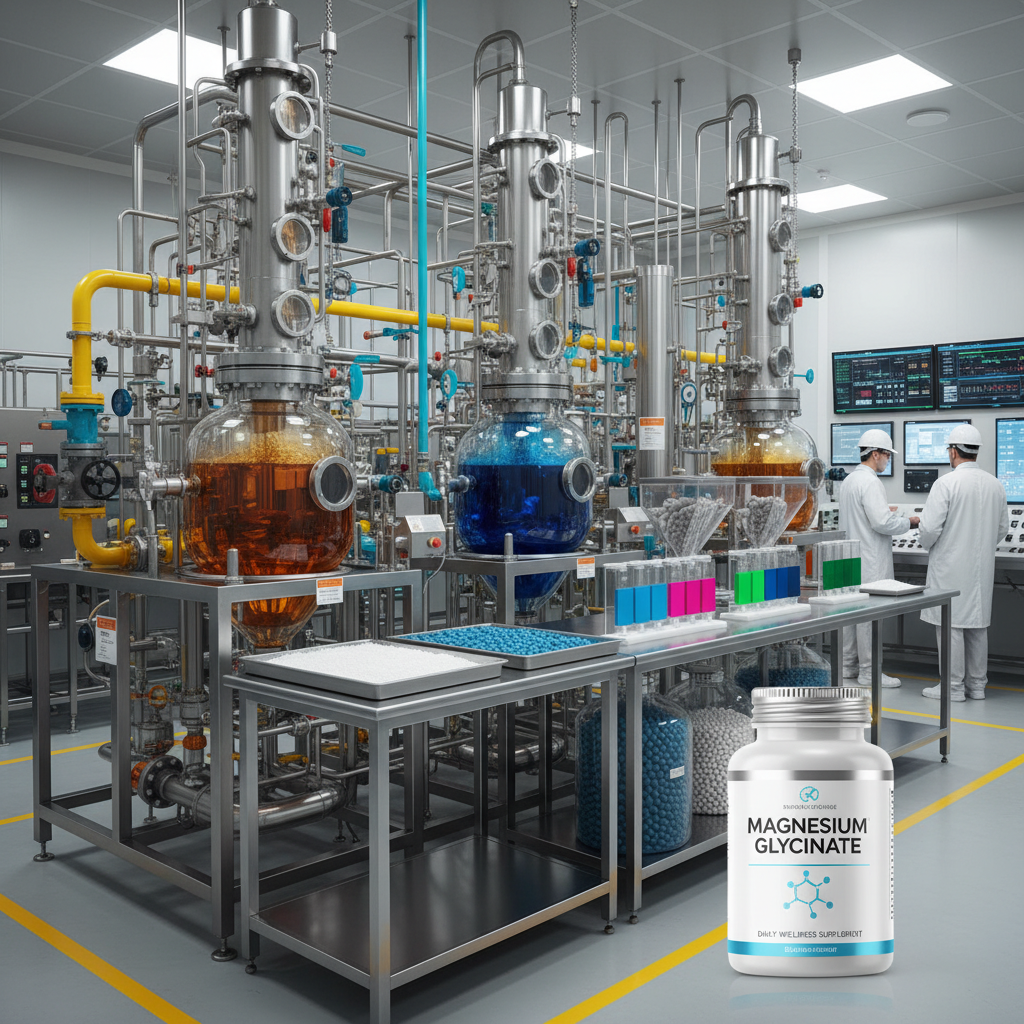
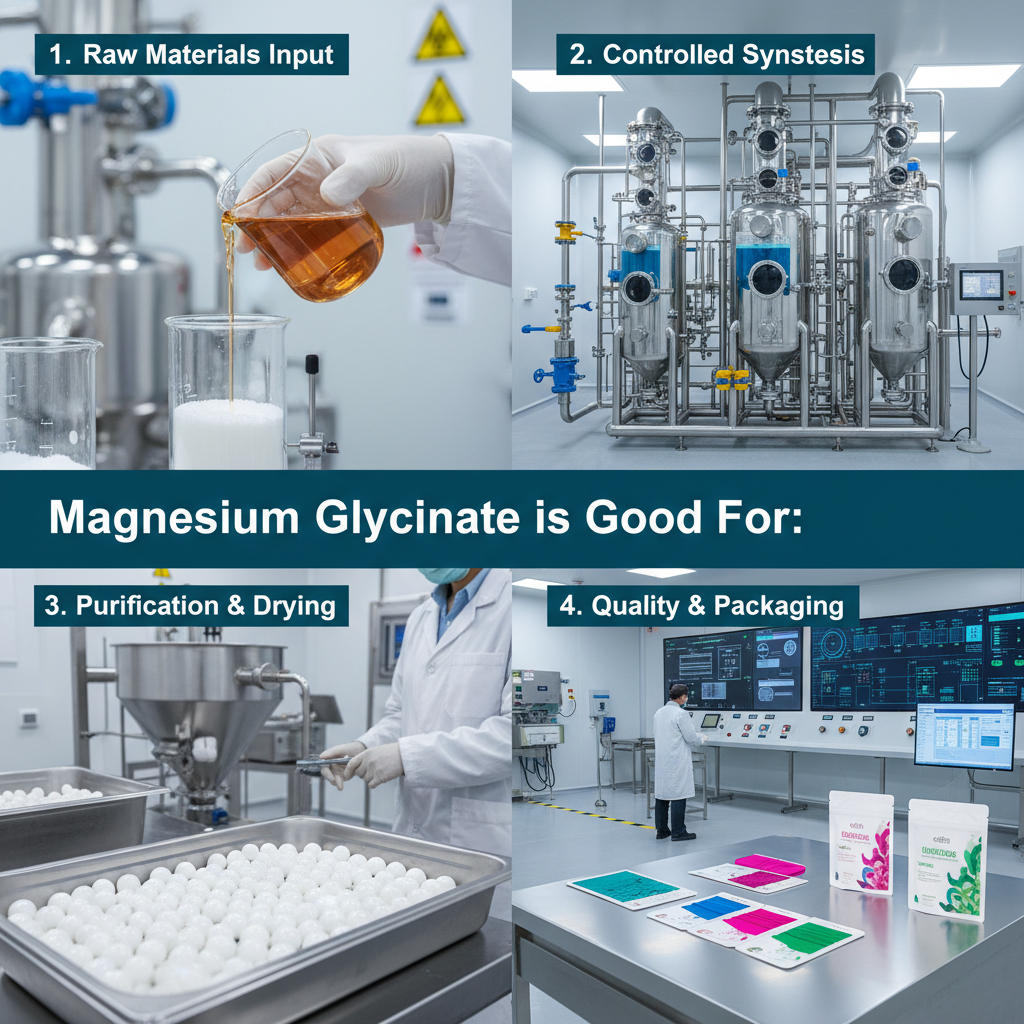
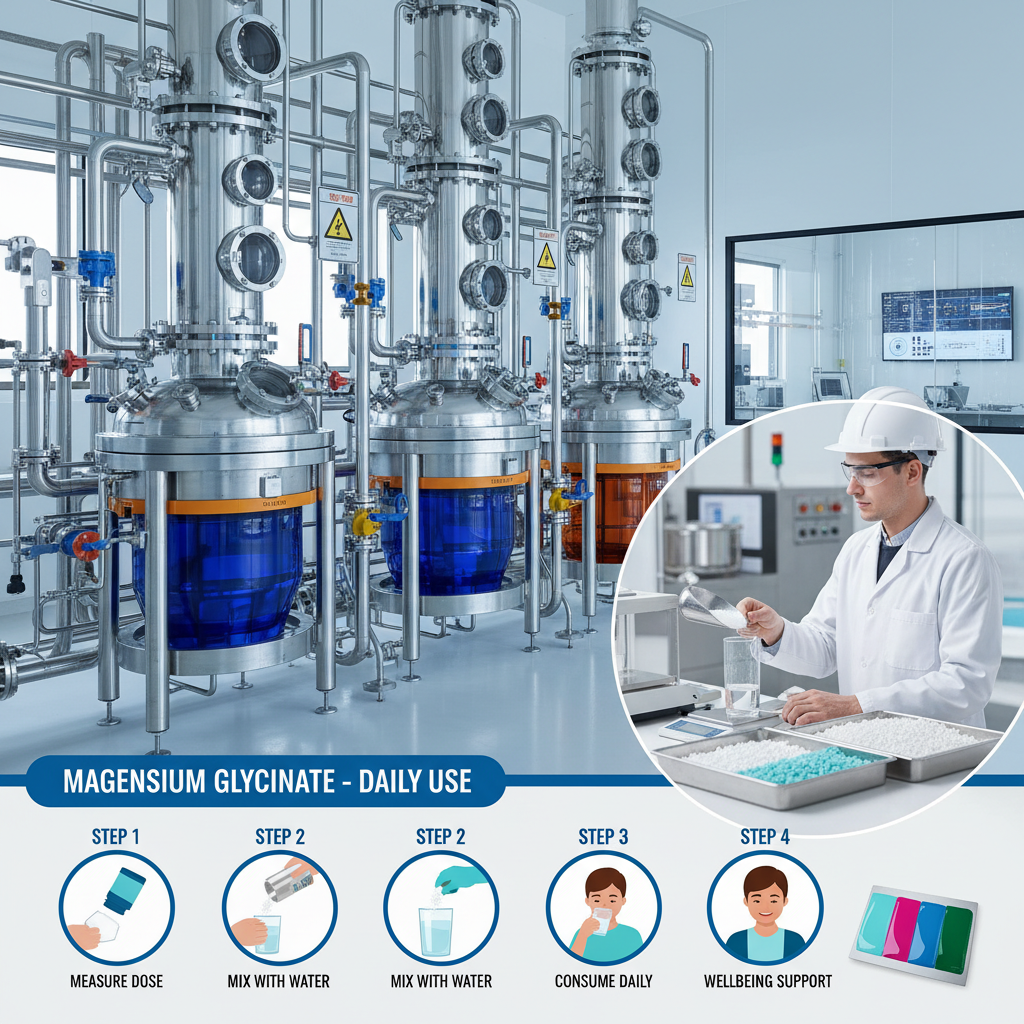
What surprises many newcomers is how versatile L Carnitine truly is. It’s mainly known for its role in biochemistry — shuttling fatty acids into mitochondria for energy production — but its stability, antioxidant properties, and easy integration into supplement formulas also mean it finds its way into manufacturing lines that demand quality and consistency. Oddly enough, many engineers I spoke to recently remarked on it being “a staple ingredient in fine nutritional mixes,” mainly because it’s reliable during storage and doesn’t degrade easily under typical conditions.
Product Specifications: Practical Insights
Let me share a quick specs rundown — it helps to see the numbers and standards that make this compound viable on the production floor. When debating additives, knowing specs is half the battle. Here’s a table that breaks down some usual parameters for high-grade L Carnitine:
| Specification | Typical Value | Method |
|---|---|---|
| Appearance | White crystalline powder | Visual inspection |
| Purity (HPLC) | ≥ 99% | High Performance Liquid Chromatography |
| Loss on drying | ≤ 1.5% | Moisture Analyzer |
| Heavy Metals | ≤ 10 ppm | Atomic Absorption Spectrometry |
| Chloride | ≤ 0.02% | Titration |
Those figures might look dry, but in real terms, what they mean is L Carnitine can be trusted for batch consistency. And that, in industrial production, is gold. No one's got time to troubleshoot bulk shipments because the ingredient comes out wet or contaminated.
Choosing a Vendor: What Really Matters
Now, if you’re like me — juggling quality requirements and deadlines — the vendor you pick sometimes dictates your whole product’s reputation. I’ve been on conference calls hearing suppliers talk a big game, then falling short on deliveries or quality. So, here’s a quick side-by-side comparison table of three popular L Carnitine suppliers I’ve personally eyed, to help you cut through the noise.
| Supplier | Purity (%) | MOQ (kg) | Lead Time (days) | Price (per kg, USD) | Certifications |
|---|---|---|---|---|---|
| HBFuyang Bio | ≥ 99% | 100 kg | 14 | $120 | ISO, GMP, Halal |
| Global Nutrients | 98.5% | 50 kg | 21 | $130 | ISO, Kosher |
| PureChem Labs | ≥ 99.2% | 200 kg | 10 | $125 | GMP, Halal |
Of course, specs only go so far. In one project a few years back, we chose HBFuyang Bio chiefly because their certifications included both GMP and Halal, which our client required for a global supplement rollout. The product arrived on time, and putting it through QA was refreshingly painless — no surprises with moisture or purity. That’s the kind of consistency that makes a difference in real production.
One last thing — it’s easy to get caught up in the buzzwords around chemical ingredients, but with L Carnitine, it feels like ticking both boxes of science and supply chain savvy. For anyone in the industrial or nutritional arena, it’s worth a look when you want reliability without breaking the bank.
So yeah, is L Carnitine good? In my book — absolutely. It’s that quiet workhorse ingredient that turns up where it counts.
Final Thoughts
From lab to line, the story of L Carnitine underlines the importance of knowing your ingredient well — not just its chemistry but the logistics behind it. Because honestly, a great supplier can make or break a project, and in this space, few compounds combine biochemical value with industrial practicality quite like L Carnitine.
If you’re considering it for your next formulation or production run, do your homework on specs and sourcing — but expect a reliable partner in this one.
References and Some Musings:
1. HBFuyang Bio product specs and certifications
2. Industry talks on ingredient sourcing and quality consistency
3. Personal experience with global supplement manufacturers