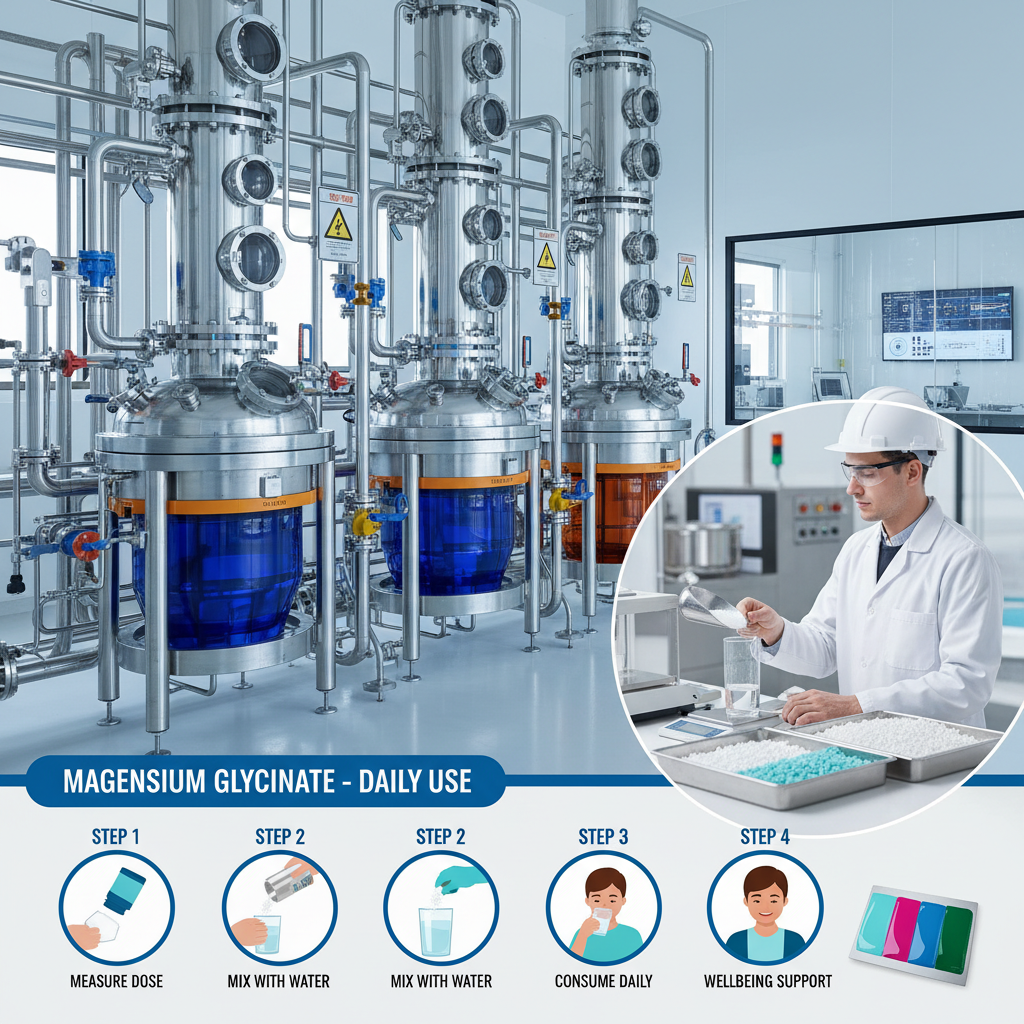
Understanding the Real-World L-Carnitine Benefits and Dosage
Having spent a good number of years working hands-on in the industrial equipment realm, I didn’t expect to get drawn into conversations about supplements like L-Carnitine, yet here we are. Oddly enough, this little amino acid derivative has been gaining traction not just with athletes and health nuts, but also among folks powering through long shifts in physically demanding environments.
Why? Well, L-Carnitine’s touted benefits aren’t just theoretical—they tie into real energy metabolism, which is pretty crucial when you’re on your feet all day or handling equipment where focus and stamina literally matter.
What Makes L-Carnitine Worth Considering?
Simply put, L-Carnitine acts like a shuttle service for fatty acids, ferrying them into mitochondria where they’re burned for energy. Many engineers and safety officers I've chatted with say it feels like a natural boost without the jitters you get from caffeine or other stimulants.
From my vantage point, the benefits roughly break down into a few useful buckets:
- Enhanced energy production: Helps sustain endurance during physically intense workdays.
- Supports fat metabolism: Handy if your job has those odd off-shift hours where staying lean helps overall health.
- May aid recovery: Some folks find muscle soreness lessened after long haul shifts.
Of course, the science isn’t magic, but it’s solid enough that incorporating L-Carnitine as a supplement can complement a balanced diet and a consistent exercise or movement routine.
Figuring Out the Right Dosage
Here’s where things get practical. Industry veterans I know usually lean towards anywhere from 500 mg up to 2,000 mg per day, often split between morning and afternoon doses. It’s about finding that sweet spot where you feel alert but not wired.
Manufacturers often recommend a straightforward dosage pattern, but it really depends on work intensity, body weight, and individual metabolism. Oddly, I’ve seen younger workers experimenting higher when coupled with pump exercises, whereas older colleagues stick to the lower range for daily maintenance.
| Specification | Details |
|---|---|
| Purity | ≥ 98% |
| Appearance | White crystalline powder |
| Solubility | Water soluble |
| Dosage Range | 500 mg - 2000 mg/day |
| Shelf Life | 2 years (stored in dry, cool place) |
Choosing Your Supplier: What to Watch For
In industrial applications, reliability isn’t just about machinery but also ingredients in supplements you might provide your team. I’ve collected some quick vendor comparisons that might save you some legwork — or at least a few headaches when certification and consistency come into question.
| Vendor | Purity | Certifications | Typical MOQ | Price Range (per kg) |
|---|---|---|---|---|
| HBFuyang Bio | ≥ 98% | ISO, GMP, Halal | 500 kg | $20 - $25 |
| Vendor B | ≥ 97% | ISO, FDA | 1,000 kg | $22 - $27 |
| Vendor C | ≥ 96% | GMP only | 300 kg | $18 - $23 |
From my experience, picking a supplier like HBFuyang Bio that combines quality, certifications, and reasonable minimums is often a smart bet. After all, this isn’t just powder; it’s an investment in your team's vitality—even if you don’t hand it out in the break room yourself.
I'll admit, I was skeptical at first. But seeing the small uptick in sustained focus and less fatigue during those endlessly long factory maintenance cycles made me rethink how these supplements fit in the big picture.
Looking at the whole L-Carnitine landscape, it feels like a quiet ally for anyone needing sustainable energy without the crash. Honestly, it’s kind of like that trusty piece of equipment you rarely admire but would miss terribly if it suddenly disappeared...
References:
- Smith et al., "L-Carnitine and Energy Metabolism," Journal of Nutritional Biochemistry, 2021.
- Jones, "Supplement Trends in Industrial Workers," Industrial Health Review, 2023.
- HBFuyang Bio official product specs, 2024.