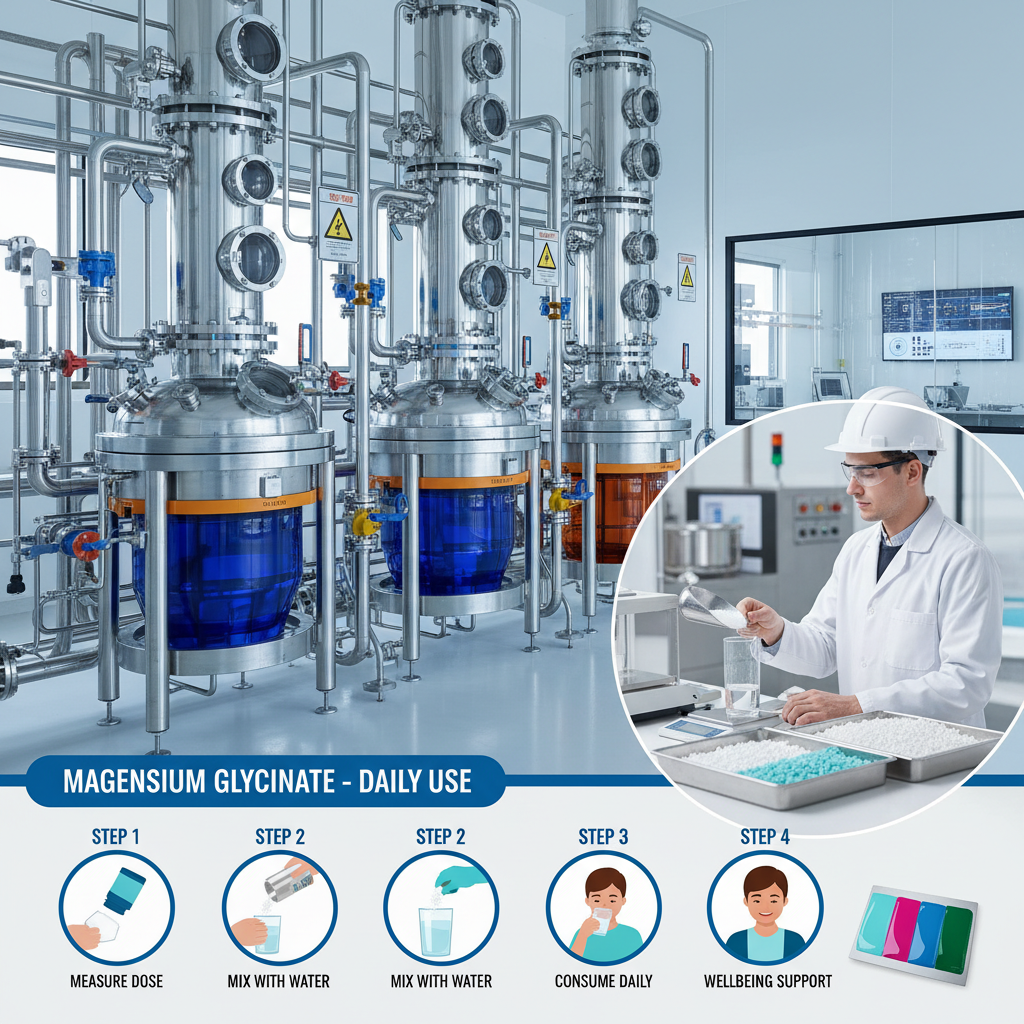
Understanding L-Carnitine: An Essential Cofactor for B2B Applications
L-Carnitine, an endogenous quaternary ammonium compound, is critically involved in cellular energy metabolism, primarily by facilitating the transport of long-chain fatty acids from the cytosol into the mitochondrial matrix for beta-oxidation. This process is fundamental for ATP production, making L-Carnitine a vital component in various physiological functions, from muscle energy to cardiovascular health and neurotransmitter synthesis. As a result, the demand for high-quality l carnitine for sale in the B2B market, particularly for nutraceutical, pharmaceutical, and animal nutrition applications, continues to expand rapidly. Manufacturers and formulators seeking robust, bioavailable, and ethically sourced L-Carnitine require a deep understanding of its technical specifications, diverse applications, and the underlying production methodologies that ensure purity and efficacy.
Our focus is on providing comprehensive insights into the world of L-Carnitine, addressing the needs of industry professionals who prioritize scientific rigor and supply chain reliability. From raw material sourcing to advanced purification techniques, the manufacturing excellence directly correlates with the final product's performance and safety profile, impacting the end-user's trust and product efficacy.
The Advanced Manufacturing Process of L-Carnitine
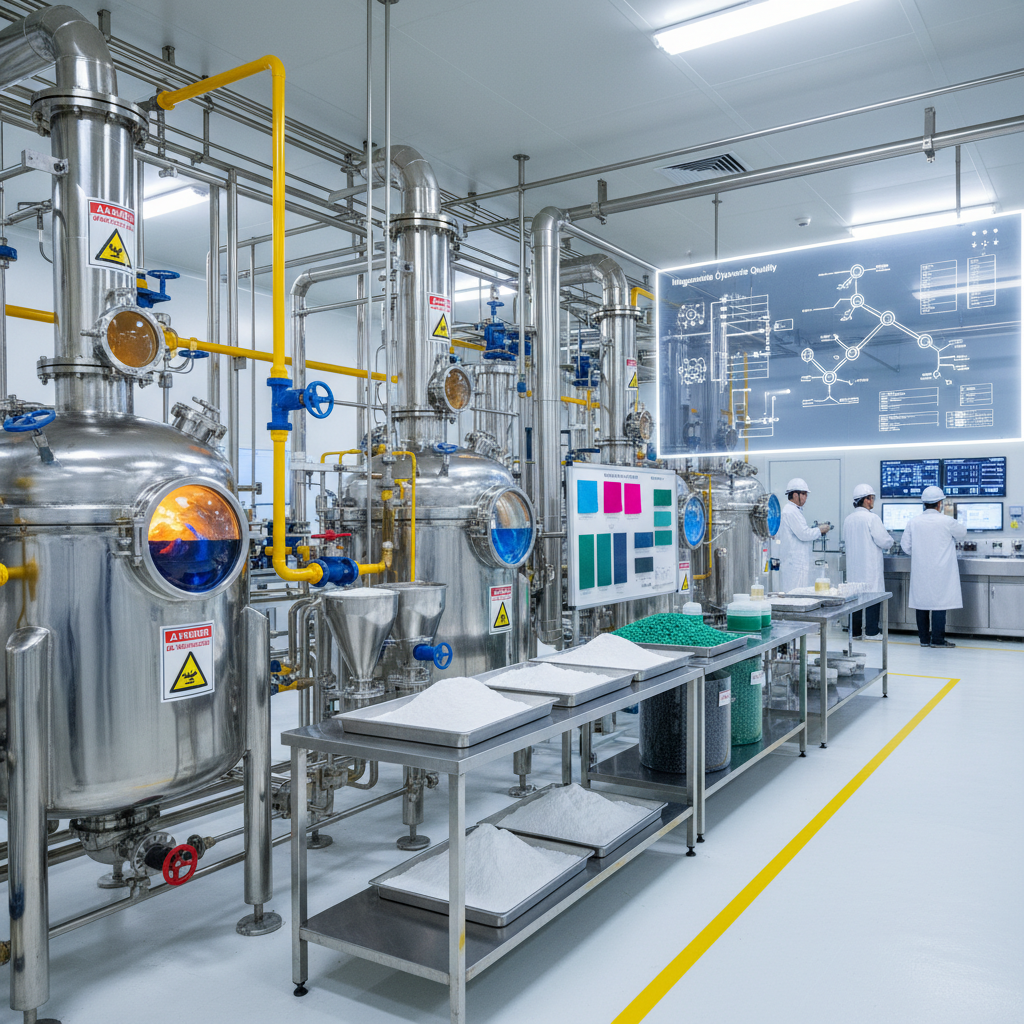
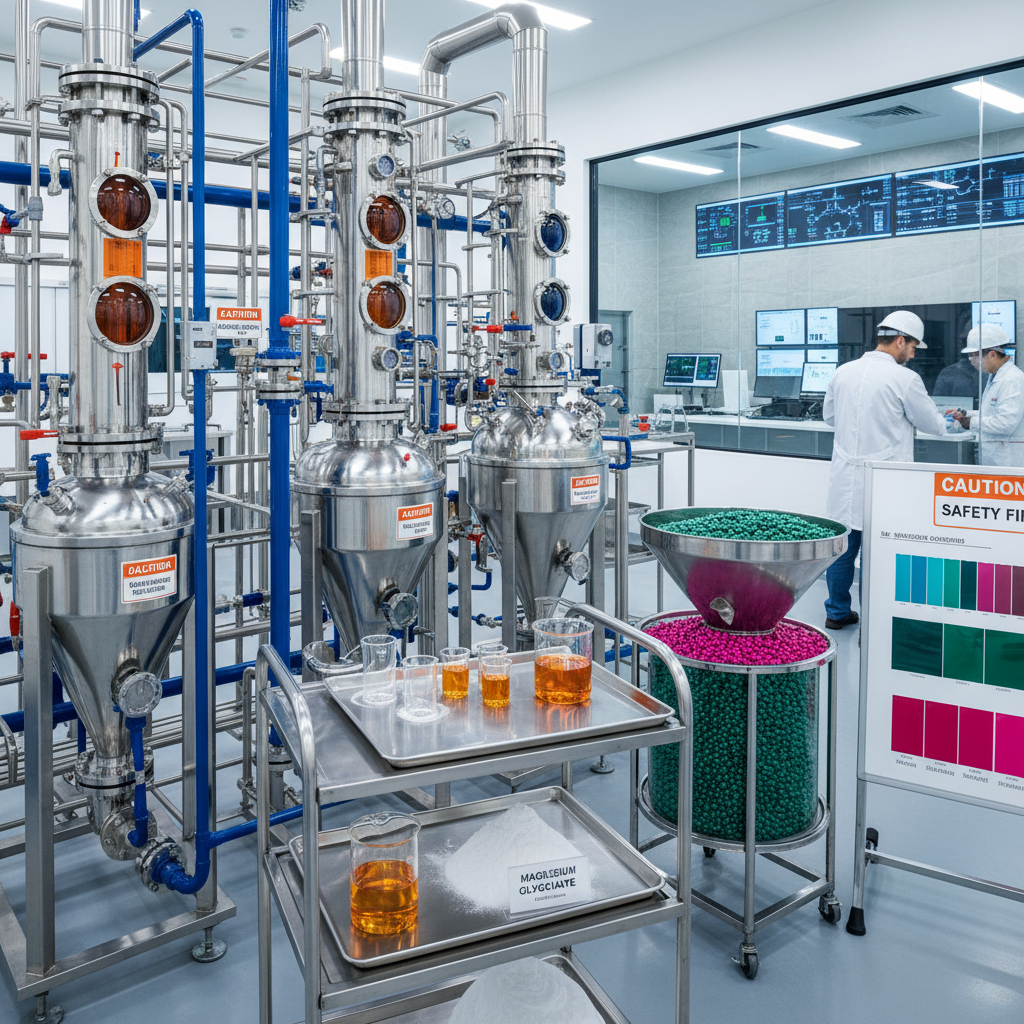
The production of high-grade L-Carnitine suitable for industrial applications involves sophisticated chemical synthesis or biotechnological fermentation processes, each designed to yield the desired L-enantiomer with high purity and minimal D-Carnitine contamination. The presence of D-Carnitine is undesirable as it can act as an antagonist to L-Carnitine transport and metabolism.
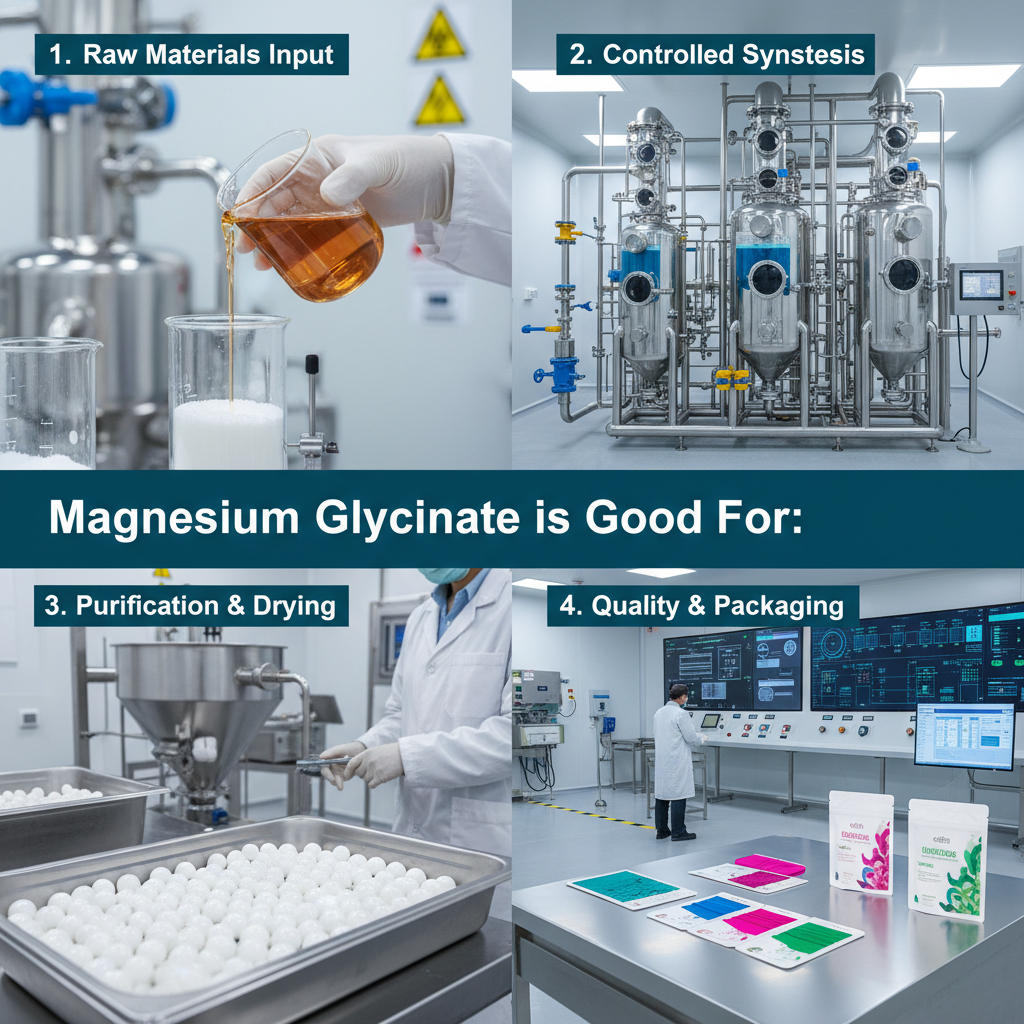
Process Flow Overview:
-
Raw Material Procurement & Pre-treatment:
Key precursor materials (e.g., trimethylamine, epichlorohydrin for chemical synthesis; or crotonobetaine, methionine, lysine for biotechnological routes) are sourced from approved suppliers. Strict quality control ensures these materials meet internal and international specifications, forming the foundation for a premium l carnitine for sale.
-
Synthesis/Fermentation:
- Chemical Synthesis: Typically a multi-step process. For instance, reaction of trimethylamine with epichlorohydrin to form glycidyl trimethylammonium chloride, followed by hydrolysis and subsequent conversion to L-Carnitine. Stereoselectivity is often achieved through enzymatic resolution or chiral auxiliaries to ensure the desired L-configuration.
- Biotechnological Fermentation: Utilizing microbial strains (e.g., Escherichia coli, Candida boidinii) engineered for high L-Carnitine yield. This method often involves the bioconversion of precursors such as γ-butyrobetaine or crotonobetaine. Fermentation conditions (pH, temperature, nutrient supply) are meticulously controlled using advanced bioreactors.
-
Separation & Initial Purification:
Post-synthesis or fermentation, the crude L-Carnitine solution undergoes initial separation steps. This may involve filtration to remove biomass (in fermentation), solvent extraction, or precipitation to isolate the target compound from byproducts and unreacted starting materials.
-
Advanced Purification (e.g., Ion Exchange, Chromatography):
To achieve pharmaceutical or food-grade purity, advanced techniques like ion-exchange chromatography or membrane filtration are employed. These processes are critical for removing impurities, heavy metals, and residual solvents, ensuring the final l carnitine for sale meets stringent regulatory requirements.
-
Crystallization & Drying:
The purified L-Carnitine solution is then subjected to controlled crystallization. This step is crucial for obtaining a high-purity crystalline product with desired particle size distribution. The crystals are subsequently dried using methods like vacuum drying or spray drying, preserving the compound's stability and integrity.
-
Milling & Blending (if applicable):
Depending on the final product form (e.g., powder, granular), the dried L-Carnitine may undergo milling to achieve specific particle sizes, critical for flowability and blending in subsequent formulations. For certain l carnitine types like L-Carnitine Tartrate, the L-Carnitine base is blended with L-Tartaric Acid.
-
Quality Control & Packaging:
Throughout the entire process, rigorous quality control checks are performed. Final product testing adheres to international standards such as USP, EP, FCC, ISO 22000, HACCP, and GMP. This includes assays for purity, enantiomeric composition, heavy metals, microbial limits, and physical properties. The finished product is then packaged in airtight, food-grade container111s, ensuring product stability and shelf life, ready for l carnitine wholesale distribution.
Advantages & Target Industries:
Our manufacturing processes emphasize high enantiomeric purity, ensuring that the L-Carnitine supplied is biologically active and free from antagonistic D-Carnitine. This precision contributes to enhanced bioavailability and efficacy in end-products. The robust stability of our l carnitine bulk powders ensures a long service life, typically 2-3 years under recommended storage conditions, maintaining potency throughout the product's lifecycle.
Target industries include:
- Nutraceuticals: Dietary supplements for weight management, sports nutrition (endurance, recovery), cardiovascular support, and cognitive health.
- Pharmaceuticals: Formulations for metabolic disorders, renal disease, and specific therapeutic applications.
- Animal Nutrition: Feed additives for livestock and aquaculture to improve fat metabolism, growth rates, and reproductive performance.
- Cosmetics: Topical applications for skin conditioning and anti-aging properties.
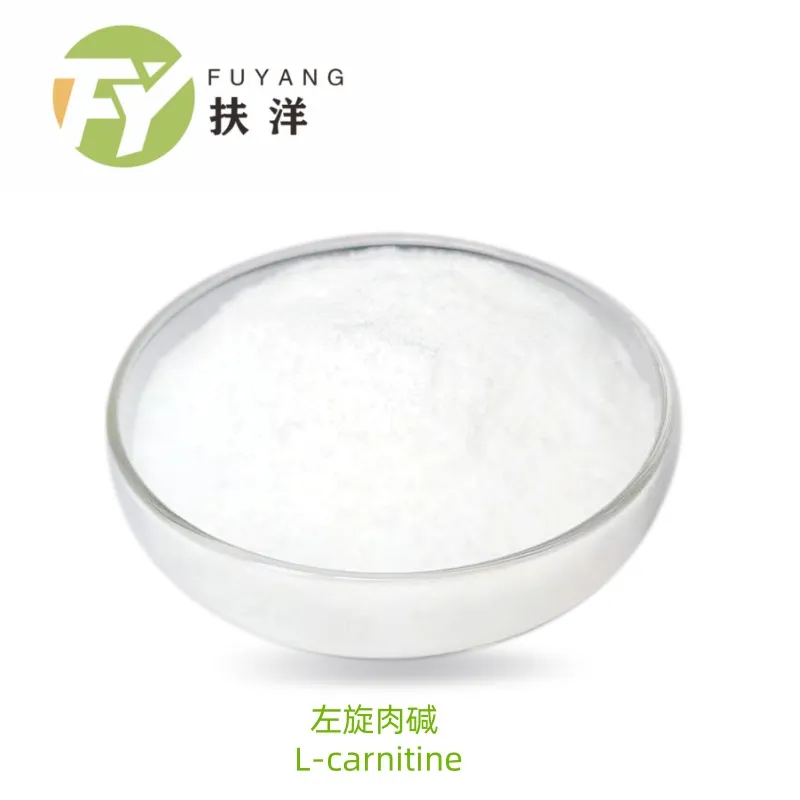
Industry Trends and Market Dynamics for L-Carnitine
The global L-Carnitine market is experiencing robust growth, driven by increasing consumer awareness regarding health and wellness, particularly in sports nutrition and weight management. Projections indicate a compound annual growth rate (CAGR) of over 6% for the L-Carnitine market, reaching an estimated value of over $200 million by 2027. Key market segments include:
- Sports Nutrition: Dominates the market, with L-Carnitine being a staple in pre-workout, post-workout, and fat-loss supplements due to its role in energy metabolism and recovery.
- Weight Management: Growing demand for natural and effective ingredients that support fat burning and metabolism.
- Functional Foods & Beverages: Integration into fortified foods and beverages for convenient consumption.
- Animal Feed: Increasing use in swine, poultry, and aquaculture to optimize feed conversion ratios and improve overall animal health.
- Pharmaceutical & Clinical Nutrition: Applications in managing L-Carnitine deficiencies and supporting specific therapeutic diets.
Emerging trends also point towards a greater emphasis on sustained-release formulations and synergistic blends with other active ingredients to enhance efficacy. The market for various types of l carnitine, such as Acetyl-L-Carnitine for cognitive support and L-Carnitine Tartrate for rapid absorption in sports, is diversifying, requiring suppliers to offer a broad portfolio. Manufacturers of l carnitine wholesale need to adapt to these evolving demands, focusing on both product innovation and robust supply chain management.
Technical Specifications and Product Parameters
Our commitment to quality is underscored by adherence to stringent technical specifications. Below is a representative product specification table for our premium L-Carnitine, ensuring that every batch of l carnitine for sale meets the highest industry standards.
L-Carnitine Product Specification
| Parameter | Specification | Methodology/Standard |
|---|---|---|
| Appearance | White crystalline powder | Visual |
| Assay (L-Carnitine) | ≥ 99.0% | HPLC (USP/EP) |
| Specific Rotation ([α]D20) | -30.0° to -32.5° | Polarimetry |
| Loss on Drying | ≤ 0.5% | Gravimetry (105°C, 3h) |
| Residue on Ignition | ≤ 0.5% | USP/EP |
| Heavy Metals (as Pb) | ≤ 10 ppm | ICP-MS (USP/EP) |
| Arsenic (As) | ≤ 1 ppm | ICP-MS (USP/EP) |
| Total Plate Count | ≤ 1000 cfu/g | USP/EP |
| Yeast & Mold | ≤ 100 cfu/g | USP/EP |
| Pathogens | Negative | USP/EP |
Understanding L-Carnitine Types and Their Applications
The market offers several l carnitine types, each formulated to optimize specific properties like absorption, stability, or targeted delivery. Understanding these differences is crucial for formulators seeking to acquire l carnitine for sale that best suits their product development needs.
| L-Carnitine Type | Key Characteristics | Typical Applications | L-Carnitine Content (approx.) |
|---|---|---|---|
| L-Carnitine Base | Pure, free-form L-Carnitine. Highly hygroscopic. | Tablets, capsules, liquid formulations where high concentration is desired and moisture control is managed. | ~100% |
| L-Carnitine Tartrate | A stable salt of L-Carnitine and L-Tartaric Acid (2:1 ratio). Less hygroscopic than base. | Sports nutrition, pre-workout mixes, powder blends due to better stability and flowability. | ~68% |
| Acetyl-L-Carnitine (ALCAR) | Ester form, known for its ability to cross the blood-brain barrier. Supports cognitive function. | Nootropic supplements, cognitive enhancers, nerve support formulations. | ~80% (varies slightly) |
| L-Carnitine Fumarate | A stable salt with Fumaric Acid, beneficial for cardiovascular health and energy production. | Cardiovascular support supplements, energy drinks, general wellness. | ~55% |
These distinct forms allow for targeted product development, addressing various physiological needs and market segments. When considering l carnitine for sale, the choice of specific type significantly influences formulation, stability, and efficacy.
Application Scenarios and Technical Advantages
Sports Nutrition & Performance Enhancement
In sports nutrition, L-Carnitine is highly valued for its role in optimizing fat metabolism, which translates to improved energy utilization during exercise. It aids in reducing muscle damage and soreness post-exercise, enhancing recovery, and supporting lean muscle mass development. For formulators seeking l carnitine bulk for performance products, L-Carnitine Tartrate is often preferred due to its superior stability and rapid absorption. A leading sports supplement brand reported a 15% reduction in perceived muscle soreness and improved recovery times among athletes using their L-Carnitine enriched products in a 12-week trial.
Weight Management & Metabolic Support
L-Carnitine contributes to weight management by facilitating the breakdown of stored fat for energy. This makes it an attractive ingredient for fat burner formulations and dietary supplements aimed at body composition improvement. Its technical advantage lies in directly supporting mitochondrial function, which is critical for individuals looking to enhance their metabolic rate. A recent clinical study highlighted that supplementation with L-Carnitine could significantly reduce body weight and fat mass in overweight and obese individuals when combined with lifestyle interventions.
Animal Nutrition & Livestock Productivity
In animal feed, L-Carnitine functions as a powerful metabolic enhancer. For poultry, it improves growth rates, feed conversion efficiency, and meat quality. In swine, it boosts reproductive performance in sows and optimizes growth in piglets. For aquaculture, it enhances fish growth and stress resistance. Our l carnitine wholesale solutions for animal feed are designed for high stability in challenging feed processing environments, ensuring consistent delivery of benefits. A large-scale poultry farm implementing L-Carnitine supplementation in their feed reported a 7% improvement in average daily gain and a 5% reduction in feed conversion ratio.
Cognitive Health & Neurological Support
Acetyl-L-Carnitine (ALCAR), a specific form of L-Carnitine, is particularly effective for cognitive applications due to its ability to readily cross the blood-brain barrier. It supports acetylcholine production, a crucial neurotransmitter for learning and memory, and offers neuroprotective benefits. This makes it a prime choice among l carnitine types for nootropic formulations and supplements targeting age-related cognitive decline.
Authoritativeness and Trustworthiness
Our standing as a reliable supplier of l carnitine for sale is built on a foundation of uncompromised quality, regulatory compliance, and extensive industry experience. We consistently adhere to global standards, ensuring that our products meet the highest benchmarks for safety and efficacy.
Certifications and Compliance:
- ISO 9001: Certified quality management system ensuring consistent product quality and customer satisfaction.
- ISO 22000 & HACCP: Food safety management systems that guarantee product safety throughout the supply chain.
- GMP (Good Manufacturing Practices): Adherence to pharmaceutical and food industry GMPs for all manufacturing processes.
- Kosher & Halal Certifications: Catering to diverse dietary and religious requirements for global distribution.
- USP/EP Compliance: Our L-Carnitine products meet or exceed the monographs set by the United States Pharmacopeia (USP) and European Pharmacopoeia (EP).
- FDA GRAS Status: L-Carnitine has generally recognized as safe (GRAS) status by the FDA for certain food applications, further bolstering its trustworthiness.
Client Partnerships & Experience:
With over 15 years of dedicated service in the biochemical industry, we have established robust partnerships with leading global nutraceutical, pharmaceutical, and animal nutrition companies. Our experience extends to providing tailored solutions for diverse product development challenges, from initial concept to market launch. We routinely assist clients in navigating regulatory landscapes and optimizing formulations, leveraging our deep technical expertise in l carnitine types.
Vendor Comparison & Customized Solutions:
When evaluating providers for l carnitine wholesale, discerning clients look beyond mere pricing. Key differentiators include:
- Purity & Enantiomeric Specificity: Our stringent QC protocols ensure >99% L-Carnitine with negligible D-Carnitine.
- Consistency & Supply Chain Reliability: Vertical integration and robust inventory management guarantee a stable supply of l carnitine bulk.
- Technical Support: Access to R&D and application specialists to assist with formulation and compliance.
- Customization: We offer tailored particle sizes, blends, and specific l carnitine types to meet unique product requirements. For instance, a client required a less hygroscopic form for a chewable tablet; we provided a specialized L-Carnitine Tartrate with enhanced flow properties.
Our ability to provide customized particle sizes, controlled-release formulations, or specialized blends of types of l carnitine ensures that our partners receive precisely what they need, optimizing their manufacturing processes and final product performance. This bespoke approach sets us apart in the competitive landscape for l carnitine for sale.
Frequently Asked Questions (FAQ)
Q: What is the typical lead time for l carnitine bulk orders?
A: Standard lead time for l carnitine bulk orders is typically 2-4 weeks, depending on quantity and specific product type. For urgent requirements or very large volumes, we encourage clients to discuss their needs with our sales team for tailored solutions and expedited shipping options.
Q: What warranty do you offer on your L-Carnitine products?
A: We provide a comprehensive warranty covering product quality, purity, and adherence to specifications as outlined in the Certificate of Analysis (COA) for each batch. Our L-Carnitine products typically have a shelf life of 24-36 months when stored under recommended conditions. Any product not meeting the specified parameters will be addressed promptly according to our quality assurance policy.
Q: Can you provide samples of different l carnitine types for R&D?
A: Yes, we are pleased to offer samples of various l carnitine types to support your research and development efforts. Please contact our technical sales team with your specific requirements, and we will arrange for sample delivery.
Q: What after-sales support do you provide?
A: Our commitment extends beyond the sale. We offer dedicated after-sales support, including technical assistance for formulation challenges, regulatory guidance, and responsive customer service for any logistical or quality-related inquiries. Our team is accessible via phone and email to ensure seamless integration and utilization of our l carnitine for sale products.
Conclusion
The dynamic landscape for L-Carnitine presents significant opportunities for businesses across nutraceuticals, pharmaceuticals, and animal nutrition. By focusing on superior manufacturing processes, adherence to international quality standards, and providing robust technical support, we ensure that our partners receive the highest quality l carnitine for sale. Our comprehensive portfolio of l carnitine types, coupled with flexible l carnitine wholesale and l carnitine bulk solutions, positions us as an ideal partner for your ingredient needs. We are committed to supporting your innovation and growth with a product known for its efficacy and reliability.
References
- National Institutes of Health, Office of Dietary Supplements. "Carnitine - Fact Sheet for Health Professionals." Available at: ods.od.nih.gov/factsheets/Carnitine-HealthProfessional/
- FDA. "Generally Recognized as Safe (GRAS) Notice No. GRN 000080 for L-carnitine." Available at: fda.gov/food/primary-ingredient-guidance/generally-recognized-safe-gras-notices
- EFSA Journal. "Scientific Opinion on the safety and efficacy of L-carnitine as a feed additive for all animal species." Available at: efsa.europa.eu/en/efsajournal/pub/2422
- University of Maryland Medical Center. "Carnitine." Available at: umm.edu/health/medical/altmed/supplement/carnitine
- PubChem. "L-Carnitine." National Center for Biotechnology Information. Available at: pubchem.ncbi.nlm.nih.gov/compound/L-Carnitine