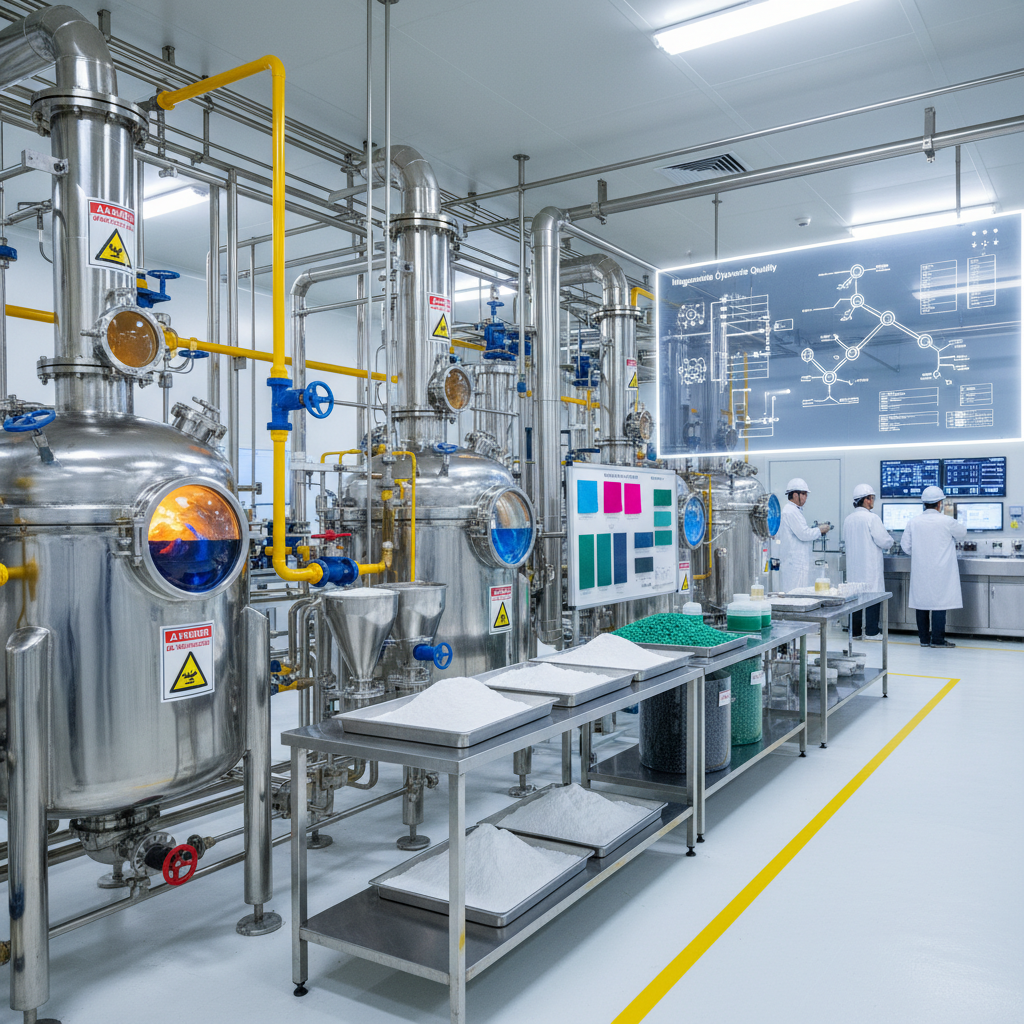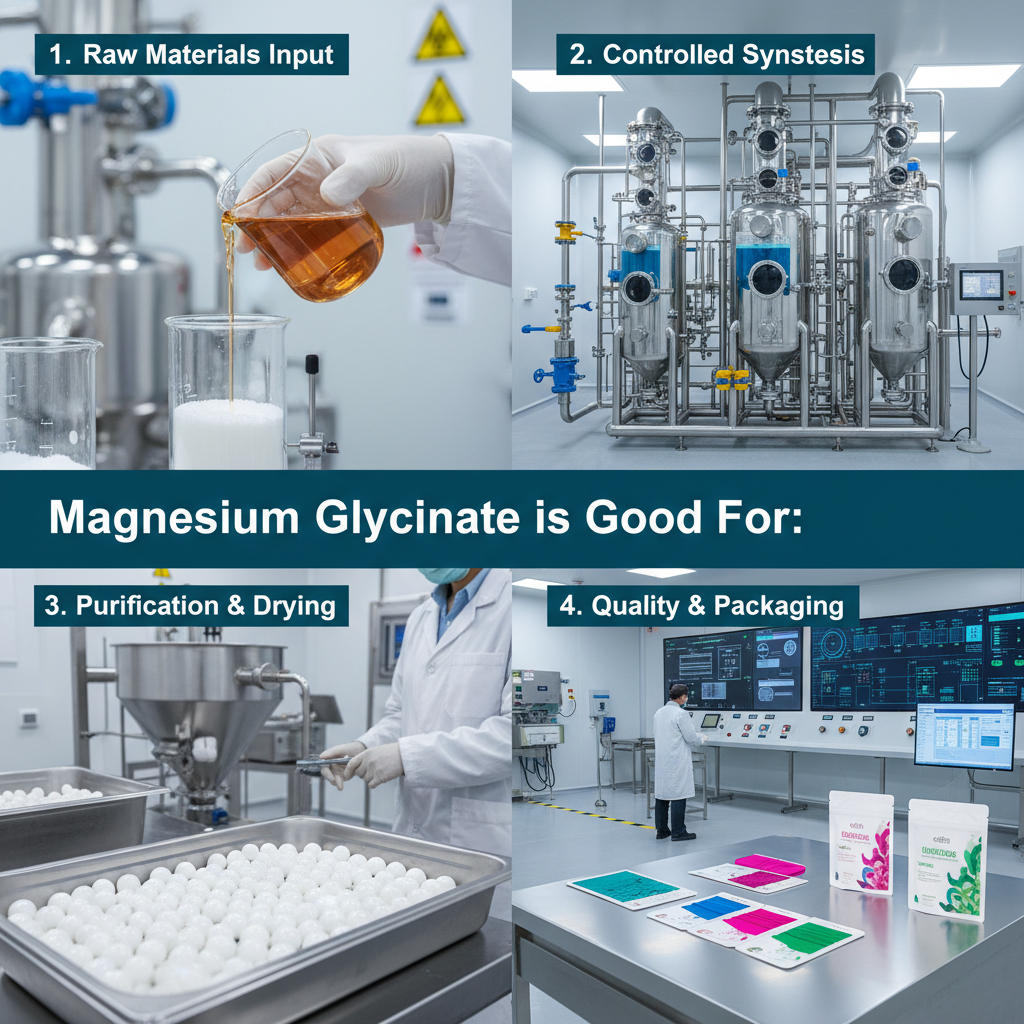
L-Carnitine is a vital compound in the realm of nutritional science, playing a critical role in energy metabolism. Derived from the amino acids lysine and methionine, this substance is essential for the transport of long-chain fatty acids into the mitochondria, where they are oxidized to produce energy. Learn more about L-Carnitine and its applications.
Product Introduction
Chemical Formula: C₇H₁₅NO₃
Chemical Name: (R)-3-Carboxy-2-hydroxy-N,N,N-trimethylpropanaminium hydroxide inner salt
Appearance: White or off-white crystalline powder
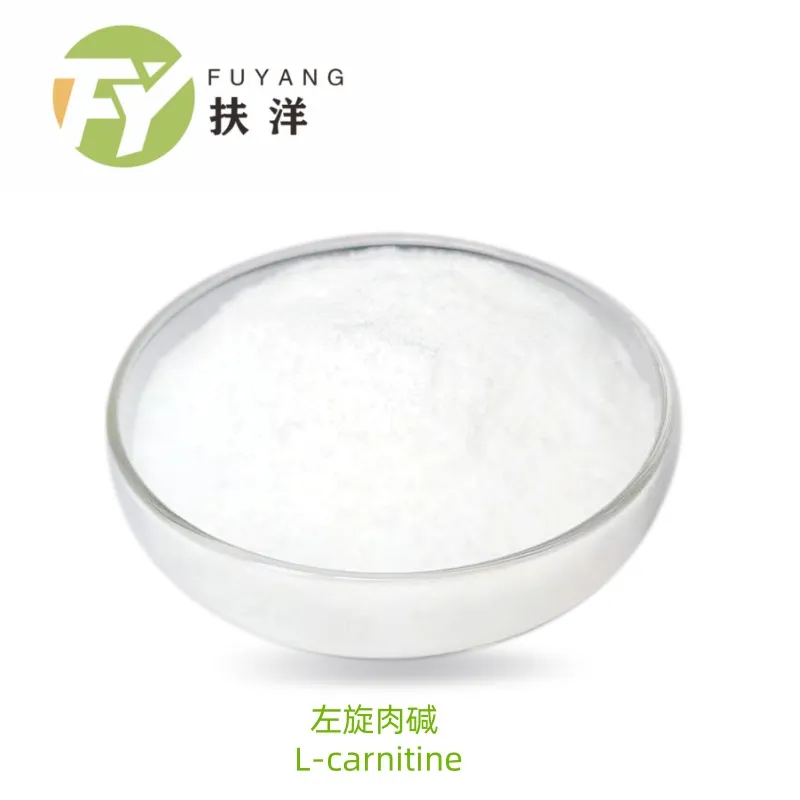
Produced through precision-controlled purification and refining processes, L-Carnitine is a nutritional enhancer with superior physiological activity. It functions as a carrier to transport long-chain fatty acids across cell membranes into mitochondria for oxidation and breakdown, thereby enhancing fat catabolism, reducing glycogen consumption, and increasing the oxidation rate of fats to meet the body's energy demands. This makes it a valuable supplement for both human and animal health.
Product Advantages
L-Carnitine offers a range of benefits, including:
- Optimal transporter for long-chain fatty acids across cell membranes into mitochondria, promoting lipid metabolic balance.
- Enhances β-oxidation and regulates the acyl-CoA/CoA ratio within mitochondria.
- Improves reproductive performance in male livestock and poultry.
- Alleviates stress, enhances stamina, and accelerates fatigue recovery.
- Boosts growth rate in aquatic animals and reduces feed conversion ratio (FCR).
Technical Specifications
| Specification | L-Carnitine Content | Specific Rotation [α]ᴅ²⁰ | pH | Loss on Drying | Residue on Ignition | Heavy Metals (Pb) | Total Arsenic (As) |
|---|---|---|---|---|---|---|---|
| 98% | 97.0~103.0% | -29~-32° | 6.5~8.5 | ≤4.0% | ≤0.5% | ≤10 ppm | ≤2 ppm |
| 50% | ≥50.0% | -14~-17° | 6.5~8.5 | ≤7.0% | ≤45% | ≤10 ppm | ≤2 ppm |
Note: Complies with GB 34461-2017 "National Standard for Feed Additive L-Carnitine".
Key Benefits and Applications
L-Carnitine is widely used in various industries, including animal feed, pharmaceuticals, and sports nutrition. Its ability to enhance fat metabolism makes it a popular choice for improving athletic performance and weight management. In the agricultural sector, it is used to boost the growth and reproductive efficiency of livestock and poultry. For aquatic animals, it helps in improving growth rates and reducing feed conversion ratios.
Recommended Dosage by Animal Species
| Animal Species | Swine | Poultry | Fish |
|---|---|---|---|
| Addition Level | 30-500 | 50-150 | 5-100 |
| (Unit: mg/kg feed) |
Company Background
Hebei Fuyang Biotechnology Co., LTD is a leading manufacturer of high-quality nutritional supplements and feed additives. With a commitment to precision and innovation, the company specializes in the production of L-Carnitine and other essential compounds. Their state-of-the-art facilities and rigorous quality control processes ensure that their products meet the highest standards of purity and efficacy.
Scientific Validation and Standards
The role of L-Carnitine in metabolic processes is well-documented in scientific literature. According to the National Institute of Standards and Technology (NIST), precise measurement and standardization are critical for ensuring the quality and effectiveness of such compounds. NIST's research on chemical properties and analytical methods provides a foundation for the development of reliable standards in the chemical and pharmaceutical industries.
References
NIST (National Institute of Standards and Technology)
https://www.nist.gov/
Conclusion
L-Carnitine is a versatile compound with significant applications in both human and animal health. Its ability to enhance fat metabolism and energy production makes it an essential component in various industries. With the support of rigorous scientific research and standards, companies like Hebei Fuyang Biotechnology Co., LTD continue to innovate and provide high-quality solutions. For more information on L-Carnitine and its applications, visit L-Carnitine page.