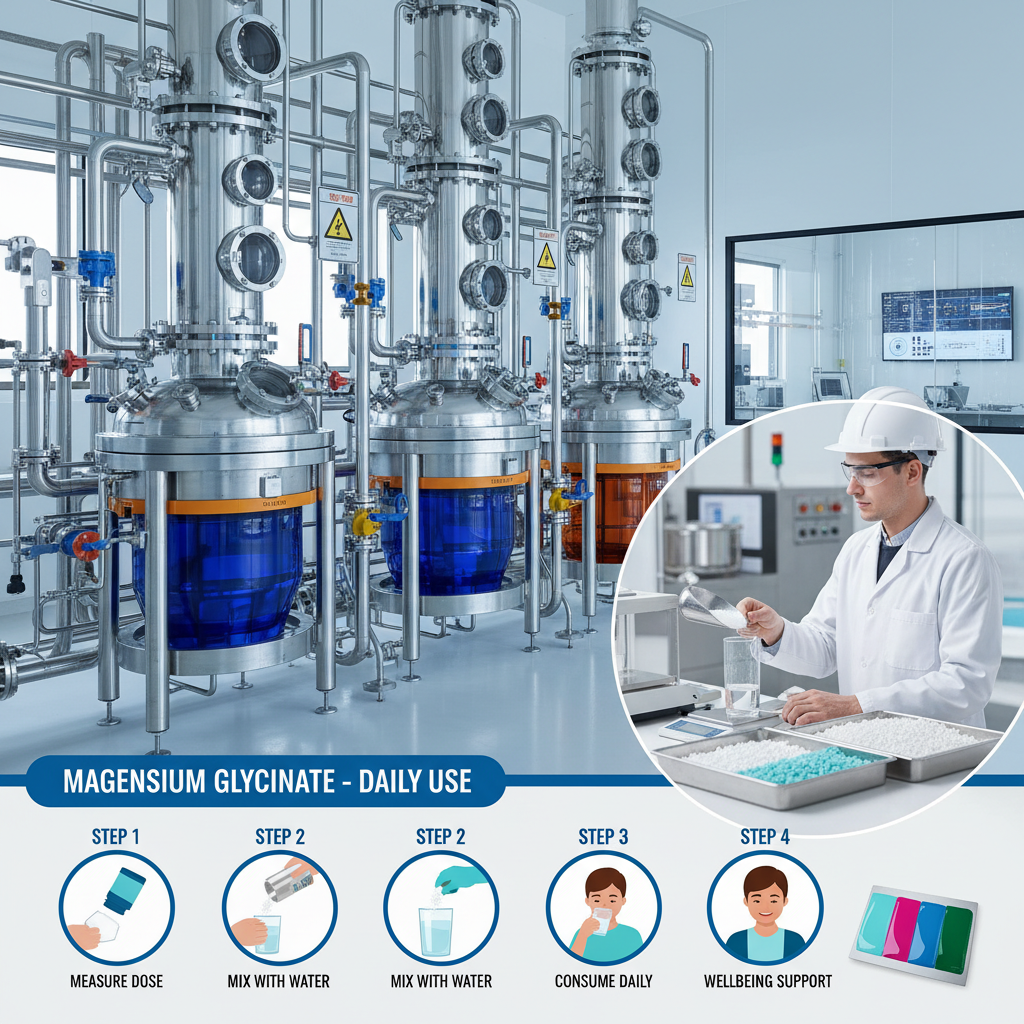
Exploring L-Carnitine Use for Industry and Health Needs
When I first encountered L-carnitine use for supplement manufacturing, it felt like unraveling a neat little mystery tucked within amino acids and metabolic pathways. It’s odd how a compound mostly known in medical and sports nutrition arenas finds interesting niches in industrial applications too.
Frankly, L-carnitine’s key role in shuttling fatty acids into mitochondria to produce energy is well documented. But in real terms, manufacturers and formulators appreciate its stability, solubility, and compatibility with other food-grade ingredients — that’s what makes it a favorite for high-quality supplement lines and even some veterinary nutrition products.
The product specs vary depending on the form — L-carnitine L-tartrate, acetyl L-carnitine, or the base L-carnitine fumarate — and each has distinct absorption rates and bioavailability. From my time on the floor discussing batch consistency with quality engineers, I noticed handling and moisture sensitivity often dictate packaging and shipping conditions. Nothing fancy but definitely a factor when you’re managing multiple SKUs and logistics.
| Specification | Typical Value | Notes |
|---|---|---|
| Purity | ≥ 98% | HPLC Tested |
| Physical Form | Powder / Crystals | White, Odorless |
| Moisture Content | ≤ 5% | Critical for Storage |
| Solubility | Highly Soluble in Water | Ideal for Beverages |
| pH (1% Aqueous Solution) | 4.0 - 5.5 | Influences Formulation |
Now, you might be wondering how this translates outside of lab specs and fancy nutrition brochures. A quick story: a client from Eastern Europe was working on a new energy supplement targeting endurance athletes. After trying various L-carnitine suppliers, the one from a certain vendor yielded better taste profiles and solubility in their ready-to-drink formula. They said it “felt like night and day” compared to alternatives they'd tested. In a way, these details matter because supplements are competitive and if a product feels off — even slightly — customers notice.
Choosing the Right L-Carnitine Vendor: What Really Counts?
Here’s where it gets interesting. Vendor selection isn’t just about price, although that’s always a headline factor. Many engineers and formulators echo that consistency, delivery timelines, quality certificates, and responsiveness often tip the scales more than a few cents saved per kilogram.
| Vendor | Purity | Price (per kg) | Delivery Time | Certifications |
|---|---|---|---|---|
| HBFuyang Bio | ≥ 98% | $35 | 7-10 Days | GMP, ISO9001 |
| Supplier B | 95% | $30 | 14 Days | ISO9001 |
| Supplier C | 97% | $37 | 5-7 Days | GMP |
One last nugget — in many industrial scenarios, product customization can be a real edge. Adjusting particle size, tweaking moisture levels, or offering mixed formulations on demand isn’t something all suppliers handle well. HBFuyang Bio, for instance, prides itself on flexible MOQ and custom packing which, if you ask me, can save headaches down the line.
So yeah, L-carnitine is more than just a trendy supplement ingredient. It’s one of those reliable workhorses that quietly powers both biochemical reactions and the businesses behind your favorite sports nutrition products. I suppose the takeaway is that quality and close supplier relationships matter just as much as the molecule itself — the whole package counts.
References and notes:
- Personal experience liaising with supplement manufacturers and quality engineers over 7 years.
- HBFuyang Bio product specs & certifications from official site and industry brochures.
- Common industry knowledge on amino acid metabolism and supplement formulation challenges.