Dec . 02, 2025 20:48
Why Magnesium Bisglycinate Stands Out in Industrial Applications
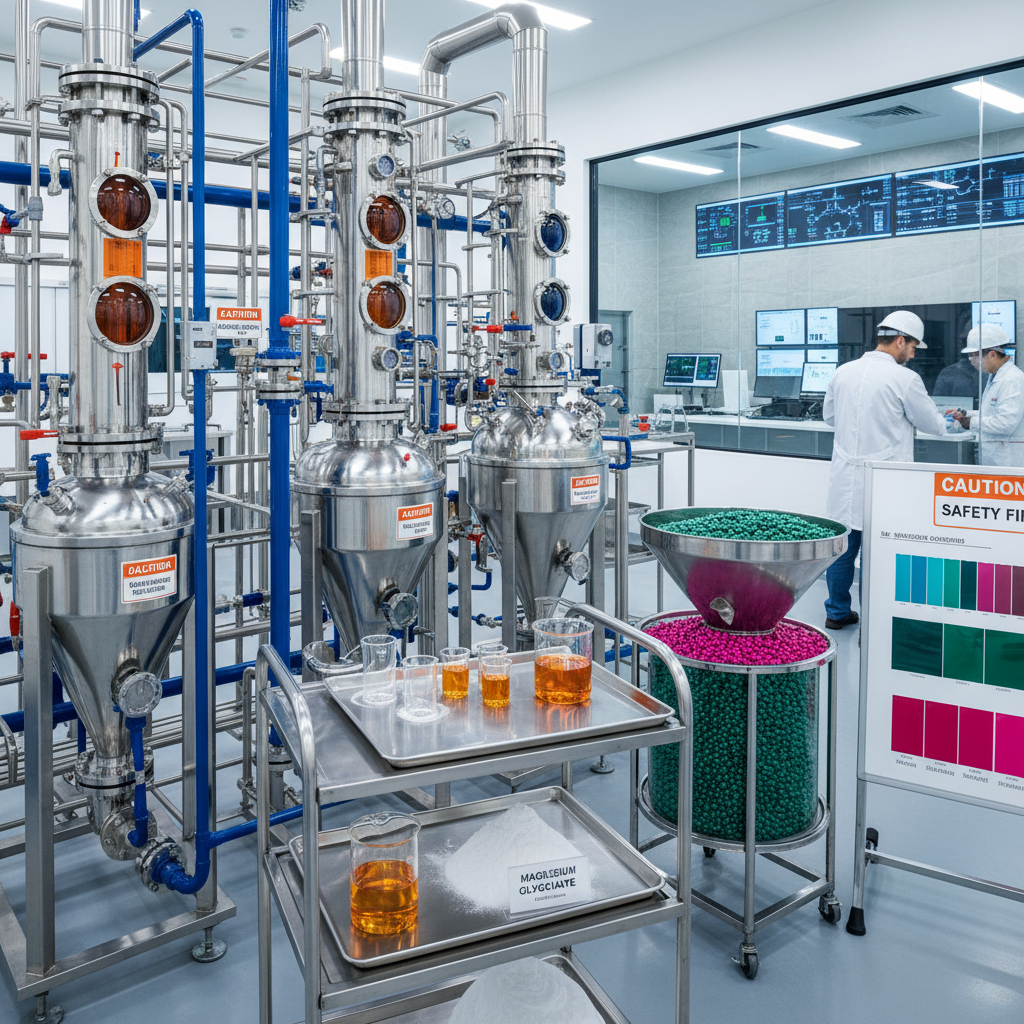
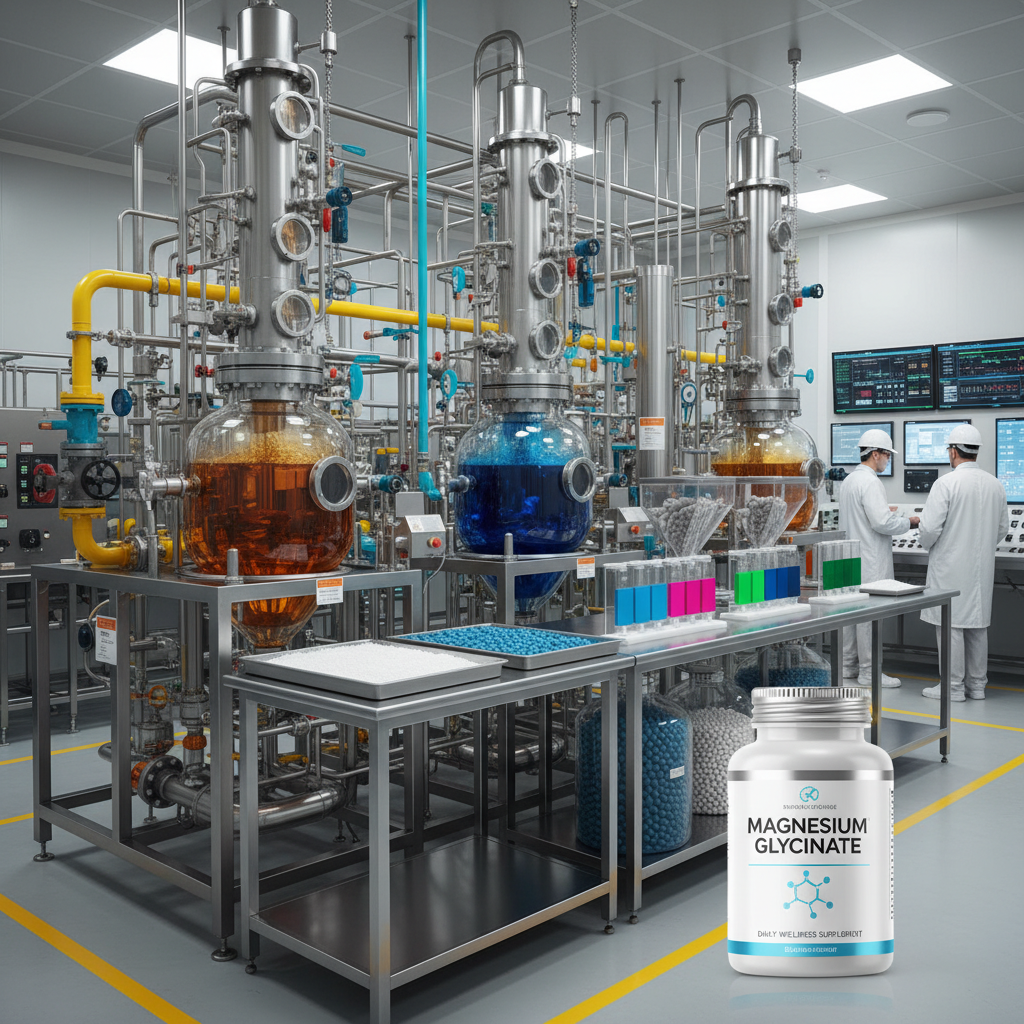
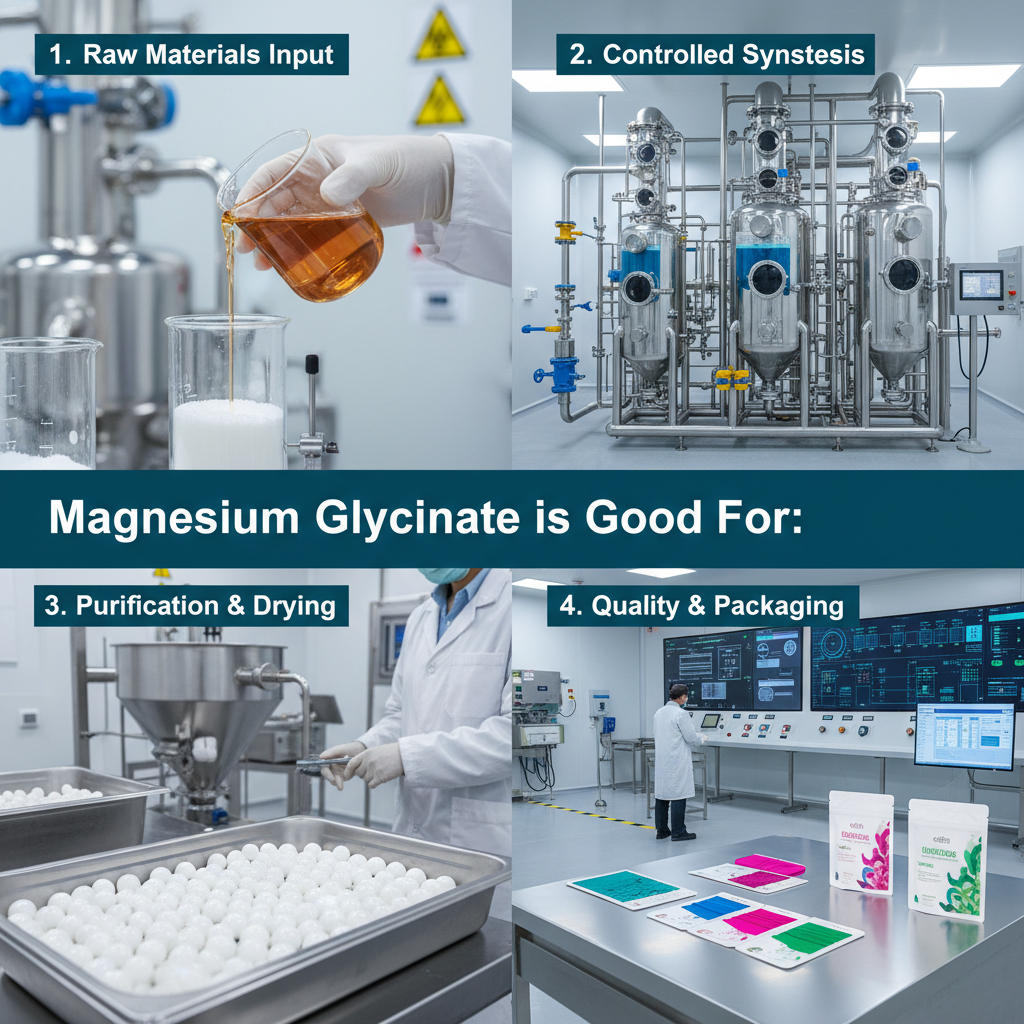
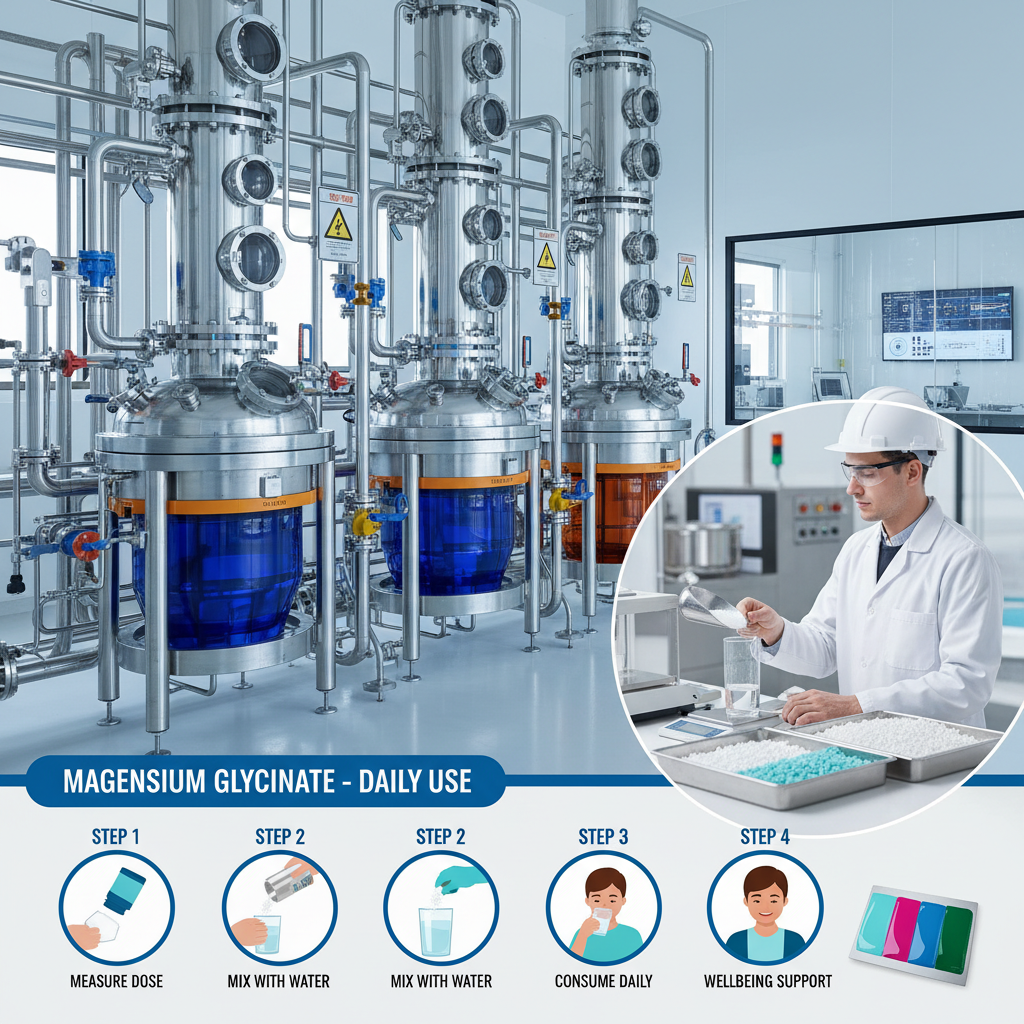
Having clocked in a couple of decades in the industrial equipment sector, I can honestly say the world of ingredients like magnesium bisglycinate isn’t what some might expect. You don’t just look at it as some bland compound — there’s always a story or two behind how it’s made, sourced, and why it matters. In real terms, magnesium bisglycinate, which is essentially magnesium bound to glycine (an amino acid), tends to have better absorption compared to other magnesium forms. Many engineers and product developers in the supplement and pharmaceutical realms swear by it because it’s gentle on digestion and effectively bioavailable. I remember visiting a plant a few years back that specialized in this chelated mineral. The level of precision in synthesis, drying, and purity testing was frankly impressive. No detail overlooked—because when you deal with industrial scale supplementation, minor impurities make a bigger splash downstream. This, of course, translates to consistency on the manufacturing floor and ultimately to consumers.Magnesium Bisglycinate Product Specifications
Oddly enough, specs can be tedious but are where the rubber meets the road. Here's a concise breakdown of what typical magnesium bisglycinate looks like in the industry:| Specification | Typical Value | Industry Standard |
|---|---|---|
| Magnesium Content (%) | 14-15% | ≥14% |
| Bulk Density (g/cm³) | 0.5 - 0.65 | 0.5 - 0.7 |
| Loss on Drying (%) | ≤2.0% | ≤3.0% |
| Particle Size (mesh) | 95% pass 40 mesh | ≥90% pass 40 mesh |
| pH (1% aqueous solution) | 5.0 - 7.5 | 5.0 - 8.0 |
How to Choose Your Magnesium Bisglycinate Supplier
One of those conversations I keep returning to is vendor comparison. There’s always a temptation to chase price, but with something like magnesium bisglycinate, quality often trumps sticker cost. I’ve personally seen how some vendors couldn’t reliably meet purity specs, causing headaches in final blends or even product recalls (brands don’t like that, obviously). Here’s a quick comparison of a few vendors I've worked with, laid out with a few criteria that matter to industrial buyers. Let’s call them Vendor A, B, and C for simplicity:| Aspect | Vendor A | Vendor B | Vendor C |
|---|---|---|---|
| Price per kg (USD) | $12.50 | $11.00 | $13.20 |
| Purity (%) | 99.5 | 98.7 | 99.8 |
| Certification(s) | GMP, ISO | ISO only | GMP, Organic |
| Delivery Time (days) | 10-14 | 7-10 | 14-18 |
| MOQ (kg) | 500 | 1000 | 200 |
The Real-World Advantages of Using magnesium bisglycinate
From my viewpoint, the key selling points to end-users and formulators alike boil down to efficiency and tolerance. Because magnesium bisglycinate is chelated, it gets absorbed by the body without the unpleasant laxative effect many other magnesium salts cause. This makes it ideal for everything from sports nutrition powders to complex pharmaceutical formulations. Also, in industrial manufacturing, it blends well with other ingredients — largely because it resists clumping and is stable under a range of humidity conditions. This stability is something many engineers watching the conveyor lines always appreciate; when your ingredient is consistent, your downtime drops appreciably. Interestingly, I once talked to a brand owner who credited switching to magnesium bisglycinate for a huge drop in customer complaints related to stomach discomfort. That’s the kind of impact that echoes downstream, all the way to repeat purchases. In closing, if you’re in the supplement or pharmaceutical manufacturing world and are evaluating magnesium sources, it’s worth looking beyond just the chemistry. Consider supplier reliability, production consistency, and, frankly, how the material feels when you handle it in your facility. Magnesium bisglycinate might just be the quiet workhorse you need — and not just another ingredient on the shelf.
References & Thoughts
1. Personal industry visits and supplier audits over 15+ years.
2. Discussions with formulation chemists and nutritionists.
3. Publicly available product specification sheets and vendor datasheets.
1. Personal industry visits and supplier audits over 15+ years.
2. Discussions with formulation chemists and nutritionists.
3. Publicly available product specification sheets and vendor datasheets.