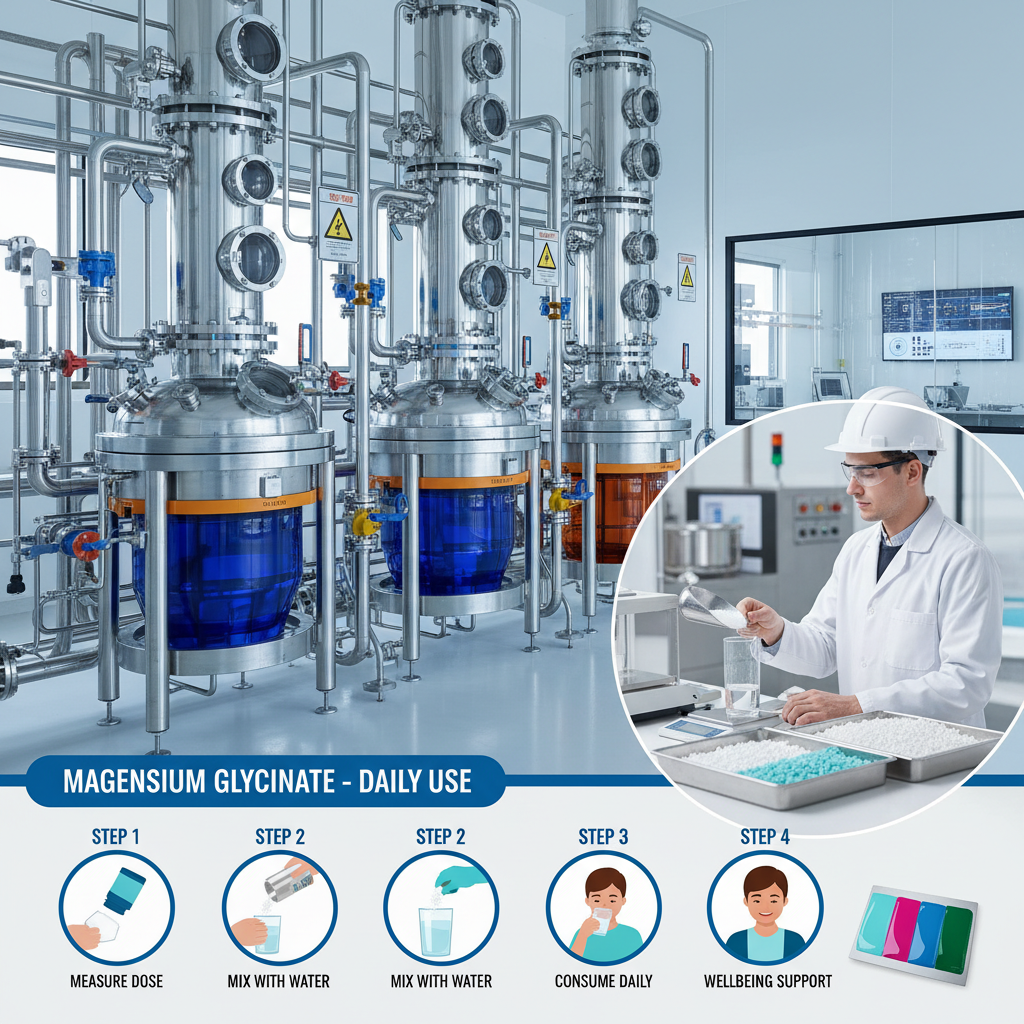
Why Magnesium Bisglycinate Complex Remains a Popular Choice
Having worked in industrial supplements and nutritional additives for over a decade, I can tell you this: magnesium bisglycinate complex isn’t just another chemical name tossed around in labs. It feels like the quiet MVP of mineral supplements—widely respected because it actually delivers benefits with fewer tummy troubles that you see with other magnesium forms.
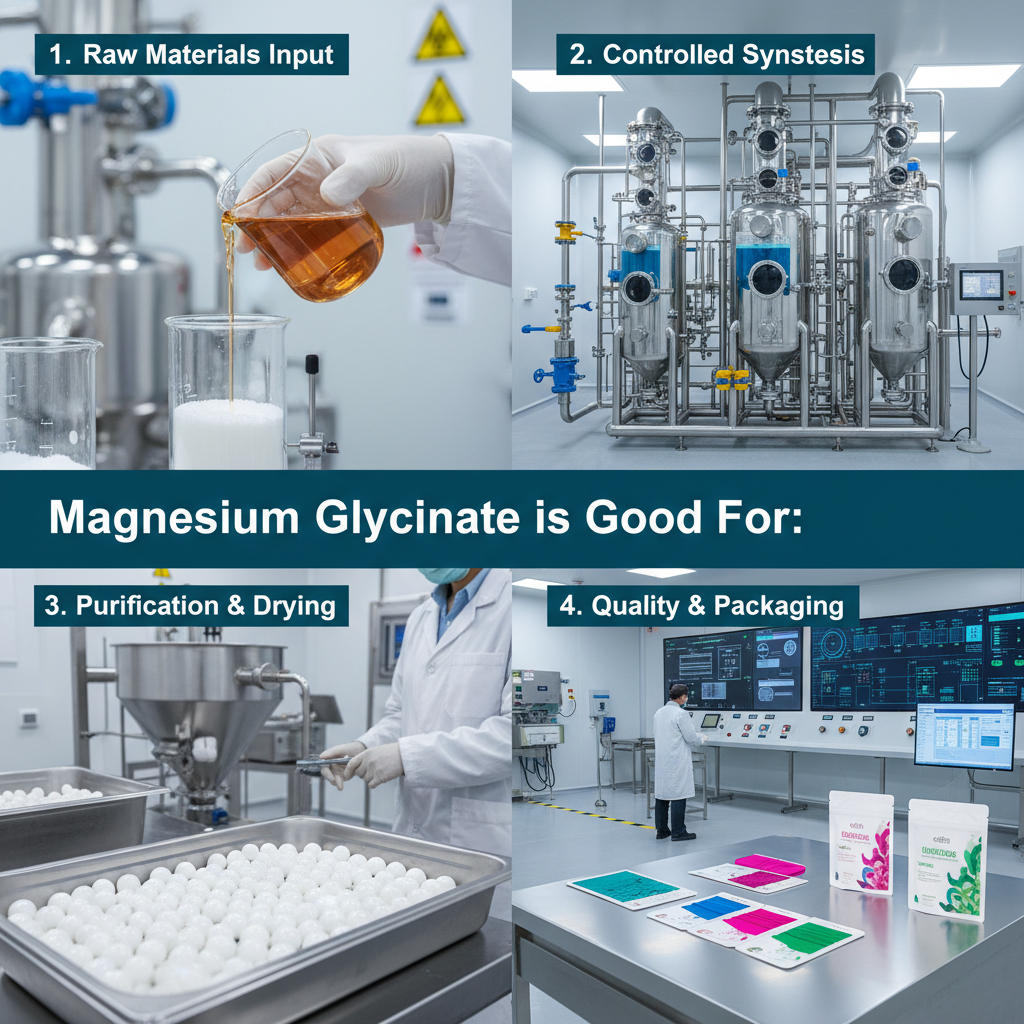
From an engineering perspective, marketing a mineral compound that’s both stable and bioavailable ain’t trivial. Manufacturers and formulators have to wrestle with retention, dissolution, and efficient chelation processes—all to ensure that the magnesium doesn’t just vanish before it gets absorbed in the body or industrial application.
Frankly, the bisglycinate form is a smart design choice. It links magnesium ion to two glycine molecules, which acts like an escort, helping it pass through the gut lining smoothly. And in my experience, this chemical ‘handshake’ also prevents that chalky aftertaste and reduces common side effects like cramps or diarrhea mostly seen with magnesium oxide or citrate.
Breaking Down the Product Specifications
For those of you still glued to specs sheets — and I totally get that — here’s roughly how the product stacks up when you look under the hood. The specs below coincide with batch formulas I’ve encountered during factory visits and product demos:
| Specification | Typical Value / Range | Notes |
|---|---|---|
| Magnesium Content (as Mg) | 14-16% | High elemental magnesium for potency |
| Chelation Ratio | 1:2 (Mg:Glycine) | Ensures optimal absorption |
| Appearance | White to off-white powder | Suitable for capsule, tablet, or powder filling |
| Solubility | Moderate in water | Perfect balance for controlled release |
| Assay Purity | ≥ 98% | Consistent quality control important for industrial use |
How Does it Stack Up? Vendor Comparisons and Real-World Use
Over the years, I’ve noticed the marketplace getting flooded with different suppliers — each promising near-magical absorption rates or purity levels. But in real terms, it comes down to sourcing, batch consistency, and standards compliance.
| Vendor | Purity (%) | Bulk Availability | Price per kg (USD) | Certification |
|---|---|---|---|---|
| HBFuyang Bio | ≥ 98% | Available | $20 - $25 | ISO, GMP |
| GlobalChems | 95-97% | Limited | $15 - $22 | ISO |
| NutraMag Solutions | ≥ 99% | Available | $28 - $33 | GMP |
One interesting case I recall was a midsize supplement manufacturer puzzled by product inconsistencies. After switching to magnesium bisglycinate complex from HBFuyang, their batch-to-batch variance dropped notably. This led to fewer customer complaints about stomach upset and improved shelf-life — small wins that often translate to big differences in reputation over time.
To sum it up, choosing the right magnesium bisglycinate complex supplier isn’t just about price or purity numbers alone. It’s about that delicate balance of consistent quality, predictable performance, and a vendor who understands the quirks of industrial-scale handling.
Obviously, the whole field keeps evolving. But right now, for anyone sourcing a magnesium supplement that’s kind to the tummy and human cells alike, this complex form really ticks a lot of boxes.
References and a few quick notes:
1. Internal product audits and experience with mineral chelates, 2020-2023
2. Discussions with formulation engineers and sourcing managers, 2022
3. Technical datasheets from leading industrial supplement suppliers