Magnesium Glycinate Bisglycinate: A Practical Look from Industry Insiders
After spending over a decade in the industrial equipment and raw materials sector, I’ve come across plenty of specialized compounds — some buzzworthy, others quietly reliable. Magnesium glycinate bisglycinate falls into that second category. It might not grab headlines like some flashy new nanomaterial, but it’s definitely a workhorse ingredient in supplements and nutritional products. Oddly enough, the way it’s manufactured and evaluated feels almost like precision engineering, which appeals to my industrial background.
So, what exactly makes magnesium glycinate bisglycinate stand out? Well, for starters, it’s a chelated form of magnesium — essentially, the magnesium ion is bound tightly to glycine molecules (an amino acid), which enhances bioavailability. In real terms, this typically means better absorption, fewer stomach issues, and a gentler impact compared to traditional magnesium salts like oxide or sulfate. Many in the industry say it’s the “gold standard” for magnesium supplements, especially when you want efficacy without gastric discomfort. I suppose that’s why this compound has seen steady demand growth over recent years.
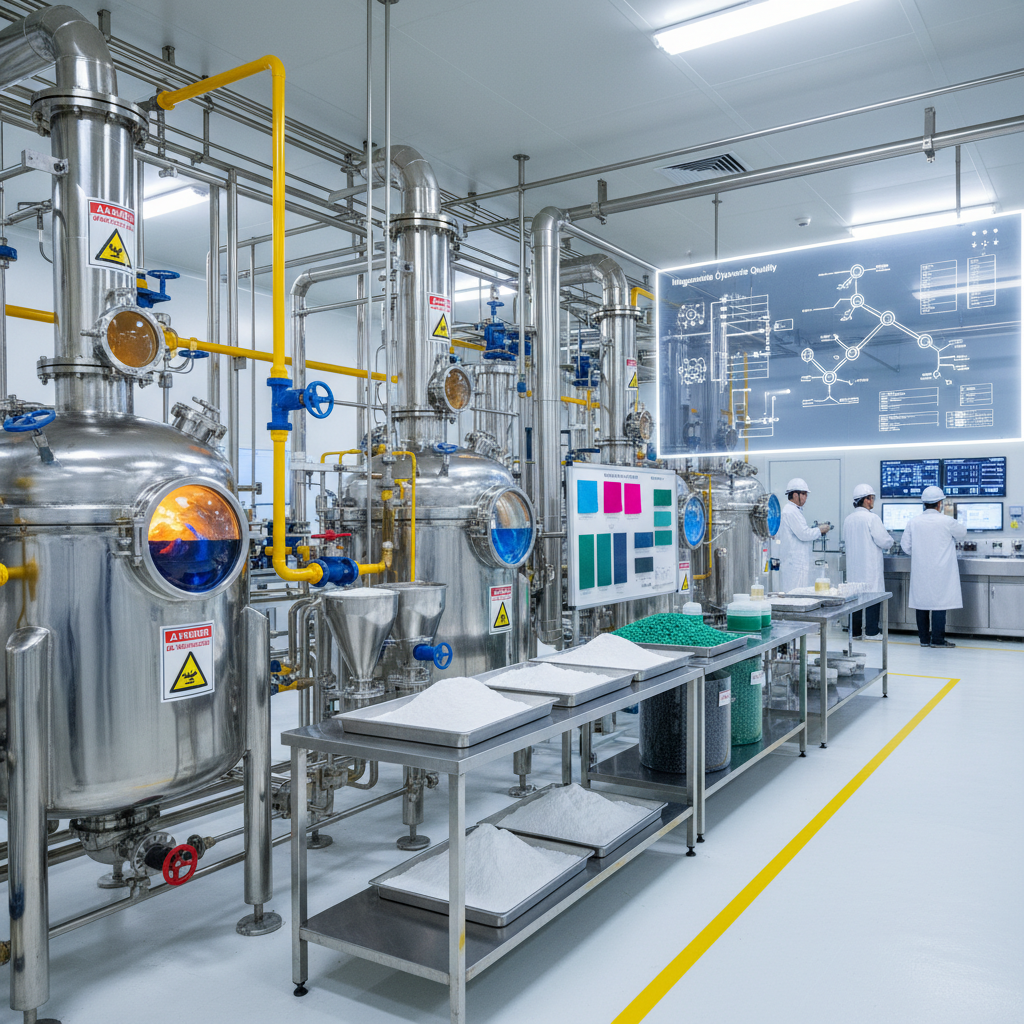
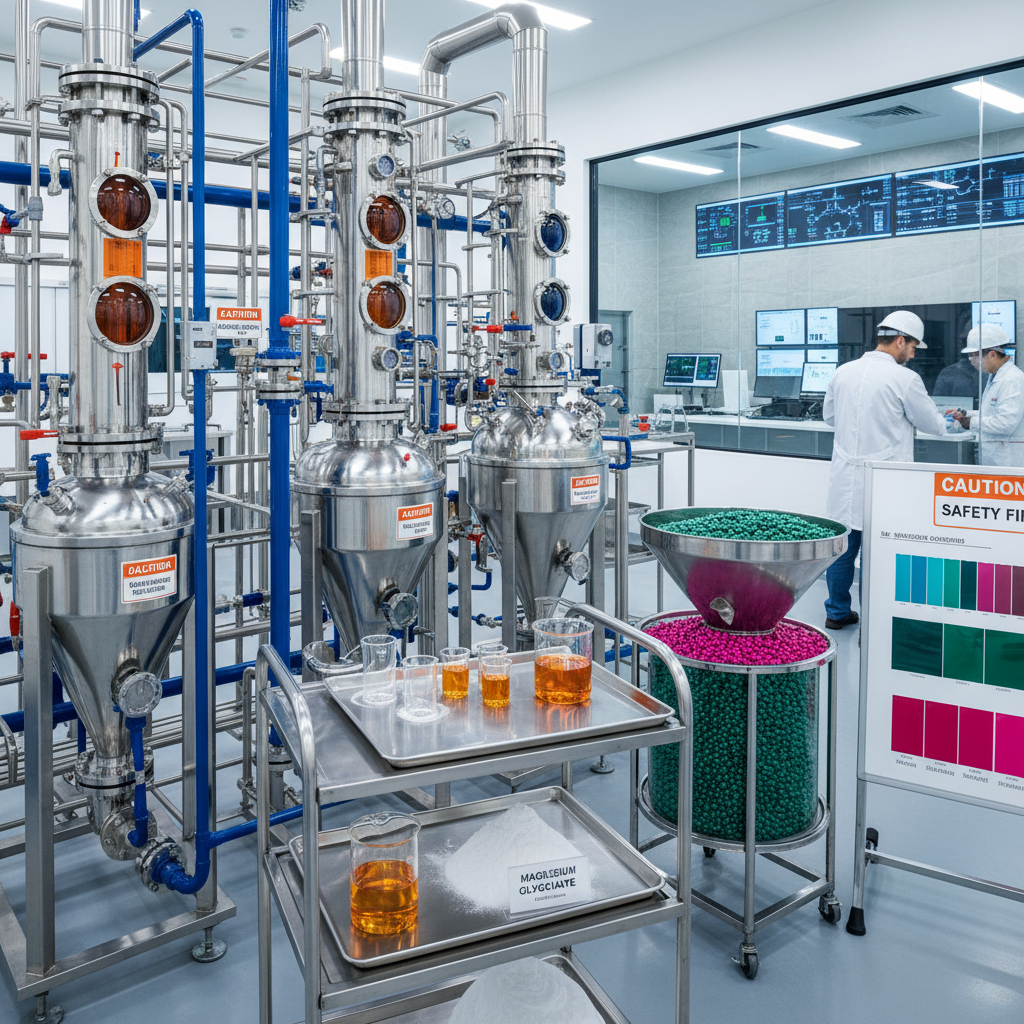
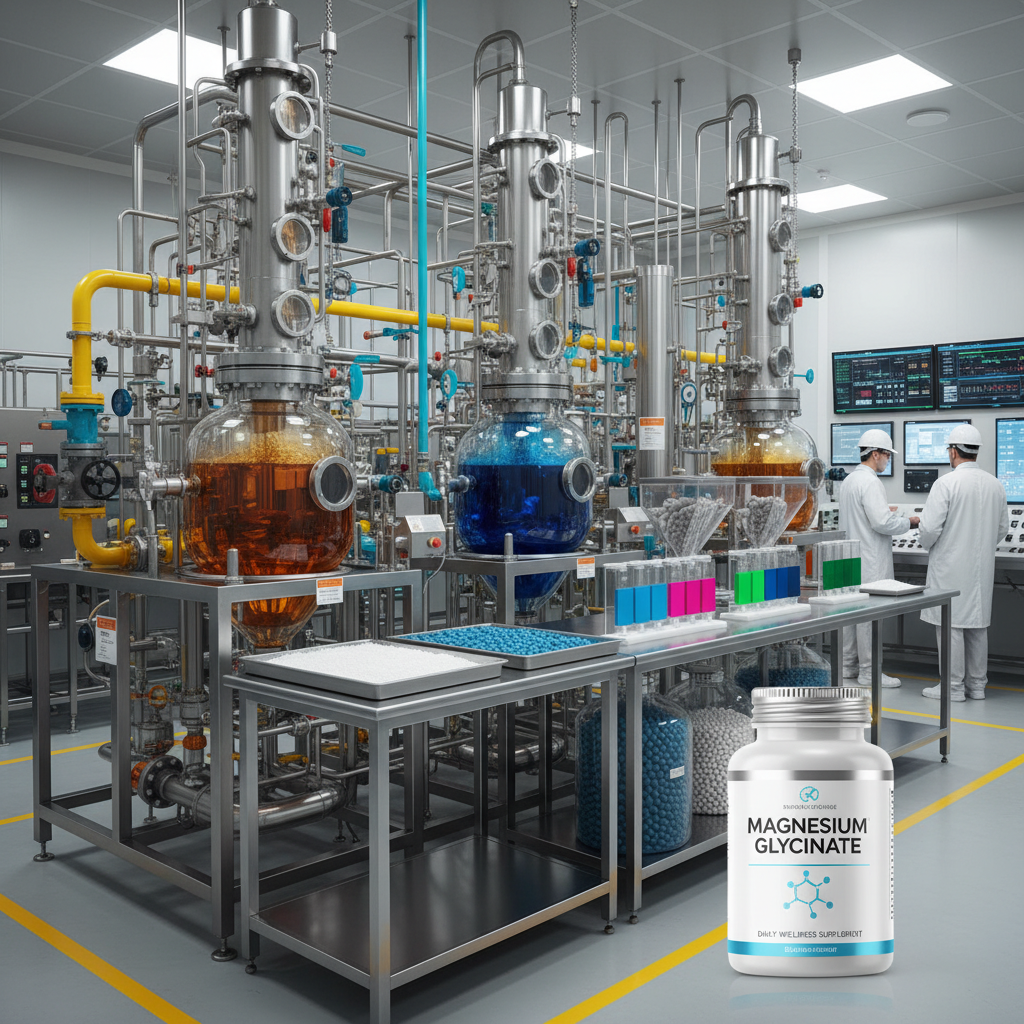
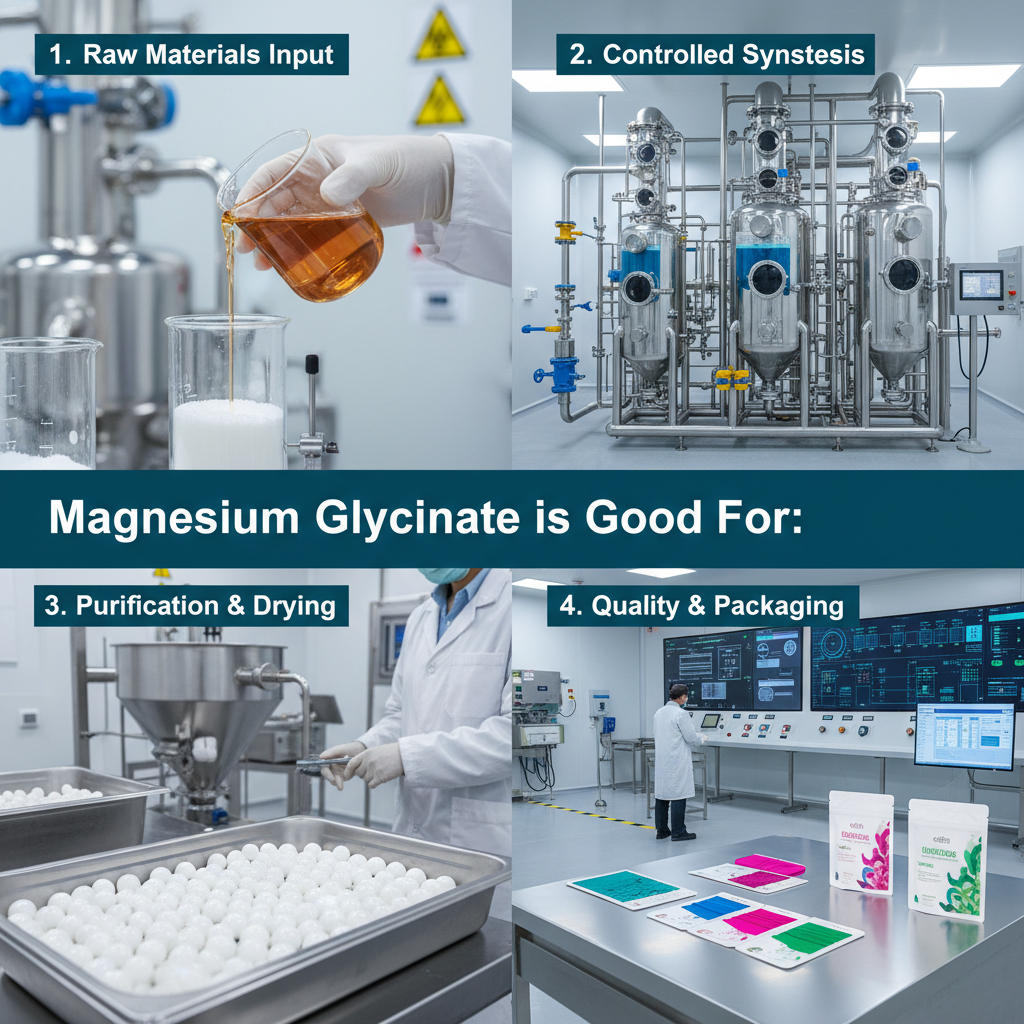
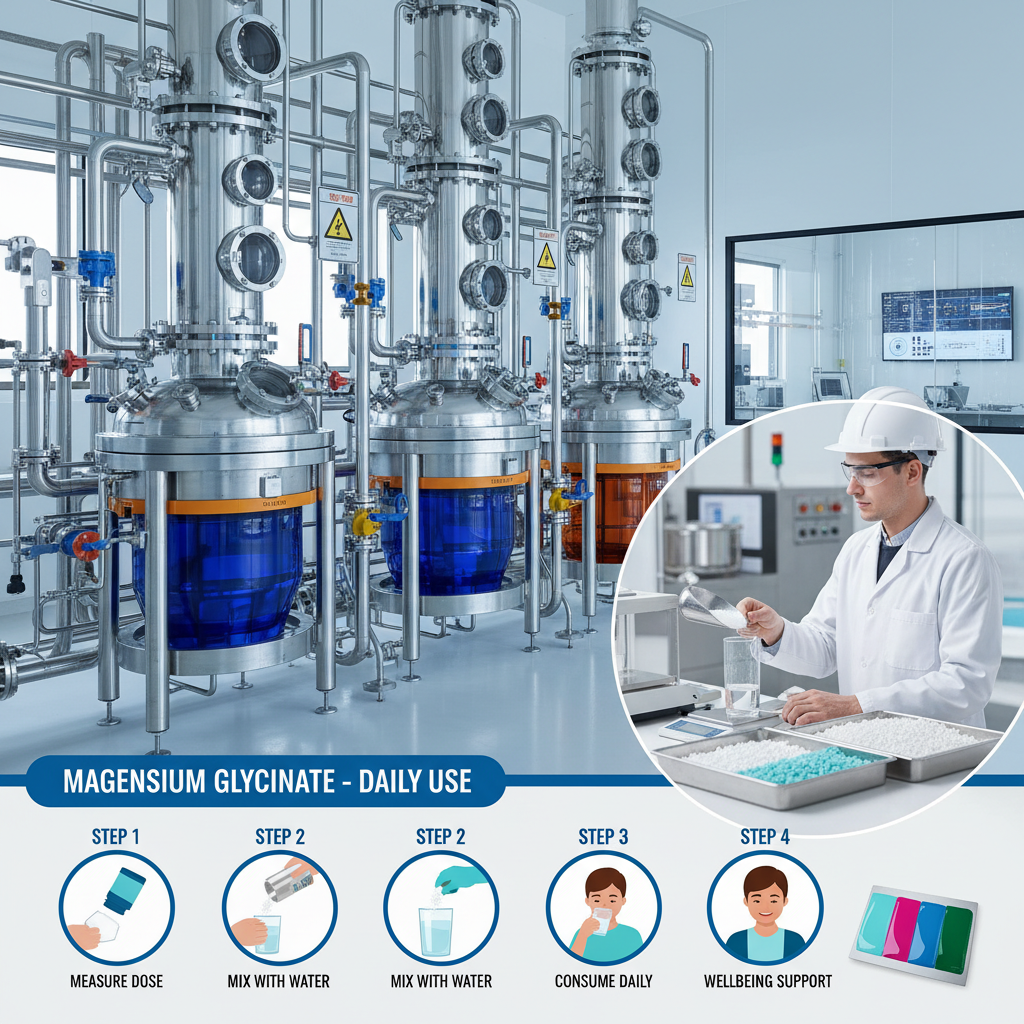
The production process itself is pretty fascinating if you like geeking out over quality control. Manufacturers usually synthesize the bisglycinate chelate under controlled pH and temperature settings to optimize crystal structure and purity. You’d be surprised how minor fluctuations in these parameters can impact the final product’s consistency. From what I’ve gathered during plant visits, most top-tier producers subject their batches to stringent assays — checking magnesium content, amino acid ratios, and heavy metal contamination. Quality here isn’t just marketing fluff; it’s central to earning trust from formulators and end-users alike.
Here’s a quick rundown of typical product specs we often see in this category:
| Specification | Typical Value |
|---|---|
| Magnesium Content (Mg %) | 14.1% - 14.4% |
| Chelation Ratio (Mg:Glycine) | 1:2 (Bisglycinate) |
| Heavy Metals (Pb, Cd, Hg) | Below detectable limits |
| Appearance | White crystalline powder |
| Solubility | Slightly soluble in water |
But not all magnesium glycinate bisglycinate is created equal. Choosing a vendor, frankly, can feel like navigating a maze, especially with so many suppliers popping up. From a longtime sourcing perspective, a few key factors matter: consistent purity, supply chain transparency, and—increasingly—sustainability credentials.
To help, here’s a quick comparison of some well-known vendors active in Asia and Europe, based on specs, certifications, and price tier:
| Vendor | Purity (%) | Certifications | Price Tier | Remarks |
|---|---|---|---|---|
| Fuyang Bio | >99% | ISO, HACCP, GMP | Mid | Reliable supply & quality |
| Eurolabs | 98.5% | GMP, Organic certified | High | Premium, more costly |
| ASIA Chemicals | 97% | ISO, SGS tested | Low | Good for budget projects |
One thing I noticed—vendors with strong QC programs tend to build long-term relationships. There was this one client we worked with who tried various suppliers over six months for their supplement line. When they finally went with magnesium glycinate bisglycinate from Fuyang Bio, product complaints dropped significantly. It felt like the chelated form’s consistent quality really translated to better end-user results. A small win, but meaningful in an industry where reputation counts.
From an equipment standpoint, handling this compound isn’t too tricky—standard powder mixers and encapsulation lines suffice. Still, we always recommend attention to moisture control and dust mitigation; the powder can be a bit clingy, oddly enough. It’s not just about the product but how you integrate it seamlessly into your manufacturing chain.
To wrap up, magnesium glycinate bisglycinate is kind of a “quiet achiever” in the nutritional ingredient world. It's nothing flashy, but if you're in the game for high bioavailability magnesium, it’s a staple worth your time. Plus, it feels good to know the chemistry behind it matches the practical benefits you hear about.
As always, sourcing quality materials is a journey. I encourage anyone interested to dig into specifications, certifications, and—if possible—visit manufacturing partners. Because, frankly, seeing the process firsthand beats any brochure hype.
Thanks for reading this far. If you want to learn more, feel free to reach out. There’s something satisfying about sharing real-world insights beyond the usual product blurb…
— From someone who's seen a few thousand batches and still marvels at the little detailsReferences & Further Reading
- NCBI: Magnesium Bioavailability & Chelation
- Fuyang Bio Official Site
- Industry visits & personal conversations with quality managers, 2015-2023