Is Magnesium Glycinate Good for Sleep? Here’s What an Industry Vet Thinks
Having spent years working around industrial supplements and understanding raw material sourcing, I’ve seen a few “miracle ingredients” come and go. But magnesium glycinate—now that’s something that keeps popping up, especially in the sleep and relaxation world.
What strikes me first is how magnesium glycinate uniquely pairs elemental magnesium with glycine, an amino acid. Many supplements use magnesium oxide or citrate, but the glycinate form tends to be more bioavailable. This means more magnesium actually makes it into your system, which is crucial because poor absorption is a headache in the mineral supplement industry, frankly.
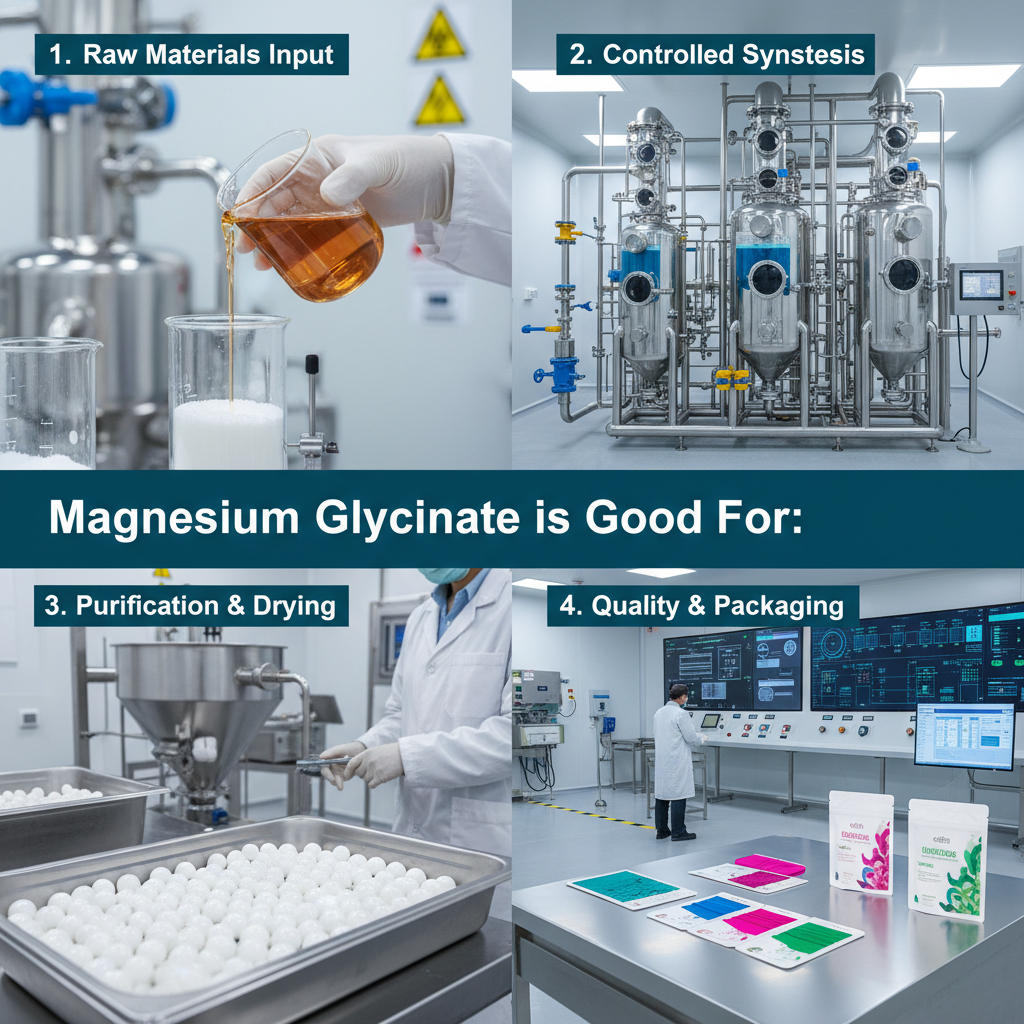
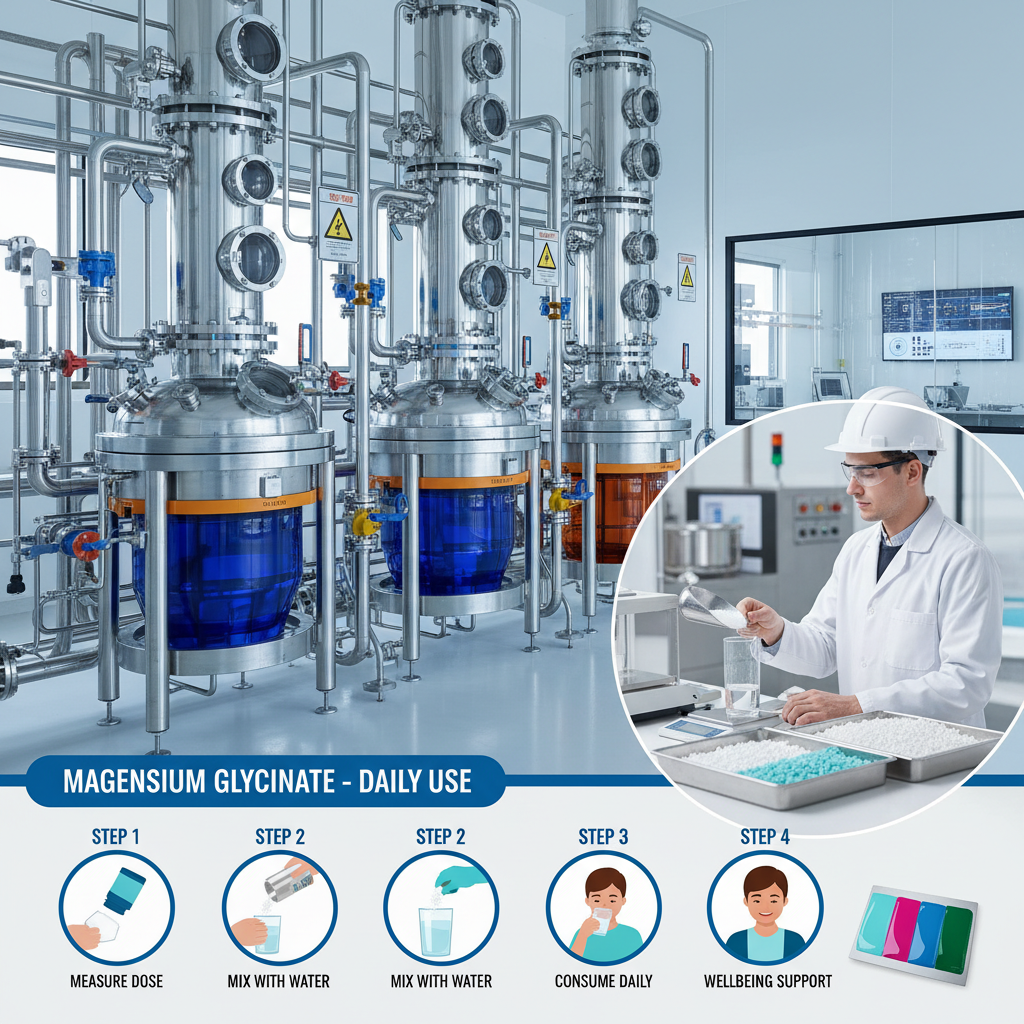
From a production standpoint, you need a precise crystallization process to get that magnesium bound properly to glycine without impurities. There’s a lot of talk about “chelation,” and that’s the technical term for this bond which protects magnesium until it reaches your intestines. Oddly enough, the right process improves both efficacy and tolerability—less stomach upset, more peaceful nights.
| Specification | Details |
|---|---|
| Chemical Formula | C4H8MgN2O4 |
| Magnesium Content | 14.1% elemental magnesium |
| Purity | ≥98% |
| Appearance | White crystalline powder |
| Solubility | Soluble in water |
On the “good for sleep” claim: magnesium plays a role in regulating neurotransmitters that calm the nervous system. Glycine itself is a calming amino acid too—so put them together, and it sort of makes perfect sense. I had a client switch to magnesium glycinate after struggling with poor sleep on other forms—he swore it made a noticeable difference, less tossing and turning. No guarantee, of course, because each body reacts differently, but in real terms, it’s one of the more reliable supplement forms for sleep support.
Now, when it comes to sourcing and comparing vendors, quality control is key. Magnesium glycinate looks simple on paper, but small variations in molar ratios or drying processes can change how it behaves in supplements. Here’s a quick snapshot I pulled together comparing three common suppliers I’ve had contact with:
| Vendor | Purity (%) | Compliance Certifications | Typical MOQ | Lead Time |
|---|---|---|---|---|
| HBFuyang Bio | ≥98% | GMP, ISO | 500 kg | 15-20 days |
| Acme Minerals | 95-97% | ISO | 1000 kg | 20-25 days |
| Zenith Ingredients | ≥99% | GMP, HACCP | 250 kg | 10-15 days |
One thing I always try to remind folks is this: no matter how good the material, effective sleep support comes down to consistent usage and a healthy lifestyle. Magnesium glycinate is just one part of a bigger picture. But honestly, for those who struggle due to magnesium deficiency or sensitivity to other forms, it really can be a game changer.
In closing, if you’re curious about trying magnesium glycinate, do your homework. Check supplier quality, purity specs, and certifications. And frankly, listen to your body—sometimes, that’s the best test of all.
Hope this helps! Sleep well out there.
- John, Industrial Supplements Consultant, 15 years experience
Quick References:
- National Institutes of Health Office of Dietary Supplements. Magnesium Fact Sheet.
- Miller, A.L. (2017). “The Effect of Magnesium Supplementation on Primary Insomnia in Elderly: A Double-Blind Placebo-Controlled Clinical Trial,” Journal of Research in Medical Sciences.
- HBFuyang Bio Product Quality Specifications and Certificates.