Magnesium Glycinate Life: An Insider’s Look from Industrial Experience
If you’d told me a decade ago that I’d end up writing about magnesium glycinate in an industrial equipment context, I probably would’ve raised an eyebrow. Yet here we are—this compound, quietly reliable, bridges the gap between chemistry, manufacturing, and life-enhancing applications in ways many overlook.
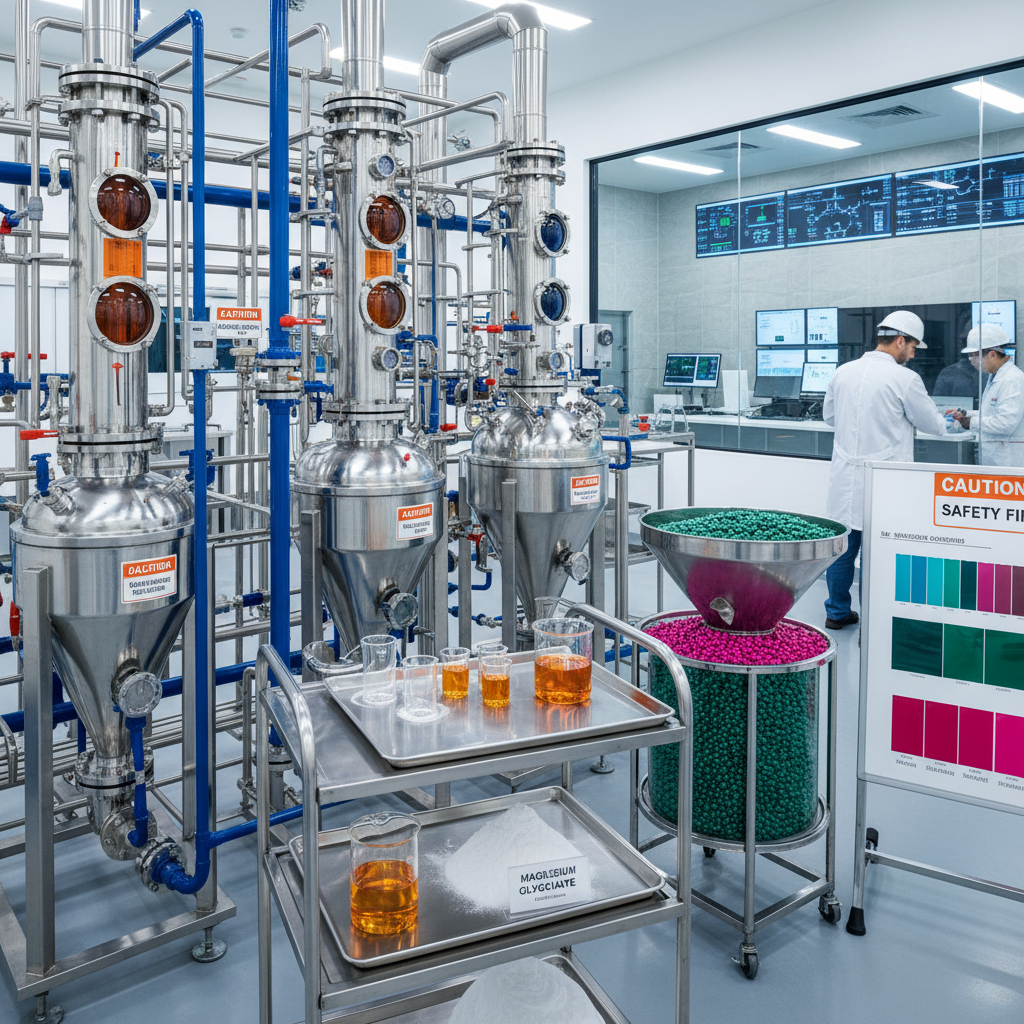
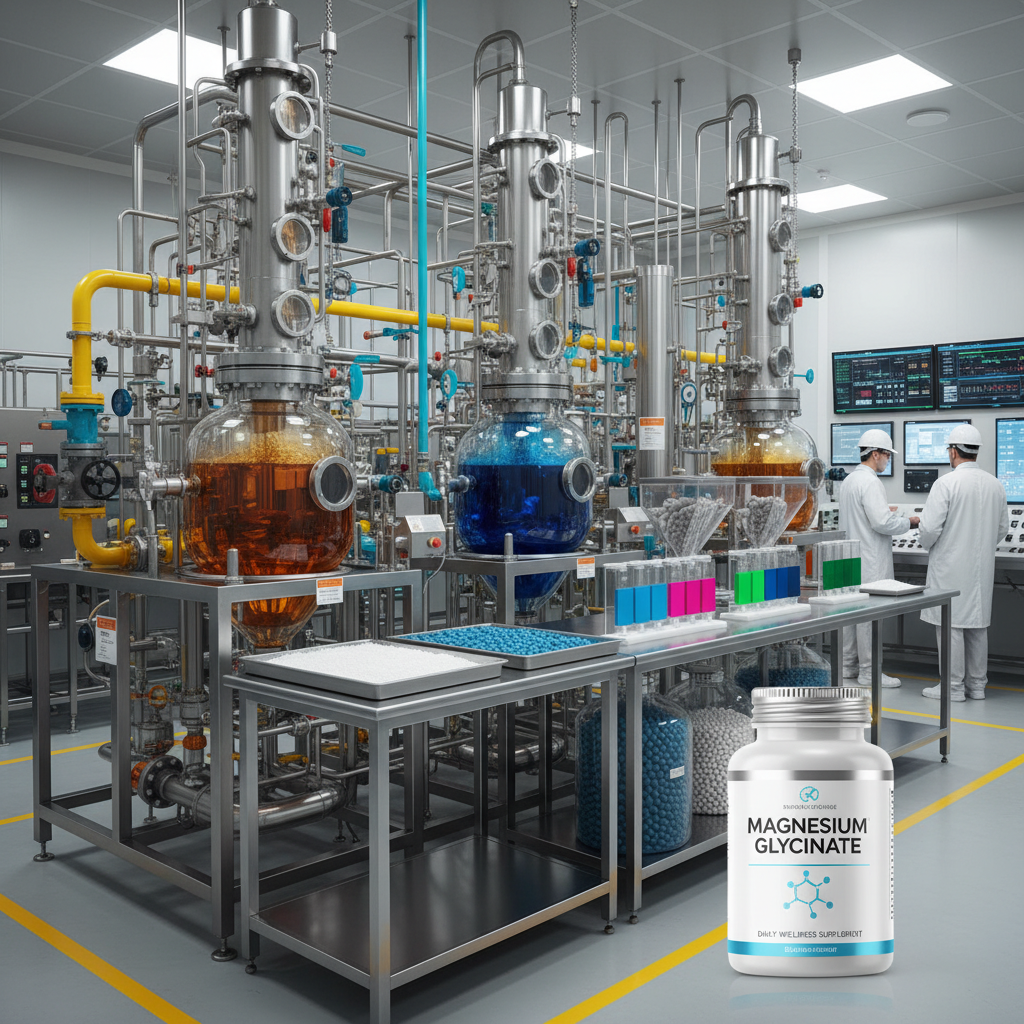
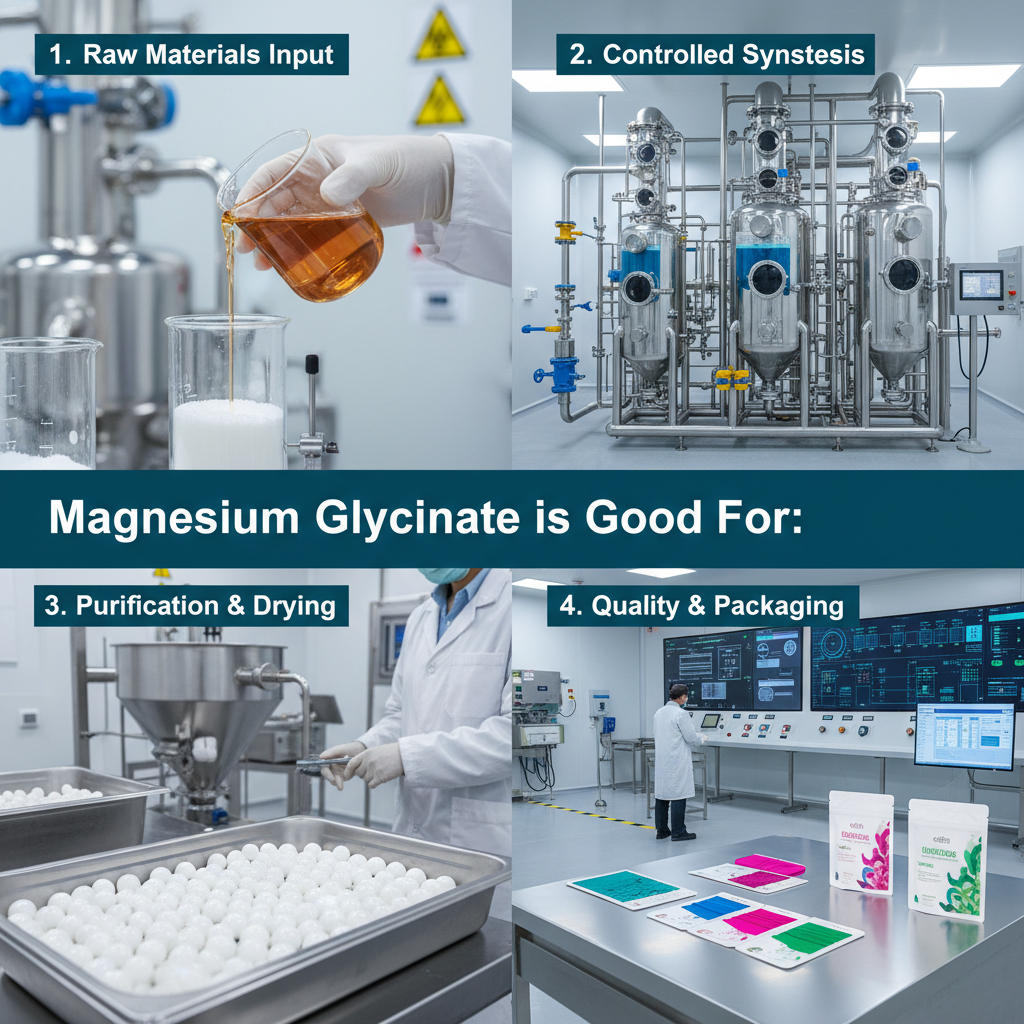
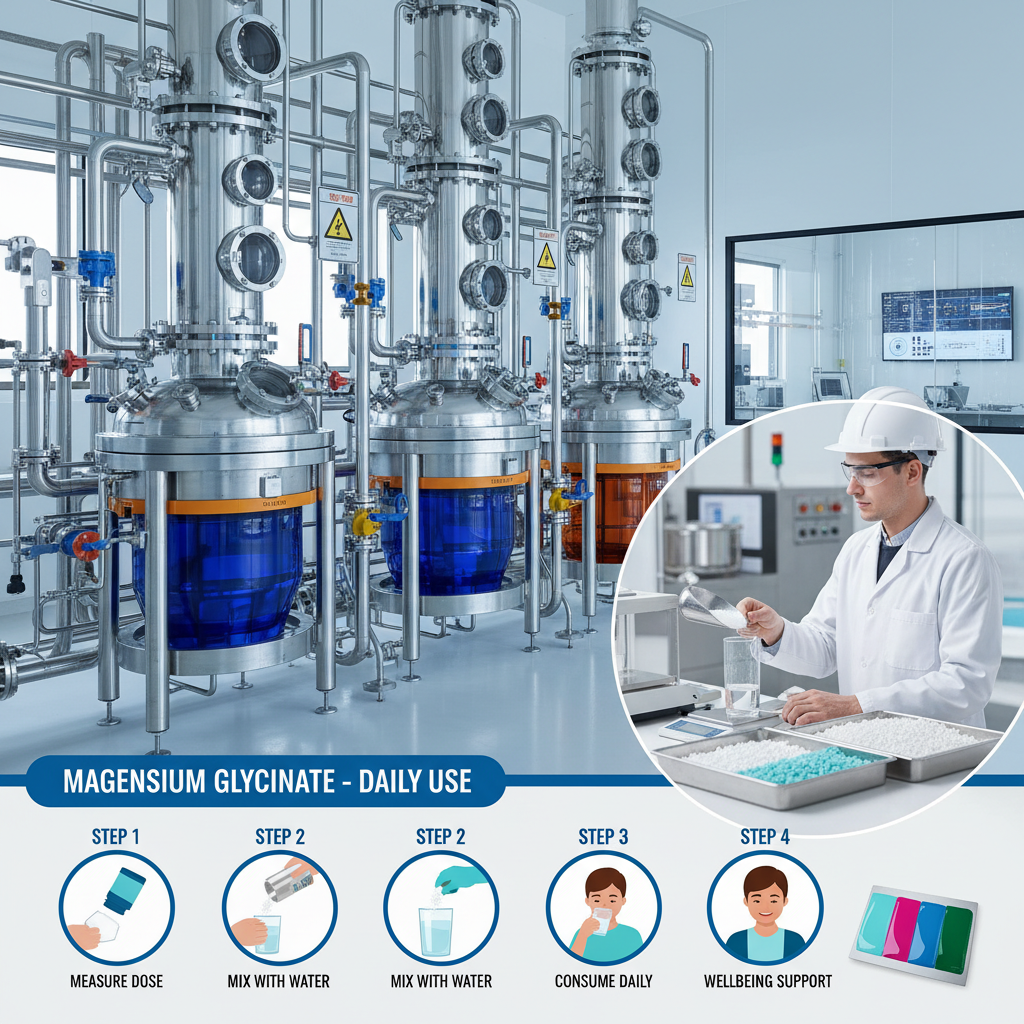
Working in the industrial sector, I’ve seen a lot of compounds come and go, but magnesium glycinate sticks out for its stability, bioavailability, and surprisingly complex production process. Manufacturers treat it as a bit of a "goldilocks" product—not too reactive, not overly delicate, but just right for a variety of uses, from supplements to specialized industrial formulas.
Oddly enough, the trick with magnesium glycinate lies in its crystalline form. It’s a chelated mineral: magnesium bound to glycine, an amino acid. This pairing makes it more bioavailable — in lay terms, easier for the body or chemical processes to absorb and utilize. It reminds me of some of the binders we worked with in equipment coatings—balance of solidity and interaction is everything.
For anyone sourcing this compound, understanding specs is vital. I often compare it to evaluating steel grades: not every supplier's output matches in purity or stability.
| Specification | Details |
|---|---|
| Chemical Formula | C4H8MgN2O4 |
| Magnesium Content | 14-15% |
| Appearance | White to off-white crystalline powder |
| Purity | ≥ 98% |
| Solubility | Sparingly soluble in water |
| Usage | Nutritional supplements, pharmaceutical grade, industrial additives |
One thing I actually learned from the production floor: controlling humidity during crystallization impacts both shelf-life and performance. Moisture can turn a pristine batch into a clumpy mess overnight—something no manufacturer wants to see when shipping hundreds of kilos. These little nuances separate the “meh” vendors from the reliable ones. (Believe me, I’ve seen vendors claim specs that were borderline misleading.)
Now, if you're hunting for the right vendor, you’ll want to weigh quality against cost and customer service, of course. I’ve put together a brief comparison below to help frame how different suppliers stack up in terms of purity, pricing, and lead times. Note: these are representative examples from the industrial supply chain, not endorsements—always do your due diligence.
| Vendor | Purity (%) | Typical MOQ (kg) | Lead Time | Price (USD/kg) |
|---|---|---|---|---|
| HBFuyang Bio | ≥ 98% | 25 | 2-3 weeks | $18–22 |
| InduChem Corp | 97-98% | 50 | 3-4 weeks | $20–25 |
| PureMag Solutions | ≥ 99% | 10 | 1-2 weeks | $23–28 |
From my years in the trenches, that mix of quality, cost, and reliability often comes down to the vendor’s commitment to testing and transparency. You want certificates of analysis (COAs) that aren’t handwritten or skimpy. Frankly, I was impressed the first time I saw magnesium glycinate handled with such professionalism—batch after batch tested under rigorous GMP guidelines.
On a more anecdotal note, a longtime customer I worked with once shared how switching to magnesium glycinate from another magnesium supplement reduced equipment downtime in their bio-processing lab. Why? Because of reduced particulate contamination and better flow properties. That might sound niche, but if you’re in the industrial or pharmaceutical space, it's a win you appreciate fully.
So, what’s the takeaway if you’re researching this for the first time? Magnesium glycinate isn't just another compound; it’s a dependable workhorse. Its stability and bioavailability mean fewer headaches from both a manufacturing perspective and end-use efficacy. It feels like the industry finally has a product that’s got its bases covered.
In real terms, if you’re balancing cost and quality, or just getting started in sourcing specialty minerals, it pays to know the stories behind the specs. That’s my two cents—based on years of dust, lab smells, and the occasional paging-through of dense material safety data sheets.
References:
1. Industrial & Pharmaceutical Processing Journals, 2018–2023
2. Supplier COA Reports (Public and Proprietary)
3. Industry Colleagues & Client Case Studies