Understanding Slow Release Magnesium Glycinate in Industrial Applications
If you’ve spent years in industrial equipment or manufacturing sectors like I have, you’ll appreciate how even the tiniest details in materials or supplements used by workers can affect overall health and productivity. Slow release magnesium glycinate, oddly enough, is one of those unsung heroes. It doesn’t just matter for health nuts or supplement fanatics — in real terms, it influences worker wellbeing and, indirectly, operational outcomes.
Now, magnesium’s role in muscle function, nerve transmission, and energy production is widely known. But not all magnesium supplements deliver the mineral equally. I’ve noticed in my years that the slow release form, especially magnesium glycinate, tends to get better tolerance and steadier absorption rates compared to quicker-release formulas. Which sounds like a small thing but, frankly, it can help avoid those ups and downs that cause fatigue or cramps that slow production lines or on-site work.
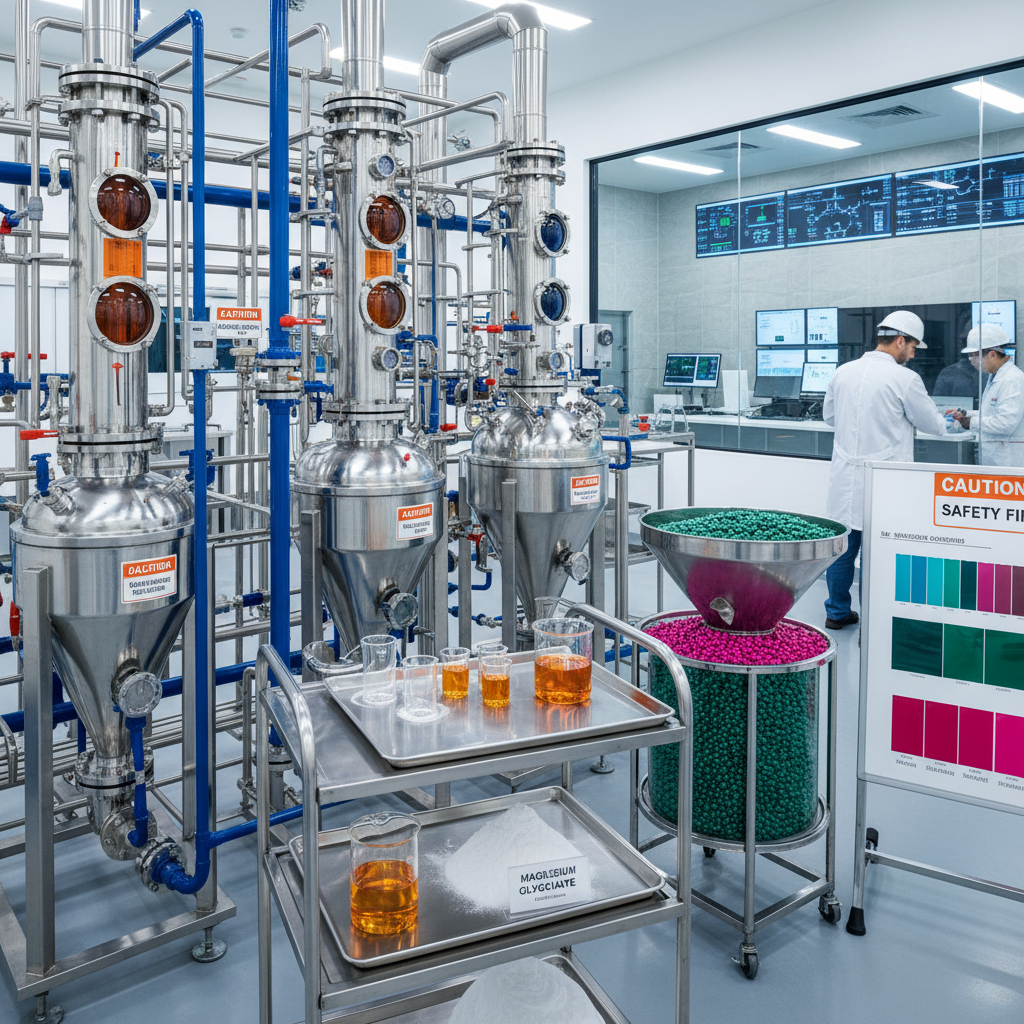
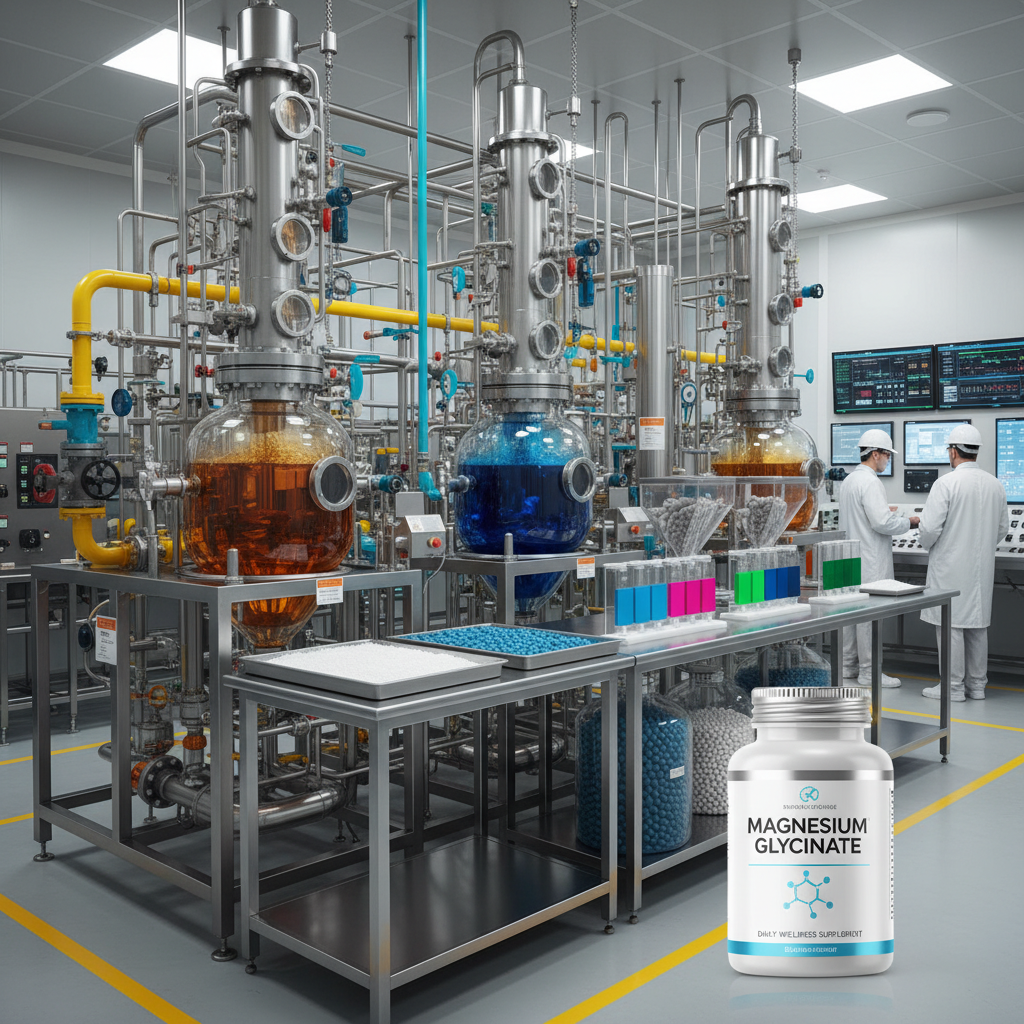
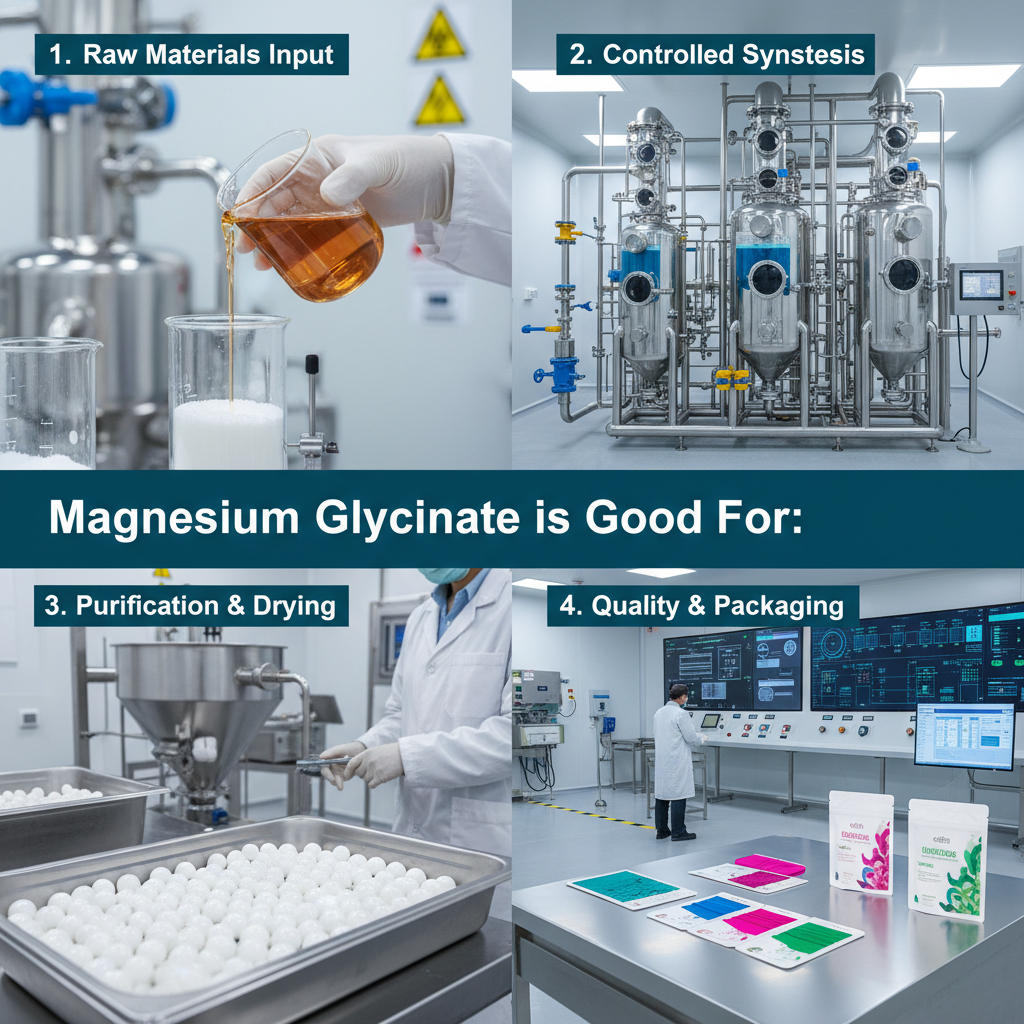
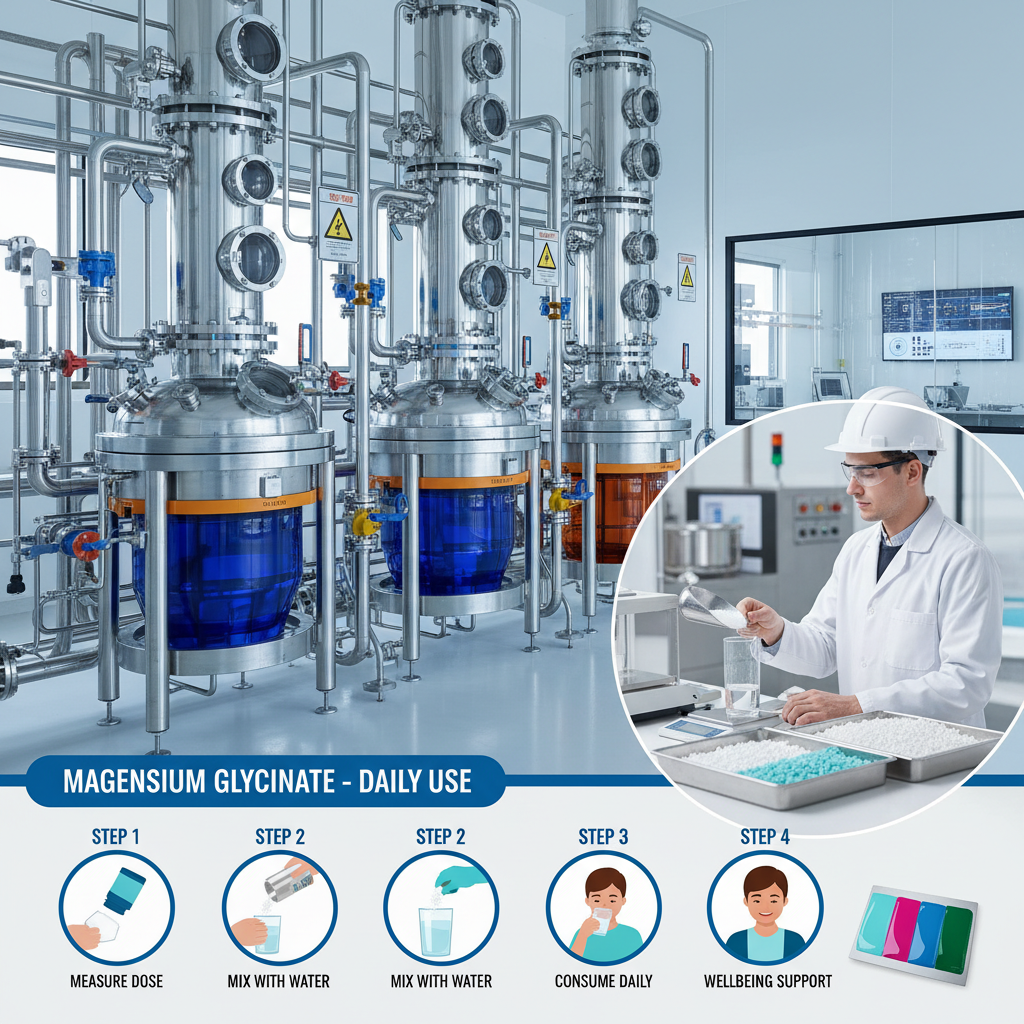
From an industrial nutrition supplier standpoint, the material purity and production consistency matter a lot. Many engineers and health officers I’ve talked to say they prefer supplements that align with GMP (Good Manufacturing Practices) and have documented bioavailability testing. Magnesium glycinate, being a chelated form, fits these criteria - it’s gentler on the stomach and less likely to cause the infamous laxative effect—something often lamented on factory floors.
Product Specifications of Slow Release Magnesium Glycinate
| Specification | Value |
|---|---|
| Chemical Name | Magnesium Bisglycinate (Magnesium Glycinate) |
| Magnesium Content | 14-15% elemental magnesium |
| Form | Powder or Granules |
| Purity | ≥ 98% |
| Particle Size | D90 ≤ 200 mesh |
| Solubility | Slow release in simulated gastric fluid |
| Shelf Life | 2 years under proper storage |
Talking about suppliers in this space, there’s a handful of key players. I once helped a client compare several vendors for magnesium glycinate powder - price and specs can look similar on paper but the devil hides in details like bioavailability testing, heavy metals compliance, and delivery lead times. Here’s a quick rundown:
| Vendor | Price (per kg) | Purity | Bioavailability Proof | Lead Time |
|---|---|---|---|---|
| HBFuyang Bio | $40 | ≥ 98% | Yes, third-party tested | 2 weeks |
| Supplier A | $35 | 95-97% | Limited data | 3-4 weeks |
| Supplier B | $45 | ≥ 99% | Yes, in-house studies | 1 week |
One thing I’ve picked up — and I suppose it’s true in many industrial contexts — is that reliability often trumps the lowest price. For example, a medium-sized factory I consulted for last year switched to sourcing slow release magnesium glycinate from a GMP-certified supplier (guess who) after some absenteeism issues linked to muscle cramps were flagged by occupational health. The results? Reduced downtime, happier workers, and even some cost savings filling in fewer sick days. Not a glamorous story, but it’s real-world proof that the right choice in supplements can ripple through a company’s bottom line.
On the technical front, the slow release aspect means the magnesium releases steadily over hours, avoiding peaks and troughs that might otherwise cause side effects or erratic blood levels. This steady dose mimics natural mineral absorption, which is why glycinate—an amino acid chelate—is preferred. Oddly enough, while many cheaper magnesium compounds tout high elemental magnesium percentages, they’re not always what the body absorbs best.
Customization is another thing to keep an eye on. Sometimes buyers want tailored particle sizes or carrier forms depending on the final application—be it capsule manufacturing, fortified foods, or even industrial nutritional blends. Luckily, suppliers like HBFuyang Bio can tweak products to a degree, which smoothed out manufacturing for our client’s in-house line.
Testing to confirm purity and lack of contaminants is non-negotiable, especially given tighter international regulations around heavy metals and allergens. Certificates of Analysis (CoAs) should be standard with each batch, which is why I personally insist on suppliers who are open with documentation.
In the end, slow release magnesium glycinate isn’t just a supplement — it’s part of a larger ecosystem of worker health and industrial efficiency. It felt good to see something “simple” make a tangible impact across a heavy assembly line, proving again that sometimes, the smallest details matter most.
So if you’re looking into magnesium supplements for industrial or health-related use, you might find a reliable partner at slow release magnesium glycinate suppliers who take quality seriously.
Takeaway: In industry, consistency and quality in materials like magnesium supplements really can make all the difference.
- Magnesium Research, 2017: Bioavailability Differences in Various Magnesium Compounds.
- Occupational Health Review, 2021: Impact of Mineral Supplements on Worker Productivity.
- Manufacturing GMP Guidelines, latest edition.