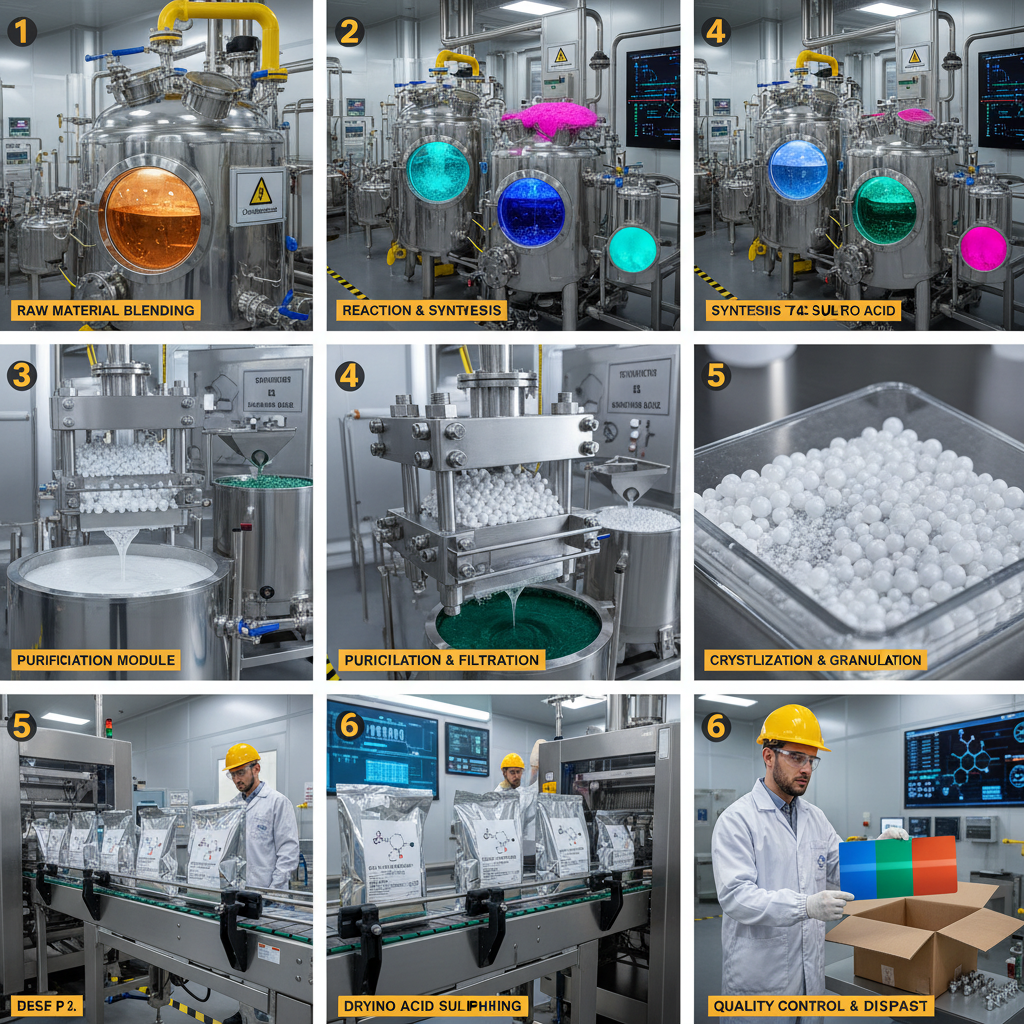
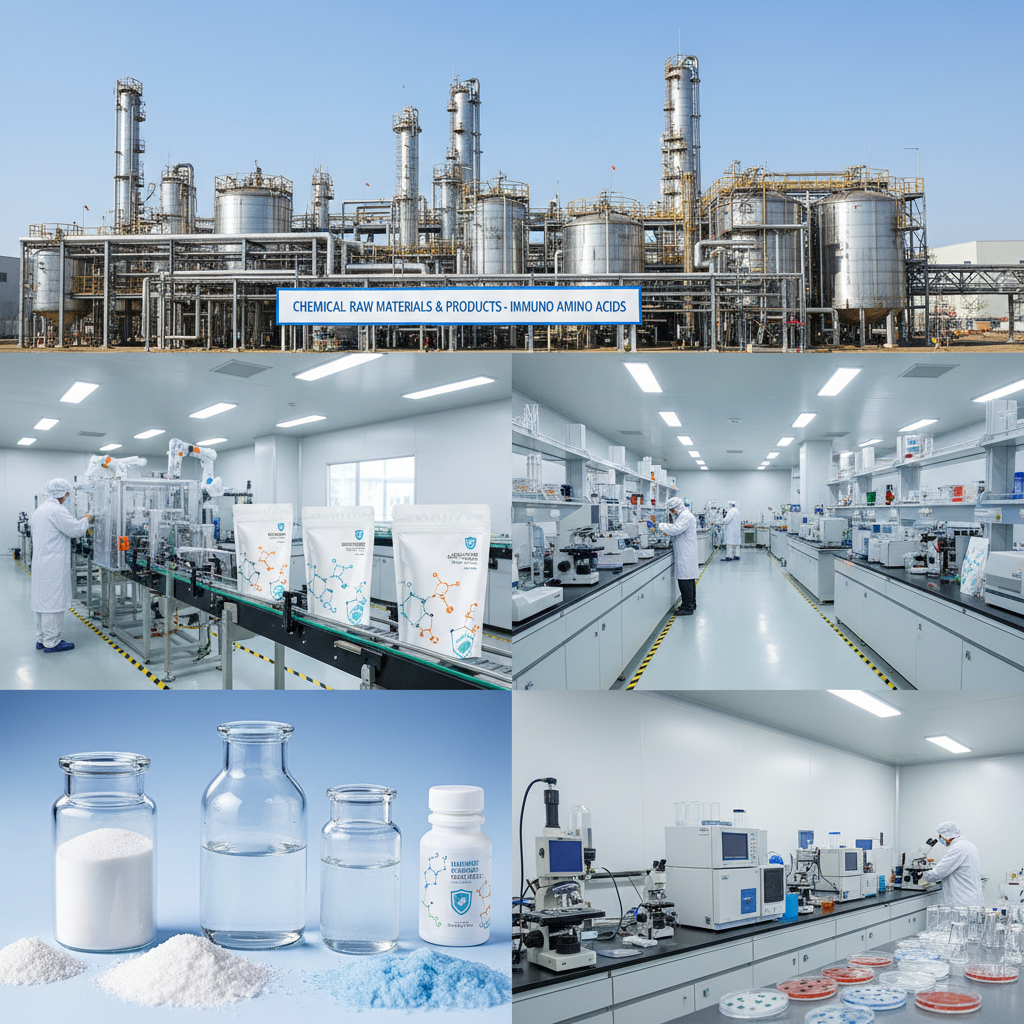
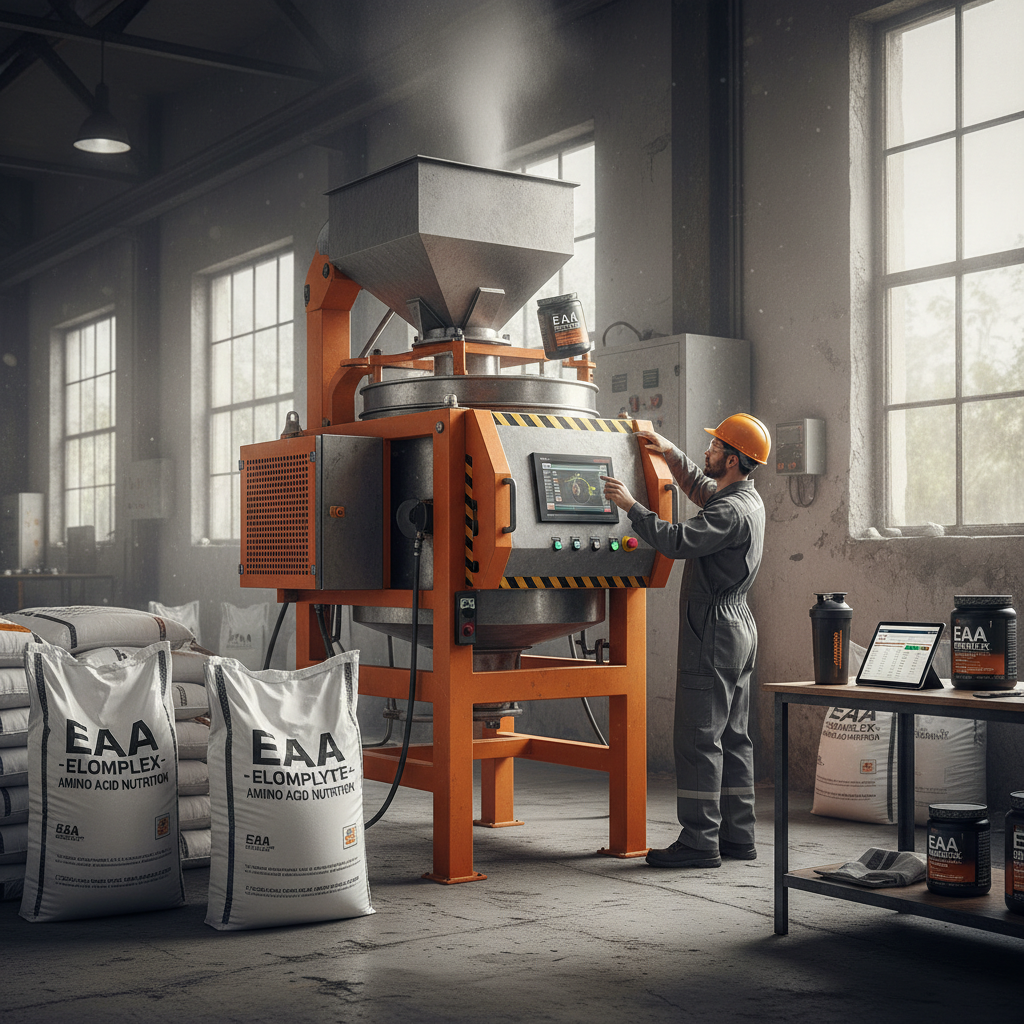
Amino acid with sulfur compounds are gaining increasing importance in modern agriculture, particularly in the feed additive industry. These molecules, containing both amino and sulfur functionalities, play a crucial role in protein synthesis, enzyme activity, and overall animal health. Understanding their benefits is paramount for optimizing livestock production and ensuring sustainable agricultural practices. The demand for high-quality feed additives, driven by a growing global population and increasing meat consumption, is fueling research and innovation in this field.
Globally, the demand for efficient and sustainable animal protein production is accelerating. Amino acid with sulfur, like methionine and cysteine, are often limiting amino acids in animal diets, meaning they are present in insufficient quantities for optimal growth and performance. Supplementation with these amino acids is thus crucial. The increasing focus on reducing the environmental impact of livestock farming is also driving demand for precise nutrition, minimizing waste and maximizing feed efficiency, further solidifying the role of amino acid with sulfur.
The significance of amino acid with sulfur extends beyond animal nutrition, impacting human health through the food chain. Ensuring adequate sulfur amino acid levels in livestock translates to higher quality protein sources for human consumption. This holistic approach highlights the importance of understanding and optimizing the use of these compounds throughout the entire agricultural system.
The Role of amino acid with sulfur in Animal Nutrition
Amino acid with sulfur are essential components in animal diets, supporting optimal growth, muscle development, and overall health. Specifically, methionine and cysteine are frequently the first limiting amino acids in many livestock feeds. Without sufficient levels of these compounds, animals cannot efficiently synthesize proteins, impacting their productivity and potentially leading to health issues. amino acid with sulfur supplementation ensures that these vital building blocks are available to the animal, leading to improved feed conversion ratios and reduced feed costs.
The correct balance of amino acids, including those containing sulfur, is crucial for maximizing animal performance. Modern feed formulation strategies prioritize precision nutrition, tailoring the amino acid profile of the diet to the specific needs of the animal at different stages of growth. This targeted approach minimizes waste, reduces environmental impact, and optimizes production efficiency.
Understanding Sulfur-Containing Amino Acids
The most significant amino acid with sulfur in animal nutrition are methionine, cysteine, and their derivatives. Methionine is an essential amino acid, meaning animals cannot synthesize it and must obtain it from their diet. Cysteine, while non-essential, is often conditionally essential, particularly during periods of stress or rapid growth. These amino acids contain sulfur in their molecular structure, which is vital for several biological processes.
The sulfur atom in these amino acids contributes to protein structure through disulfide bonds, enhancing stability and functionality. Sulfur is also a key component of several vitamins and coenzymes involved in critical metabolic pathways. Therefore, adequate sulfur amino acid intake is not only about protein synthesis but also about supporting overall metabolic health.
Furthermore, the bioavailability of sulfur amino acids can vary depending on the source and form. Synthetic methionine is commonly used in feed supplementation, offering a consistent and reliable source. Different isomers of methionine also possess varying levels of bioavailability, impacting their effectiveness.
Key Properties of Amino Acid with Sulfur Compounds
The unique chemical properties of amino acid with sulfur dictate their biological roles. The presence of sulfur imparts specific reactivity and contributes to the characteristic folding and function of proteins. These compounds exhibit varying solubilities, influencing their absorption and distribution within the animal's body. Understanding these properties is vital for formulating effective feed supplements and optimizing nutrient delivery.
Another crucial property is their stability under various processing conditions. Amino acid with sulfur can be susceptible to oxidation or degradation during feed manufacturing. Therefore, proper storage and handling are essential to preserve their nutritional value. Encapsulation technologies and antioxidant additives are often employed to protect these compounds during feed production and storage.
The interaction of amino acid with sulfur with other nutrients in the diet also affects their utilization. For example, adequate levels of vitamins and minerals are necessary to support the metabolic pathways involved in sulfur amino acid metabolism. A balanced nutritional approach is crucial for maximizing the benefits of supplementation.
Global Applications in Feed Formulation
Amino acid with sulfur are widely used in the formulation of feed for various livestock species, including poultry, swine, ruminants, and aquaculture. In poultry production, methionine supplementation is particularly critical for maximizing growth rate and breast meat yield. Similarly, in swine diets, adequate sulfur amino acid levels are essential for lean muscle development and efficient feed conversion.
In ruminant animals, the utilization of sulfur amino acids is more complex due to microbial metabolism in the rumen. However, protected methionine products are available that bypass the rumen and are absorbed directly in the small intestine, ensuring optimal availability. Aquaculture also benefits significantly from sulfur amino acid supplementation, promoting rapid growth and improving feed efficiency in fish and shrimp.
Amino Acid with Sulfur Supplementation Methods & Efficacy
Advantages of Using Supplemented amino acid with sulfur
Supplementing animal diets with amino acid with sulfur offers numerous benefits. Improved feed efficiency is a primary advantage, meaning animals require less feed to achieve the same level of growth or production. This translates directly into reduced feed costs, a significant economic benefit for livestock producers.
Furthermore, optimal sulfur amino acid levels contribute to improved animal health and reduced disease incidence. Stronger immune function and enhanced resilience to stress are observed in animals receiving adequate supplementation. This leads to lower veterinary costs and improved overall farm profitability.
Future Trends and Innovations
Ongoing research is focused on developing more sustainable and efficient sources of amino acid with sulfur. Biotechnological approaches, such as microbial fermentation, are being explored as alternatives to traditional chemical synthesis. These methods offer the potential to reduce the environmental impact of production and improve resource utilization.
Another emerging trend is the development of precision nutrition strategies based on genetic markers and individual animal needs. This personalized approach will allow for even more accurate amino acid supplementation, maximizing efficiency and minimizing waste. Digital technologies and data analytics will play a crucial role in optimizing feed formulations and monitoring animal performance.
The exploration of novel sulfur amino acid analogs and delivery systems is also gaining momentum. These innovations aim to enhance bioavailability, protect against degradation, and improve the overall effectiveness of supplementation.
Challenges and Optimization Strategies
Despite the numerous benefits, several challenges remain in optimizing the use of amino acid with sulfur. The cost of supplementation can be a barrier for some producers, particularly in developing countries. Furthermore, the bioavailability of different sulfur amino acid sources can vary, requiring careful consideration during feed formulation.
Another challenge is ensuring accurate amino acid analysis and quality control. Variations in raw material composition and analytical methods can lead to inconsistencies in feed formulations. Implementing robust quality assurance programs is essential for maintaining consistent product quality.
Optimizing the timing and form of supplementation is also crucial. Providing amino acid with sulfur at the appropriate stages of growth and in a readily digestible form maximizes their utilization and minimizes waste. Further research is needed to refine these strategies and develop tailored solutions for different livestock species and production systems.
Summary of Key Considerations for Amino Acid with Sulfur Optimization
| Source & Cost |
Bioavailability |
Formulation Strategy |
Quality Control |
| Synthetic vs. Fermented – Cost Comparison |
DL-Methionine vs. L-Methionine – Absorption Rates |
Species-Specific Amino Acid Requirements |
Regular Amino Acid Profile Analysis |
| Economic Impact of Different Sources |
Influence of Gut Microbiome on Absorption |
Optimizing Amino Acid Ratios |
Ensuring Raw Material Purity |
| Long-Term Sustainability of Production |
Effect of Feed Processing on Bioavailability |
Stage-Specific Supplementation |
Implementing Standardized Analytical Methods |
| Sourcing from Reputable Suppliers |
Impact of Anti-Nutritional Factors |
Utilizing Feed Additives to Enhance Absorption |
Monitoring for Amino Acid Degradation |
| Exploring Alternative Sulfur Sources |
Influence of Animal Genetics |
Integrating Digital Feed Formulation Tools |
Adhering to Industry Regulations |
| Considering Lifecycle Cost Analysis |
Optimizing Particle Size for Absorption |
Personalized Nutrition Based on Animal Needs |
Establishing Traceability Systems |
FAQS
The primary function of amino acid with sulfur, such as methionine and cysteine, in animal feed is to provide essential building blocks for protein synthesis. These amino acids are often limiting in common feed ingredients, meaning they are present in insufficient amounts to support optimal growth and development. Supplementation ensures animals can efficiently synthesize proteins, leading to improved feed conversion ratios and increased production.
Supplementing with amino acid with sulfur can reduce overall feed costs by improving feed efficiency. When animals receive adequate levels of these essential amino acids, they require less feed to achieve the same level of growth or production. This reduction in feed consumption translates directly into lower feed expenses, a significant economic benefit for livestock producers. It allows for a more precise formulation of feed, minimizing waste.
Yes, there are different forms of amino acid with sulfur, including DL-methionine and L-methionine. L-methionine is the naturally occurring form and is generally more readily absorbed by animals. DL-methionine is a synthetic form that is converted to L-methionine in the body, but with slightly lower efficiency. The choice of form depends on factors like cost and desired performance.
Sulfur plays a vital role in the structure of proteins by forming disulfide bonds between cysteine residues. These bonds contribute to the stability and three-dimensional folding of proteins, which is crucial for their function. Without adequate sulfur amino acid levels, protein structure can be compromised, impacting their biological activity.
To ensure quality and stability, it's crucial to source amino acid with sulfur from reputable suppliers and store the feed properly. Protect the product from moisture, heat, and direct sunlight. Consider using encapsulated forms of amino acids to protect them from degradation during feed processing and storage. Regular amino acid analysis is essential for verifying the nutrient content of the feed.
The sustainability of synthetic amino acid with sulfur production is an evolving area. Current manufacturing processes rely on fossil fuels. However, ongoing research is focused on developing more sustainable production methods, such as microbial fermentation and utilizing renewable feedstocks. Choosing suppliers committed to sustainable practices can minimize the environmental impact.
Conclusion
In conclusion, amino acid with sulfur are vital components of animal nutrition, playing a critical role in protein synthesis, growth, and overall health. Their strategic supplementation offers significant economic and environmental benefits, improving feed efficiency, reducing waste, and enhancing animal performance. Understanding the nuances of sulfur amino acid metabolism and optimizing their utilization are crucial for sustainable livestock production.
As we look to the future, continued innovation in production methods, formulation strategies, and precision nutrition technologies will further unlock the potential of these essential compounds. Exploring sustainable alternatives and embracing data-driven approaches will be key to maximizing their benefits while minimizing environmental impact. For premium quality amino acid with sulfur solutions, visit our website today.