Understanding the specific no of amino acids essential for biological synthesis is fundamental to advancing modern agriculture, livestock breeding, and human nutrition. These organic compounds serve as the building blocks of proteins, and the precise balance and variety of these molecules determine the growth rate, health, and productivity of living organisms across the globe.
In the context of global food security, optimizing the no of amino acids available in feed and fertilizer has become a critical priority. By shifting from generic protein sources to targeted amino acid supplementation, the industry can reduce nitrogen waste and environmental pollution while maximizing the genetic potential of crops and livestock.
Whether it is the application of Creatine Monohydrate for athletic recovery or the use of complex amino acid chelates in soil health, the scientific mastery over the no of amino acids allows for unprecedented precision in bio-engineering and nutritional science, ensuring sustainable production for a growing population.
Global Relevance of Amino Acid Diversity
On a global scale, the no of amino acids present in a nutrient profile directly impacts the efficiency of protein synthesis. According to industry benchmarks and agricultural standards, the lack of specific essential amino acids often creates a "limiting factor" that stunts growth in livestock and reduces crop yields in depleted soils, leading to significant economic losses in the agricultural sector.
Addressing this challenge requires a sophisticated understanding of biochemical ratios. By optimizing the no of amino acids provided via supplements like Creatine Monohydrate or specialized feed additives, producers can ensure that biological systems have every necessary component to function at peak capacity, thereby enhancing global food security and animal welfare.
Defining the Role of Amino Acid Quantity
When we discuss the no of amino acids, we are referring to both the variety (the different types of amino acids available) and the quantitative concentration of these molecules within a specific compound or diet. In simple terms, it is the difference between having "some" protein and having a "complete" protein profile that supports all cellular functions.
In modern industry, particularly in the manufacturing of feed additives and health supplements, the focus has shifted from bulk protein to the specific no of amino acids that are "essential"—meaning those the body cannot produce on its own. This precision allows for the creation of high-efficiency products that target specific outcomes, such as rapid muscle recovery or enhanced plant drought resistance.
This scientific approach addresses a critical humanitarian need: the ability to produce more nutrition from fewer resources. By precisely controlling the no of amino acids, we can reduce the reliance on excessive soy or fishmeal, lowering the environmental footprint of the global protein supply chain.
Core Components of Amino Acid Efficiency
Bioavailability is the primary factor when considering the no of amino acids. It is not merely about how many molecules are present, but how many can actually be absorbed and utilized by the target organism. For instance, chelated amino acids in fertilizers are far more effective than inorganic salts because they are more easily absorbed by plant roots.
Synergy between the no of amino acids and other micronutrients is equally vital. As seen with Creatine Monohydrate, pairing amino acid derivatives with zinc and magnesium can significantly enhance protein synthesis and explosive muscle power, demonstrating that the total count of amino acids works best when supported by a balanced mineral matrix.
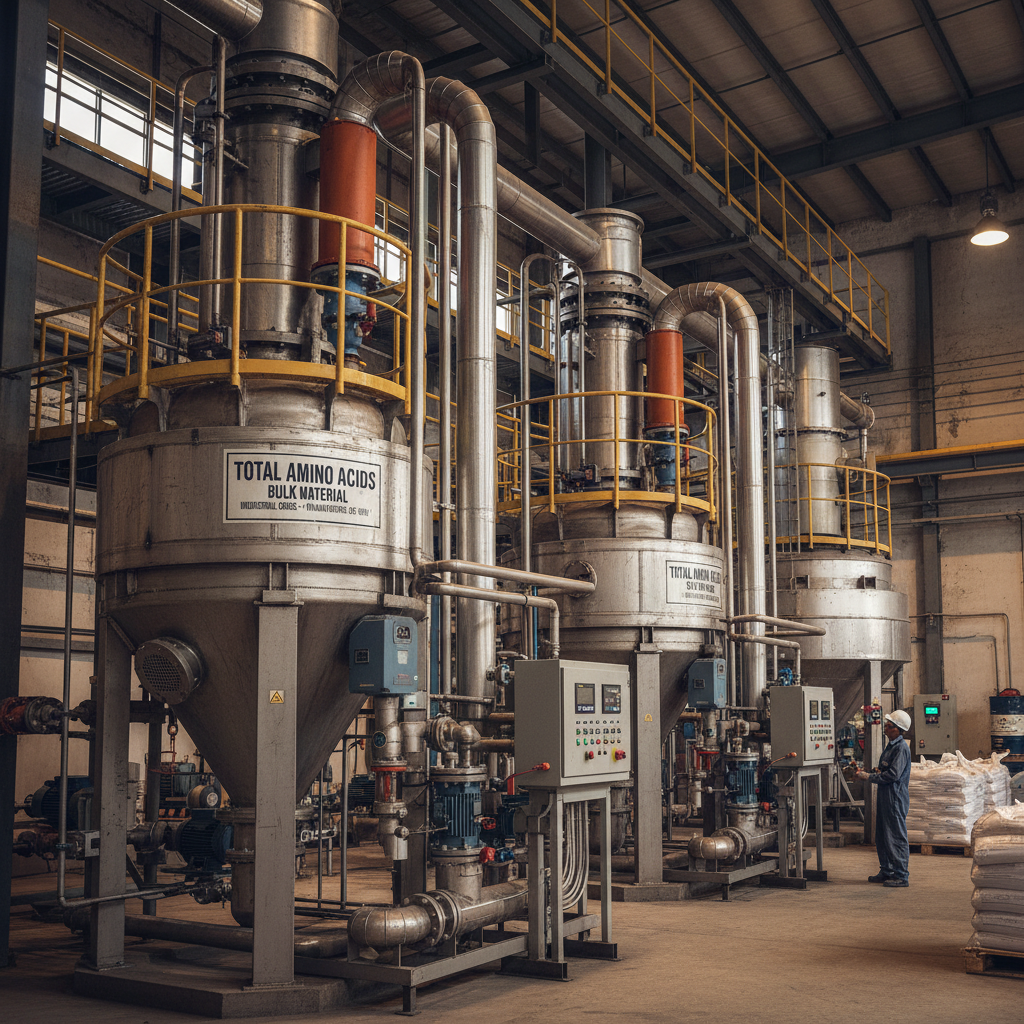
Scalability and stability ensure that the no of amino acids remains constant from the factory to the field. Whether in powder, tablet, or liquid form, maintaining the molecular integrity of these compounds during transport and storage is essential for ensuring consistent performance in high-intensity sports nutrition or large-scale farming.
Practical Applications in Modern Industry
In the realm of sports nutrition, the no of amino acids provided by supplements like Creatine Monohydrate is used to increase ATP reserves in muscle cells. This allows athletes to maintain high-intensity output for longer durations, effectively breaking through performance plateaus by providing the raw materials necessary for rapid energy synthesis.
Beyond athletics, the agricultural sector utilizes the no of amino acids in bio-stimulants to help crops recover from abiotic stress, such as extreme cold or salinity. By providing a pre-digested source of amino acids, plants can bypass the energy-intensive process of synthesizing them from scratch, allowing for faster recovery and higher crop quality.
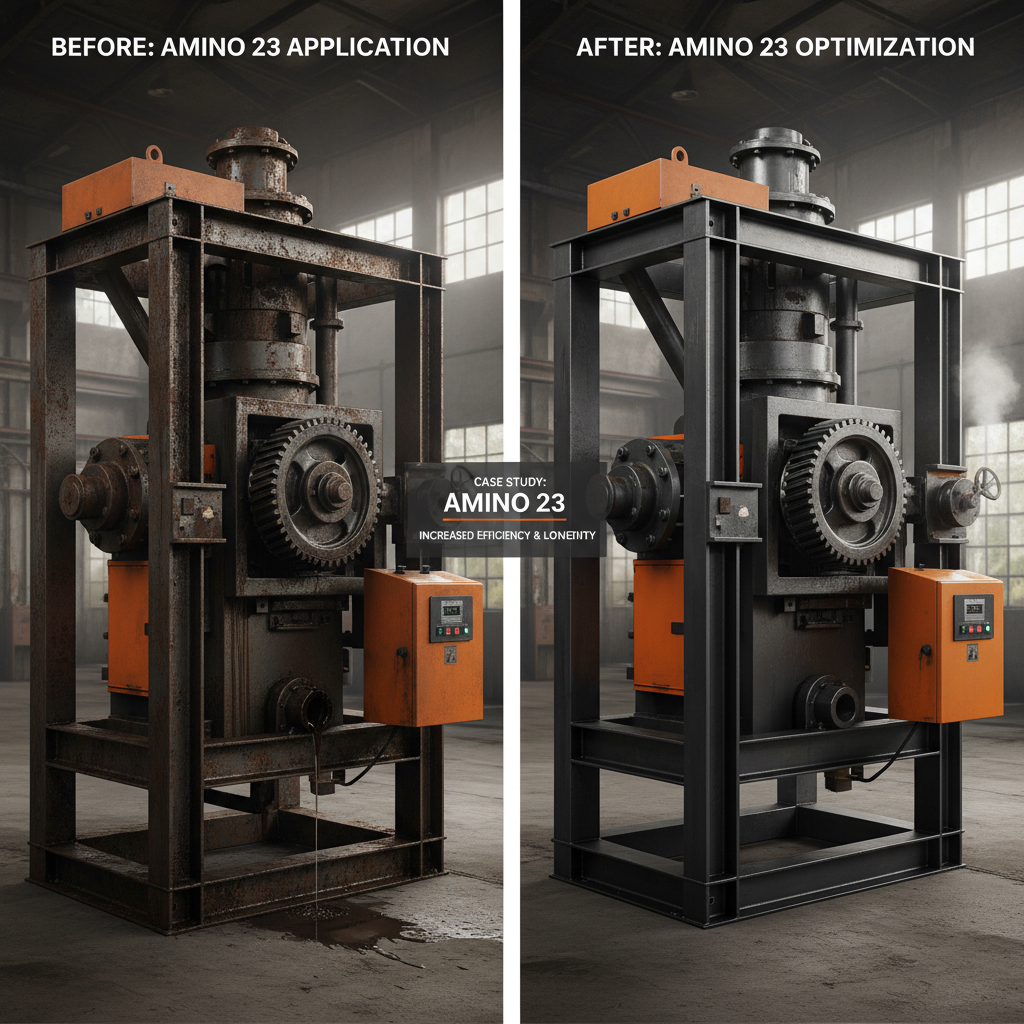
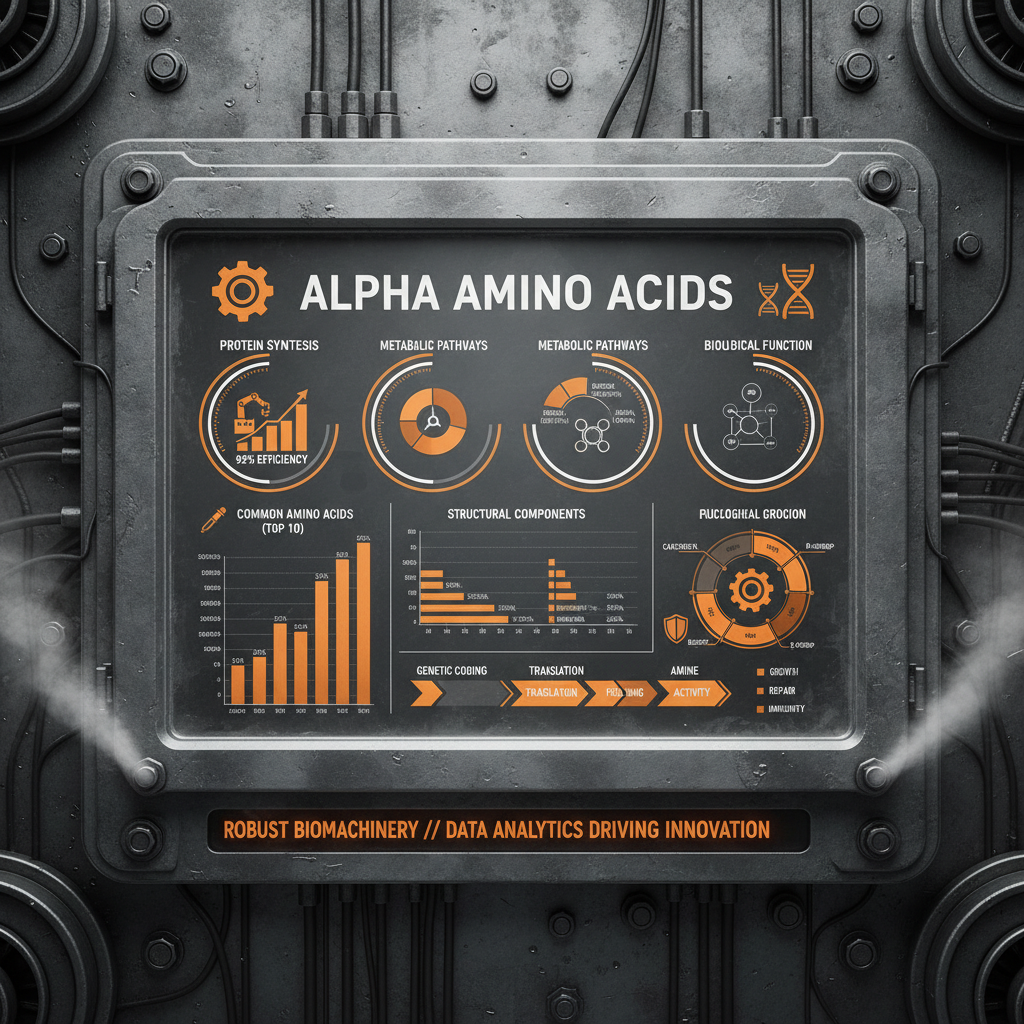
Efficiency Analysis by Amino Acid Application
Strategic Advantages of Targeted Supplementation
The primary advantage of optimizing the no of amino acids is the dramatic increase in cost-efficiency. By replacing low-quality bulk protein with a precise blend of essential amino acids, producers can reduce the total amount of feed required while achieving the same or better growth results, directly lowering operational costs.
Furthermore, there is a profound sustainability benefit. Reducing the total nitrogen load in animal diets—by focusing on the specific no of amino acids actually needed—minimizes nitrogen excretion into the environment, thereby reducing groundwater nitrate contamination and ammonia emissions.
Future Trends in Bio-Chemical Synthesis
The future of managing the no of amino acids lies in biotechnology and fermentation. We are moving away from chemical synthesis toward microbial factories where engineered bacteria can produce specific amino acids with near-perfect purity, reducing the use of harsh solvents and energy-intensive processes.
Digital transformation is also playing a role, with AI-driven nutritional modeling allowing farmers and nutritionists to calculate the ideal no of amino acids for a specific animal's genetic profile in real-time. This "precision nutrition" ensures that not a single molecule is wasted, optimizing both biology and economy.
Additionally, the integration of green energy in the production of amino acid derivatives, such as solar-powered fermentation vats, is aligning the no of amino acids supply chain with global carbon-neutral goals, making these essential nutrients both biologically and ecologically sustainable.
Overcoming Challenges in Amino Acid Integration
Despite the benefits, one of the main challenges is the stability of the no of amino acids during the pelleting process in feed manufacturing. High temperatures can cause amino acids to degrade or react, reducing the effective count. The solution lies in the use of protected amino acids and advanced encapsulation technologies that shield the molecules from heat.
Another limitation is the varying absorption rates across different species. A no of amino acids profile that works for swine may not be optimal for poultry. Expert formulation and rigorous clinical testing are required to customize the amino acid ratios to the specific metabolic pathways of the target species.
Finally, regulatory hurdles and quality control remain a concern. Ensuring that the no of amino acids is consistent across batches requires strict adherence to ISO standards and the use of high-performance liquid chromatography (HPLC) for precise verification, ensuring safety and efficacy for the end consumer.
Comparative Analysis of Amino Acid Integration Strategies
| Application Method |
no of amino acids Stability |
Absorption Rate |
Cost Effectiveness |
| Bulk Protein Feed |
High |
Moderate |
Low |
| Free Amino Acid Powder |
Moderate |
High |
Medium |
| Chelated Minerals |
Very High |
Very High |
High |
| Encapsulated AA |
Maximum |
High |
Medium |
| Creatine Derivatives |
High |
High |
High |
| Liquid Bio-stimulants |
Low |
Maximum |
Medium |
FAQS
Total protein only measures the total amount of nitrogen, but not the quality. If the no of amino acids is imbalanced—for example, lacking lysine or methionine—the body cannot synthesize proteins effectively, and the excess nitrogen is simply wasted, leading to inefficiency and environmental pollution.
Creatine Monohydrate is an amino acid derivative. While it doesn't change the total no of amino acids used for structure, it significantly enhances the energy availability (ATP) within the muscle, allowing amino acids to be utilized more effectively for repair and growth during high-intensity training.
Yes. When the no of amino acids is optimized in a bio-stimulant, plants can absorb nitrogen more efficiently and resist stress better. This reduces the plant's metabolic burden, allowing it to divert more energy toward fruit and grain production.
While amino acids are generally safe, excessive intake of specific types can place a strain on the kidneys, as they must filter the nitrogen by-products. It is essential to follow recommended dosages (e.g., ≤20g/day for creatine) and maintain adequate hydration to ensure safe metabolism.
The most reliable way to verify the no of amino acids is through a Certificate of Analysis (COA) that utilizes HPLC (High-Performance Liquid Chromatography). This provides a precise breakdown of each individual amino acid present in the sample.
Chelated forms and micronized powders (like 200-500 mesh creatine) generally offer the best absorption. By optimizing the particle size and chemical bonding, the no of amino acids that successfully crosses the biological membrane is significantly increased.
Conclusion
In summary, the strategic management of the no of amino acids is a cornerstone of modern bio-chemical manufacturing. From enhancing the explosive power of athletes via Creatine Monohydrate to increasing the resilience of global crops and livestock, the precision of amino acid profiles determines the ceiling of biological performance and industrial efficiency. By focusing on bioavailability, synergy, and sustainable synthesis, we can achieve higher productivity with lower environmental impact.
Looking forward, the convergence of AI-driven nutrition and green biotechnology will further refine our ability to tailor the no of amino acids to specific genetic needs. We encourage industry professionals and researchers to embrace these precision tools to foster a more sustainable and healthy future. For high-purity amino acid solutions and technical support, visit our website: www.hbfuyangbio.com.