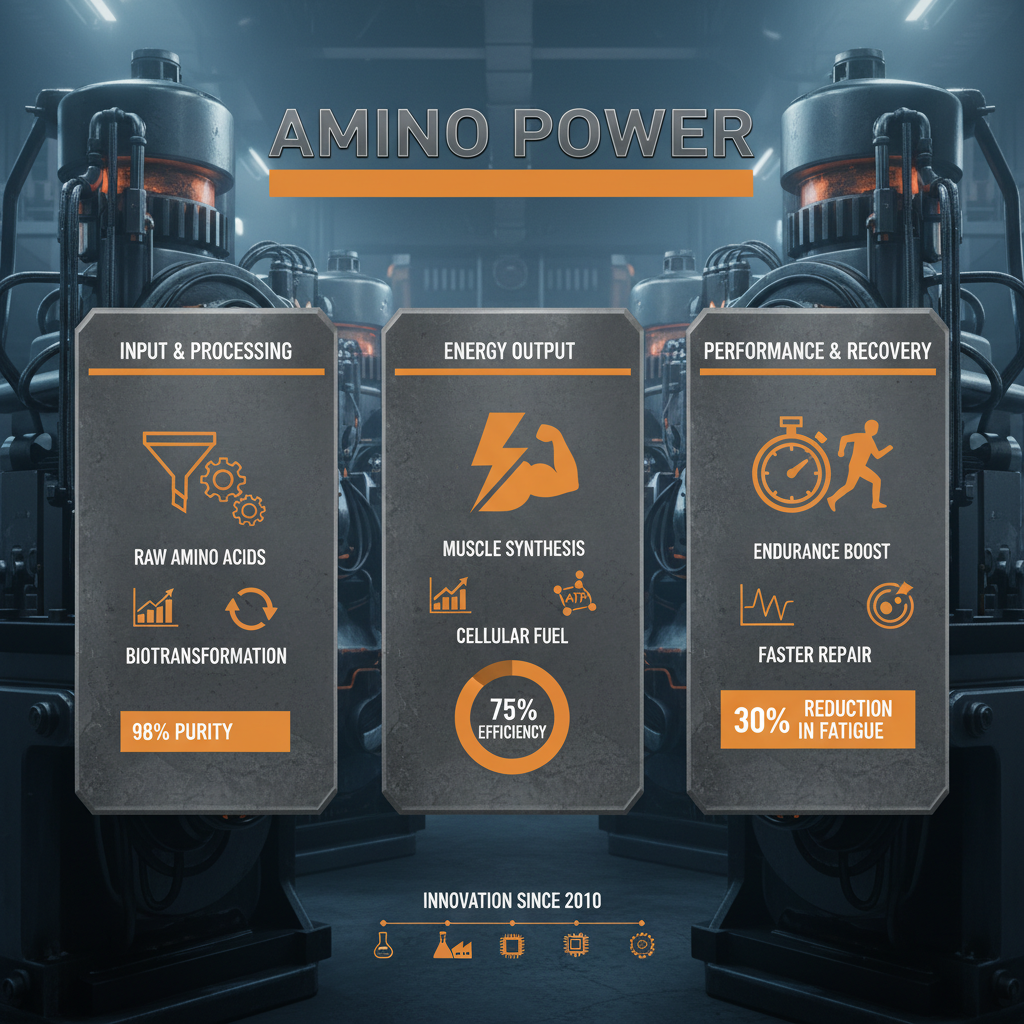
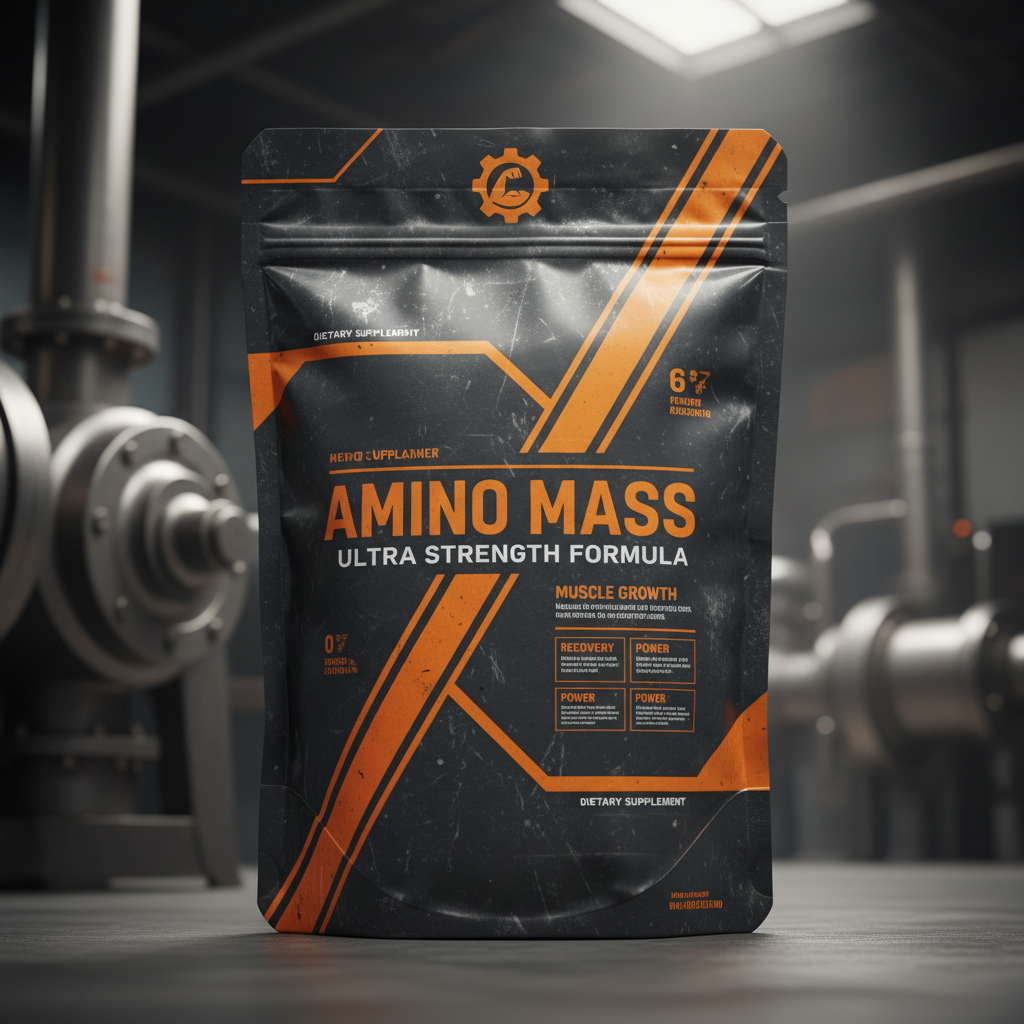
Amino power represents a crucial intersection of biochemical innovation and practical application, impacting diverse fields from nutrition and sports performance to pharmaceutical development and sustainable agriculture. Understanding its principles unlocks potential for enhancing human health, optimizing resource utilization, and driving advancements in various industries. This detailed exploration will delve into the core components of amino power, its global applications, future trends, and potential challenges.
The global demand for optimized biological solutions is rising rapidly, fueled by population growth, increasing health consciousness, and a growing need for sustainable practices. Amino power, the strategic use of amino acids and their derivatives, stands at the forefront of addressing these needs. The ability to tailor amino acid profiles for specific outcomes presents opportunities for preventative medicine, improved food production, and the creation of environmentally friendly materials.
Effectively harnessing amino power requires a nuanced understanding of its complexities. It’s not simply about consuming or applying amino acids; it’s about understanding their precise roles in biological systems and engineering solutions that leverage those roles to achieve desired outcomes. This understanding is fundamental to tackling challenges in areas like malnutrition, chronic disease, and environmental sustainability.
The Foundation of Amino Power
Amino power, at its core, is built on the understanding that amino acids are the fundamental building blocks of life. Their precise arrangement dictates the structure and function of proteins, enzymes, hormones, and neurotransmitters – essentially everything that happens within a biological system. This foundational knowledge allows for targeted interventions and optimizations.
The power lies not just in having amino acids, but in understanding the specific ratios and bioavailability required for optimal outcomes. Factors like chirality, peptide bonding, and delivery mechanisms significantly influence how effectively amino acids can be utilized. Therefore, advanced formulations and targeted delivery systems are crucial to maximizing amino power.
Defining Amino Power and its Relevance
Amino power, in simple terms, signifies the intentional and strategic utilization of amino acids to enhance biological processes. This extends beyond basic nutrition and encompasses applications in targeted therapies, performance enhancement, and material science. It's the ability to harness the inherent capabilities of these molecules for a specific purpose.
This concept is intrinsically linked to modern industry and humanitarian needs. In healthcare, amino power fuels the development of novel therapeutics for conditions ranging from metabolic disorders to autoimmune diseases. In agriculture, it offers solutions for optimizing crop yields and improving animal nutrition.
The growing recognition of the interconnectedness between gut health, the microbiome, and overall well-being further elevates the relevance of amino power. Specific amino acids play crucial roles in maintaining gut integrity, modulating the immune system, and supporting the production of essential neurotransmitters, making them vital for preventative healthcare.
Core Components of Amino Power
Several core components underpin the effective utilization of amino power. First, Amino Acid Profile – the precise ratio and types of amino acids are critical for specific outcomes. Second, Bioavailability – how well the body can absorb and utilize those amino acids. Third, Delivery Systems - how the amino acids are delivered to the target tissue.
Fourth, Synergistic Compounds - combining amino acids with other nutrients or bioactive compounds can enhance their efficacy. For example, pairing leucine with vitamin D can optimize muscle protein synthesis. Fifth, Personalized Formulations - tailoring amino acid profiles to individual needs based on genetics, lifestyle, and health status.
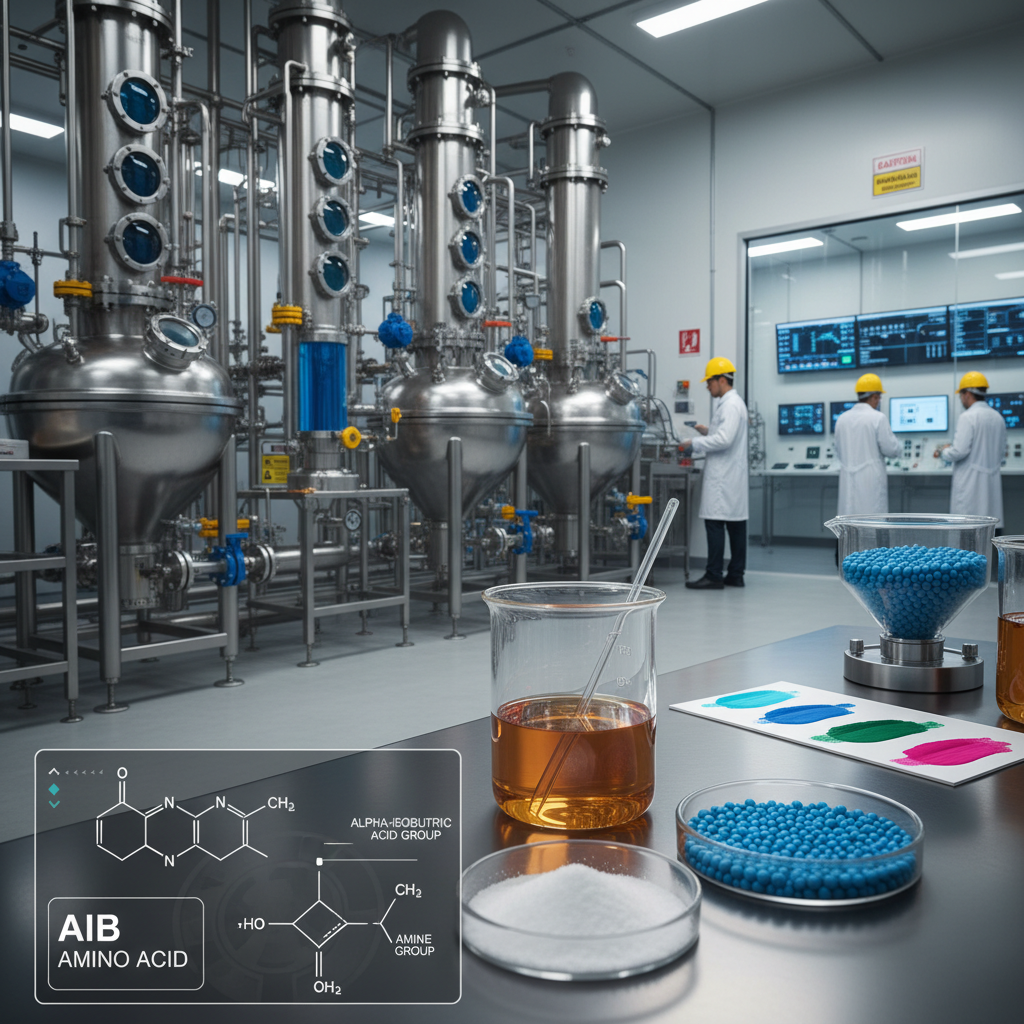
Finally, Quality Control - ensuring the purity and accuracy of amino acid sourcing and manufacturing is paramount for safety and effectiveness. Contamination or inaccurate labeling can undermine the benefits of amino power. amino power is highly dependent on this.
Practical Applications and Industries Utilizing Amino Power
The applications of amino power are incredibly diverse. In the pharmaceutical industry, it drives the development of amino acid-based drugs for treating metabolic disorders and supporting wound healing. The sports nutrition sector leverages amino acids to enhance muscle recovery, improve endurance, and optimize performance.
The agricultural sector uses amino acids to improve crop yields, enhance nutrient uptake, and increase plant resistance to stress. Cosmetics incorporate amino acids for their moisturizing, anti-aging, and skin-repairing properties.
Amino Power Application Effectiveness
Global Impact and Use Cases of Amino Power
In post-disaster relief operations, amino acid supplementation can combat malnutrition and support immune function in vulnerable populations. In remote industrial zones with limited access to fresh food, tailored amino acid formulations can ensure workers receive adequate nutrition and maintain optimal performance.
Across Europe, amino acid-based therapies are increasingly used in clinical settings to manage patients with chronic diseases. In Asia, advancements in agricultural biotechnology are leveraging amino acids to enhance crop resilience and improve food security. amino power is utilized widely.
The Advantages and Long-Term Value of Amino Power
The benefits of amino power are multifaceted. Cost-effectiveness is a key advantage, as optimized amino acid formulations can reduce reliance on expensive pharmaceuticals or synthetic supplements. Sustainability is enhanced through the use of bio-based amino acids and efficient production processes.
Social impact is significant, with improved health outcomes, enhanced food security, and reduced environmental footprint. Reliability is ensured through rigorous quality control measures and adherence to industry standards. Beyond the tangible benefits, amino power fosters a sense of trust and innovation, driving continued advancements in related fields.
Future Trends and Innovations in Amino Power
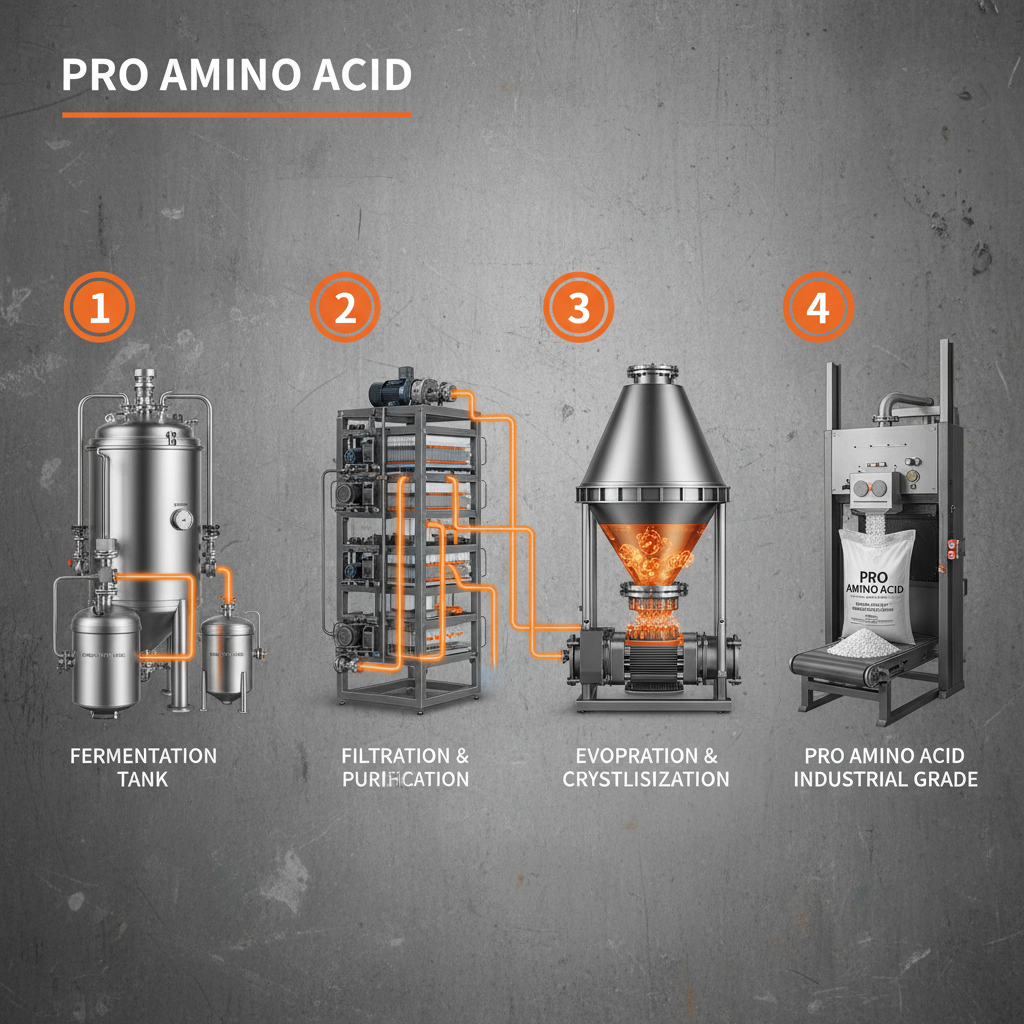
The future of amino power is marked by exciting innovations. Advancements in precision fermentation are enabling the sustainable production of rare and specialized amino acids. The integration of artificial intelligence and machine learning is facilitating the design of personalized amino acid formulations.
The growing emphasis on green chemistry is driving the development of eco-friendly amino acid manufacturing processes. Furthermore, the convergence of amino power with digital health technologies – such as wearable sensors and personalized nutrition apps – will create new opportunities for preventative healthcare and optimized wellness.
Nanotechnology is also poised to play a significant role, with the development of nano-encapsulated amino acids that offer enhanced bioavailability and targeted delivery. These advancements will unlock even greater potential for harnessing the power of amino acids to improve human health and address global challenges.
Summary of Amino Power Challenges and Potential Solutions
| Challenge |
Impact on Amino Power Application |
Potential Solution |
Implementation Difficulty (1-10) |
| High Production Costs |
Limits accessibility and scalability |
Optimizing fermentation processes and exploring alternative sourcing |
6 |
| Bioavailability Issues |
Reduces efficacy of supplementation |
Nano-encapsulation and targeted delivery systems |
8 |
| Regulatory Hurdles |
Delays market entry for novel applications |
Harmonizing regulatory standards and fostering collaboration |
7 |
| Lack of Consumer Awareness |
Limits demand for amino acid-based products |
Educational campaigns and transparent labeling |
5 |
| Supply Chain Vulnerabilities |
Disrupts production and increases costs |
Diversifying sourcing and building resilient supply networks |
6 |
| Individual Variability in Response |
Requires personalized formulations for optimal results |
AI-driven personalized nutrition plans and genetic testing |
9 |
FAQS
Essential amino acids cannot be synthesized by the human body and must be obtained through diet or supplementation. Non-essential amino acids, however, can be produced within the body. Both are vital for various biological functions, but essential amino acids are particularly important to ensure adequate intake. Without sufficient essential amino acids, the body cannot build and repair tissues effectively. Optimal amino power utilizes both types strategically.
Amino acid supplementation, particularly branched-chain amino acids (BCAAs) like leucine, isoleucine, and valine, plays a crucial role in muscle recovery. BCAAs help reduce muscle soreness, decrease muscle breakdown, and promote muscle protein synthesis. Leucine, in particular, is a key trigger for initiating muscle growth. Supplementation can accelerate recovery and improve performance for athletes and active individuals, supporting efficient amino power utilization.
While generally safe, excessive amino acid intake can potentially lead to side effects. These can include digestive issues, nausea, and, in rare cases, interactions with certain medications. It's crucial to adhere to recommended dosages and consult with a healthcare professional before starting any amino acid supplementation regimen. Individual responses can vary, and careful monitoring is advised to maximize amino power benefits.
Certain amino acids, like glutamine and arginine, are vital for maintaining gut integrity and supporting a healthy microbiome. Glutamine provides fuel for intestinal cells, while arginine aids in the production of nitric oxide, which improves blood flow to the gut. A healthy gut is essential for nutrient absorption, immune function, and overall well-being, highlighting the significant role of amino power.
Amino acids are involved in numerous metabolic pathways and can be used therapeutically to manage certain health conditions. For example, phenylalanine is used in the management of phenylketonuria (PKU), while tryptophan is a precursor to serotonin and can help regulate mood. However, medical intervention and prescribed amounts should be maintained, leveraging amino power responsibly.
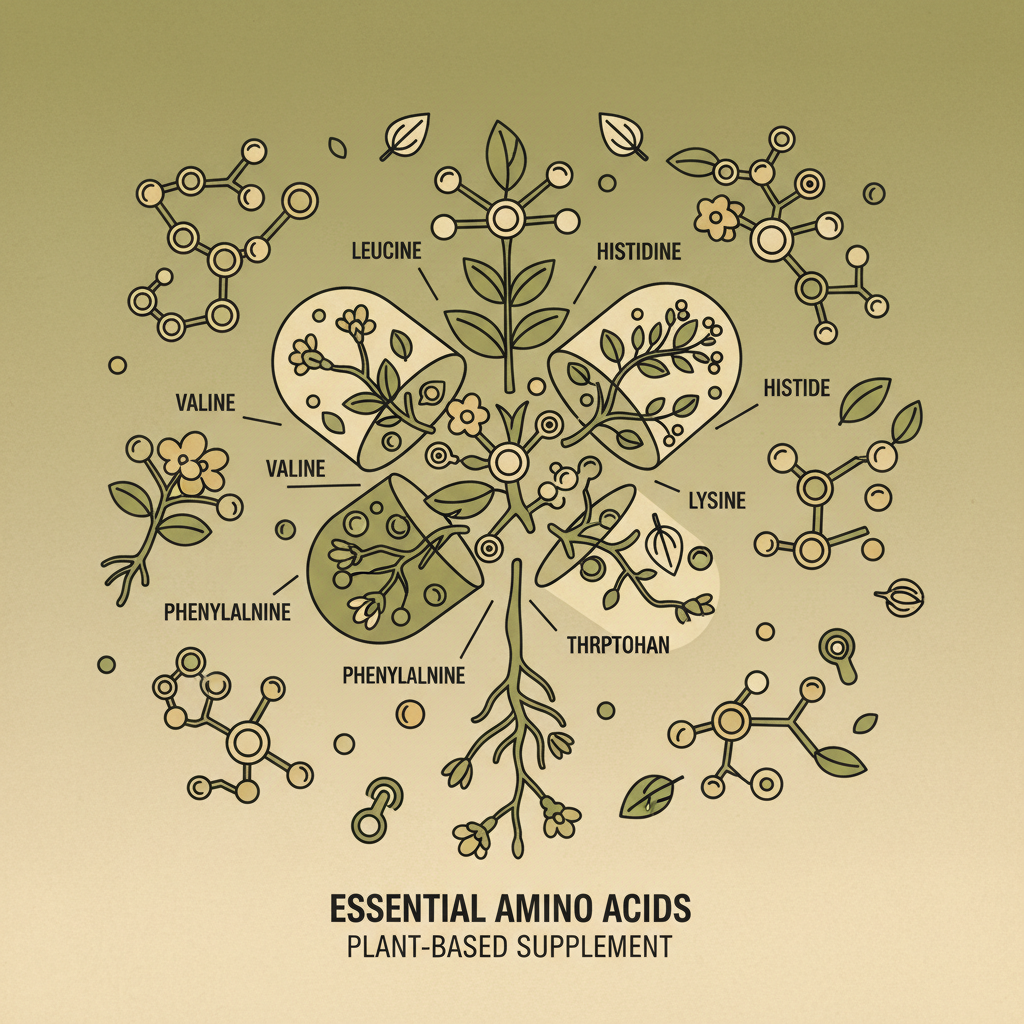
Excellent sources of dietary amino acids include animal proteins like meat, poultry, fish, eggs, and dairy. Plant-based sources include legumes, nuts, seeds, and whole grains. Combining different plant proteins can ensure you obtain all essential amino acids. A balanced diet rich in diverse protein sources is fundamental for optimal amino power and overall health. amino power sources are available.
Conclusion
In conclusion, amino power represents a powerful and versatile approach to enhancing biological function, addressing critical needs in healthcare, agriculture, and beyond. Understanding the core principles – amino acid profiles, bioavailability, synergistic compounds, and personalized formulations – is crucial for maximizing its benefits. By embracing innovation and addressing existing challenges, we can unlock the full potential of amino acids to improve human health and create a more sustainable future.
Looking ahead, the convergence of amino power with emerging technologies – such as precision fermentation, artificial intelligence, and nanotechnology – promises to revolutionize the field. Continued research, responsible application, and collaborative efforts are essential to ensure that amino power is harnessed effectively and ethically for the benefit of all. Visit our website to learn more: www.hbfuyangbio.com.