Understanding Quality Magnesium Glycinate: Why it Matters Globally
Magnesium glycinate, especially when of quality, has quietly become a cornerstone supplement worldwide, bridging gaps in nutritional health and wellness. Frankly, it’s one of those compounds that doesn’t get the spotlight it deserves—yet its impact on human health, industrial uses, and even humanitarian efforts is profound. Globally, magnesium deficiency is estimated to affect roughly 10-30% of the population, according to various nutrition surveys; this makes understanding quality magnesium glycinate not just a niche biological interest but a global health priority. It helps ease muscle cramps, supports cardiovascular health, and even reduces anxiety, making it highly relevant today.
On a broader scale, knowing the difference between average and quality magnesium glycinate helps manufacturers, clinicians, and consumers ensure both safety and efficacy, especially given the rise of dietary supplements and functional foods worldwide.
Global Context: Why Quality Magnesium Glycinate is Crucial Now
According to the United Nations’ report on nutrition (UN Global Nutrition Report 2023), micronutrient deficiencies remain a persistent challenge even in developed economies. Magnesium, essential for over 300 enzymatic processes, often slips under the radar compared to vitamins. The global supplement market for magnesium compounds is expected to grow at a steady CAGR of around 7% through 2030 (MarketWatch). With increasing chronic illnesses linked to deficiency, quality magnesium glycinate presents a solution that’s bioavailable and gentle on the digestive system—something raw magnesium or less refined compounds often fail at.
Yet, there’s a problem: not all magnesium glycinate is created equal. Inferior grades may contain contaminants, reduced absorption, or ineffective dosages which diminish benefit and increase risk. This inconsistency matters to healthcare providers and manufacturers eager to deliver dependable products.
What Is Quality Magnesium Glycinate? A Simple Definition
At its core, quality magnesium glycinate is a chelated form of magnesium where magnesium ions are bound to glycine molecules. This chelation improves absorption in the intestines and minimizes common side effects like diarrhea compared to other magnesium salts.
In simple terms, think of magnesium glycinate as a vitamin delivery system that packages magnesium in a way the body welcomes warmly, making it more effective. When we say “quality,” we mean that the compound is produced following stringent purity standards, free from harmful contaminants, and accurately dosed to ensure reliable usage in both medical and nutritional contexts.
This connection extends beyond supplements; the compound finds use in modern industry, such as pharmaceutical formulations, specialized food products, and even emerging applications in animal feed, underscoring its versatile role.
Key Factors Defining Quality Magnesium Glycinate
- Purity: Should be at least 98% pure magnesium glycinate without residual solvents or heavy metals.
- Bioavailability: High absorption rate ensuring the body efficiently utilizes the magnesium.
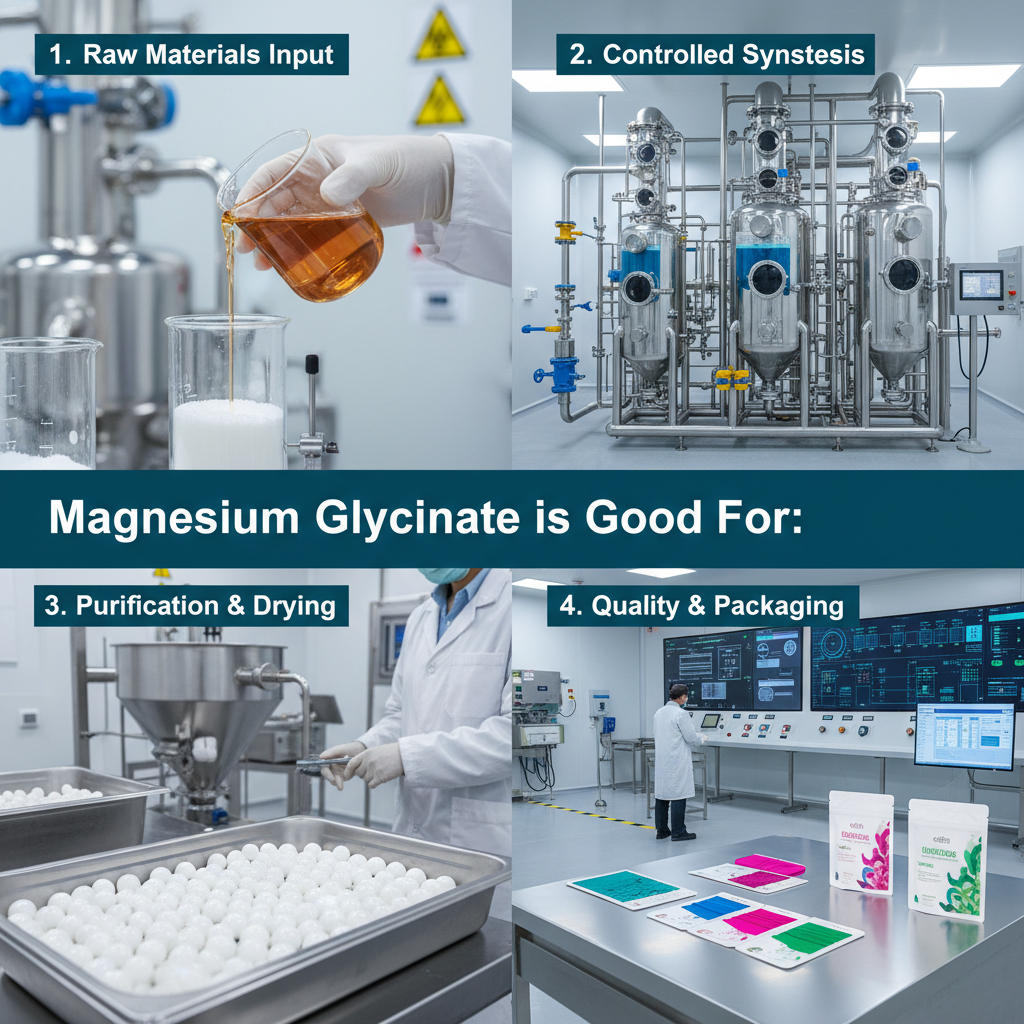
- Manufacturing Standards: Compliance with ISO 9001 or GMP standards to ensure consistency and safety.
- Stability: Resistant to oxidation and degradation during storage and transit.
- Dosage Accuracy: Precise content per serving to avoid under- or overdosing.
These factors strongly influence how the supplement performs—whether in a pharmaceutical-grade capsule or a powder mix for functional nutrition.
Product Specification Table: Typical Quality Magnesium Glycinate
| Property | Specification |
|---|---|
| Magnesium Content | 14–16% (elemental Mg) |
| Purity | ≥ 98% |
| Heavy Metals | |
| Solubility | Free soluble in water |
| Appearance | White crystalline powder |
Comparing Leading Vendors of Magnesium Glycinate
| Vendor | Purity (%) | Price (USD/kg) | GMP Certified | Lead Time (days) |
|---|---|---|---|---|
| HBFuyang Bio | ≥ 99% | 35 | Yes | 7-10 |
| Vendor B | 97-98% | 30 | Partial | 14-21 |
| Vendor C | 95-96% | 25 | No | 20-30 |
Global Applications & Use Cases of Magnesium Glycinate
From nutritional supplements to pharmaceutical ingredients, quality magnesium glycinate sees varied applications globally:
- Healthcare and Dietary Supplements: Used extensively in vitamins to ease muscle cramps and promote nerve function, especially in aging populations or athletes.
- Animal Nutrition: Added to livestock feed to support bone health and metabolic balance.
- Functional Foods and Beverages: Incorporated in fortified foods to help populations at risk of deficiency.
- Hospital and Clinical Nutrition: Used in IV formulations where oral magnesium isn’t feasible.
For example, in Southeast Asia—where magnesium-rich diets aren’t always accessible—quality magnesium glycinate helps address widespread micronutrient deficit-related conditions. And odd as it sounds, even the tech industry benefits as it’s used in some pharmaceutical coatings and delivery systems.
Advantages and Long-Term Value of Quality Magnesium Glycinate
Choosing quality magnesium glycinate has direct and somewhat deeper impacts. You get:
- Enhanced Absorption: This reduces doses needed and minimizes side effects like gastrointestinal discomfort.
- Consistent Efficacy: Reliable purity and dosage means predictable outcomes in health or manufacturing.
- Trust & Safety: Certified products reduce risks of contamination and regulatory issues.
- Cost-Effectiveness: While priced slightly higher, quality reduces waste and adverse events, proving more economical long term.
- Sustainability: Vendors committed to environmentally friendly synthesis add social value.
And on a human level, it’s comforting to know your supplement or ingredient source aligns with safety and dignity principles. This isn’t just chemistry; it’s about trust and care on a global scale.
Future Trends & Innovations
Looking ahead, the magnesium glycinate industry is not static. Among emerging trends:
- Green Synthesis Methods: New manufacturing processes reduce chemical wastes and energy use.
- Nanotechnology: Exploring ultra-fine chelates to further boost bioavailability.
- Personalized Nutrition: Tailoring magnesium supplements to genetic or metabolic profiles.
- Digital Supply Chains: Blockchain tech improving traceability from production to consumer.
For companies and health advocates alike, adapting to these trends means better products and stronger global health impact.
Challenges & Solutions in Current Practice
Despite the promises, some challenges persist:
- Quality Variability: Less regulated markets can flood with sub-par compounds, confusing consumers.
- Supply Chain Disruptions: Raw material shortages or shipping delays impact consistent availability.
- Cost Barriers: Higher-quality products are sometimes inaccessible in low-income regions.
Experts suggest:
- Greater investment in quality control and international standards adoption.
- Innovative local manufacturing to reduce dependency on imports.
- Public-private partnerships to subsidize access in vulnerable communities.
FAQ: Frequently Asked Questions About Quality Magnesium Glycinate
Q1: What distinguishes quality magnesium glycinate from regular magnesium supplements?
A: Quality magnesium glycinate features high purity, enhanced absorption due to its chelated form, and minimal side effects like digestive upset. Regular magnesium supplements, such as magnesium oxide, often have lower bioavailability and may cause discomfort.
Q2: How do I verify the quality of magnesium glycinate supplements?
A: Look for third-party certifications like GMP, ISO standards, and lab-tested purity reports. Trusted suppliers usually provide detailed Certificates of Analysis (CoA).
Q3: Can magnesium glycinate help with chronic muscle cramps?
A: Yes, it is widely used to relieve muscle cramps and spasms because the glycine chelate improves magnesium absorption essential for muscle function.
Q4: Is it safe to take magnesium glycinate long-term?
A: Generally, yes. Magnesium glycinate is well tolerated even during extended use when taken at recommended doses. However, it’s best discussed with healthcare providers.
Q5: How does the manufacturing standard impact magnesium glycinate's efficacy?
A: Manufacturing under strict quality standards ensures the product’s purity, consistency, and bioavailability, directly affecting its efficacy and safety.
Conclusion: The Lasting Importance of Quality Magnesium Glycinate
In real terms, quality magnesium glycinate is more than a supplement; it’s a promise of health, efficacy, and trust—qualities increasingly needed in a complex global market. Whether for medical uses, nutritional support, or industrial formulations, investing in quality means safer, more effective outcomes. For those interested in reliable sources, I highly recommend visiting quality magnesium glycinate providers who prioritize purity and transparency.
After all, when it comes to health and wellbeing, cutting corners isn’t really an option.
Mini takeaway: Understanding and choosing quality magnesium glycinate is a straightforward step with profound health and industrial benefits worldwide.