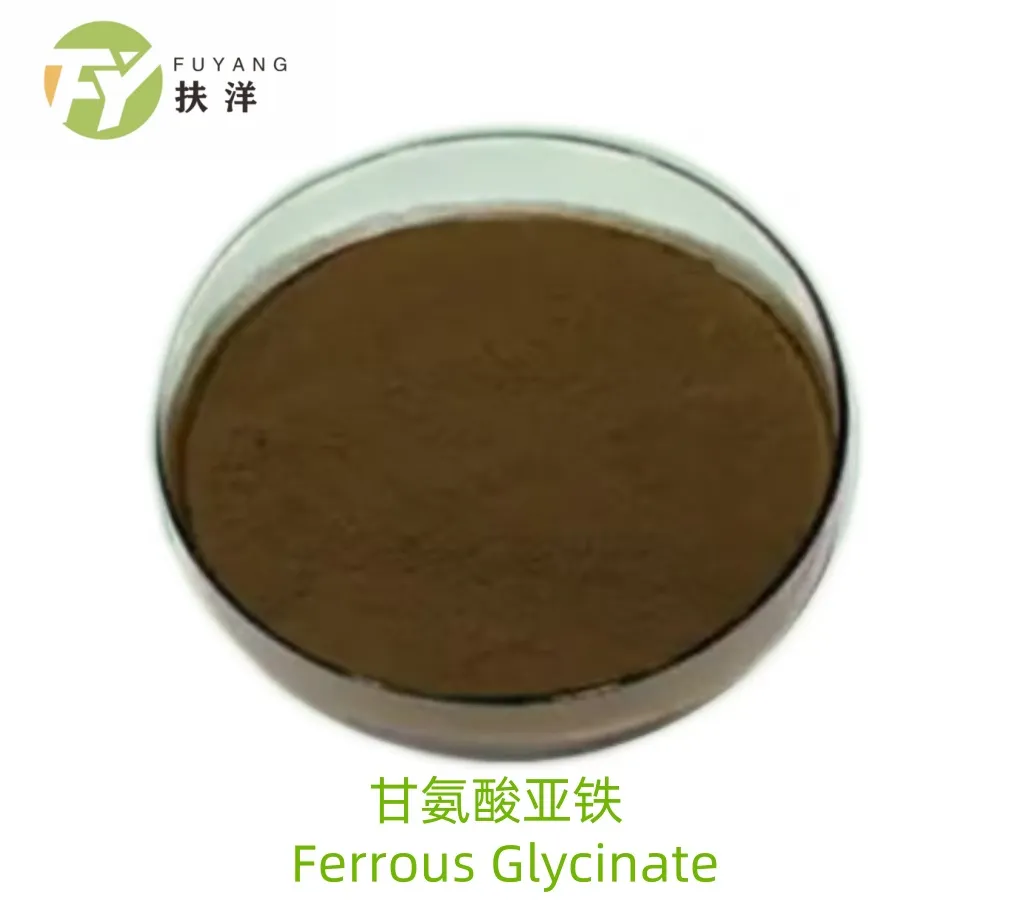
Iron Bisglycinate is a premium chelated mineral designed for superior bioavailability and stability in animal nutrition. By bonding iron with glycine, this specialized additive ensures high absorption rates while minimizing gastrointestinal irritation, making it an essential component for preventing iron-deficiency anemia across various livestock and pet species.
Our high-purity Iron Bisglycinate is specifically engineered to support hemoglobin synthesis and oxygen transport. Whether utilized in precision feeding for neonatal piglets or as a growth catalyst for poultry and aquaculture, it provides a stable and efficient iron source that outperforms inorganic salts in metabolic efficiency and animal health outcomes.
Detailed Parameters
| Product Name | Iron Bisglycinate | Chemical Form | Chelated Amino Acid Mineral |
|---|---|---|---|
| Primary Function | Anemia Prevention | Target Application | Feed & Breeding |
| Bioavailability | High (Chelated) | Main Indication | Hemoglobin Synthesis |
| Species Suitability | Mammals, Poultry, Pets | Stability | High Thermal Stability |
| Key Benefit | Reduced Toxicity Risk | Absorption Rate | Superior to Ferrous Sulfate |
Key Advantages
Prevent Anemia
Critically effective in preventing iron-deficiency anemia in 3-7 day old piglets and young animals.
Rapid Absorption
Chelated structure ensures faster intestinal absorption compared to traditional inorganic iron sources.
Shell Quality
Improves eggshell quality and overall productivity in laying hens when dosed correctly.
Molt Support
Promotes healthy molting processes in crustaceans and shrimp within aquaculture systems.
Low Interference
Reduced interaction with other minerals, preventing nutrient antagonism in complex feed mixes.
Precise Dosage
Easy to integrate into automated feeding systems with high consistency and stability.
Product Gallery
Management Platforms
Supply Chain Tracking
Real-time monitoring of raw material purity from production to delivery.
Quality Control
Strict adherence to international feed safety standards and purity assays.
Dosage Optimization
Expert guidance on species-specific dosage to avoid iron accumulation.
Compliance Monitoring
Ensuring yolk color and product standards meet market regulatory requirements.
Logistics Management
Optimized packaging to prevent moisture absorption and ensure shelf-life.
Technical Support
Comprehensive analysis for ruminant bioavailability and rumen degradation.
Investment Return Comparison
| Parameter | Inorganic Iron Salts | Iron Bisglycinate |
|---|---|---|
| Absorption Rate | Low to Moderate | Excellent/High |
| GI Irritation | High Potential | Minimal/Low |
| Mineral Synergy | High Interference | Low Interference |
| Piglet Survival | Standard | Significantly Improved |
| Overall ROI | Low Cost / Low Efficiency | Premium Cost / High Performance |
Frequently Asked Questions
Iron Bisglycinate offers superior bioavailability, reducing the risk of iron-deficiency anemia more effectively while being gentler on the neonatal gastrointestinal tract.
Yes, excessive iron in laying hens may darken the yolk color, which could lead to non-compliance with certain market aesthetics. Precise dosage is recommended.
While effective, rumen microorganisms may partially degrade chelated iron. We recommend combining it with coated iron sources to maximize bioavailability in ruminants.
In aquatic environments, excess iron can trigger algae proliferation, harming water quality. Supplementation for crustaceans should be strictly limited and monitored.
No. Iron Bisglycinate treats iron-deficiency anemia. Anemia caused by parasites or systemic infections requires medical treatment rather than mineral supplementation.
Generally, no. Adult herbivores with access to iron-rich forage typically have sufficient iron levels and do not require additional supplementation.