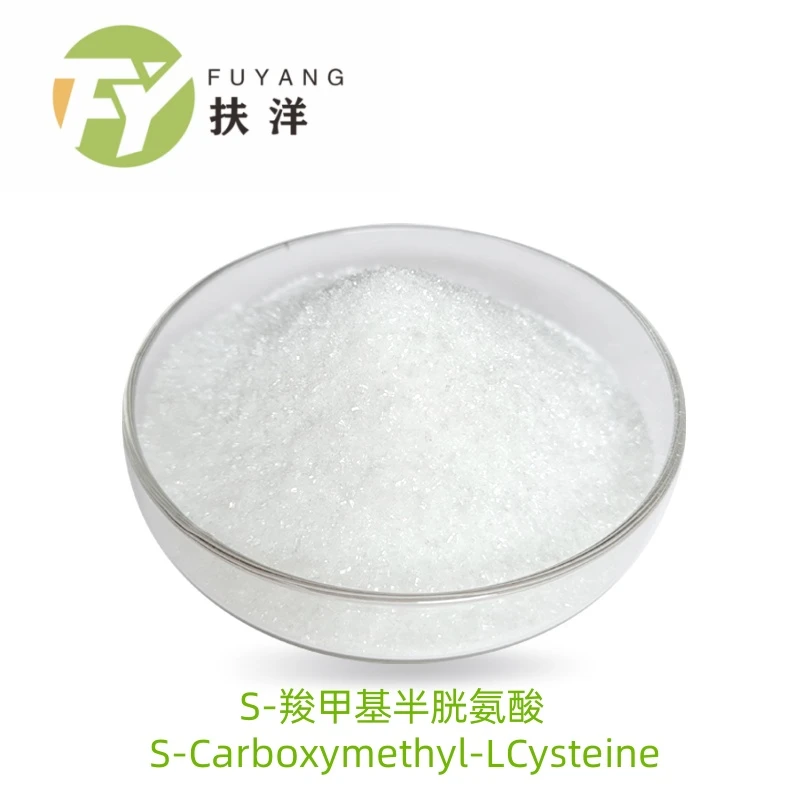
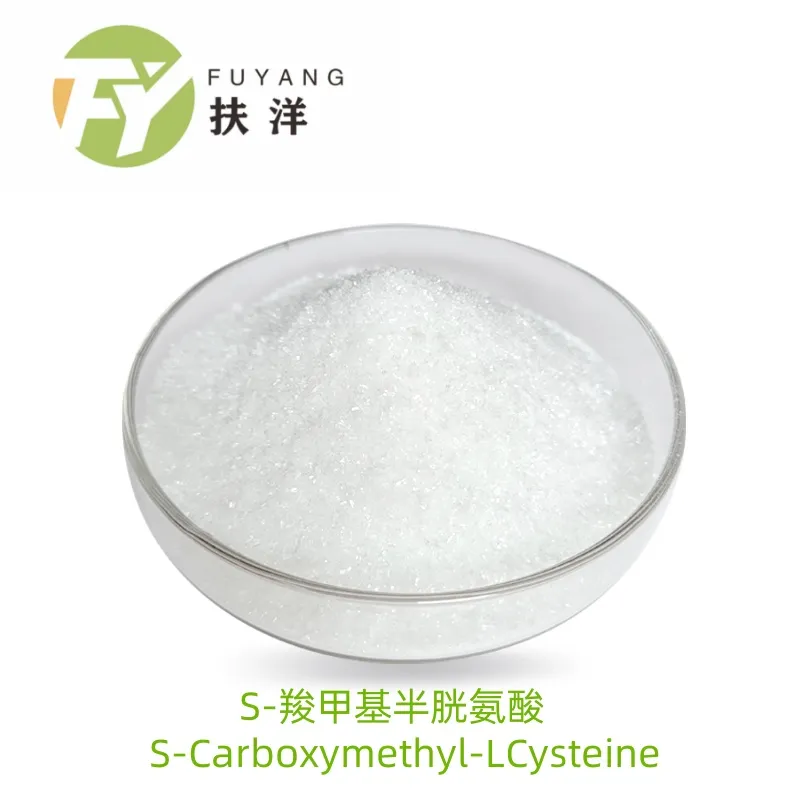
S-(Carboxymethyl)-L-cysteine, widely recognized as Carbocysteine, is a high-performance cysteine derivative specifically engineered for the animal health and nutrition sector. Acting as a potent mucoregulator and antioxidant, it provides a sophisticated approach to managing respiratory health in livestock and pets, ensuring optimal airway clearance and mucosal protection through an indirect regulation mechanism.
Unlike traditional mucolytics, this advanced additive enhances intracellular glutathione (GSH) levels and suppresses pro-inflammatory cytokines, making it an ideal choice for chronic respiratory management and preventive antioxidant support. From poultry farms to aquaculture and pet care, it delivers a stable, safe, and efficient solution to improve animal welfare and overall productivity.
Detailed Parameters
| CAS Number | 2387-59-9 | Molecular Formula | C₅H₉NO₄S |
|---|---|---|---|
| Molecular Weight | 179.19 | EINECS NO. | 219-193-9 |
| Chemical Class | Cysteine Derivative | Functional Role | Mucoregulator & Antioxidant |
| Primary Use | Animal Respiratory Health | Solubility | Water Soluble |
| Target Species | Poultry, Swine, Pets, Fish | Application Mode | Feed or Drinking Water |
Key Advantages
Respiratory Protection
Reduces sputum viscosity and regulates mucus secretion to protect animals from chronic bronchitis and pneumonia.
Long-term Stability
Provides sustained action for chronic disease management, offering a more stable profile than rapid-acting agents.
Oxidative Stress Relief
Boosts GSH levels to mitigate oxidative damage caused by ammonia, dust, or high-density farming stress.
Immune Modulation
Strengthens mucosal immunity and potentially enhances the efficacy of respiratory vaccines in porcine species.
Superior Safety Profile
Significantly fewer gastrointestinal side effects compared to NAC, ensuring better tolerance in monogastric animals.
Broad Species Utility
Versatile application across poultry, swine, aquaculture, and companion animals for diverse health challenges.
Product Gallery
Management Platforms
Dosage Precision
Customized dosing protocols for poultry (50-100mg/kg) and aquaculture (200-300mg/kg).
Application Timing
Optimized for 5-7 day cycles in broiler feed or twice-daily oral dosing for pets.
Interaction Monitoring
Guided protocols to avoid concurrent use with Vitamin C or tetracyclines for maximum efficacy.
Regulatory Alignment
Ensuring compliance with Veterinary Drug Administration and regional withdrawal periods.
Synergy Strategy
Integration plans for combining with NAC to address both acute and chronic health stages.
Performance Tracking
Monitoring weight gain (5-8% improvement) and survival rates in stress environments.
Investment Return Comparison
| Feature | S-(Carboxymethyl)-L-cysteine | Acetylcysteine (NAC) |
|---|---|---|
| Action Mechanism | Indirect Mucus Regulation | Direct Disulfide Cleavage |
| Onset of Action | Slower / Sustained | Rapid / Immediate |
| GI Safety | High (Few side effects) | Moderate (May cause vomiting) |
| Primary Application | Chronic / Preventive Care | Acute / Severe Obstruction |
| Antioxidant Role | GSH Synthesis Dependent | Direct Radical Scavenging |
Frequently Asked Questions
S-(Carboxymethyl)-L-cysteine regulates mucus production indirectly and is better suited for long-term chronic management with fewer gastrointestinal side effects, whereas NAC acts rapidly by directly breaking down mucus.
The typical recommended dosage is 50–100 mg/kg added to broiler feed, administered for 5–7 days via drinking water or feed.
Yes, feed supplementation at 200–300 mg/kg is effective in aquaculture to protect against oxidative stress during transport or poor water conditions, improving overall survival rates.
It is advised to avoid concurrent use with highly acidic agents (such as Vitamin C) or specific antibiotics like tetracyclines to ensure optimal absorption and efficacy.
Trial data indicates that by reducing respiratory lesions and oxidative stress, S-(Carboxymethyl)-L-cysteine can improve weight gain in broilers by approximately 5–8%.
Yes, due to its mild action and high safety profile, it is highly suitable for long-term management of chronic bronchitis in dogs and cats when administered at proper dosages.